


NEW YORK, New research is offering fresh insight into how the APOE4 gene variant may contribute to changes in the brain’s smallest blood vessels, potentially adding another piece to the puzzle of Alzheimer’s disease.
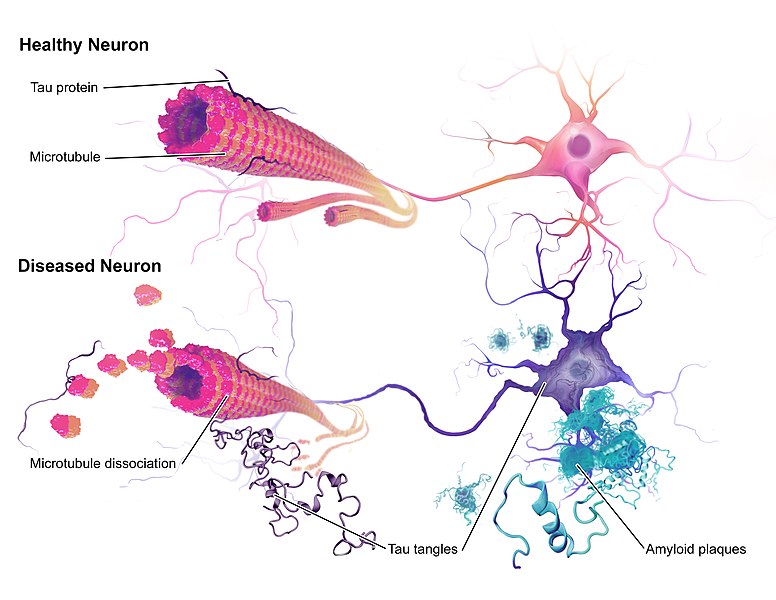
Scientists found that APOE4 may alter cells that support brain blood vessels, encouraging changes linked to fibrosis and abnormal protein accumulation. (Newsmax report on the research)
Why APOE4 Matters
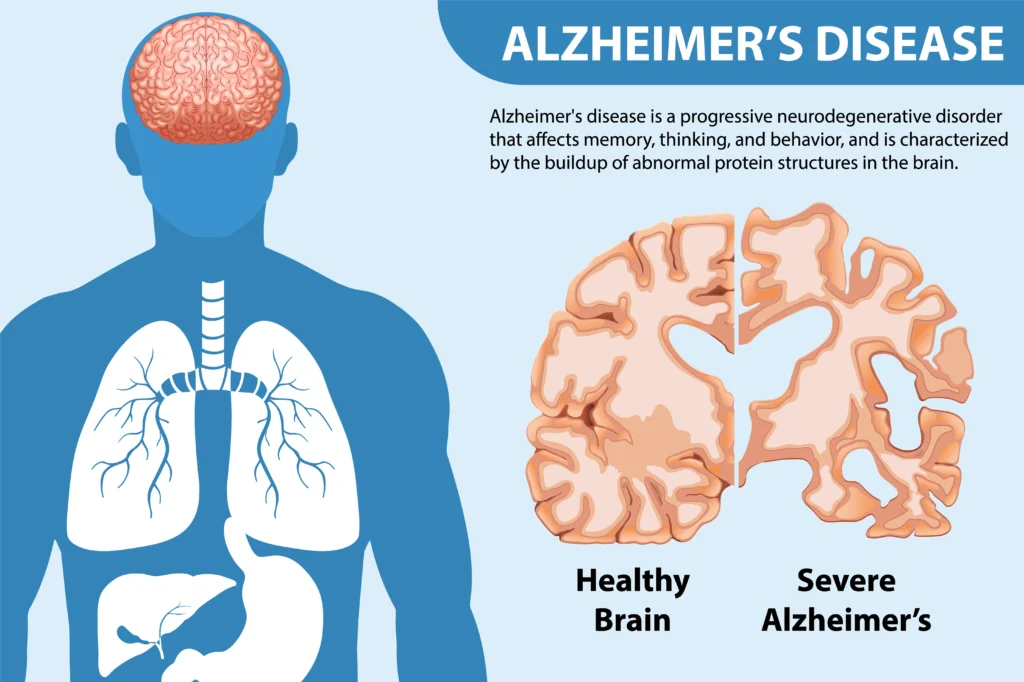
APOE4 is a genetic variant associated with an increased risk of late-onset Alzheimer’s disease.
However, carrying APOE4 does not mean that someone will definitely develop Alzheimer’s. Researchers are studying how the variant may influence different biological processes inside the brain.
The latest findings focus on the brain’s vascular system.
APOE4 and Brain Blood Vessels
Tiny blood vessels play an important role in supplying brain tissue with oxygen and nutrients. They also form part of the blood-brain barrier, which helps regulate what enters brain tissue from the bloodstream.
Researchers found that APOE4 may affect pericytes, specialized cells that surround and support small blood vessels.
Instead of maintaining their normal supportive function, these cells may shift toward a scar-forming state. This can contribute to fibrosis around blood vessels and may be associated with increased amyloid accumulation.
The Pericyte Connection
Pericytes help maintain the structure and stability of small blood vessels.
The research suggests that APOE4 can cause these cells to develop characteristics similar to myofibroblasts, cells involved in tissue repair and scar formation.
That change could affect the environment surrounding brain blood vessels and potentially interfere with normal vascular function.
TGF-β May Be Involved
Researchers also identified increased activity in the TGF-β signaling pathway, which is involved in cell communication, tissue remodeling and fibrosis.
In experimental models, blocking this pathway improved pericyte coverage and reduced some of the vascular changes and amyloid accumulation.
The findings make TGF-β an interesting target for future research, but they do not mean that a TGF-β treatment for Alzheimer’s is currently available.
Another Effect of APOE4
The researchers also examined how APOE4 affects cholesterol processing in astrocytes, another type of brain support cell.
The findings suggested that altered cholesterol handling can interfere with the cells’ ability to process cellular waste.
This may reduce the clearance of abnormal proteins such as alpha-synuclein, which is associated with several neurodegenerative disorders.
The finding adds to evidence that APOE4 may influence several biological pathways rather than acting through a single mechanism.
Human Brain Models Were Used
The researchers used human brain tissue, animal models and laboratory-generated three-dimensional brain models called miBrains.
These models contain several types of brain cells and allow scientists to study interactions that are difficult to reproduce in simpler laboratory systems.
Using multiple models helped researchers investigate how APOE4 may affect blood vessels and brain cells.
📷 Image 4: Place here
Suggested image: Laboratory or scientific illustration representing a 3D human brain organoid/miBrain model.
Alt text: Human brain model used to study APOE4 and Alzheimer's disease
What the Findings Mean
The research adds to a growing understanding of Alzheimer’s disease as a condition involving multiple biological systems.
Abnormal proteins remain important, but scientists are also studying blood vessels, inflammation, metabolism, the blood-brain barrier and cellular waste removal.
The APOE4 findings suggest that changes in the brain’s microvasculature may deserve greater attention in future Alzheimer’s research.
However, the results come from experimental research and do not establish a new treatment for patients.
Where Does Physiotherapy Fit In?
Physiotherapy does not treat the APOE4 gene or reverse the molecular changes described in the research.
Its relevance is mainly at the functional and rehabilitation level.
People living with Alzheimer’s disease or other neurological conditions may experience problems with walking, balance, strength, coordination and everyday mobility.
Physiotherapy may help address these functional difficulties through appropriately selected strength, balance, mobility and exercise programmes.

The goal is to support safe movement and independence rather than directly treat the genetic or molecular cause of Alzheimer’s disease.
What Happens Next?
The next step is determining whether the biological mechanisms identified in laboratory models can lead to useful treatments for people.
Potential therapies targeting vascular changes or related cellular pathways would need to undergo extensive testing before their safety and effectiveness could be established.
For now, the research provides scientists with new mechanisms to investigate.
Final Thoughts
The latest APOE4 research offers a closer look at how genetic risk may interact with the brain’s blood vessels and supporting cells.
It does not mean that APOE4 carriers will develop Alzheimer’s or that a new treatment is immediately available.
The findings instead provide researchers with additional biological targets to study while highlighting the importance of understanding Alzheimer’s through both brain and vascular health.
For physiotherapy, the connection remains focused on rehabilitation, mobility, balance and maintaining physical independence in people affected by neurological disease.
Stay tuned with us for more health related topics.
Follow us on LinkedIn and Instagram for more.


