BENGALURU, INDIA: Cancer treatment in India has become more advanced, but its cost continues to place a heavy burden on patients and families. Expensive medicines, prolonged treatment and limited financial support can prevent patients from completing the care they need.
The government’s decision to regulate trade margins on 137 anti-cancer medicines is expected to improve affordability. However, the financial challenges extend beyond medicine prices, making wider healthcare reforms essential.
Why Cancer Treatment Remains Difficult to Afford
A cancer diagnosis can create an immediate financial crisis, particularly for families with limited monthly incomes.
Recent patient cases from Karnataka show how treatment expenses can become difficult to manage even when patients have access to specialist hospitals.
A 45-year-old garment factory worker from Bengaluru Rural was diagnosed with stage IV-A mouth cancer. Her treatment plan involved chemotherapy, extensive surgery with reconstruction, radiation and further chemotherapy.
The cost of medicines and supportive drugs alone reached approximately ₹93,000, while her family earned just ₹28,000 a month. She faced the possibility of discontinuing the final stages of treatment because the family was running out of money.
Another case involved a 56-year-old shopkeeper from Mysuru with recurrent, inoperable hypopharyngeal cancer involving the oesophagus. After three chemotherapy cycles, his disease showed a partial response.
Immunotherapy was considered as another treatment option, but the estimated expense of ₹2.4 lakh to ₹8 lakh over the following two to three months was beyond what his family could afford on a monthly income of ₹45,000.
These cases illustrate why access to cancer treatment depends on more than medical advances. Patients must also be able to afford the full treatment plan.
A report published by The Hindu on November 6, 2026, titled Cancer care: Long battle for affordable treatment, highlighted these challenges and the need for better medicine pricing and financial protection.
High Cancer Medicine Prices Increase Expenses
Cancer treatment expenses include more than the main chemotherapy or targeted medicine. Patients may also require growth factors, antiemetics to control nausea, pain medication and other supportive drugs.
According to Dr. U.S. Vishal Rao, Head and Neck Cancer Surgeon and member of the Karnataka Health Department’s Vision Group for Cancer, supportive medicines can account for up to 30% of total treatment costs.
For patients receiving several treatment cycles, these additional expenses can become substantial. Some patients delay chemotherapy sessions, extend the interval between cycles or discontinue treatment after two or three cycles because they cannot arrange the required funds.
The problem becomes more serious when hospitals purchase medicines at significantly lower institutional prices but patients are billed at or near the printed maximum retail price (MRP).
In September 2026, Karnataka Health Minister U.T. Khader wrote to Union Health Minister J.P. Nadda, seeking intervention over pricing discrepancies involving 253 medicines and consumables.
The Karnataka Food Safety and Drug Administration investigation identified differences between institutional landing costs and printed MRPs. Some reported mark-ups ranged from 10 times to more than 52 times the procurement cost.
Examples cited in the State’s communication included:
| Medicine | Landing cost | Printed MRP |
|---|---|---|
| Gufipol | ₹86 | ₹4,528 |
| Guficycline-50 | ₹160 | ₹7,110 |
| Terlitis | ₹118 | ₹4,416 |
| Bevatas 400 mg | ₹5,850 | ₹62,690 |
These examples highlight the need for greater transparency in cancer medicine pricing. Patients undergoing time-sensitive treatment may have limited opportunities to compare prices or find alternatives.
NPPA Introduces Price Controls on 137 Drugs
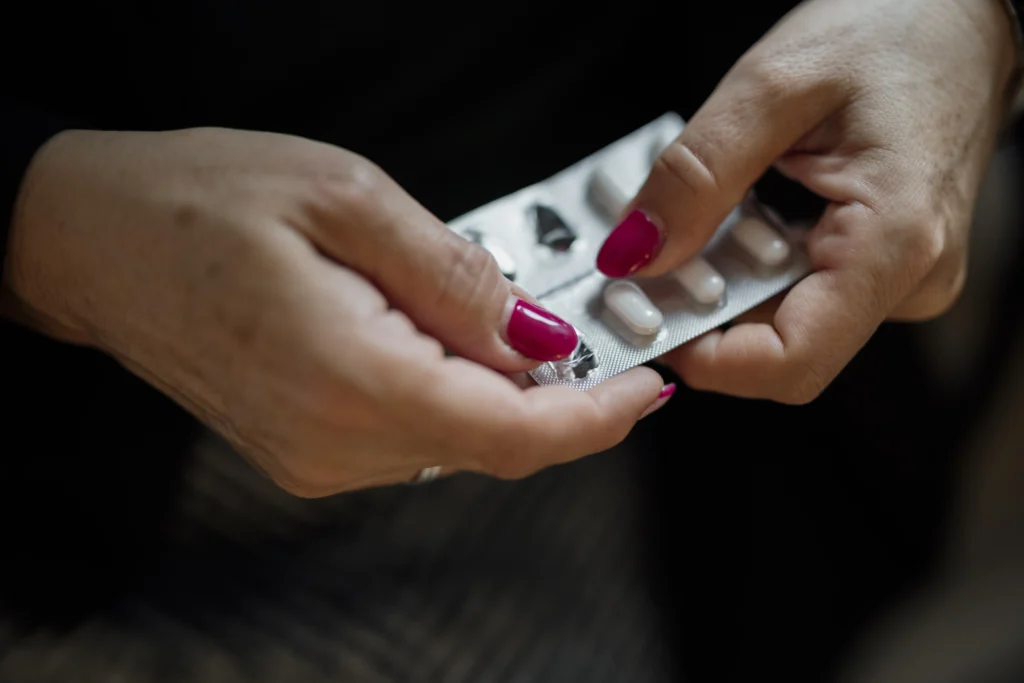
The National Pharmaceutical Pricing Authority (NPPA), under the Department of Pharmaceuticals, introduced Trade Margin Rationalization (TMR) for 137 identified non-scheduled anti-cancer medicines on October 17, 2026.
Under the revised framework, trade margins are capped at 30% of MRP for the identified medicines, in accordance with Paragraph 19 of the Drugs (Prices Control) Order, 2013.
The government expects the intervention to reduce the MRP of selected medicines by up to 70%, depending on their existing price structures. It also estimates annual savings of approximately ₹2,500 crore for cancer patients.
The covered medicines include several drugs used in advanced cancer treatment:
- Pembrolizumab: An immunotherapy medicine used for selected cancers.
- Durvalumab: An immunotherapy medicine used for specific cancer types.
- Osimertinib: A targeted therapy used for certain lung cancers.
- Bevacizumab: A targeted medicine used for several cancers.
- Denosumab: Used in selected patients with breast and prostate cancer.
- Peg filgrastim: Used to reduce the risk of chemotherapy-related neutropenia.
The revised framework also covers immunotherapy medicines used in more than 20 types of cancer.
The price reduction is not a flat 70% discount on every medicine. Actual reductions depend on the existing pricing structure, formulation and brand.
The Department of Pharmaceuticals has instructed manufacturers to communicate revised prices and ensure that hospitals, pharmacies and retailers implement them from November 9, 2026.
As of November 5, NPPA had published updated price lists for the identified anti-cancer medicines. Patients can check the revised MRP of their prescribed brand and formulation through the NPPA revised price portal or the Pharma Sahi Daam application. (Department of Pharmaceuticals, 2026).
Why Price Reductions Are Not Enough
Although price regulation is an important step, it cannot solve every problem associated with cancer treatment.
An analysis by the Working Group on Access to Medicines and Treatments examined 643 product entries in the revised pricing data.
The findings showed:
- 484 entries, or 75.27%, recorded price reductions.
- The average reduction among these entries was 50.78%.
- The remaining 159 entries, or 24.73%, showed no price change.
- The combined MRP value decreased from approximately ₹2.51 crore to ₹2.17 crore, a reduction of 13.8%.
Importantly, products with unchanged prices represented 86.2% of the combined revised MRP value.
These figures were based on listed product entries. They were not weighted by sales volumes, prescriptions or actual patient consumption. Therefore, they should not be interpreted as the actual savings received by cancer patients.
The analysis also identified 56 medicines with only one manufacturer or supplier. Almost all corresponding brand entries remained unchanged.
This highlights a major limitation of trade margin regulation. A margin cap controls the distribution and retail chain, but it does not automatically reduce the underlying price set by the manufacturer.
Medicines with limited competition may therefore remain expensive. Greater scrutiny of manufacturer pricing, affordability assessments and wider access to lower-cost alternatives are also necessary.
Karnataka Faces a Growing Cancer Burden
The need for affordable cancer care is becoming more urgent as cancer cases increase.
Data presented in the Rajya Sabha in August 2026 estimated that Karnataka recorded 88,126 new cancer cases in 2021. The estimated number increased to 97,130 in 2025, representing a rise of approximately 10.2%.
Estimated cancer deaths also increased from 48,290 to 53,253 during the same period.
These are annual estimates of new cases and deaths, not the total number of people living with cancer.
The figures also highlight the growing demand for specialist consultations, diagnostic services, medicines and long-term treatment facilities. The Times of India
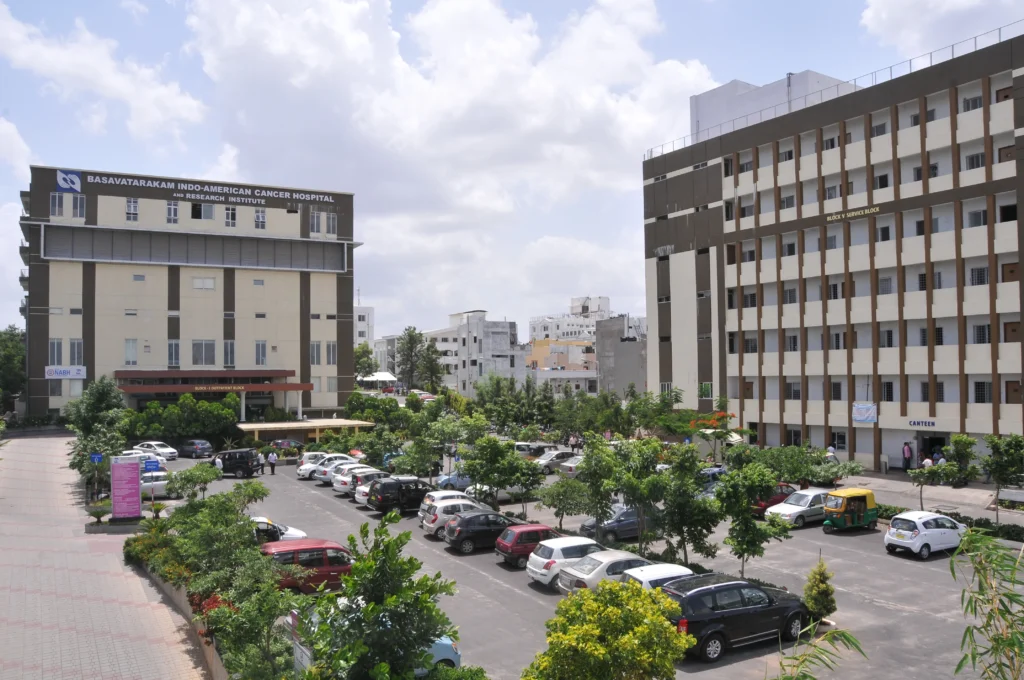
Kidwai Memorial Institute of Oncology in Bengaluru plays an important role in providing affordable cancer care. According to its director, R. Krishnappa, the institute registers approximately 22,176 new patients every year and receives more than 3.7 lakh follow-up visits.
Patients below the poverty line receive free treatment and medicines, according to the report.
However, patients from smaller towns may still need to travel to Bengaluru for specialized treatment. Travel, accommodation and lost income add to their overall expenses.
Financial Toxicity Extends Beyond Hospital Bills
Financial toxicity describes the economic stress patients experience because of the cost of medical treatment.
Cancer expenses can affect household savings, employment, education and long-term financial stability. Patients may borrow money, sell assets or depend on relatives to continue treatment.
A prospective study involving 500 breast cancer patients at Tata Memorial Centre, Mumbai, found that average out-of-pocket expenditure was approximately ₹1.86 lakh. This represented around 72.2% of the recorded total treatment cost.
Although 74.4% of patients received some form of financial assistance, reimbursement covered only part of the treatment expense. (Wadasadawala et al., 2024).
A related analysis of the same 500-patient longitudinal cohort found that 84.2% of households experienced catastrophic health expenditure, while 72.4% experienced distress financing through borrowing or selling assets.
The study also identified higher financial risks among rural, poorer and agriculture-dependent households. (Mohanty et al., 2024).
These findings show that financial protection must cover the entire treatment journey, including non-medical expenses such as travel and accommodation.
Making Advanced Cancer Care Accessible
Affordable cancer treatment requires a combination of price regulation, stronger public hospitals and better medicine procurement.
The National Cancer Grid has demonstrated the potential of pooled procurement. Its pilot covered 40 high-value oncology and supportive-care medicines across 23 participating centers.
The initiative reported savings of ₹13.2 billion compared with maximum retail prices. Savings ranged from 23% to 99%, with a median reduction of 82%. (Pramesh et al., 2023).
Expanding such procurement models can improve the bargaining power of public hospitals and help reduce medicine costs.
Hospitals must also maintain quality standards, proper storage, medicine traceability and uninterrupted supplies. Lower prices will offer limited benefit if patients face medicine shortages or treatment delays.
Financial assistance schemes are equally important. The Ayushman Bharat-Arogya Karnataka scheme plays a role in supporting eligible patients.
However, at the time of the November 2026 report, the Kidwai director had raised concerns about immunotherapy medicines not being covered and had requested their inclusion.
Patients should check current scheme eligibility and treatment coverage with the hospital before starting therapy.
They can also take practical steps to manage expenses:
- Request a written estimate covering medicines, investigations, surgery and other treatment costs.
- Check insurance coverage and eligibility for government assistance.
- Ask the treating oncologist about clinically appropriate lower-cost alternatives.
- Maintain prescriptions, bills and medical records for reimbursement.
- Seek guidance from hospital social workers about charitable assistance and financial support.
Patients should not delay or discontinue prescribed cancer treatment or change medicines without consulting their oncologist.
Conclusion
Cancer treatment in India has advanced, but high medicine prices and treatment-related expenses continue to prevent many patients from accessing complete care.
The NPPA’s decision to regulate trade margins on 137 anti-cancer medicines is an important step towards improving affordability. However, the impact will depend on effective implementation, transparent pricing and whether savings reach patients.
Long-term progress also requires stronger public hospitals, affordable advanced therapies, wider financial protection and better medicine procurement systems.
Cancer care should not depend on a family’s financial strength. Every patient should have a fair opportunity to access appropriate treatment without facing severe financial hardship.