

GENEVA, SWITZERLAND: The World Health Organization (WHO) has warned that global progress against measles is losing momentum.
Although measles deaths reached a historic low in 2025, millions of children remain unvaccinated or under-immunized, increasing the risk of outbreaks.
An estimated 72,000 people died from measles worldwide in 2025, while nearly 9.8 million people were infected.
The latest figures show that vaccination has saved millions of lives, but unequal access to immunization threatens progress towards eliminating the disease.
Global Measles Vaccination Progress Faces Growing Challenges
The WHO’s latest report, released on November 27, 2026, highlights a major public health concern. Measles deaths have declined by 91% since 2000, but vaccination coverage remains insufficient in many countries.
Estimated infections have also fallen by 74% compared with 2000, when approximately 37.8 million cases were reported through WHO’s modelling. Measles vaccination prevented an estimated 60.1 million deaths between 2000 and 2025.
However, this progress remains vulnerable. WHO Director-General Dr Tedros Adhanom Ghebreyesus warned that countries that had previously eliminated measles are now losing that status. He stressed that elimination requires continuous vaccination and cannot be treated as a permanent achievement. (WHO, 2026)
The findings were also highlighted in a France 24 report on the WHO’s warning.
Millions of Children Still Lack Complete Measles Vaccination
Insufficient vaccination coverage remains one of the biggest barriers to measles elimination.
WHO and UNICEF estimates show that global vaccination coverage remained largely unchanged in 2025:
- 84% of children received their first measles vaccine dose.
- 77% received their second dose.
- Approximately 20.8 million infants missed their first dose.
- Another 8.3 million children missed their second dose.
This means more than 29 million children remained unvaccinated or under-immunized against measles in 2025.
Global first-dose coverage also remains below its pre-pandemic level of 86% recorded in 2019. Although second-dose coverage has improved over time, it has not been sufficient to close the immunity gap.
WHO recommends maintaining at least 95% coverage with both vaccine doses in every community to prevent sustained measles transmission. (WHO, 2026)
Measles Vaccination Inequality Remains a Major Concern
Access to measles vaccination differs significantly between countries. Children in low-income countries are much less likely to receive both recommended vaccine doses than children in high-income countries.
The WHO reported the following vaccination coverage differences in 2025:
| Vaccination coverage | Low-income countries | High-income countries |
|---|---|---|
| First dose | 69% | 93% |
| Second dose | 57% | 91% |
These differences highlight the continuing challenges in providing routine childhood immunization.
Children living in conflict-affected and crisis settings face additional barriers. Disrupted healthcare services, limited access to vaccination centers and gaps in routine immunization leave these children at greater risk of measles outbreaks.
Strengthening local healthcare systems and expanding vaccination services are essential to reaching children in vulnerable communities. (WHO, 2026)
Measles Outbreaks Continue Despite Global Progress
The WHO reported that 59 countries experienced large or disruptive measles outbreaks in 2025. These included 18 low-income countries, 34 middle-income countries and seven high-income countries.
Eleven outbreaks occurred in countries that had previously been declared measles-free. This shows that even countries with established healthcare systems remain vulnerable when vaccination coverage falls.
Regional trends also raise concerns.
Americas Face a Significant Increase in Measles Cases
The Americas recorded approximately 73,000 measles infections in 2025. This represents an eightfold increase compared with 2000.
Vaccination coverage in the region has also declined from levels above 90% before the COVID-19 pandemic. Several countries have recently lost their measles elimination status, highlighting the consequences of declining immunization.
South-East Asia Accounts for Nearly Half of Global Cases
Nearly half of the estimated global measles infections occurred in the WHO South-East Asia Region in 2025.
The regional burden highlights why national vaccination averages alone cannot provide a complete picture. Gaps between communities and population groups can allow measles to spread even when overall regional coverage appears high.
European countries have also experienced setbacks, with several recording some of their lowest measles vaccination coverage levels. First-dose coverage across the European Region remained approximately 92%. (WHO, 2026)
Why Measles Remains a Serious Health Threat
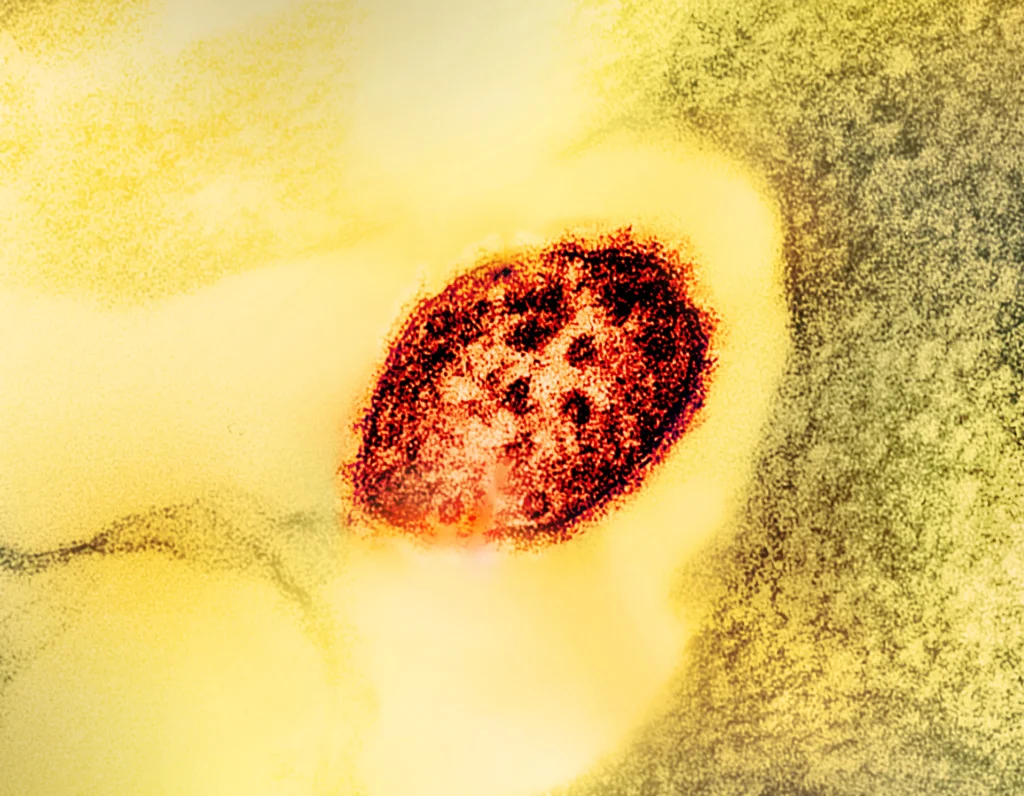
Measles is a highly contagious viral infection that spreads through the air when an infected person coughs, sneezes or breathes. The virus can remain infectious in the air or on contaminated surfaces for up to two hours.
Symptoms usually begin 7–14 days after exposure. Early signs include:
- High fever
- Persistent cough
- Runny nose
- Red and watery eyes
A characteristic skin rash usually develops several days after the initial symptoms.
Measles can cause serious complications, particularly in children under five years of age and people with weakened immune systems.
These include pneumonia, severe diarrhea, dehydration, encephalitis and blindness. Encephalitis can cause permanent brain damage and may be fatal.
Some complications can also have long-term effects on a child’s health and development. (WHO, 2026)
Two-Dose Vaccination Remains Essential for Measles Prevention
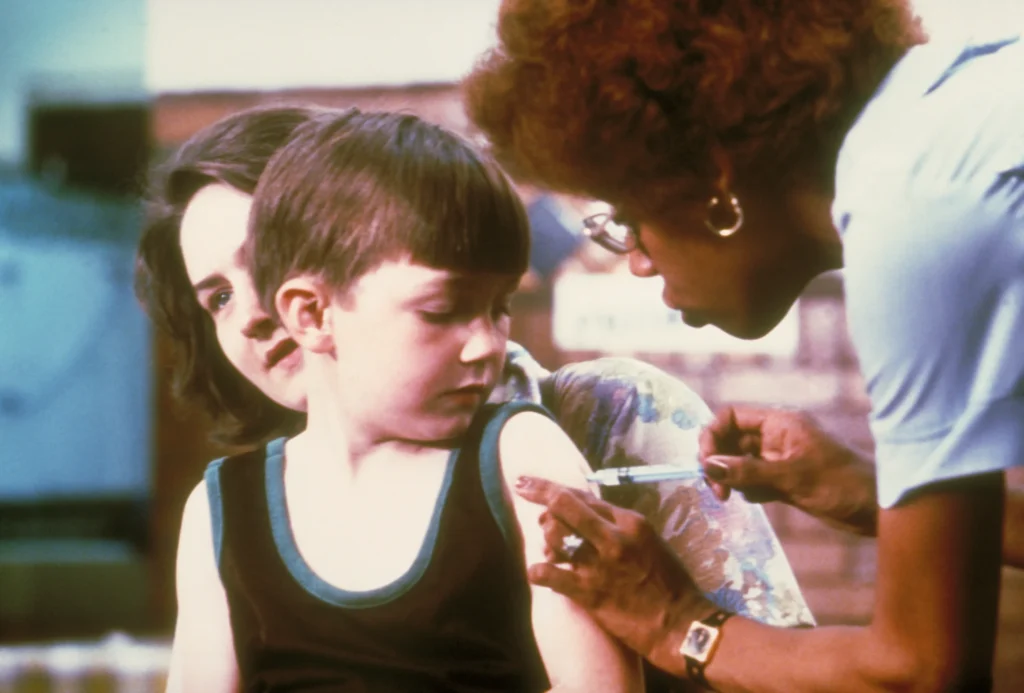
The measles vaccine remains the most effective way to prevent infection and reduce transmission. WHO recommends two doses of a measles-containing vaccine to provide stronger and more reliable protection.
The vaccine can be administered alone or as part of a combination vaccine that also protects against mumps and rubella.
Vaccination schedules vary between countries based on national immunization policies and local disease risks. Completing both recommended doses is important because some children do not develop sufficient immunity after the first dose.
The WHO also recommends strengthening routine immunization, conducting catch-up vaccination campaigns and improving disease surveillance. These measures help identify under-vaccinated populations and allow health authorities to respond quickly to outbreaks. (WHO, 2026)
Sustained Immunization Is Necessary to Protect Global Progress
By the end of 2025, 95 countries had been verified as having achieved or maintained measles elimination. However, the recent loss of elimination status in several countries shows that previous progress can be reversed.
The WHO has emphasized three priorities: maintaining consistently high vaccination coverage, strengthening disease surveillance and ensuring sustained political commitment.
The global decline in measles deaths demonstrates the success of vaccination programs. However, millions of children remain vulnerable because they have not received complete immunization.
Closing these gaps and ensuring that every child receives both recommended vaccine doses will be essential to preventing future outbreaks and protecting the progress achieved over the past two decades.