
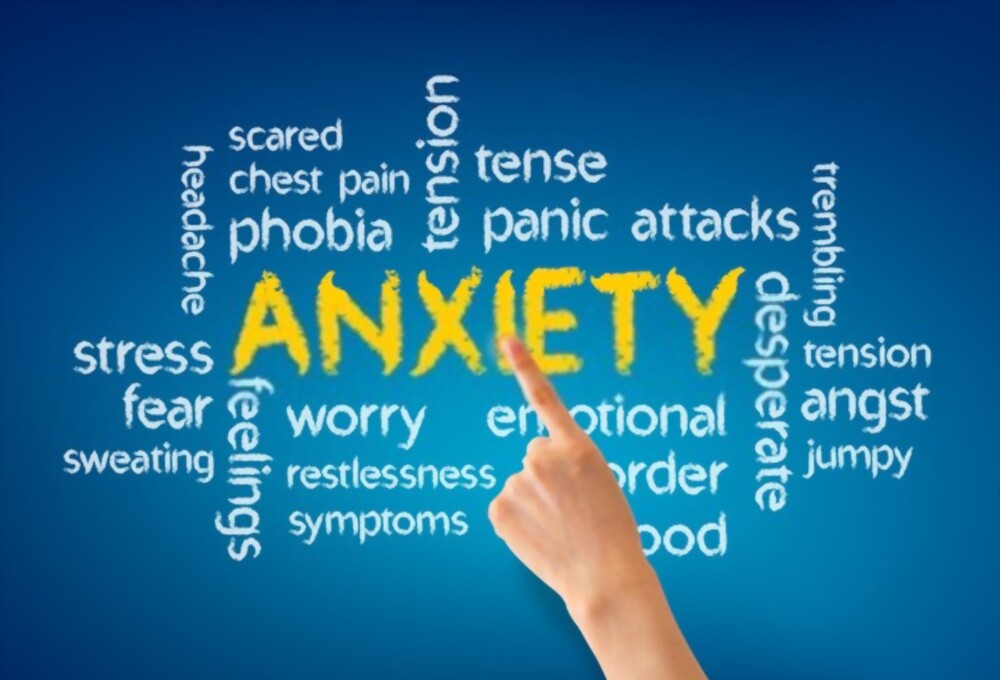

About generaised anxiety disorder (GAD)
Generalized anxiety disorder accounts for one of the most common mental disorders. Every year Up to 20% of adults are affected by anxiety disorders. Fear, worry, and a constant feeling of being overwhelmed are the usual symptoms. It is also associated with persistent, excessive, and unrealistic worries. Sometimes it can be difficult to control. It builds over time in intensity. GAD usually is associated with a specific trigger or is directed towards a circumstance. It can be mild, moderate or severe. These are disruptive in nature and can impair ones functioning of day to day lives.
Types of GAD
Primary
Secondary
GAD is of two types-
Primary and Secondary
Primary GAD- This occurs early in life and is not associated with any other diagnosis.
Secondary GAD- This develops later in life and there are other disorders associated along with it.
Statitistical facts about GAD
- GAD affects 5.1% of general population.
2. GAD is the second largest category of psychological disorders.
3.Women have a higher prevalence rate for GAD than men.
Symptoms of Anxiety
ANS symptoms
- Palpitations
- Increased heart rate
- sweating;
- shaking;
- dry mouth
- dehydration
Symptoms involving chest
- Difficulty breathing,
- chest pain or discomfort,
- nausea
- abdominal distress
Symptoms involving mental state
- Feeling dizzy,
- light-headed;
- Depersonalisation
- a feeling of losing control
- passing out;
- fear of dying
General symptoms
- Hot flushes
- cold chills;
- numbness
- muscle pains;
- restlessness and inability to relax
- difficulty in swallowing
Other non-specific symptoms
- Exaggerated response
- difficulty in concentrating
- mind “going blank”
- persistent irritability
- difficulty sleeping
Conditions that mimis generalised anxiety disorder
- Panic disorder
- phobic anxiety disorder
- hypochondrical disorder
It is important to distinguish panic attacks from anxiety
Criteria for Diagnosing GAD
- The presence of excessive anxiety and worry which occurs more often than not for at least six months.
- The worry is quite challenging to control. It may easily shift from one topic to another.
- at least three of the following physical or cognitive symptoms
- fatigue
- Impaired concentration
- Irritability
- Increased muscle aches or soreness
- Difficulty sleeping or unsatisfying sleep
- Restlessness
Causes of anxiety
GAD cannot be attributed to a singular cause.
The common causes of GAD are as follows-
- genetic predisposition,
2. brain chemistry,
3. family background,
4.social influence, and
5.life experiences.
Linking anxiety with our brain systems
The limbic system of the brain regulates basic emotional reactions. The amygdala in particular, controls automatic fear response, memory and emotion. The amygdala is an important to feel fear, hence people with GAD show elevated amygdala activity during the processing of negative emotions.
- Apart from genetic and biologic factors, complex psychological, environmental, and social factors are also responsible for development of gad
- experiences such as abuse, neglect, the death of a loved one, abandonment, divorce, or isolation, any form of childhood trauma can all be contributing factors to development pf GAD.
Dangerous and fearful experiences within relationships can also influence the development of anxiety.
Ecxess use of social media is also associated with a risk of anxiety and depression.
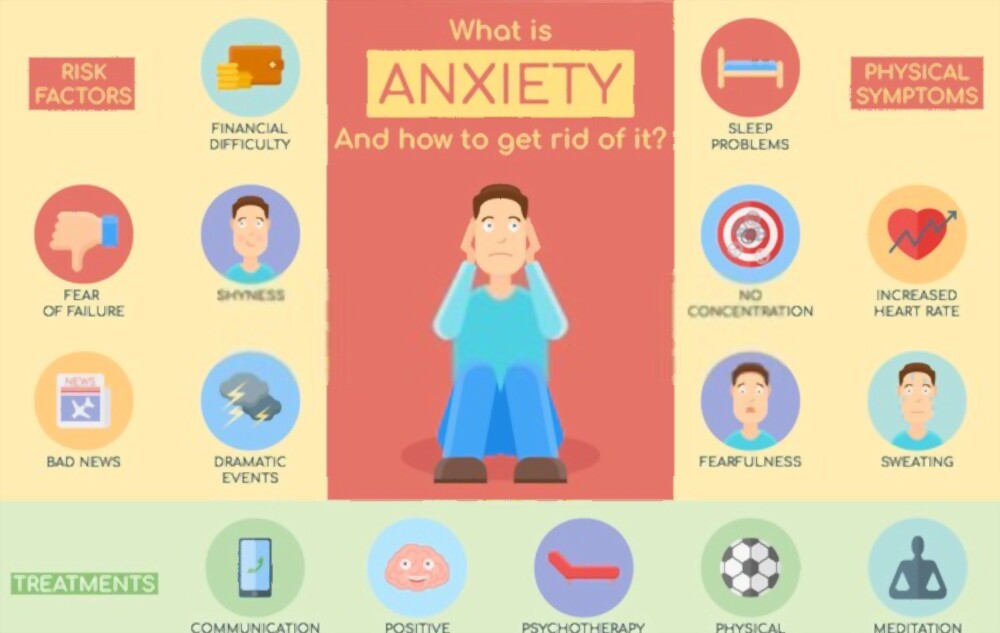
Treatment of anxiety
- Cognitive behavioural therapy
- Education:
- Ask yourself why you worry and feel anxious, and how it affects you.
- Change in thinking: identifying unhelpful thoughts and shifting these patterns and beliefs.
- Change in behaviour
- Facing your fears: learn to face and cope with those situations, rather than avoid or try to escape them.
Medication
The different types of medications used for GAD are listed below-
- selective serotonin reuptake inhibitors (SSRIs)
- serotonin and norepinephrine reuptake inhibitors (SNRIs)
- anxiolytics
- tri-cyclic antidepressant
Physical Therapy Management in anxiety
Anxiety can cause many clinical symptoms that may mimic muscle tension/ muscle aches. It is important to understand the source of these symtoms.
Techniques may include:
Patient Education: keeping a diary of their anxiety and rating it on a scale of 0-10 can be helpful for the patient. .
- Exercise: Exercise helps to reduce anxiety and improve mood. This relationship is not clearly understood; however, it helps to increase relaxation. Exercise can help anxiety by releasing “endorphins. Exercise can also increase the body temperature thus provide with calming effect to the body. Some other beenfits are increased confidence, taking the mind off worries, increased socialization, and coping in a healthy way. Aerobic exercise is best for the management of anxiety; however, any exercise can be taken up as per preference to get oneself moving.
Yoga has also been shown to be effective in reducing depression.
Examples of exercises
- Breathing – Inhalation through your nose, followed by holding it for about 3-5 seconds and slow exhalation from the mouth.
- Progressive muscle relaxation
- Meditation- meditation boosts activity on the left side of the prefrontal cortex. This area of the brain increase feelings of joy.
- music therapy
- Balanced diet
- Healthy sleep
Also read – https://vcurehealthcare.com/your-guide-to-exercise-with-high-blood-pressure/


