
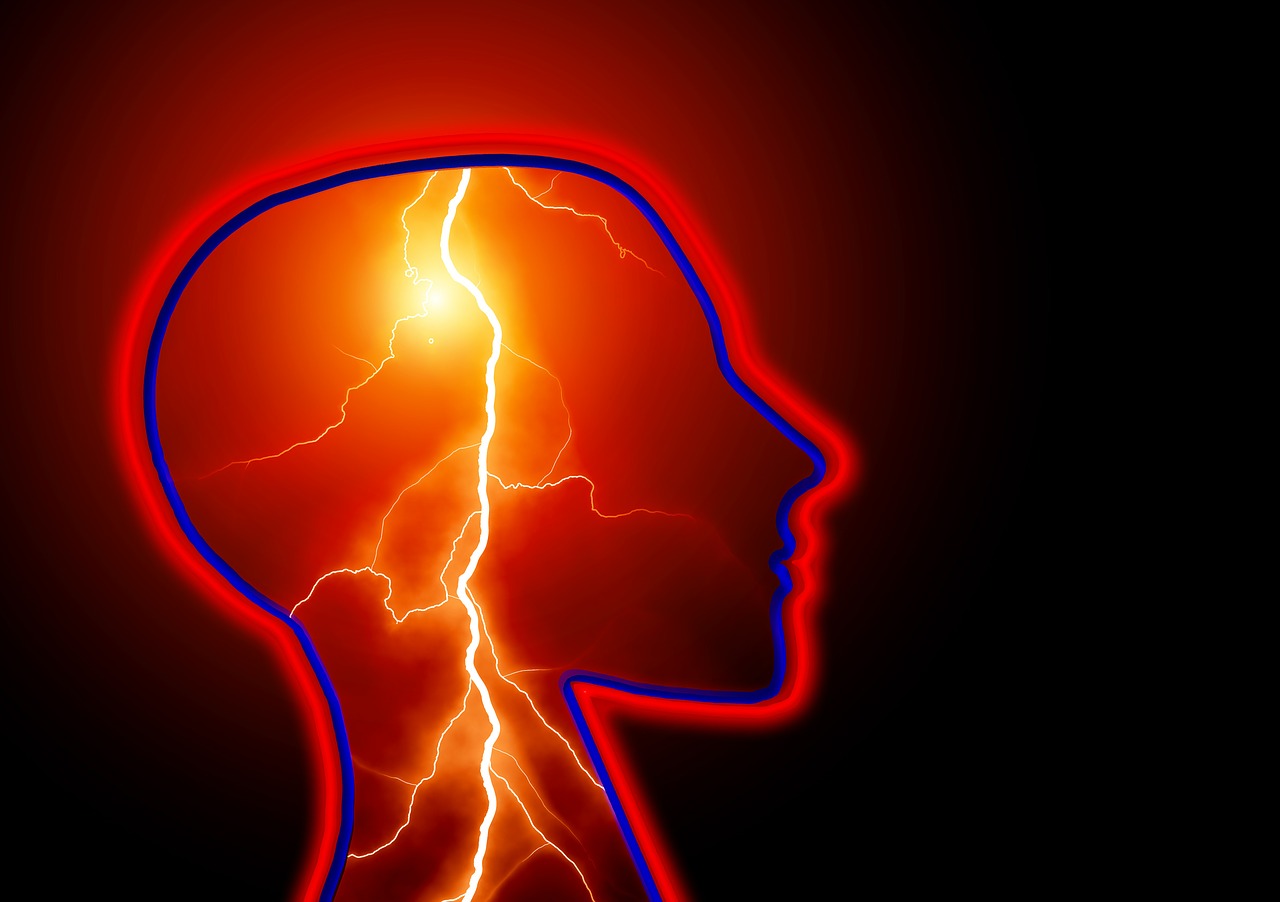

Epilepsy is a neurological disorder affecting millions worldwide, characterized by recurrent seizures caused by abnormal brain activity. Despite its prevalence, misconceptions and stigma surrounding epilepsy persist, making awareness campaigns crucial for early diagnosis and proper management.
Understanding epilepsy, its causes, symptoms, and treatment options, can help patients and caregivers manage the condition effectively. Public awareness also plays a key role in reducing discrimination and promoting better healthcare access for those affected.
What is Epilepsy and Why Does Awareness Matter?
Epilepsy is a chronic brain disorder that leads to uncontrolled electrical disturbances in the brain, resulting in seizures. It can develop at any age and varies in severity, from mild episodes to life-threatening convulsions.
Common Causes of Epilepsy
Several factors can contribute to the onset of epilepsy, including:
• Genetic predisposition – A family history of epilepsy increases the risk.
• Brain injury or trauma – Accidents, strokes, or infections can trigger seizures.
• Neurological disorders – Conditions like Alzheimer’s or brain tumors can contribute to epilepsy.
• Prenatal complications – Lack of oxygen, infections, or poor nutrition during pregnancy may lead to epilepsy in children.
Symptoms and Diagnosis
Epileptic seizures vary widely, but some common symptoms include:
• Loss of consciousness or confusion
• Uncontrollable muscle spasms
• Repetitive movements or staring spells
• Sudden emotional changes, fear, or déjà vu
Doctors diagnose epilepsy through neurological exams, EEG (electroencephalogram), brain imaging (MRI or CT scans), and blood tests to rule out other conditions.
Managing Epilepsy: Treatment and Lifestyle Adjustments
While epilepsy has no permanent cure, it can often be controlled with medication, therapy, and lifestyle modifications.
Medications for Epilepsy
Anti-epileptic drugs (AEDs) help prevent seizures by stabilizing brain activity. Some commonly prescribed medications include:
• Carbamazepine
• Valproate
• Lamotrigine
• Levetiracetam
Finding the right medication requires trial and adjustment, as each patient responds differently to treatments.
Surgical and Alternative Treatments
For severe cases where medications fail, surgical procedures may be recommended:
• Lobectomy – Removing the part of the brain responsible for seizures.
• Vagus nerve stimulation (VNS) – Implanting a device to send electrical impulses to the brain.
• Ketogenic diet – A high-fat, low-carb diet that has shown success in reducing seizures, especially in children.
Daily Life with Epilepsy
Managing epilepsy requires lifestyle adjustments, including:
• Maintaining a consistent sleep schedule to avoid triggers.
• Avoiding alcohol and recreational drugs that can worsen seizures.
• Wearing medical alert jewelry in case of emergencies.
• Educating family and friends on seizure first aid.
Breaking the Stigma: The Importance of Epilepsy Awareness
Despite being one of the most common neurological disorders, epilepsy is often misunderstood. Myths and misinformation lead to discrimination, fear, and social exclusion for many patients.
Common Myths vs. Facts
1. Myth: Epilepsy is contagious.
Fact: It is a neurological condition, not an infectious disease.
2. Myth: People with epilepsy cannot lead normal lives.
Fact: Most epilepsy patients can work, study, and participate in daily activities with proper management.
3. Myth: All seizures involve convulsions.
Fact: Some seizures are mild and may not involve physical movements at all.
Why Public Awareness is Crucial
• Encourages early diagnosis – Many people dismiss early seizure symptoms. Awareness ensures individuals seek medical help sooner.
• Reduces stigma – Educating society about epilepsy fosters understanding and acceptance.
• Improves emergency response – Proper knowledge can help bystanders assist a person having a seizure correctly.
Organizations like the World Health Organization (WHO) and the International League Against Epilepsy (ILAE) run global campaigns to educate the public, train medical professionals, and advocate for epilepsy research.
Seizure First Aid: What to Do in an Emergency
Knowing how to respond to a seizure can save lives. Here are key steps to follow:
During a Seizure
• Stay calm and reassure others around you.
• Protect the person from injury by moving sharp objects away.
• Do not restrain movements or put anything in their mouth.
• Turn the person on their side to prevent choking.
After the Seizure
• Check breathing and ensure the airway is clear.
• Let the person rest until they regain full awareness.
• Call emergency services if:
• The seizure lasts more than 5 minutes.
• The person has difficulty breathing.
• Another seizure follows immediately.
Understanding seizure first aid is essential for caregivers, teachers, and anyone who interacts with people prone to epilepsy.
Epilepsy and Mental Health: Addressing Emotional Challenges
Many epilepsy patients also face anxiety, depression, and social isolation. The fear of having seizures in public can lead to low self-esteem and avoidance behaviors.
Ways to Support Mental Well-Being
• Joining epilepsy support groups to connect with others who understand the challenges.
• Seeking therapy or counseling to manage stress and emotional health.
• Practicing relaxation techniques such as meditation and breathing exercises.
Mental health support should be an integral part of epilepsy management plans, helping individuals lead confident, fulfilling lives.
Conclusion
Epilepsy is a common but often misunderstood condition that affects millions worldwide. With proper treatment, lifestyle adjustments, and public awareness, individuals with epilepsy can lead normal and fulfilling lives.
Raising awareness about epilepsy symptoms, treatment options, and emergency response is essential in breaking stigma, improving healthcare access, and ensuring better outcomes for patients. Education and advocacy remain key to making society more inclusive for those affected by epilepsy.
Reference:
The content is based on research from medical institutions, neurology organizations, and global epilepsy awareness campaigns. Sources include World Health Organization (WHO), International League Against Epilepsy (ILAE), and leading neurologists specializing in epilepsy management.
Read About : Do Not Resuscitate (DNR): Understanding Its Meaning and Importance
Visit Us At : https://g.co/kgs/rTqAjgt


