


Neck pain is one of the most common musculoskeletal complaints globally, affecting people of all ages and lifestyles. Moreover, with increased screen time, sedentary workdays, and prolonged forward head posture, neck discomfort has become more prevalent than ever before. Simple neck pain exercises at home can help ease tension and improve posture.
Although pain severity varies, from dull stiffness to sharp discomfort, the underlying cause often relates to muscle weakness, poor posture, and limited mobility.
Fortunately, many cases of neck pain can be relieved with simple, targeted exercises you can do at home. And, while many people rely on medications or passive treatments, exercise, when done correctly, empowers your body to heal itself and prevents recurrence.
Read in detail about our Complete Guide to Neck Pain: Causes, Symptoms, Exercises and Treatment
Understanding Neck Pain: What Causes It?
Your neck, or cervical spine, contains vertebrae, muscles, nerves, and connective tissues. Its job is to support your head and allow movement in multiple directions. Yet, because it is so mobile and constantly used, it is vulnerable to strain and dysfunction.
Common triggers include:
- Prolonged poor posture (such as slouched sitting)
- Forward head position when using phones or computers
- Muscle tightness due to stress or repetitive motion
- Weakness in supporting muscles between the shoulder blades and neck
- Sudden movements or minor injuries such as “whiplash”
In fact, research shows that forward head posture significantly increases stress on cervical muscles, contributing to pain and stiffness over time. Therefore, addressing posture is key to real improvement.
What Research Says About Home Exercises for Neck Pain
Multiple studies confirm that active exercises reduce both pain and disability associated with neck pain. For example:
- A 2023 study showed specific neck exercises improved pain and functional ability in adults with chronic neck pain more effectively than passive treatments like massage alone.
- Another research trial found that strength-focused exercises targeting deep neck muscles resulted in faster pain relief and better long-term outcomes compared to general stretching.
These findings emphasize that targeted, consistent exercise is not only therapeutic but essential for long-term neck health.
Before You Begin: Safety and Preparation
Effective exercise does not mean forcing painful movements. On the contrary, gentle progression and proper technique are far more valuable. Before you start:
- Warm up with light head and shoulder movements.
- Breathe steadily, exhale as you move into a stretch.
- Do not push into sharp or intense pain; mild discomfort is okay.
- Practice in front of a mirror to improve alignment.
- If you have serious injury, neurological symptoms (numbness, tingling), or recent surgery, consult a medical professional first.
Effective Home Exercises for Neck Pain
Below is a practical routine you can perform daily, requiring no equipment. Over time, this sequence improves mobility, strengthens supporting muscles, and reduces pain.
1. Chin Tucks

This foundational exercise strengthens deep neck muscles and improves alignment.
- Sit or stand tall with shoulders relaxed.
- Gently draw your chin straight back, creating a “double chin” without tilting your head up or down.
- Hold for 5 seconds, then relax.
- Repeat 10 times.
Why it works: Chin tucks help counteract forward head posture by retraining the deep cervical stabilizers.
2. Neck Side Bends
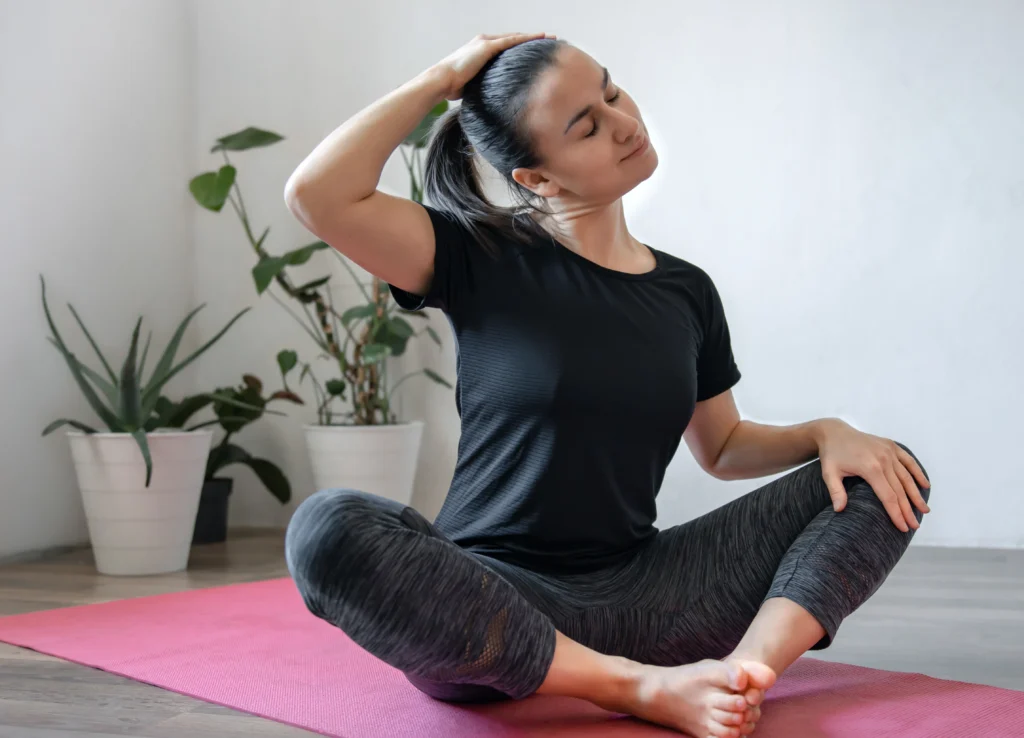
This mobilizes lateral neck muscles and releases tension.
- Lift your right ear toward your right shoulder without lifting your shoulder.
- Hold for 10-15 seconds.
- Switch sides.
- Repeat 3 times per side.
Tip: Use your hand gently to guide the movement, never force it.
3. Neck Rotations

Rotation improves flexibility and reduces stiffness.
- Slowly turn your head to the right until you feel a gentle stretch.
- Hold for 10 seconds.
- Return to center and repeat on the left side.
- Do 5 repetitions per side.
Transition tip: Move fluidly rather than holding your breath; this increases blood flow and relaxation.
4. Upper Trapezius Stretch

This targets a common area of neck tension.
- Sit tall and grasp the bottom of your chair with your left hand.
- Tilt your head to the right, using your right hand gently above the ear.
- Hold for 20–30 seconds.
- Switch sides.
Note: Keeping your shoulders relaxed ensures you stretch the right muscles.
5. Scapular Retraction (Shoulder Blade Squeezes)

Strong shoulder blade muscles support neck alignment.
- Sit or stand with your chest open.
- Gently squeeze your shoulder blades together without hiking your shoulders up.
- Hold for 5 seconds.
- Repeat 10–15 times.
Why it helps: This exercise strengthens the upper back, reducing strain on the neck.
6. Doorway Pec Stretch
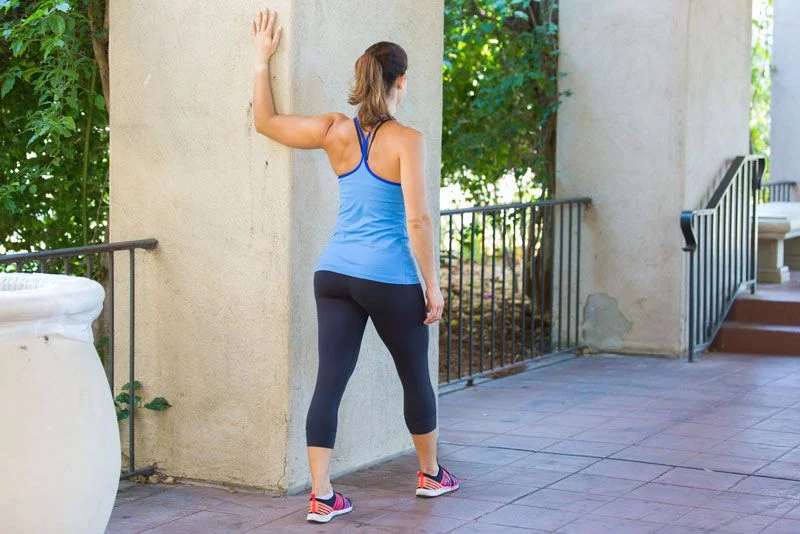
Tight chest muscles often pull the shoulders forward, contributing to neck discomfort.
- Stand in a doorway with your arms at shoulder height.
- Place your forearms on the doorway and gently lean forward.
- Hold for 20–30 seconds.
- Repeat twice.
Insight: Opening the chest immediately improves posture and reduces compensatory neck tension.
Lesser-Known Facts and Cutting-Edge Research
Not Just the Neck: Thoracic Spine Matters
Many people with neck pain can benefit from improving mobility in the upper back (thoracic spine). Restricted thoracic movement forces the neck to compensate, leading to strain.
Exercises like gentle thoracic extensions over a foam roller or rolling a towel behind your upper back can make a significant difference.
Deep Neck Flexors Are Key
Research now places greater emphasis on the deep neck flexor muscles, which are often weak in individuals with chronic neck pain.
Strengthening these muscles, rather than just stretching, provides more stable and lasting relief.
Breathing Plays a Role
It may sound surprising, but studies suggest that diaphragmatic (deep) breathing improves neck muscle function and reduces pain by decreasing overall muscular tension.
Slow, controlled breathing during exercises enhances relaxation and effectiveness.
Is Steam or Heat Helpful?
While heat and electrical stimulation can temporarily reduce pain, they are adjunctive, meaning they are not replacements for active exercise.
They can relax muscles and reduce discomfort, making exercise more tolerable.
Lifestyle Tips to Prevent Future Neck Pain
While exercise is powerful, daily habits matter just as much.
Optimize Your Workstation
- Place screens at eye level.
- Keep elbows at desk height.
- Use a supportive chair.
Practice Regular Breaks
Every 30–40 minutes:
- Stand up
- Do gentle shoulder rolls
- Look away from screens for 20 seconds
These micro-breaks decrease muscle fatigue.
Sleep Support
A pillow that properly supports your neck, not too high or too low, ensures neutral alignment and reduces morning stiffness.
Our Framework for Long-Lasting Neck Health
To ensure real progress rather than temporary relief, follow this structured approach:
Prepare
Warm up briefly with gentle motions, shoulder rolls, head turns, and slow breathing.
Mobilize
Perform mobility exercises first (e.g., rotations, side bends). This increases range of motion.
Strengthen
Follow with activation and strength work (scapular squeezes, chin tucks). This builds supportive muscle control.
Integrate
Apply posture awareness throughout daily life, at work, during chores, and when using devices.
Progress
Increase repetitions gradually as comfort improves. If new activities cause pain, reduce intensity and consult a professional if needed.
Frequently Asked Questions (FAQ)
Q1. How often should I do these exercises?
For most people, daily practice even 10-15 minutes is enough to see improvement within 1-2 weeks.
Q2. Will exercises make my neck pain worse?
Gentle movements rarely worsen pain when done correctly. However, sharp or severe pain is a signal to stop and seek professional guidance.
Q3. Should I use ice or heat?
Heat is generally helpful before exercise to relax muscles, while ice can reduce inflammation after activity. However, neither replaces active movement.
Q4. When should I see a doctor?
If pain persists longer than 3-4 weeks, is accompanied by numbness or weakness, or follows trauma, consult a healthcare professional.
Q5. Can neck exercises prevent headaches?
Yes. Tight neck muscles often contribute to tension headaches. Improving neck mobility and posture can help reduce headache frequency.
Final Advice
Neck pain does not have to control your daily life. With consistent practice, proper technique, and attention to posture, you can regain mobility, reduce discomfort, and build resilience against future pain.
Start gently, stay patient, and remember that small, regular changes lead to big improvements.
Stay tuned with us for more heath related topics.
Follow us on LinkedIn and Instagram for more.
More Read


Medical Disclaimer!
This article has been reviewed and written under the guidance of our Head Physiotherapist, Dr. Kruti Raj (PT, MUHS,CPT,CMPT). The information shared is intended for educational purposes only and should not be considered a substitute for personalized medical advice, diagnosis, or treatment.
Please consult us or any other qualified healthcare professional before beginning any exercise program, especially if you are experiencing pain, recovering from injury, or managing a medical condition.


