
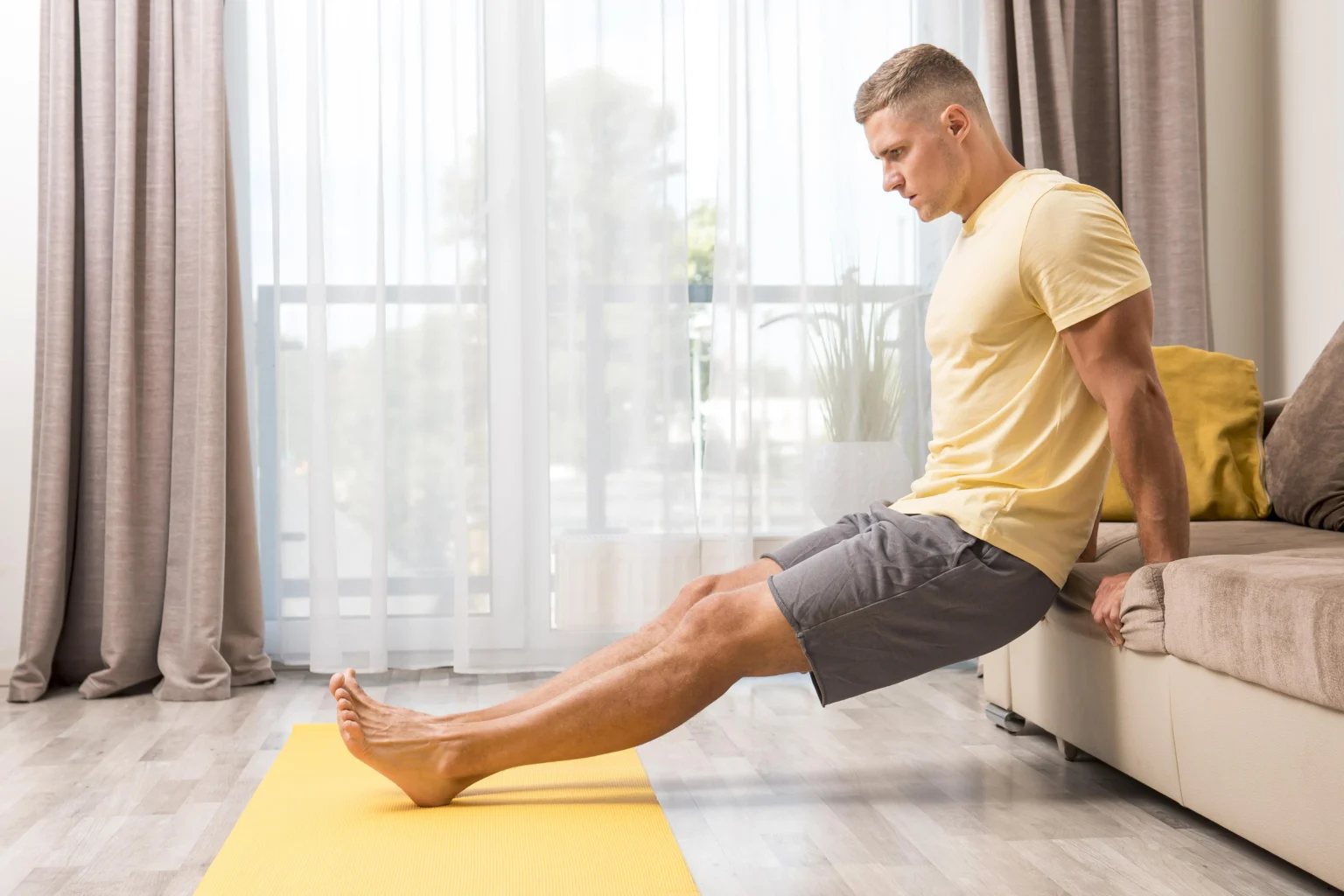

Ankle mobility plays a vital role in nearly every activity, from walking and running to squatting and jumping, yet it’s often overlooked until pain or stiffness appears. Simple ankle range of motion exercises can help maintain flexibility, improve stability, and prevent injury.
Interestingly, many people limit their ankle motion not because they have a serious condition, but because of subtle lifestyle factors like long hours of sitting, wearing non-supportive footwear, or repeating the same movement patterns over time.
Fortunately, simple, evidence-based exercises can reliably improve ankle mobility, reduce pain, and enhance overall movement quality.
Also Read: Spinal Twists for Lower Back Pain Relief- A Complete Guide
Why Ankle Range of Motion Matters
Before discussing exercises, it’s essential to understand why ankle mobility is so important.
Ankle movement is crucial for:
- Walking and running mechanics
- Balance and fall prevention
- Knee and hip function
- Squatting and climbing stairs
- Injury prevention and recovery
When the ankle is limited in motion, the body compensates. This compensation often shifts load to adjacent joints, especially the knee and hip, which can lead to pain or injury in those areas over time.
Also Read: Ultimate Guide to Home Physiotherapy for Back Pain
Common Causes of Limited Ankle Motion
There are several reasons why someone might have restricted ankle mobility:
- Scar tissue after an injury
Injuries such as ankle sprains can cause tightness and reduced mobility if not properly rehabilitated. - Muscle tightness
Particularly in the calf muscles (gastrocnemius and soleus), which connect directly to the Achilles tendon. - Joint stiffness
Age-related changes or prior inflammation can limit motion within the ankle joint itself. - Poor movement habits
Sitting for prolonged periods or wearing high heels often contributes to stiffness. - Neuromuscular inhibition
The nervous system may limit motion to protect the joint from perceived threat.
Also Read: Home Physiotherapy Exercises for Knee Pain That Actually Work
How Ankle Mobility Affects the Rest of Your Body
It’s not just about the ankle! In fact, research shows that limited ankle range of motion can lead to:
- Altered knee mechanics, increasing injury risk
- Compromised balance, particularly in older adults
- Reduced squat depth, affecting athletic performance
- Lower back stiffness, due to compensatory movement patterns
In other words, improving ankle mobility doesn’t just help your foot, it improves your whole body movement.
Also Read: How to Understand What Really Causes You Pain?
Emerging Research on Ankle Mobility
Recent studies published in sports medicine and rehabilitation journals highlight several interesting insights:
- Neuromuscular training– which combines movement patterns with mindful activation, has been shown to improve functional mobility more than stretching alone.
- Motor control strategies, like focusing on slow, deliberate movement, can help re-program the nervous system for better motion.
- Foam rolling and self-soft tissue work, when combined with mobility drills, have been shown to produce longer lasting improvements in range of motion.
These findings emphasize that improving ankle mobility isn’t just about stretching harder; it’s about intelligent movement and neuromuscular coordination.
Also Read: Ultimate Guide to Home Physiotherapy for Back Pain
How to Measure Ankle Range of Motion
Before you begin exercising, it’s helpful to know where you stand. A common and simple test is the Lunge Test:
- Stand facing a wall.
- Place one foot forward, toes a few inches from the wall.
- Bend your knee toward the wall without lifting the heel.
- If your knee can reach the wall without the heel lifting, your mobility is good.
- If the heel comes up early, you likely have limited dorsiflexion (upward ankle motion).
Tracking improvements over time motivates consistency.
Also Read: Knee-to-Chest Stretch for Bach Pain Relief and Spinal Flexibility- A Complete Guide
Warm Up: Preparation Before Mobility Work
Always begin with a warm-up to increase blood flow and prepare tissues for movement.
- Ankle circles: 10 each direction for both feet
- Toe touches with heel lifts: 15 reps
- Marching in place, lifting the knee high: 1–2 minutes
These simple warm-ups will prepare the joint for deeper mobility work.
Also Read: 15 Minute Full-Body Stretch To Relieve Your Stress- Proven Ways
Best Simple Moves To Improve Ankle Rane of Motion
Below are the most effective, easy-to-perform exercises you can do at home.
1. Calf Stretch Against Wall

Why it works: Tight calves limit ankle dorsiflexion, which affects walking and balance.
How to do it:
- Stand facing a wall.
- Place one foot back with heel down.
- Lean forward, bending the front knee.
- Hold 30 seconds → repeat 2–3 times each side.
Tip: Keep the back leg straight for the gastrocnemius muscle and slightly bent for the soleus.
2. Ankle Alphabet
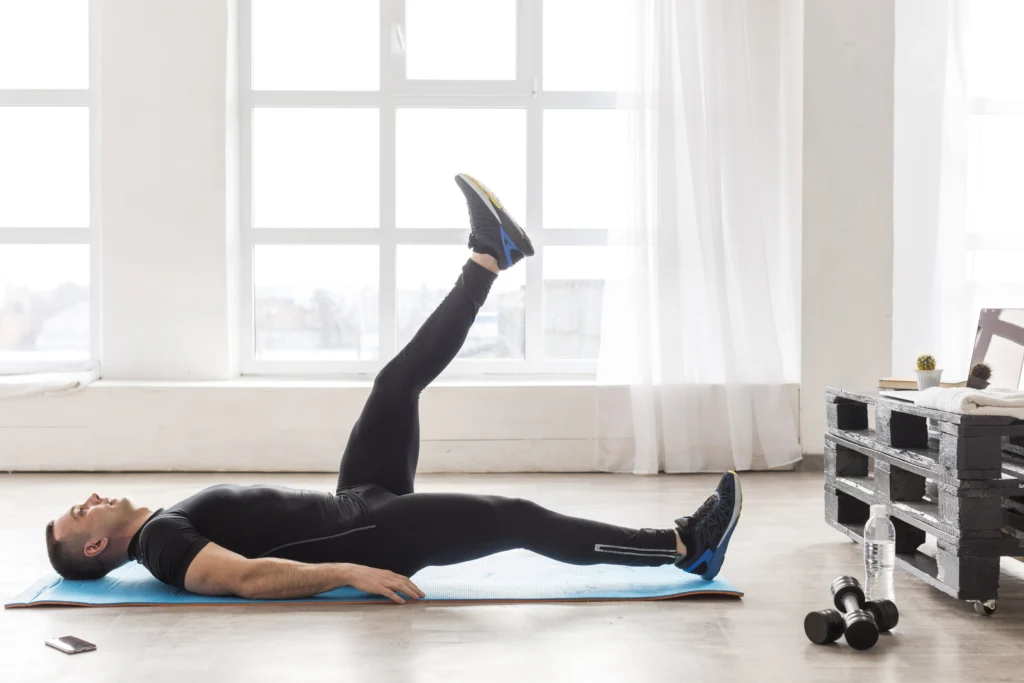
Why it works: Promotes full, controlled range of motion in all directions.
How to do it:
- Sit with legs extended.
- Trace the alphabet in the air using your big toe.
- Perform for 2–3 minutes per ankle.
This exercise is often underutilized but powerful for motor control and mobility.
3. Knee-to-Wall Drill

Why it works: Targets dorsiflexion specifically, a common restriction.
How to do it:
- Stand facing a wall.
- Place one foot back and one forward.
- Bend the forward knee to touch the wall without lifting the heel.
- Perform 10 reps → 2–3 sets on each side.
This is the same test mentioned earlier, but now performed as a drill to improve mobility.
4. Band-Assisted Ankle Mobilization
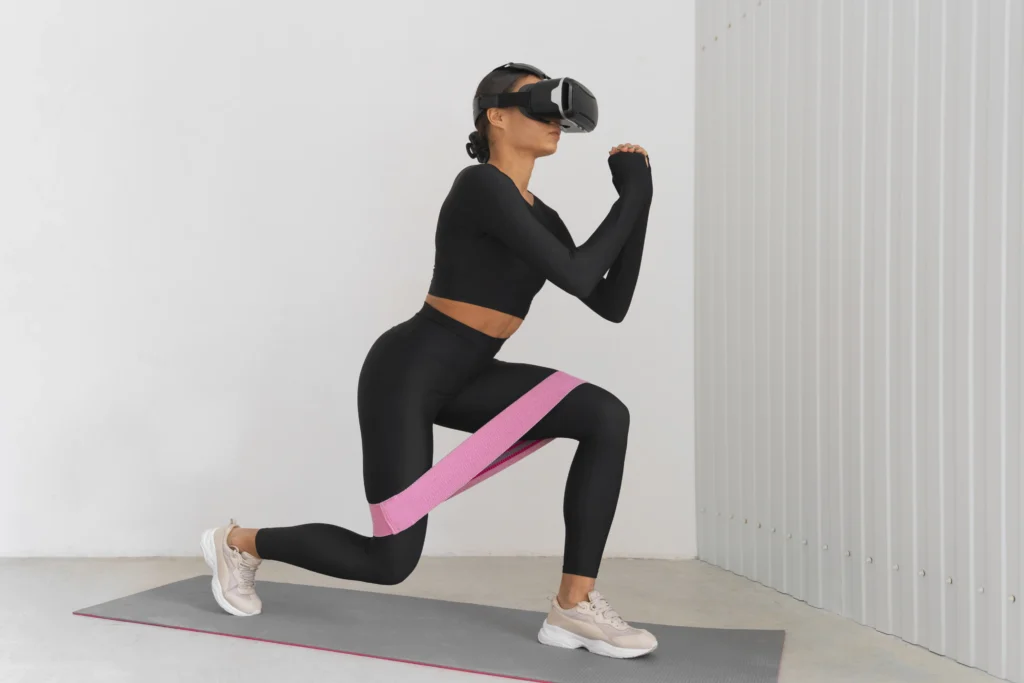
Why it works: The band provides dynamic support while gently “nudging” the joint into improved position.
How to do it:
- Loop a resistance band around a sturdy anchor.
- Position band just below the ankle bone.
- Step forward and bend the knee toward the wall.
- Perform 10–12 reps → 2–3 sets.
This technique is gaining attention in clinical rehabilitation for its effectiveness.
5. Standing Rock-Back Stretch
Why it works: Increases ankle dorsiflexion and calf flexibility simultaneously.
How to do it:
- Stand with feet hip-width apart.
- Shift your weight backward without lifting toes.
- Hold 20–30 seconds.
- Repeat 3 times.
6. Heel Raises and Lowers
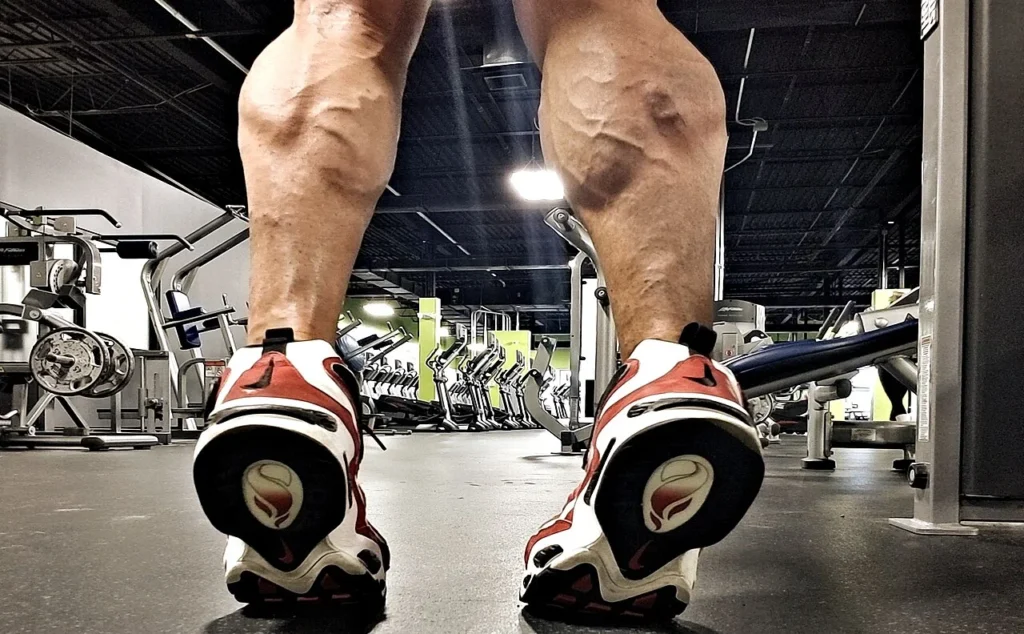
Why it works: Strengthens the muscles surrounding the ankle for better control.
How to do it:
- Stand tall, holding a chair for balance.
- Rise onto toes.
- Slowly lower back down- lower than the starting point if possible.
- Perform 15–20 reps × 2–3 sets.
7. Foam Rolling the Calves and Achilles
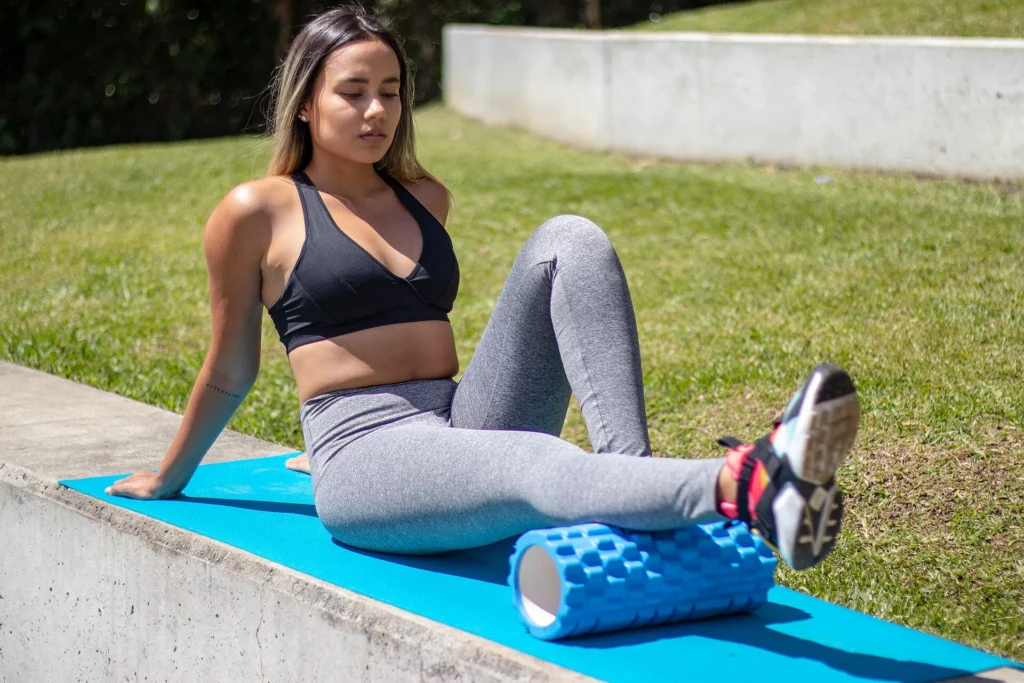
Why it works: Self-soft tissue work reduces stiffness and enhances the effectiveness of mobility drills.
How to do it:
- Place a foam roller under your calf.
- Roll from the knee to just above the ankle.
- Spend extra time on tender spots.
- 1–2 minutes per calf.
Also Read: 10 Best Daily Stretches for Back Pain Relief at Home
Daily Ankle Mobility Routine: Step by Step
Here’s a simple daily plan that takes about 15-20 minutes:
- Warm-up- 3 minutes
- Ankle Alphabet- 2 minutes each side
- Calf Stretch- 2×30 seconds each side
- Knee-to-Wall- 2×10 reps each side
- Band Mobilizations- 2×12 reps each side
- Heel Raises- 2×15 reps
- Cool down with relaxed breathing
Doing this consistently yields noticeable gains within 2-3 weeks.
Also read: 10 Minute Gentle Shoulder Mobility Routine at Home for Stiff and Painful Shoulders
Lesser-Known Insights Around Ankle Mobility
Weighted Rest Doesn’t Always Help
Contrary to popular belief, simply spending more time in a weighted squat or plank doesn’t necessarily improve ankle mobility unless the joint is actively mobilized.
Neuromuscular Control Matters
Recent research emphasizes that how you move is just as important as how much you move. Slow, controlled movements help the nervous system relearn proper patterns, whereas fast, uncontrolled motion may reinforce dysfunction.
Balance and Proprioception Go Hand-in-Hand
Improving ankle mobility often leads to better balance because proprioceptive feedback from the joint improves with movement. Studies show that balance training and mobility drills together reduce fall risk in older adults.
Also read: Child’s Pose Exercise for Back Pain Relief- A Complete Guide
Common Mistakes to Avoid
- Stretching cold without a proper warm-up
- Forcing the joint into uncomfortable positions
- Skipping strength components
- Ignoring posture and overall movement patterns
Also read: Bridge Exercise for Back Pain and Strengthening: A Complete Evidence-Based Guide
Frequently Asked Questions (FAQs)
1. Why is ankle range of motion important?
Ankle range of motion is important for normal walking, running, balance, and overall mobility. Limited ankle mobility can increase the risk of injuries and may lead to knee, hip, or lower back problems.
2. What causes limited ankle mobility?
Limited ankle mobility can be caused by previous ankle injuries, prolonged immobilization, tight calf muscles, joint stiffness, or lack of regular movement and stretching.
3. Can ankle mobility exercises be done at home?
Yes. Many effective ankle mobility exercises such as ankle circles, calf stretches, heel raises, and dorsiflexion stretches can easily be performed at home without special equipment.
4. How often should I do ankle mobility exercises?
Most ankle mobility exercises can be performed daily. Practicing them for 5 to 10 minutes a day can gradually improve flexibility and joint movement.
5. How long does it take to improve ankle flexibility?
With consistent practice, improvements in ankle flexibility and range of motion can often be noticed within a few weeks.
6. Can poor ankle mobility affect other joints?
Yes. Limited ankle movement can place extra stress on the knees, hips, and lower back, which may lead to pain or movement compensations.
7. When should someone seek medical advice for ankle stiffness?
If ankle stiffness is severe, persists for several weeks, or is accompanied by swelling, pain, or difficulty walking, it is advisable to consult a healthcare professional.
Also read: Wall Slides for Knee Joint Strength- A Complete Guide
Clinical Insight
From a clinical standpoint, limited ankle motion rarely stems from one isolated issue. Instead, it reflects a combination of soft tissue tightness, joint stiffness, and neuromuscular patterns that haven’t been trained properly over time.
The best way to improve mobility is through smart movement, consistent practice, and addressing not just the joint itself, but the surrounding musculature and nervous system.
Physio Prescription
- Weeks 1–2: Daily foundational mobility drills
- Weeks 3–4: Add resistance and balance challenges
- Weeks 5–6: Integrate functional movements like step-downs and squats with improved ankle motion
Aim for 15–20 minutes daily. Move with intention, not force.
Red Flags- When to Seek Professional Help
If you experience:
- Sharp, intense pain
- Significant swelling or bruising
- Numbness, tingling, or weakness
- Pain limiting daily activities
- Duration over 6 weeks despite home care
Then consult a physiotherapist or physician.
Also read: Ankle Pumps for Joint Mobility and Circulation- A Complete Pain Relief Guide
Common Myth
Myth: “Ankle mobility is fixed and can’t be improved.”
Fact: With consistent, targeted movement, significant improvements in ankle range of motion are possible at any age.
Final Word
Ankle mobility is a foundation of healthy movement. Whether you’re an athlete, a desk worker, or just someone who wants pain-free walking and active living, improving ankle motion is essential.
By combining smart mobility exercises, strength training, and consistency, you can move more freely, prevent injury, and improve overall function.
Stay tuned with us for more health related topics.
Follow us on LinkedIn and Instagram for more.
More Read


Medical Disclaimer!
This article has been reviewed and written under the guidance of our Head Physiotherapist, Dr. Kruti Raj (PT, MUHS,CPT,CMPT). The information shared is intended for educational purposes only and should not be considered a substitute for personalized medical advice, diagnosis, or treatment.
Please consult us or any other qualified healthcare professional before beginning any exercise program, especially if you are experiencing pain, recovering from injury, or managing a medical condition.


