


Neck pain is a very common complaint among women. In fact, studies consistently show that women report neck pain more often than men. Hormonal, ergonomic, and psychosocial factors all contribute. (ncbi)
As a physiotherapist, I’ve seen how targeted exercise and lifestyle changes can transform neck pain. (pmc)
In this article, we’ll explore why neck pain is so prevalent in women, evidence-based exercises and interventions, and some lesser-known tips for relief.
All advice here is grounded in recent research and clinical guidelines, so you can trust it.
Get our Complete Guide to Neck Pain: Causes, Symptoms, Exercises and Treatment here!
Why Women Get Neck Pain More Often
Research estimates that annual neck pain prevalence is 30–50% in adults, and it is consistently higher in women.
In Finland, chronic neck pain affects about 7% of women versus 5% of men. On average, women experience more frequent and intense neck pain than men. (ncbi)
Several reasons explain this difference:
Anatomy and Hormones
Women tend to have smaller neck muscles and joint surfaces, which might make the neck more vulnerable to strain.
Fluctuations in estrogen may affect ligament laxity and pain sensitivity.
However, one study found that menstrual cycle phases did not significantly change neck pain severity in women with chronic neck issues, suggesting hormones have only a minor effect on an already painful condition. (ncbi)
Posture and Ergonomics
Women often work in sedentary jobs or spend hours on smartphones and laptops. “Text neck” from looking down at screens is a modern culprit.
Poor workstation ergonomics and hunched posture place excessive strain on the cervical spine.
Learn how posture affects neck pain and correction exercises in our article on Simple Posture Correction Exercises for Forward Head Posture
Psychosocial Stress
Women frequently juggle multiple roles (work, home, caregiving), leading to higher stress levels. Chronic stress is a known risk factor for neck pain. (ncbi)
Studies note that women report more stress, anxiety, and life demands, all of which can increase muscular tension in the neck and shoulders.
Repetitive Strain and Lifestyle
Tasks like caring for children (e.g., holding babies, looking down) or household chores can overload neck muscles. Even factors like sleep quality and workplace support influence neck pain risk.
The global review by Shafei et al. highlights long-term stress, anxiety, and lack of support as key risk factors for neck pain. (ncbi)
Health Conditions
Certain conditions more common in women (e.g. migraines, fibromyalgia, rheumatoid arthritis) can involve neck pain.
For example, osteoporosis and arthritis (though more common in post-menopausal women) can cause neck discomfort or limit movement.
In short, neck pain in women is multifactorial. It peaks during the 18–45 age range and then plateaus. (ncbi)
As a physiotherapist, I tell patients: “Your neck pain is real, and it often relates to both physical and emotional stressors. But there are many effective treatments!”
Read about : 15 Common Causes of Neck Pain You Should Know
Identifying Serious Causes (“Red Flags”)
Although most neck pain in women is musculoskeletal and treatable, we must rule out serious issues.
If you have neck pain with fever, unexplained weight loss, severe headache, or if you twist/open your neck and suddenly feel electrical shocks or leg weakness, seek immediate medical care.
These could indicate spinal cord compression or infection, which require urgent evaluation.
In routine assessment, we screen for “red flags” like:
- Neurological signs (numbness/weakness in arms or legs)
- Inflammatory conditions (e.g. rheumatoid arthritis)
- History of cancer or trauma
- Severe, constant pain unrelieved by position change
When none of these is present, physiotherapy and exercise are usually safe and helpful.
Read about: Effective Neck Pain Exercises At Home: A Complete Guide to Relief and Improved Mobility
What to Expect at a Physiotherapy Evaluation
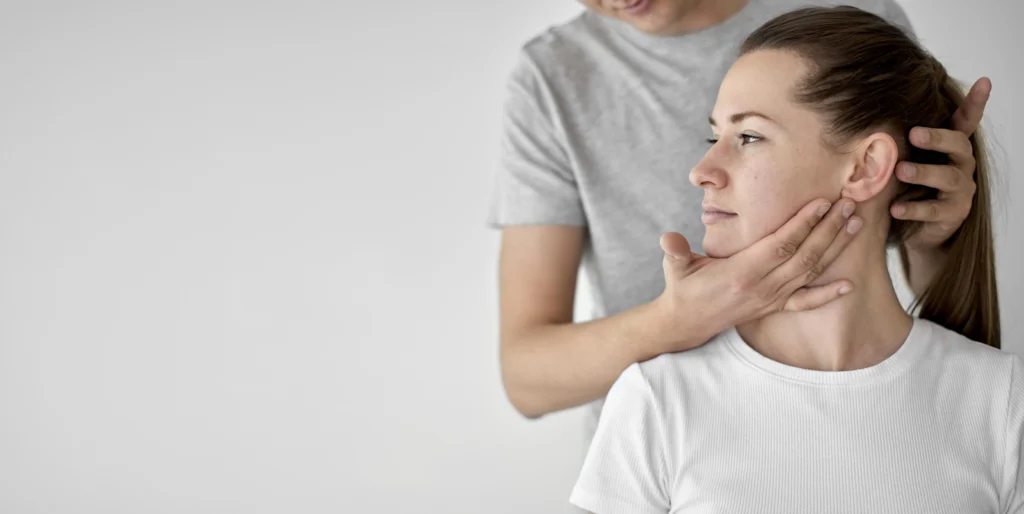
If you see a physio, expect a thorough assessment of your neck and posture. We’ll look at:
- Neck range of motion (flexion/extension, rotation, side-bending).
- Muscle strength/endurance of neck and shoulder muscles.
- Posture (forward head position, shoulder height).
- Movement control tests (e.g. cranio-cervical flexion test).
- Possible balance or vestibular screening (since neck pain can cause dizziness).
We’ll also discuss your lifestyle: work habits, stress, sleep habits, and daily activities. For women, issues like pregnancy or menopause may be relevant.
Some women find that pregnancy makes neck pain worse due to shifts in body mechanics and hormone-related ligament laxity (this is often overlooked but real).
Once we understand your situation, we create an individualized plan. This will involve active treatments you do yourself, rather than just passive therapies.
Also read: How to Relieve Neck Tightness Without Equipment
Evidence-Based Physiotherapy Treatments
Clinical trials and systematic reviews consistently show that active exercise is the cornerstone of neck pain treatment. (Jamanetwork)
Passive treatments (like massage alone) may feel good temporarily, but exercise programs produce the most lasting benefit. (Jamanetwork)
Strength & Endurance Training
A landmark JAMA trial specifically in women found that both isometric strength training and endurance training reduced neck pain and disability significantly.
In other words, building strong neck muscles works. In that study, women who did neck-strengthening exercises twice a week for 12 months had much better pain and function than those who only did stretching.
Importantly, benefits were seen with training “as infrequently as twice a week”, so even a modest program helps. (Jamanetwork)
Practical tip: Work on your deep neck flexors and extensors.
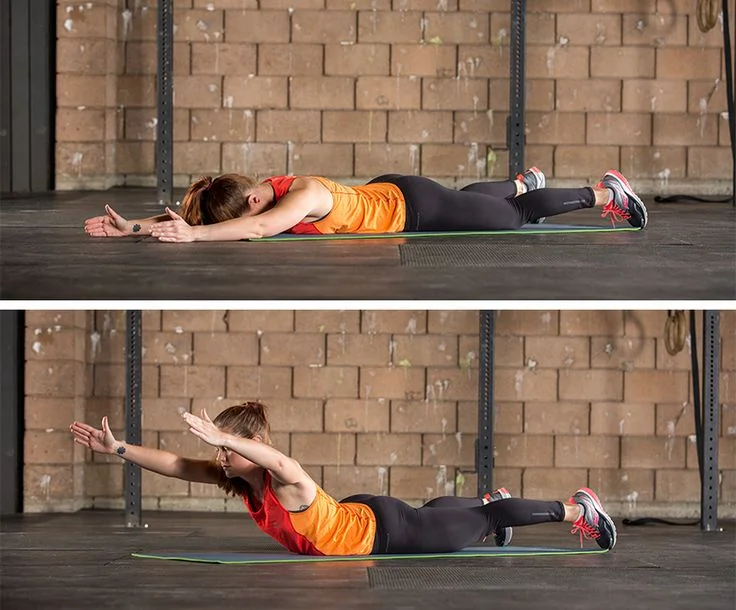
For example, practice gentle chin tucks (to activate deep neck flexors) and prone neck lifts (for extensors).
Use light resistance (like pushing the head against your hand) to gain strength.
Also strengthen your shoulder blade muscles (scapular stabilizers), because neck and shoulder work as a unit.
Endurance and Posture Exercises
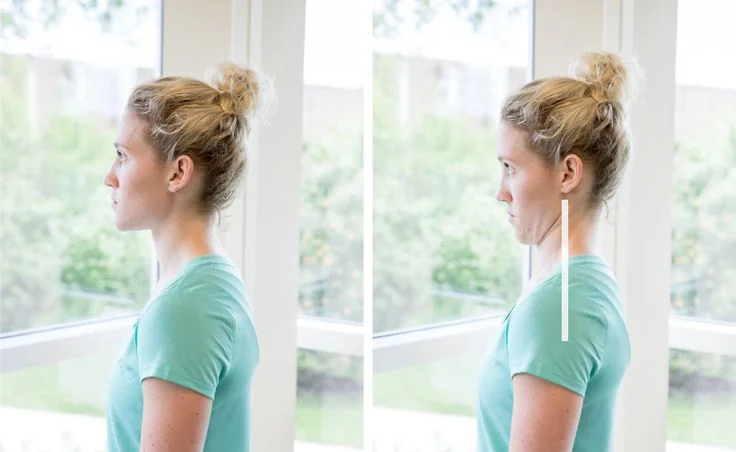
Endurance training (longer holds) also works well. For instance, holding chin tucks or scapular retraction for 10–15 seconds at a time builds endurance of postural muscles.
Learn How to do Chin Tucks for Neck Pain Relief and Posture Correction
Pilates and stability exercises can improve neck support and posture. A recent systematic review found Pilates significantly reduces chronic neck pain and disability.
It seems that core and spine-stabilizing exercises, done correctly, help maintain good alignment and reduce strain on the neck. (PMC)
Exercises
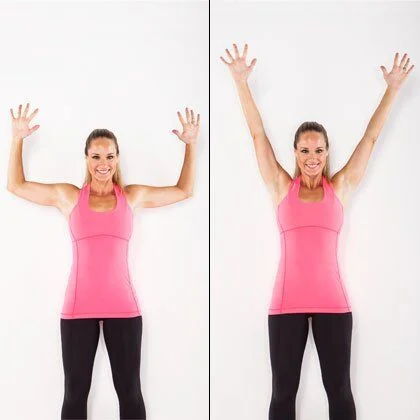
Try gentle repetitions of neck flexion/extension/rotation without resistance to build endurance.
Also, include postural education– for example, practicing “wall angels” for shoulder posture and using ergonomic chairs/standing desks.
Set hourly alarms to check your posture: roll your shoulders back, lengthen your spine, and relax your neck.
Mobility and Stretching

Maintaining mobility is crucial. Tightness in the neck and shoulders often coexists with pain. Stretching the upper trapezius, levator scapulae, and chest muscles can relieve tension.
For example, side-bending stretches (ear to shoulder) and gentle neck rotations help.
One study noted that neck-range-of-motion (ROM) improved with training, especially rotation and flexion-extension, after exercise programs. So include controlled neck rotations and tilts within comfort limits. (JN)
Ergonomic Corrections and Lifestyle
Simple daily changes can make a big difference. Use a supportive pillow (not too thick) for sleep, and avoid long phone/staring down.
Place screens at eye level. Practice “chin tuck” posture while working. A physiotherapist can give ergonomic advice tailored to your work and home setup.
Learn About: The Ultimate Neck Stretch Routine for Desk Workers in 2026
Telerehabilitation and Adherence
A recent pilot trial found that a 6-week telerehab exercise program was as effective as a conventional home exercise program for women with chronic neck pain.
Both groups saw significant improvements in pain, disability, range of motion, and muscle endurance. Notably, telerehab improved exercise adherence (women stuck to the program better).
This means app-based or video-guided exercises can help keep you on track. (NCBI) 9
Tip: Ask your physio about home exercise apps or video sessions. Consistency matters most; even simple daily routines will help if you actually do them.
Manual Therapy and Other Modalities
While exercise is primary, hands-on techniques can complement your program.
Physiotherapists often use gentle joint mobilizations or soft-tissue massage to decrease acute stiffness and pain. For example, gentle cervical spine mobilizations can help restore joint glide. (Jamanetwork)
However, evidence suggests mobilization alone is less effective than adding exercise.
Some clinics offer advanced modalities:
- Cervical traction/decompression: A controlled stretching of the spine can temporarily relieve nerve impingement. Many women find short-term relief after traction sessions.
- Dry needling/laser therapy: These can reduce muscle spasm and inflammation, though the long-term benefit is unclear.
- Neurodynamic exercises: If you have arm symptoms, nerve gliding exercises (like median nerve glides) may be prescribed.
Always discuss with your therapist whether these are appropriate. If you have osteoporosis (common in postmenopausal women), avoid aggressive neck stretches or manipulations to prevent injury.
Lesser-Known Facts and Considerations
Below are some less obvious points that might surprise you:
Migraines and Neck Pain
Many women with chronic headaches also have neck pain. In fact, cervicogenic headaches (neck-originating headaches) occur when neck muscle/joint issues refer pain to the head.
If your headache is triggered by neck movement, specialized exercises and mobilizations for the upper cervical spine can help.
Eyewear and Neck Posture
Constantly looking through bifocals or down with progressive lenses can tilt your neck.
If you notice neck pain when using certain glasses, consider ergonomic lens options or raising the monitor.
Stress Relief Helps
High-stress women often get “knots” in neck muscles. Simple relaxation techniques (deep breathing, yoga, mindfulness) can break the pain-stress cycle.
Nutrition Matters
Low vitamin D or calcium (common in women) can indirectly affect muscle and bone health. While not a direct neck pain treatment, maintaining good bone health supports overall spine health.
Exercise Intensity
Surprisingly, you don’t need intense workouts. Even gentle exercise twice weekly was shown to help long-term. Overdoing it can flare pain, so progress gradually. (Jamanetwork)
Menstrual Cycle
Unlike some expectations, research shows that in women with existing chronic neck pain, menstrual cycle hormones do not significantly change pain or sensitivity. (ncbi)
In short, you don’t need to pause therapy just because of your period.
Sample Exercise Program
Here’s an example daily routine (always adjust to your tolerance and guidance from your therapist):
Morning: 5–10 min gentle neck range-of-motion (side bends, rotations, chin tucks).
Throughout Day: Take frequent posture breaks (every 30–60 min). Roll your shoulders and do a quick chin tuck at your desk.
Evening Strengthening (3×/week):
Deep neck flexor hold: Lying on back, gently nod (“yes”) hold 5–10 sec (10 reps).
Prone neck extension: Lie face down and lift head slightly, hold 5 sec (8–10 reps).
Scapular squeezes: Sit/stand and pinch shoulder blades back and down, hold 5 sec (15 reps).
Stretching (daily): Upper trapezius stretch (ear to shoulder), levator scapulae stretch, chest stretch against a wall (20–30 sec hold each).
Perform exercises slowly and pain-free. If a movement increases tingling or numbness down the arm, stop and consult your therapist.
Read in detail: Physiotherapy for Cervical Disc Degeneration: What Actually Works
Contraindications and Safety
As a rule, avoid aggressive maneuvers in the acute phase. Do not do:
- High-impact activities (e.g. contact sports, tumbling) until cleared.
- Heavy overhead lifting or exercises that push your head into extended positions (like weighted shoulder presses) if they hurt your neck.
- Excessive neck rotation or jerking motions.
- Sleeping on your stomach (it forces neck rotation); back or side sleeping with a supportive pillow is safer.
If you have other conditions like rheumatoid arthritis or significant osteoporosis, inform your therapist. We will tailor or skip certain techniques to protect the neck.
Read about: The Best Physiotherapy Exercises for Cervical Spondylosis Relief
When to Seek Help
If self-management fails, or if your pain is severe or persistent, see a physiotherapist or doctor. Effective physiotherapy care can drastically reduce pain and improve function.
As studies show, even a few supervised sessions and home exercises can yield lasting benefits. (Jamanetwork), (NCBI)
Don’t let “just deal with it” be your motto, neck pain in women is treatable.
Frequently Asked Questions
1. Can exercise really help neck pain in women?
Yes. Targeted neck and shoulder exercises such as chin tucks, scapular strengthening, and stretching can significantly reduce neck pain and improve mobility. Consistent physiotherapy exercises help strengthen supporting muscles and reduce strain on the cervical spine.
2. Why is neck pain more common in women?
Neck pain occurs more frequently in women due to hormonal changes, smaller cervical joint structures, and lifestyle factors like prolonged screen time, multitasking, and stress. Poor posture and muscle fatigue can also contribute.
3. Which activities should be avoided during neck pain?
Avoid sudden neck movements, heavy overhead lifting, and exercises that cause sharp pain or tingling in the arms. Sleeping with very high or very flat pillows can also worsen neck strain.
4. How often should neck physiotherapy exercises be performed?
Gentle neck exercises can be performed daily for best results. Even short routines lasting 5 to 10 minutes can help improve neck strength and reduce pain when done consistently.
5. When should I see a physiotherapist for neck pain?
If neck pain lasts longer than a few weeks, becomes severe, or causes symptoms like headaches, numbness, or arm pain, consulting a physiotherapist is recommended for proper diagnosis and treatment.
Conclusion
Neck pain in women is a multifaceted issue, but physiotherapy offers many solutions. The key is an active, tailored exercise program combined with ergonomic and lifestyle changes.
Strength training, posture exercises, and patient education are proven to relieve symptoms and prevent recurrence. (Jamanetwork)
Remember: your neck muscles can get stronger, and simple habits can change. With consistency and the right guidance, most women will see significant improvement.
Trust in the process, and don’t hesitate to ask a physio for help, they’re the neck-pain experts!
Sources: Recent studies and reviews support these recommendations.
For example, randomized trials in women with chronic neck pain show strength and endurance exercises markedly reduce pain and disability.
Guidelines and systematic reviews emphasize active therapy and patient education. Always consult reliable references or your physiotherapist for more details on specific exercises and progressions.
Stay tuned with us for more health related topics.
Follow us on LinkedIn and Instagram for more.
More Read


Medical Disclaimer!
This article has been reviewed and written under the guidance of our Head Physiotherapist, Dr. Kruti Raj (PT, MUHS,CPT,CMPT). The information shared is intended for educational purposes only and should not be considered a substitute for personalized medical advice, diagnosis, or treatment.
Please consult us or any other qualified healthcare professional before beginning any exercise program, especially if you are experiencing pain, recovering from injury, or managing a medical condition.


