


Hypnic headache is a rare condition where a headache that wakes you up at night occurs only during sleep, often at the same time every night like an internal alarm clock.
Unlike other headaches, this one has a strict sleep-only pattern, making it clinically unique and often misdiagnosed.
Research shows that hypnic headache accounts for less than 1% of all headache disorders, making it one of the rarest primary headaches (NCBI).
What makes it even more interesting (and challenging for clinicians) is that:
- It does not occur during the day
- It repeats in a circadian rhythm pattern
- It commonly affects older adults, especially after 50 years (Sage Journals)
Quick Answer
Hypnic headache is a rare type of headache that occurs only during sleep and wakes you up, often at the same time every night. It is linked to sleep cycle disturbances and is commonly treated with caffeine, medications, and physiotherapy-based sleep and posture correction.
Key Takeaways
- Hypnic headache occurs only during sleep and wakes you up
- It is rare and mostly affects people over 50
- Linked to circadian rhythm and hypothalamus dysfunction
- Caffeine, lithium, and indomethacin are effective treatments
- Physiotherapy can reduce symptoms through posture and neck care
Why Does Hypnic Headache Happen Only During Sleep?
This is where it becomes clinically intriguing.
Hypnic headache is strongly linked to dysfunction in the brain’s sleep-wake regulation system, particularly the hypothalamus.
Key Mechanism: Circadian Rhythm Disruption
Studies suggest that:
- The hypothalamus regulates sleep cycles and pain modulation
- Age-related degeneration in this region may trigger nocturnal headaches
- The attacks often occur during REM sleep phases
Research indicates a strong association between hypnic headache and circadian rhythm abnormalities (Verywell Health).
Lesser-Known Physiotherapy Insight
From a physiotherapy perspective:
- Poor sleep posture
- Cervical stiffness
- Reduced blood flow due to prolonged static positioning
can amplify nocturnal pain perception, even if they are not the root cause.
Clinical Features: How Hypnic Headache Feels
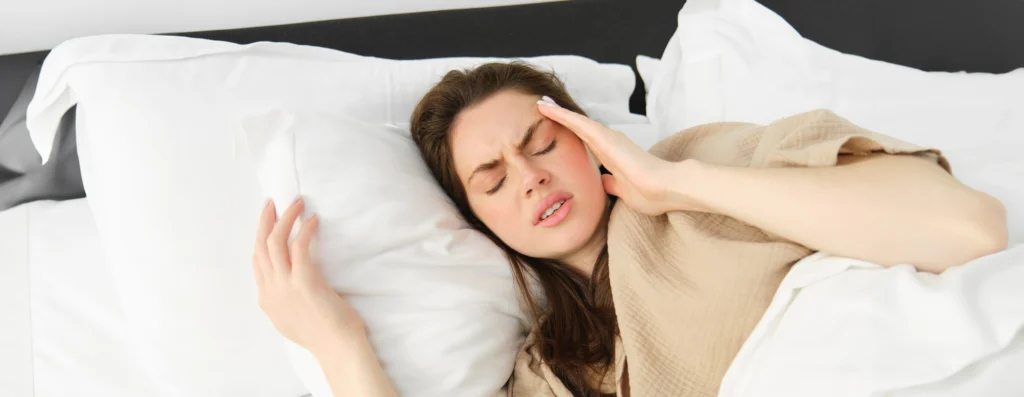
Understanding the symptom pattern is crucial for diagnosis.
Typical Characteristics
- Occurs only during sleep
- Wakes the person at a consistent time
- Pain lasts 15 minutes to 4 hours (NCBI)
- Usually bilateral (both sides of the head) (Sage Journals)
- Moderate to severe intensity
- Often described as dull, pressure-like pain
Lesser-Known Facts
- Around 20% cases mimic migraine with nausea or light sensitivity
- Patients often get out of bed and move around, unlike migraine sufferers
- Average attack duration is ~115 minutes (Sage Journals)
Who Gets Hypnic Headache?
Risk Factors
- Age > 50 years (most common)
- Female gender slightly more affected (Sage Journals)
- Sleep disorders (like sleep apnea)
- Hormonal changes
Rare Cases
Though rare, hypnic headache has been reported in:
- Younger adults
- Even children (extremely uncommon) (Sage Journals)
Differential Diagnosis: Why It Is Often Misdiagnosed
Hypnic headache is a diagnosis of exclusion, meaning other causes must be ruled out first.
Conditions that mimic it:
- Migraine
- Cluster headache
- Sleep apnea-related headaches
- Brain tumors
- Nocturnal hypertension
That’s why proper evaluation is critical.
Physiotherapy Perspective: The Missing Link
Most articles focus only on medication, but here’s what’s often overlooked.
1. Cervical Spine Contribution
Night-time headaches can worsen due to:
- Forward head posture
- Tight upper trapezius and suboccipital muscles
- Reduced cervical mobility
2. Sleep Ergonomics
Improper pillow height can:
- Increase cervical strain
- Reduce blood circulation
- Trigger pain-sensitive pathways at night
3. Autonomic Nervous System Role
Hypnic headaches may involve:
- Dysregulated parasympathetic activity
- Altered pain thresholds during sleep cycles
Evidence-Based Treatment Options
There is no single “cure,” but several treatments have shown effectiveness.
Medications (Research-Based)
Commonly used treatments include:
- Caffeine before bedtime
- Lithium
- Indomethacin
- Melatonin
Studies show these are among the most effective preventive options (ScienceDirect).
Interestingly, caffeine at night may sound counterintuitive, but it works by stabilizing sleep-related vascular changes.
Physiotherapy-Based Management
This is where your role as a physiotherapist becomes powerful.
1. Neck Mobility Routine
Perform before sleep:
- Cervical rotations (10 reps each side)
- Chin tucks (hold 5 sec × 10)
- Upper trapezius stretch (20 sec hold)
2. Suboccipital Release
- Use a tennis ball under the skull
- Hold pressure for 60-90 seconds
- Helps reduce nocturnal tension buildup
3. Thoracic Mobility
- Cat-cow stretch
- Thoracic extension over foam roller
This improves spinal alignment during sleep.
Advanced, Research-Based Tips to Manage Hypnic Headache
1. Optimize Your Sleep Timing (Circadian Precision Matters)
Hypnic headache that wakes you up at night is strongly linked to circadian rhythm dysfunction and REM sleep cycles (Sleep Foundation)
What to do:
- Sleep and wake at the same time daily (±20 minutes)
- Avoid “catch-up sleep” on weekends
- Maintain a 7-8 hour sleep window
Why it works:
Regular timing stabilizes hypothalamic activity, which regulates both:
- Sleep cycles
- Pain modulation
Lesser-known fact:
Even small inconsistencies in sleep timing can shift REM cycles, increasing the likelihood of nocturnal headaches.
Calculate your ideal sleep here: “Sleep Calculator“
2. Strategic Pre-Bed Caffeine
Caffeine is actually the most evidence-supported first-line treatment (Sleep Foundation)
How to use it clinically:
- 40-60 mg caffeine before bed (coffee or tablet)
- Take it 20-30 minutes before sleep
Why it helps:
- Stabilizes vascular tone in the brain
- Modulates adenosine receptors involved in sleep pain cycles
Important nuance:
- Too much caffeine → sleep fragmentation
- Too little → ineffective
3. Melatonin Timing
Hypnic headaches may be linked to melatonin dysregulation (Sleep Foundation)
Clinical tip:
- Take low-dose melatonin (1-3 mg) 1-2 hours before sleep
- Avoid high doses → may worsen sleep architecture
Why it works:
Melatonin:
- Regulates circadian rhythm
- Influences pain perception pathways
Lesser-known insight:
In some patients, delayed melatonin release (common with aging) triggers hypnic headaches.
4. Pre-Sleep Light Exposure Control
Light directly affects your brain’s sleep-pain regulation center (hypothalamus).
What to do:
- Avoid screens 60-90 minutes before bed
- Use warm lighting at night
- Get morning sunlight exposure (10-15 min)
Research insight:
Light exposure influences melatonin cycles, which are linked to hypnic headache occurrence (Sleep Foundation)
5. Night-Time Blood Pressure Stabilization
Some researchers suggest nocturnal blood pressure dips may trigger hypnic headaches.
Practical strategies:
- Avoid heavy antihypertensive meds at night (consult doctor)
- Stay hydrated before bed
- Avoid alcohol (can cause BP fluctuations)
Why it matters:
Reduced cerebral perfusion during sleep may activate pain pathways.
6. Pre-Sleep Nutrition Strategy
What helps:
- Light snack before bed (protein + complex carbs)
- Example: nuts + banana
- Avoid fasting overnight
Why:
Glucose fluctuations can:
- Alter brain metabolism
- Trigger sleep-related headaches
7. Movement Instead of Staying in Bed
Clinical observation + patient reports suggest:
Getting up reduces headache faster than lying still
What to do:
- Sit up or walk for 10–20 minutes
- Gentle stretching
Why it works:
- Improves blood circulation
- Reduces pressure buildup
- Modulates pain signaling
8. Cervical Spine Decompression Before Sleep
From a physiotherapy standpoint, this is critical but overlooked.
Do this nightly:
- Chin tucks (10 reps)
- Suboccipital stretch (30 sec × 2)
- Neck rotations
Why:
Night-time immobility + poor posture:
- Increases cervical joint compression
- Triggers referred head pain
9. Pillow & Sleep Ergonomics
Ideal setup:
- Pillow height = neutral neck alignment
- Memory foam or cervical support pillow
Avoid:
- High pillows (forward head posture)
- Sleeping without neck support
- Sleeping on stomach
- Twisted neck positions
Why it matters:
Even though hypnic headache is neurological:
- Mechanical triggers can amplify pain intensity
10. Manage Sleep Disorders Aggressively
Sleep disorders like sleep apnea must be ruled out (Healthline)
Red flags:
- Snoring
- Daytime fatigue
- Waking gasping
Why:
Sleep fragmentation worsens:
- REM instability
- Pain threshold
11. Reduce Medication Overuse
Frequent use of painkillers can lead to:
- Rebound headaches
Evidence:
Overuse of medications may worsen headache cycles (Sleep Foundation)
Tip:
- Avoid daily OTC painkillers
- Use preventive strategies instead
12. Use a “Headache Diary”
Track:
- Time of attack
- Sleep duration
- Food intake
- Stress levels
Why:
Hypnic headache is highly pattern-based→ Identifying triggers can dramatically improve outcomes
13. Breathing & Nervous System Regulation
Try this before sleep:
- 4-7-8 breathing
- Diaphragmatic breathing
Why:
Helps regulate:
- Autonomic nervous system
- Pain sensitivity
14. Temperature Therapy Before Sleep
Options:
- Warm shower → relax muscles
- Cold pack on neck → reduce inflammation
Clinical reasoning:
Thermal input affects:
- Blood flow
- Pain receptor activity
Lesser-Known Insight: REM Sleep Position Changes
Since hypnic headaches often occur during REM sleep:
- The body is immobile
- Blood flow distribution changes
Tip:
- Avoid restrictive sleeping positions
- Use side-lying with support
Practical Night Routine
30-60 minutes before bed:
- Light snack
- Neck mobility exercises
- Reduce screen exposure
15-30 minutes before bed:
- Caffeine (low dose) OR melatonin (if prescribed)
During night attack:
- Get up immediately
- Move + hydrate
- Avoid going back to sleep instantly
My Clinical Insight
Hypnic headache is one of the most misunderstood sleep-related headaches.
Many patients:
- Take painkillers unnecessarily
- Ignore sleep posture
- Overlook neck involvement
In my clinical practice, combining:
- Sleep correction
- Cervical therapy
- Relaxation techniques
has significantly reduced frequency in many patients.
Physio Prescription (Action Plan)
Daily Routine:
- 10 minutes neck mobility exercises
- 5 minutes breathing exercises before sleep
- Proper pillow adjustment
Weekly Routine:
- Posture correction work
- Thoracic mobility drills
Red Flags (When to Refer Immediately)
- Sudden severe headache (worst ever)
- Neurological symptoms (vision loss, weakness)
- Headache with fever or vomiting
- New onset after age 50 with worsening pattern
Myth vs Reality
Myth: It’s just a sleep problem
Reality: It’s a neurological headache disorder
Myth: Painkillers are enough
Reality: Root cause management is essential
Final Word
Headache that wakes you up at night also called hypnic headache may be rare, but for those who experience it, it can be deeply disruptive.
The key is not just medication, but understanding:
- Sleep physiology
- Cervical mechanics
- Nervous system regulation
When these are addressed together, outcomes improve significantly.
Frequently Asked Questions
1. What is a hypnic headache?A hypnic headache is a rare type of headache that occurs only during sleep and wakes a person up, often at the same time every night.
2. Why do hypnic headaches happen only at night?
They are linked to disturbances in the brain’s circadian rhythm and hypothalamus, which regulate sleep and pain cycles.
3. At what age do hypnic headaches usually start?
They most commonly begin after the age of 50, although rare cases can occur in younger individuals.
4. How long does a hypnic headache last?
Episodes typically last between 15 minutes to 4 hours after waking up.
5. Does caffeine really help hypnic headaches?
Yes, low-dose caffeine before bedtime is one of the most effective treatments and is supported by clinical research.
6. Can physiotherapy help manage hypnic headaches?
Yes, physiotherapy can help by improving neck posture, reducing muscle tension, and optimizing sleep ergonomics.
7. Are hypnic headaches dangerous?
They are usually benign but should be evaluated by a doctor to rule out serious underlying conditions.
8. When should I see a doctor for night-time headaches?
Seek medical attention if headaches are severe, worsening, associated with neurological symptoms, or newly occurring after age 50.
Stay tuned with us for more health related topics.
Follow us on LinkedIn and Instagram for more.
More Read


Medical Disclaimer!
This article has been reviewed and written under the guidance of our Head Physiotherapist, Dr. Kruti Raj (PT, MUHS,CPT,CMPT). The information shared is intended for educational purposes only and should not be considered a substitute for personalized medical advice, diagnosis, or treatment.
Please consult us or any other qualified healthcare professional before beginning any exercise program, especially if you are experiencing pain, recovering from injury, or managing a medical condition.


