The GBS test during pregnancy is a routine screening performed in late pregnancy to check for Group B Streptococcus bacteria and help protect your baby during childbirth.
Pregnancy involves many routine tests designed to protect both mother and baby.
One important screening test performed during late pregnancy is the Group B Streptococcus (GBS) screening test.
Many expectant mothers are unfamiliar with Group B Streptococcus until their healthcare provider mentions it during the third trimester.
Quick Answer
Group B Streptococcus (GBS) screening is a routine pregnancy test performed between 35 and 37 weeks of pregnancy to determine whether a mother carries GBS bacteria. If the test is positive, antibiotics are usually given during labour to significantly reduce the risk of serious infection in the newborn.
Common questions include:
- What is Group B Streptococcus?
- Why is GBS screening performed during pregnancy?
- Is GBS dangerous for my baby?
- What happens if my test result is positive?
- Will I need antibiotics during labour?
Learning that you may carry bacteria can understandably feel worrying.
However, it is important to know that GBS colonization is common and usually harmless in healthy adults.
Screening is performed because identifying GBS carriers allows healthcare providers to significantly reduce the risk of newborn infection.
As a women’s health physiotherapist,
I often reassure expectant mothers that a positive GBS result does not mean they have done anything wrong or that they are unwell.
Instead, it simply helps healthcare teams plan the safest care during labour and birth.
Understanding GBS screening can help you feel informed and confident as your due date approaches.
Key Takeaways
- Group B Streptococcus (GBS) is a common bacterium that naturally lives in the body of many healthy adults.
- GBS screening is routinely performed during late pregnancy, usually between 35 and 37 weeks.
- A positive GBS test does not mean you are sick or that your baby is infected.
- Antibiotics given during labour significantly reduce the risk of newborn GBS infection.
- GBS is not a sexually transmitted infection and does not indicate poor hygiene.
- Most women with GBS have healthy pregnancies and healthy babies.
- Routine screening and appropriate treatment have dramatically reduced serious neonatal infections.
What Is Group B Streptococcus (GBS)?
Group B Streptococcus, also called GBS or Streptococcus agalactiae, is a type of bacteria commonly found in the:
- Intestines.
- Rectum.
- Vagina.
- Urinary tract.
GBS naturally lives in the bodies of many healthy adults without causing symptoms or illness.
According to the American College of Obstetricians and Gynecologists (ACOG), approximately 10% to 30% of pregnant women are colonized with GBS during pregnancy.
Most women carrying GBS feel completely healthy and have no symptoms.
Why Is GBS Important During Pregnancy?
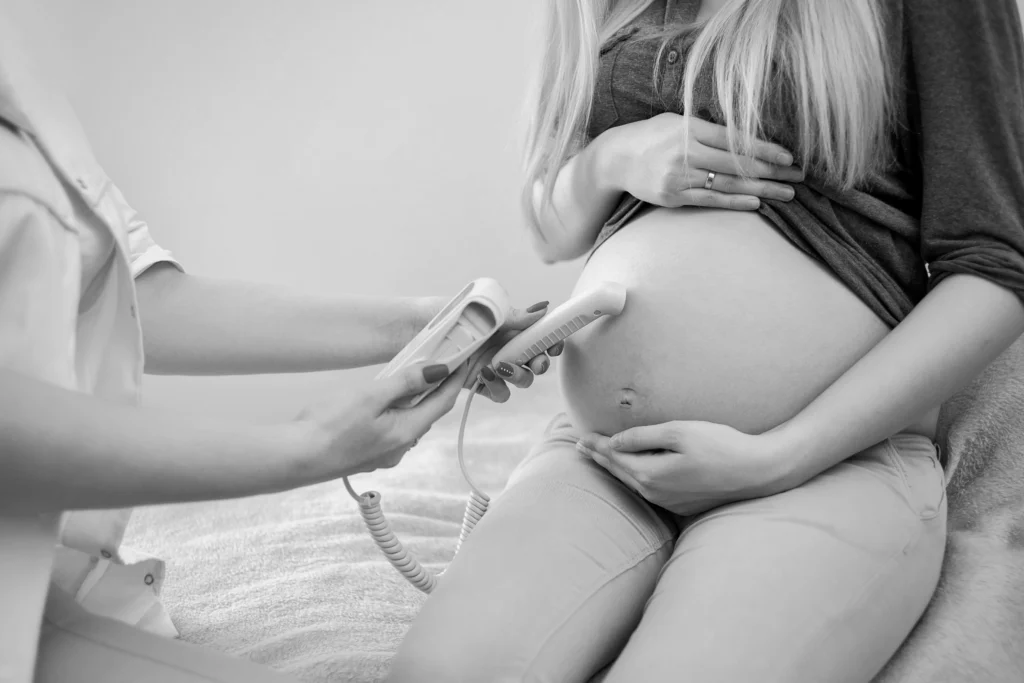
Although GBS rarely causes problems for healthy adults, the bacteria can occasionally be passed to the baby during labour and delivery.
In some newborns, GBS exposure can lead to serious infections such as:
- Sepsis (bloodstream infection).
- Pneumonia.
- Meningitis.
Fortunately, routine screening and antibiotic treatment during labour have dramatically reduced newborn GBS infections.
Research has shown that universal antenatal screening combined with intrapartum antibiotic prophylaxis significantly decreases early-onset neonatal GBS disease. (Verani et al. 2010)
Is GBS a Sexually Transmitted Infection?
No.
GBS is not considered a sexually transmitted infection (STI).
GBS bacteria are naturally present in the gastrointestinal and genital tracts of many healthy individuals.
Being GBS positive:
- Does not indicate poor hygiene.
- Does not mean you have an infection.
- Does not suggest sexual transmission.
- Does not mean your partner requires treatment.
Colonization may come and go over time.
A woman who tests positive in one pregnancy may test negative in another pregnancy.
Why Is Screening Performed?
Because most women carrying GBS have no symptoms, screening is the most effective way to identify those who may benefit from antibiotics during labour.
The goals of screening are to:
- Identify maternal GBS colonization.
- Reduce newborn infection risk.
- Guide labour management.
- Improve neonatal outcomes.
Routine screening has become standard practice in many countries worldwide.
According to ACOG, universal prenatal screening between 36 0/7 and 37 6/7 weeks remains the preferred strategy for preventing neonatal GBS disease. (ACOG, 2020).
When Is GBS Screening Performed?
GBS screening is typically performed during the late third trimester.
Most healthcare providers recommend testing between:
35 and 37 weeks of pregnancy (or up to 37 weeks and 6 days depending on local guidelines).
Testing during this timeframe provides the most accurate prediction of GBS status at the time of birth.
Testing too early in pregnancy may not accurately reflect colonization during labour because GBS colonization can change over time.
How Is the GBS Test Performed During Pregnancy?
GBS screening is simple, quick, and usually painless.
The test involves collecting swab samples from:
- The lower vagina.
- The rectal area.
The swab is then sent to a laboratory for analysis.
The procedure typically takes only a few seconds.
Many women describe the test as mildly uncomfortable rather than painful.
Can I Collect the Swab Myself?
In some healthcare settings, women may be offered the option of self-collecting the vaginal-rectal swab.
Research suggests that self-collected swabs are generally as accurate as clinician-collected samples when proper instructions are provided.
Self-collection may improve comfort and acceptability for some women.
Your healthcare provider will advise whether self-collection is available in your healthcare setting.
How Accurate Is GBS Screening?
GBS screening performed in late pregnancy is highly effective.
However, no screening test is perfect.
A negative result significantly reduces the likelihood that a woman will carry GBS during labour, but colonization status may occasionally change between testing and delivery.
For this reason, healthcare providers may still recommend antibiotics during labour if certain risk factors are present.
What Does a Positive GBS Test Mean?
A positive test means that GBS bacteria were found in the vaginal or rectal swab.
Importantly:
- It does not mean you are sick.
- It does not mean your baby is infected.
- It does not mean you require treatment during pregnancy.
- It does not mean you cannot have a vaginal birth.
Instead, a positive result simply means that antibiotics will usually be recommended during labour to protect the baby.
Most women who test positive go on to have healthy pregnancies and healthy babies.
What Does a Negative GBS Test Mean?
A negative result means that GBS bacteria were not detected at the time of testing.
In most situations:
- No antibiotics are required during labour.
- Routine labour management continues.
However, antibiotics may still be recommended if specific clinical situations arise.
Examples include:
- Previous baby affected by GBS disease.
- GBS bacteria detected in urine during pregnancy.
- Unknown GBS status with additional risk factors.
Can GBS Cause Symptoms in Pregnant Women?
Most women carrying GBS have no symptoms.
Occasionally, GBS may cause:
- Urinary tract infections.
- Bladder infections.
- Kidney infections.
Rarely, GBS may contribute to maternal infection during pregnancy or after birth.
GBS detected in the urine test during pregnancy usually indicates heavy colonization and typically requires treatment.
According to CDC guidelines, women with GBS bacteriuria during pregnancy should receive intrapartum antibiotic prophylaxis regardless of subsequent screening results. (Verani JR et al.)
Risk Factors for Newborn GBS Infection
Certain situations increase the likelihood of neonatal GBS disease.
These include:
- Maternal GBS colonization.
- Previous infant with invasive GBS disease.
- GBS bacteriuria during pregnancy.
- Preterm labour.
- Prolonged rupture of membranes.
- Maternal fever during labour.
Recognizing these risk factors helps healthcare providers determine the safest management plan.
A Physiotherapist’s Perspective: Don’t Be Alarmed by a Positive Test
As a women’s health physiotherapist, I frequently meet expectant mothers who become anxious after receiving a positive GBS result.
Remember that GBS colonization is common and usually harmless in healthy adults.
A positive test simply allows your healthcare team to take preventive steps during labour to protect your baby.
Understanding the purpose of screening often helps reduce anxiety and allows parents to approach birth with greater confidence.
What Happens If GBS Test Is Positive During Pregnancy?
If your GBS screening result is positive, your healthcare provider will usually recommend intravenous (IV) antibiotics during labour.
The purpose of antibiotic treatment is to reduce the amount of GBS bacteria present and minimise the risk of transmission to the baby during birth.
Importantly:
- Antibiotics are typically given during labour, not during pregnancy.
- Treatment during pregnancy alone is generally not effective because GBS bacteria may return before delivery.
- Receiving antibiotics during labour has been shown to significantly reduce the risk of newborn GBS infection.
Most women who receive intrapartum antibiotics go on to have healthy deliveries and healthy babies.
Which Antibiotics Are Used During Labour?
The most commonly used antibiotics are:
- Penicillin (first-line treatment).
- Ampicillin.
These medications are usually administered through an intravenous line every few hours during labour.
For women with a penicillin allergy, alternative antibiotics may include:
- Cefazolin.
- Clindamycin.
- Vancomycin.
The choice depends on the type of allergy and laboratory susceptibility results.
According to ACOG, penicillin remains the preferred antibiotic for intrapartum prophylaxis because of its effectiveness and narrow antimicrobial spectrum (ACOG Committee Opinion No. 797 et al. 2020).
How Long Should Antibiotics Be Given?
Ideally, antibiotics should be administered for at least four hours before delivery.
However, even shorter durations may provide some protection.
Importantly, healthcare providers do not delay medically necessary obstetric interventions simply to complete four hours of antibiotic treatment.
What If Labour Starts Before GBS Testing Is Performed?
Occasionally, labour begins before routine GBS screening has been completed.
In this situation, healthcare providers assess additional risk factors, including:
- Preterm labour.
- Maternal fever during labour.
- Rupture of membranes lasting 18 hours or longer.
- Previous infant affected by GBS disease.
- GBS bacteriuria during the current pregnancy.
If significant risk factors are present, antibiotics may be recommended even if screening results are unavailable.
What If I Have a Planned Cesarean Birth?
Women undergoing a planned cesarean birth before labour begins and before rupture of membranes usually do not require GBS-specific antibiotics.
This is because the baby is not exposed to vaginal bacteria during labour.
However, routine surgical antibiotics for cesarean birth may still be administered according to standard obstetric practice.
If labour starts or the membranes rupture before the planned cesarean birth, GBS prophylaxis may become necessary.
Does GBS Affect Birth Choices?
A positive GBS result does not usually change your birth preferences.
Women who test positive can generally still:
- Have a vaginal birth.
- Use epidural analgesia.
- Have water immersion during early labour (depending on local policies).
- Breastfeed after birth.
- Follow most aspects of their birth plan.
Discuss your individual preferences with your healthcare provider or birth team.
Can GBS Be Prevented?
At present, there is no guaranteed method to completely prevent GBS colonization.
Because GBS bacteria naturally live in the body, colonization may come and go over time.
Researchers continue to investigate vaccines against GBS, but no vaccine is currently available for routine clinical use.
Current prevention strategies focus primarily on:
- Universal screening.
- Identifying high-risk women.
- Administering antibiotics during labour.
According to the World Health Organization, maternal vaccination against GBS remains an important area of ongoing research.
Are There Risks Associated With Antibiotics?
Antibiotics used during labour are generally considered safe and highly effective.
However, as with all medications, potential risks may include:
- Allergic reactions.
- Nausea.
- Diarrhoea.
- Changes in maternal and neonatal microbiota.
Serious allergic reactions are uncommon.
Healthcare providers carefully assess allergy history before selecting antibiotics.
For most women, the benefits of preventing serious newborn infection greatly outweigh potential risks.
Research consistently demonstrates that intrapartum antibiotic prophylaxis substantially reduces early-onset neonatal GBS disease. (Panneflek et al. 2024).
How Will My Baby Be Monitored After Birth?
After delivery, healthcare providers will assess the baby for any signs of infection.
Monitoring may include:
- Observation of feeding patterns.
- Assessment of breathing.
- Monitoring temperature.
- Checking activity levels.
Most babies born to GBS-positive mothers remain completely healthy.
Additional evaluation may be recommended if:
- Antibiotics were not administered during labour.
- The baby shows signs of illness.
- Delivery occurred preterm.
Symptoms of GBS Infection in Newborns
Although uncommon, signs of neonatal infection may include:
- Difficulty feeding.
- Lethargy.
- Breathing problems.
- Fever or low body temperature.
- Irritability.
- Unusual sleepiness.
Parents should seek immediate medical attention if these symptoms occur.
Questions You May Want to Ask Your Doctor
Consider asking:
- When should my GBS screening be performed?
- What happens if my test result is positive?
- Which antibiotics will I receive during labour?
- What if I am allergic to penicillin?
- Will GBS affect my birth plan?
- How will my baby be monitored after birth?
Preparing questions in advance can improve understanding and reduce anxiety.
Final Thoughts
Learning that you are GBS positive can feel concerning, but it is important to remember that GBS colonization is common and usually harmless in healthy adults. Routine screening and timely antibiotics during labour provide effective protection for newborns and help ensure safer birth outcomes for both mother and baby.
Conclusion
Group B Streptococcus screening is an important component of modern prenatal care.
Because GBS colonization rarely causes symptoms, routine screening allows healthcare providers to identify women who may benefit from antibiotics during labour.
Although receiving a positive test result can feel concerning during pregnancy, it is important to remember that GBS is common, manageable, and usually harmless in healthy adults.
With appropriate screening and intrapartum care, the risk of serious newborn infection can be dramatically reduced.
Frequently Asked Questions (FAQs)
1. When is GBS screening performed during pregnancy?
GBS screening is usually performed between 35 and 37 weeks of pregnancy because this timeframe best predicts GBS status at the time of birth.
2. What happens if my GBS test is positive?
If you test positive, you will usually receive intravenous antibiotics during labour to reduce the risk of transmitting GBS to your baby.
3. Is Group B Streptococcus a sexually transmitted infection?
No. GBS is not considered a sexually transmitted infection. It is a naturally occurring bacterium found in many healthy adults.
4. Will a positive GBS test affect my birth plan?
Usually not. Most women who test positive can still have a vaginal birth, use pain relief options, and follow their planned birth preferences.
5. Can my baby still develop GBS infection despite treatment?
Although no intervention eliminates risk completely, antibiotics during labour significantly reduce the likelihood of early-onset GBS disease in newborns.
6. Can I breastfeed if I am GBS positive?
Yes. Being GBS positive does not prevent breastfeeding, and breastfeeding remains strongly encouraged unless otherwise advised by your healthcare provider.
Stay tuned with us for more health related topics.
Follow us on LinkedIn and Instagram for more.
More Read




Medical Disclaimer!
This article has been reviewed and written under the guidance of our Head Physiotherapist, Dr. Kruti Raj (PT, MUHS,CPT,CMPT). The information shared is intended for educational purposes only and should not be considered a substitute for personalized medical advice, diagnosis, or treatment.
Please consult us or any other qualified healthcare professional before beginning any exercise program, especially if you are experiencing pain, recovering from injury, or managing a medical condition.