Vaginal discharge after menopause is less common than during the reproductive years, but it can still occur.
Menopause marks a significant transition in a woman’s life, bringing hormonal changes that affect many aspects of reproductive and overall health.
One common concern among postmenopausal women is vaginal discharge after menopause.
Because menstrual periods have stopped, many women assume that any vaginal discharge is abnormal or a sign of a serious medical condition.
In reality, while the amount of vaginal discharge usually decreases after menopause, a small amount of clear or white discharge can still be completely normal.
Quick Answer
Vaginal discharge after menopause is usually much less than before menopause because estrogen levels decline. Small amounts of clear or white, odorless discharge can still be completely normal. However, green, gray, yellow, bloody, or foul-smelling discharge, especially when accompanied by itching, burning, pelvic pain, or vaginal bleeding, should always be medically evaluated.
Postmenopausal vaginal discharge may also be associated with Genitourinary Syndrome of Menopause (GSM), vaginal infections, cervical abnormalities, or, in rare cases, gynecological cancers.
After menopause, estrogen levels decline significantly.
This hormonal change causes the vaginal tissues to become thinner, drier, and less elastic, reducing the production of natural vaginal secretions.
As a result, many women notice little to no discharge compared to their reproductive years.
However, certain infections, inflammation, vaginal atrophy, or more serious conditions can cause abnormal discharge that requires prompt medical evaluation.
Recognizing the difference between normal postmenopausal vaginal discharge and abnormal symptoms is important for maintaining vaginal health and detecting medical conditions early.
Understanding what changes are expected after menopause can help reduce unnecessary anxiety while ensuring timely treatment when needed.
Key Takeaways
- Small amounts of clear or white vaginal discharge after menopause can be completely normal.
- Lower estrogen levels reduce vaginal lubrication and change the vaginal microbiome.
- Genitourinary Syndrome of Menopause (GSM) is one of the most common causes of postmenopausal vaginal symptoms.
- Green, gray, yellow, foul-smelling, or bloody discharge should always be medically evaluated.
- Any vaginal bleeding after menopause is abnormal until proven otherwise.
- Women’s health physiotherapy can improve pelvic floor health, bladder function, and sexual comfort after menopause.
- Regular gynecological check-ups help detect infections and more serious conditions early.
What Is Vaginal Discharge After Menopause?
Vaginal discharge after menopause refers to fluid naturally produced by the vagina and cervix after menstrual periods have permanently stopped.
Although estrogen levels decline substantially after menopause, the vagina continues to produce a small amount of moisture that helps protect the vaginal tissues and maintain comfort.
Normal postmenopausal discharge is usually composed of:
- Vaginal secretions
- Small amounts of cervical mucus
- Dead vaginal epithelial cells
- Beneficial Lactobacillus bacteria
- Water and natural proteins
Compared with women of reproductive age, postmenopausal women generally produce much less vaginal discharge because estrogen stimulates cervical mucus production.
The reduced estrogen levels also alter the vaginal microbiome and increase vaginal pH, making the tissues more vulnerable to irritation and infections.
Normal discharge after menopause is typically:
- Clear or slightly white
- Thin or mildly creamy
- Odorless or mildly scented
- Produced in very small amounts
- Not associated with itching, burning, bleeding, or pelvic pain
Research has shown that declining estrogen levels after menopause significantly alter the vaginal environment,
including reduced lubrication, higher vaginal pH, and changes in the protective vaginal microbiota. (The North American Menopause Society, 2020)
Is Vaginal Discharge After Menopause Normal?
Yes, small amounts of vaginal discharge after menopause can be completely normal.
Although vaginal secretions decrease considerably after menopause, the vagina continues to produce enough moisture to protect the tissues from excessive dryness and friction.
Some women may occasionally notice:
- Clear discharge
- Thin white discharge
- Slightly creamy discharge
- Mild moisture on underwear
These normal secretions should:
- Have little or no odor
- Not cause itching or burning
- Not contain blood
- Not be associated with pelvic pain
- Remain relatively consistent over time
However, discharge that suddenly changes in color, develops a strong odor, or is accompanied by vaginal bleeding, pain, fever, or itching should never be ignored.
Unlike younger women, postmenopausal women are at a higher risk of conditions such as:
Genitourinary Syndrome of Menopause (GSM), bacterial infections, and certain gynecological cancers that can present with abnormal vaginal discharge.
The International Menopause Society recognizes vaginal dryness and reduced vaginal secretions as common features of estrogen deficiency after menopause.
How Common Is Vaginal Discharge After Menopause?
Most postmenopausal women experience a noticeable reduction in vaginal discharge due to lower estrogen production.
However, completely dry vaginal tissues are not universal.
Many healthy women continue to produce small amounts of vaginal moisture throughout life.
Several factors influence the amount of discharge after menopause, including:
- Age
- Hormone levels
- Hormone replacement therapy (HRT)
- Sexual activity
- Overall vaginal health
- Hydration
- Certain medications
- Presence of vaginal infections
Women receiving local vaginal estrogen therapy often notice improved vaginal lubrication and healthier vaginal tissues compared with untreated women.
Although normal discharge becomes less common after menopause, abnormal discharge remains an important symptom that should always be investigated because the likelihood of underlying pathology increases with age.
Common Types of Vaginal Discharge After Menopause
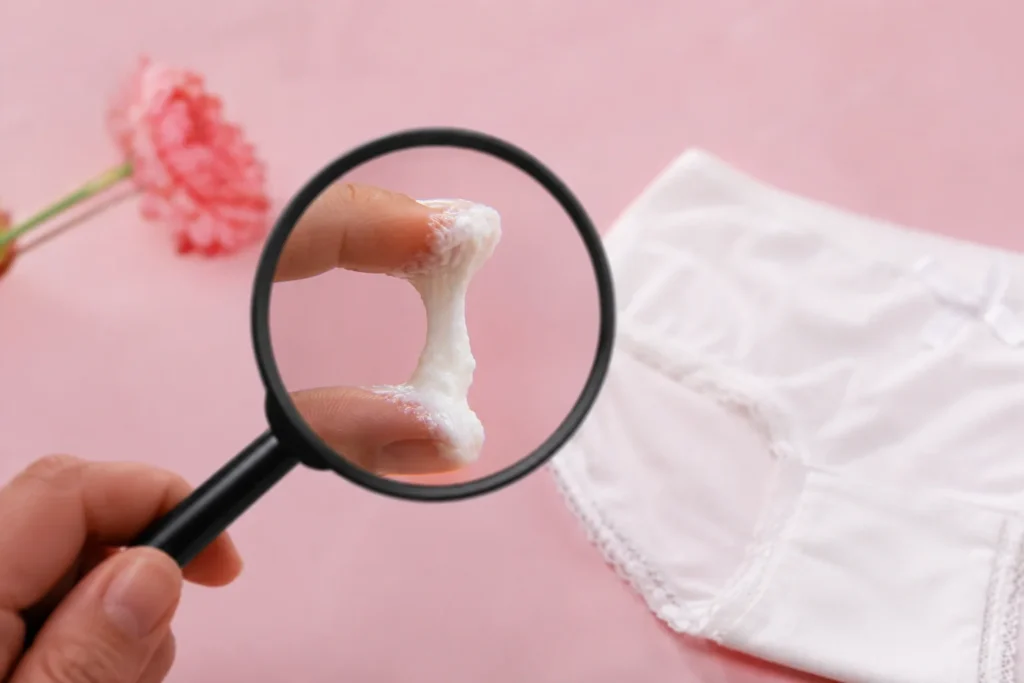
Postmenopausal discharge can vary depending on its underlying cause.
Clear Discharge
Small amounts of clear discharge are usually normal and help maintain vaginal lubrication.
Thin White Discharge
A mild white discharge without odor or irritation may be a normal postmenopausal secretion.
Yellow Discharge
Light yellow discharge may occasionally occur due to oxidation after exposure to air.
However, bright yellow discharge accompanied by symptoms may indicate infection.
Brown Discharge
Brown discharge usually represents old blood.
Because bleeding is not expected after menopause, any persistent brown or blood-stained discharge should be evaluated promptly.
Bloody Discharge
Bloody discharge after menopause is never considered a normal part of aging and always requires immediate medical assessment to exclude endometrial abnormalities, cervical disease, or malignancy.
Green or Gray Discharge
Green or gray discharge often suggests bacterial vaginosis or another vaginal infection and requires medical treatment.
Thick White Clumpy Discharge
Although less common after menopause, vaginal yeast infections may still occur, particularly in women with diabetes, recent antibiotic use, or hormone therapy.
Early Warning Signs That Should Never Be Ignored
Seek prompt medical attention if vaginal discharge after menopause is associated with:
- Vaginal bleeding
- Brown or blood-stained discharge
- Green, gray, or bright yellow discharge
- Strong fishy or foul odor
- Persistent itching or burning
- Pain during urination
- Pain during sexual intercourse
- Pelvic pain
- Fever or chills
- Vaginal sores or ulcers
- Unexplained weight loss
- Persistent discharge lasting several weeks
These symptoms may indicate infection, vaginal atrophy, cervical disease, endometrial pathology, or other gynecological conditions requiring further evaluation.
Normal vs Abnormal Vaginal Discharge After Menopause
| Feature | Normal Postmenopausal Discharge | Abnormal Postmenopausal Discharge |
|---|---|---|
| Color | Clear, white, slightly creamy | Green, gray, bright yellow, brown, bloody |
| Consistency | Thin or mildly creamy | Thick clumpy, frothy, excessive, pus-like |
| Odor | None or mild | Fishy, foul, unpleasant |
| Amount | Small | Moderate to heavy or persistent |
| Associated Symptoms | None | Itching, burning, pelvic pain, bleeding, fever |
| Medical Attention Needed? | Usually No | Yes, especially if bleeding or persistent symptoms occur |
Myth vs Fact
| Myth | Fact |
|---|---|
| Women should never have vaginal discharge after menopause. | False. Small amounts of clear or white discharge can still be normal after menopause. |
| Any vaginal bleeding after menopause is part of normal aging. | False. Postmenopausal bleeding or blood-stained discharge should always be evaluated by a healthcare provider. |
| Vaginal infections cannot occur after menopause. | False. Lower estrogen levels increase vaginal pH and may increase the risk of bacterial and fungal infections. |
| Vaginal dryness is the only menopausal vaginal symptom. | False. Menopause can also cause irritation, burning, urinary symptoms, painful intercourse, and changes in vaginal discharge. |
Causes of Vaginal Discharge After Menopause
Although vaginal discharge usually decreases after menopause due to lower estrogen levels, it can still occur for both normal and abnormal reasons. Understanding the underlying cause is important because some conditions require prompt medical treatment.
1. Reduced Estrogen Levels (Normal Hormonal Changes)
The most common physiological change after menopause is a significant decline in estrogen production. Lower estrogen reduces cervical mucus and vaginal secretions, but small amounts of clear or white discharge may still be produced to lubricate and protect the vaginal tissues.
2. Genitourinary Syndrome of Menopause (GSM)
Previously known as vaginal atrophy, Genitourinary Syndrome of Menopause (GSM) is one of the leading causes of vaginal symptoms after menopause. Reduced estrogen causes the vaginal lining to become thinner, drier, less elastic, and more fragile.
Women with GSM may experience:
- Mild watery discharge
- Vaginal dryness
- Burning sensation
- Itching
- Pain during intercourse
- Frequent urinary symptoms
3. Bacterial Vaginosis (BV)
Changes in vaginal pH after menopause reduce the number of protective Lactobacillus bacteria, making bacterial vaginosis more common. BV often causes:
- Thin gray discharge
- Fishy odor
- Mild irritation
4. Vaginal Yeast Infection
Although yeast infections become less common after menopause, they may still occur, especially in women with diabetes, recent antibiotic use, hormone replacement therapy, or weakened immunity.
Typical symptoms include:
- Thick white clumpy discharge
- Intense itching
- Burning
- Redness
5. Sexually Transmitted Infections (STIs)
Sexually transmitted infections remain possible after menopause. Chlamydia, gonorrhea, and trichomoniasis may cause abnormal discharge, pelvic discomfort, or urinary symptoms.
6. Cervical or Endometrial Polyps
Benign growths within the cervix or uterus may produce:
- Brown discharge
- Blood-stained discharge
- Light spotting
- Increased vaginal secretions
7. Gynecological Cancers
Although uncommon, cancers affecting the cervix, uterus, vagina, or endometrium may present with:
- Persistent watery discharge
- Bloody discharge
- Foul-smelling discharge
- Postmenopausal bleeding
Any unexplained vaginal bleeding or blood-stained discharge after menopause should always be investigated without delay.
Research shows that Genitourinary Syndrome of Menopause affects approximately half of postmenopausal women and commonly presents with vaginal dryness, irritation, discharge, and urinary symptoms due to estrogen deficiency. (Cuccu et al. 2024)
Risk Factors for Abnormal Vaginal Discharge After Menopause
Several factors increase the likelihood of developing abnormal vaginal discharge after menopause.
These include:
- Estrogen deficiency
- Increasing age
- Genitourinary Syndrome of Menopause (GSM)
- Diabetes mellitus
- Obesity
- Hormone replacement therapy
- Poor genital hygiene
- Recent antibiotic use
- Immunosuppression
- Smoking
- Previous gynecological cancers
- Human papillomavirus (HPV) infection
- Multiple sexual partners
- Previous pelvic radiation therapy
Women with persistent vaginal symptoms should undergo proper medical evaluation to determine the underlying cause.
When Should You Be Concerned?
Although small amounts of clear or white discharge can be normal after menopause, certain symptoms require immediate medical assessment.
Seek medical attention if your discharge:
- Contains blood
- Appears brown repeatedly
- Is green, gray, or bright yellow
- Has a strong fishy or foul odor
- Causes severe itching or burning
- Is associated with pelvic pain
- Causes pain during urination
- Occurs with fever or chills
- Becomes unusually heavy
- Persists for several weeks
- Recurs despite treatment
- Is associated with unexplained weight loss
Because postmenopausal bleeding is never considered normal, it should always be investigated promptly to exclude serious gynecological conditions.
How Is Vaginal Discharge After Menopause Diagnosed?
Your healthcare provider will begin by reviewing your symptoms, menopause history, medical conditions, medications, and sexual history.
Diagnostic evaluation may include:
- Pelvic examination
- Vaginal examination using a speculum
- Vaginal pH testing
- Microscopic examination of vaginal secretions
- Vaginal swab for bacterial, fungal, or parasitic infections
- Cervical screening (when indicated)
- Transvaginal ultrasound
- Endometrial biopsy if postmenopausal bleeding is present
- Blood investigations if clinically indicated
Early diagnosis helps distinguish normal menopausal changes from infections, inflammatory conditions, or gynecological cancers.
According to the (Carlson et al. 2026), women presenting with postmenopausal vaginal symptoms should undergo individualized evaluation to identify GSM, infections, or other underlying gynecological disorders.
Treatment for Vaginal Discharge After Menopause
Treatment depends entirely on the underlying cause.
If the discharge is normal
No medical treatment is required. Women may simply continue healthy vaginal hygiene and routine gynecological check-ups.
For Genitourinary Syndrome of Menopause (GSM)
Treatment may include:
- Vaginal moisturizers
- Vaginal lubricants
- Low-dose vaginal estrogen therapy
- Selective estrogen receptor modulators (when appropriate)
For Bacterial Vaginosis
Treatment usually includes prescription antibiotics.
For Vaginal Yeast Infection
Antifungal medications may be prescribed depending on the severity of symptoms.
For Sexually Transmitted Infections
Appropriate antimicrobial therapy should be started promptly, and sexual partners may also require treatment depending on the infection.
For Polyps or Malignancy
Further investigations and referral to a gynecologist or gynecologic oncologist may be required for surgical management or additional treatment.
Women should avoid self-treating persistent postmenopausal discharge without obtaining an accurate diagnosis.
Physiotherapy Perspective
Women’s health physiotherapy plays an increasingly important role in supporting women after menopause, particularly those experiencing Genitourinary Syndrome of Menopause (GSM) and pelvic floor dysfunction.
A pelvic health physiotherapist may help with:
- Pelvic floor muscle assessment
- Pelvic floor strengthening exercises
- Relaxation techniques for painful pelvic muscles
- Bladder training
- Education on vaginal health after menopause
- Lifestyle advice to improve pelvic comfort
- Guidance on safe exercise during menopause
Physiotherapy cannot treat infections or gynecological cancers but can significantly improve quality of life for women experiencing pelvic floor dysfunction, urinary symptoms, or sexual discomfort associated with menopause.
Prevention and Self-Care
Although menopause-related hormonal changes cannot be prevented, healthy lifestyle habits can reduce the risk of abnormal vaginal discharge and improve vaginal health.
Helpful self-care strategies include:
- Maintain good intimate hygiene using mild, fragrance-free cleansers.
- Avoid douching and scented feminine hygiene products.
- Stay physically active to support pelvic floor health.
- Use vaginal moisturizers if recommended by your healthcare provider.
- Practice safe sex.
- Wear breathable cotton underwear.
- Manage diabetes and other chronic health conditions.
- Stop smoking, as smoking worsens estrogen deficiency.
- Attend regular gynecological check-ups.
- Never ignore postmenopausal bleeding or persistent abnormal discharge.
Maintaining healthy vaginal tissues after menopause often requires a combination of medical care, healthy lifestyle choices, and early evaluation of any new symptoms.
Possible Complications of Ignoring Abnormal Vaginal Discharge After Menopause
While a small amount of clear or white vaginal discharge after menopause can be normal, persistent or abnormal discharge should never be ignored. Delaying medical evaluation may allow underlying conditions to worsen and increase the risk of serious health complications.
Possible complications include:
Progression of Genitourinary Syndrome of Menopause (GSM)
Untreated GSM can gradually worsen over time, leading to:
- Severe vaginal dryness
- Recurrent irritation
- Vaginal fissures
- Painful sexual intercourse (dyspareunia)
- Reduced quality of life
- Urinary symptoms such as urgency and recurrent urinary tract infections
Recurrent Vaginal Infections
The reduced estrogen levels after menopause alter the vaginal microbiome, making some women more susceptible to repeated bacterial vaginosis, yeast infections, and urinary tract infections if not treated appropriately.
Chronic Pelvic Pain
Persistent infections or untreated inflammatory conditions may contribute to chronic pelvic discomfort and pain during daily activities or sexual intercourse.
Delayed Diagnosis of Gynecological Cancer
One of the most important concerns after menopause is that persistent watery, bloody, or foul-smelling vaginal discharge may be an early symptom of:
- Endometrial cancer
- Cervical cancer
- Vaginal cancer
- Less commonly, ovarian cancer
Early diagnosis significantly improves treatment outcomes.
Emotional and Psychological Impact
Persistent vaginal symptoms can negatively affect:
- Confidence
- Sexual health
- Intimate relationships
- Emotional well-being
- Overall quality of life
Prompt medical evaluation and treatment can help relieve symptoms while addressing any underlying condition before complications develop.
Research has shown that untreated Genitourinary Syndrome of Menopause (GSM) can progressively impair vaginal, urinary, and sexual health, significantly affecting quality of life in postmenopausal women. (Wasnik et al. 2023)
When Should You See a Doctor?
Although some vaginal discharge after menopause can be normal, certain symptoms should always prompt medical evaluation.
Seek medical attention immediately if you experience:
- Vaginal bleeding after menopause
- Brown or blood-stained discharge
- Persistent watery discharge
- Green, gray, or bright yellow discharge
- Thick white clumpy discharge with itching
- A strong fishy or foul odor
- Persistent itching or burning
- Pain during urination
- Pain during sexual intercourse
- Pelvic or lower abdominal pain
- Fever or chills
- Vaginal sores, ulcers, or swelling
- Recurrent abnormal discharge despite treatment
- Unexplained weight loss or fatigue
Even a single episode of postmenopausal bleeding should never be considered a normal part of aging and should always be investigated by a healthcare professional.
Final Thoughts
After menopause, changes in estrogen levels naturally reduce vaginal discharge, but small amounts of clear or white discharge can still be healthy. Understanding what is normal can help women avoid unnecessary worry while recognizing symptoms that require medical attention.
Persistent abnormal discharge, particularly if it is bloody, foul-smelling, or associated with pain or itching, should never be ignored. Early medical evaluation, healthy lifestyle habits, and regular gynecological care play an important role in maintaining vaginal and overall reproductive health after menopause.
Conclusion
Vaginal discharge after menopause often changes because of the natural decline in estrogen levels. While many women experience little or no discharge, small amounts of clear or white, odorless discharge can still be completely normal. Understanding these normal hormonal changes can help reduce unnecessary anxiety and promote better awareness of postmenopausal vaginal health.
However, discharge that becomes green, gray, bright yellow, foul-smelling, bloody, or is accompanied by itching, burning, pelvic pain, or vaginal bleeding should never be ignored. These symptoms may indicate infections, Genitourinary Syndrome of Menopause (GSM), or more serious gynecological conditions that require prompt medical evaluation.
Maintaining regular gynecological check-ups, practicing good intimate hygiene, and seeking medical advice whenever new symptoms develop are essential steps in protecting long-term reproductive and overall health after menopause.
Lesser-Known Fact: Many women believe that vaginal dryness is the only menopausal change affecting vaginal health. In reality, declining estrogen also alters the vaginal microbiome and increases vaginal pH, making postmenopausal women more vulnerable to infections and irritation, even if they experience very little vaginal discharge.
Frequently Asked Questions (FAQs)
1. Is vaginal discharge after menopause normal?
2. Why do I have watery discharge after menopause?
3. Is yellow discharge after menopause normal?
4. Should I worry about bloody discharge after menopause?
5. Can menopause increase the risk of vaginal infections?
6. Can physiotherapy help after menopause?
Stay tuned with us for more health related topics.
Follow us on LinkedIn and Instagram for more.
More Read






Medical Disclaimer!
This article has been reviewed and written under the guidance of our Head Physiotherapist, Dr. Kruti Raj (PT, MUHS,CPT,CMPT). The information shared is intended for educational purposes only and should not be considered a substitute for personalized medical advice, diagnosis, or treatment.
Please consult us or any other qualified healthcare professional before beginning any exercise program, especially if you are experiencing pain, recovering from injury, or managing a medical condition.