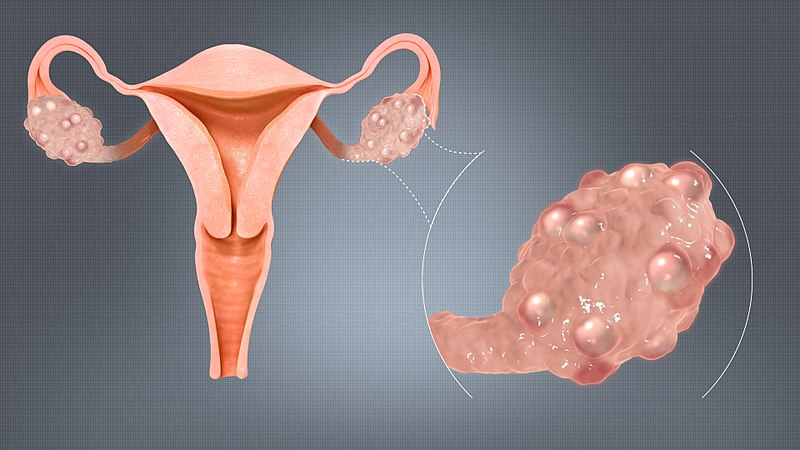

Polycystic Ovary Syndrome (PCOS) is one of the most common yet misunderstood hormonal disorders affecting women of reproductive age. While most people associate PCOS with irregular periods, weight gain, and infertility, there are several lesser-known aspects of this condition that deserve attention.
Beyond the mainstream symptoms, PCOS affects the body in ways that most people—and even some doctors—fail to recognize. This article explores the hidden truths about PCOS, including unusual symptoms, groundbreaking research, and overlooked treatment options that could change the way women manage this condition.
What is PCOS? A Deeper Look
PCOS is not just an ovarian disorder—it’s a complex metabolic, endocrine, and inflammatory condition. It affects the entire body, from hormone balance to insulin resistance and even mental health.
Common Symptoms (That Most People Know About):
- Irregular or absent periods
- Excess hair growth (hirsutism)
- Acne and oily skin
- Unexplained weight gain
- Hair thinning or scalp hair loss
- Difficulty getting pregnant
But PCOS is much more than this. Let’s look at what most people don’t know about PCOS.
The Hidden Truths About PCOS That No One Talks About
1. PCOS Isn’t Just About the Ovaries
The name “Polycystic Ovary Syndrome” suggests that PCOS is a gynecological disorder—but in reality, many women with PCOS don’t even have cysts on their ovaries.
Instead, PCOS is primarily a hormonal imbalance that starts in the brain. The hypothalamus and pituitary glands miscommunicate, leading to excessive androgens (male hormones) that disrupt ovulation.
This means that treating PCOS only from an ovarian perspective is ineffective. A holistic approach targeting hormones, metabolism, and lifestyle is necessary.
2. PCOS Increases the Risk of “Lean Insulin Resistance”
Most people believe that only overweight women with PCOS struggle with insulin resistance. However, lean women with PCOS can also have insulin resistance—but it often goes undiagnosed.
Even if a woman is thin, insulin resistance can silently affect her blood sugar levels, energy, and fertility. This means that skinny women with PCOS can develop diabetes just as easily as those who are overweight.
How to detect it?
Doctors rarely test for insulin resistance in lean PCOS patients. A fasting insulin test is a more accurate way to check for hidden metabolic issues.
3. PCOS Can Cause Sleep Disorders Like Sleep Apnea
PCOS isn’t just about reproductive health—it seriously affects sleep quality. Many women with PCOS experience:
-Trouble falling or staying asleep
-Unexplained fatigue, even after 8 hours of sleep
-Snoring or waking up gasping for air
Why? Hormonal imbalances in PCOS increase the risk of sleep apnea. The higher the androgen and insulin levels, the more likely a woman will experience disrupted sleep.
This is why PCOS women often feel exhausted and struggle with brain fog—even after a full night’s sleep.
4. PCOS Causes “Invisible” Inflammation That Affects the Entire Body
PCOS isn’t just a hormone disorder; it’s also an inflammatory condition. Women with PCOS have chronic low-grade inflammation that increases the risk of:
- Autoimmune diseases
- Cardiovascular problems
- Gut disorders like IBS
- Chronic fatigue
This inflammation also makes it harder to lose weight, leading to persistent bloating, joint pain, and digestive issues.
How to reduce inflammation?
- Avoid processed foods, sugar, and dairy (they worsen inflammation)
- Increase Omega-3 intake (flaxseeds, walnuts, fish)
- Manage stress (high cortisol levels make inflammation worse)
New Research & Overlooked Treatment Strategies
While traditional treatments like birth control pills and metformin are common, recent studies reveal better approaches to managing PCOS naturally.
1. Berberine: The Natural Alternative to Metformin
New research suggests that berberine, a plant-based compound, is as effective as Metformin for improving insulin resistance in PCOS—without the side effects.
Berberine can:
- Lower blood sugar levels
- Reduce testosterone
- Improve gut health (important for PCOS inflammation)
- Promote weight loss
Many women with PCOS report fewer sugar cravings and better digestion when using berberine instead of Metformin.
2. Inositol: A Game-Changer for Fertility & Hormones
Inositol is a natural supplement that mimics insulin and has been shown to:
- Restore ovulation in PCOS women
- Improve egg quality for pregnancy
- Lower androgens (reducing acne & hair loss)
Many fertility doctors are now recommending inositol over Clomid for PCOS-related infertility.
3. Strength Training is More Effective Than Cardio for Weight Loss
Most women with PCOS are told to do cardio for weight loss—but new studies show that strength training (lifting weights) is far superior.
Why?
- Builds lean muscle, which burns more fat
- Improves insulin sensitivity
- Lowers cortisol, reducing belly fat
Instead of long treadmill sessions, PCOS women benefit more from resistance exercises like squats, deadlifts, and push-ups.
4. The Gut-PCOS Connection: Why Fixing Digestion Can Heal Your Hormones
New research has revealed a direct link between PCOS and gut health. Women with PCOS often have an imbalance in gut bacteria, which contributes to:
- Hormonal imbalance
- Inflammation
- Sugar cravings
Fixing gut health with probiotics, fermented foods, and fiber-rich meals can significantly improve PCOS symptoms naturally.
Are There Any PCOS Risk Calculators Available?
Yes, there are online tools known as PCOS risk calculators that can help assess your likelihood of having Polycystic Ovary Syndrome (PCOS) based on various symptoms and health factors. These calculators typically consider aspects such as menstrual irregularities, signs of elevated androgens (like acne or excessive hair growth), body mass index (BMI), and other related symptoms.
It’s important to note that while these tools can provide insight, they are not a substitute for professional medical evaluation. If you suspect you have PCOS or are experiencing related symptoms, it’s advisable to consult with a healthcare provider for a comprehensive assessment and appropriate testing.
Final Thoughts: Managing PCOS Beyond the Basics
PCOS is a complex and misunderstood condition that affects more than just the reproductive system. The key to managing PCOS lies in addressing insulin resistance, inflammation, and gut health—rather than just focusing on periods and fertility.
The good news? PCOS is manageable! With the right diet, exercise, and supplements, women can reverse symptoms naturally and feel better long-term.
Read About : How to Lower Blood Pressure: Simple and Effective Tips That Actually Work
Visit Us At : https://g.co/kgs/rTqAjgt