


Neck pain in children is no longer rare, it is rising rapidly in modern lifestyles, and as a physiotherapist, I see this trend almost daily.
What used to be considered an adult problem is now affecting school-going children as young as 7-10 years.
But here’s the important part:
Children’s neck pain behaves differently, progresses differently, and must be treated differently.
This guide is designed specifically for children, with evidence-based insights, practical physiotherapy advice, and playful exercise routines that kids will actually enjoy doing.
Read about our Complete Neck Pain Guide : Causes, Symptoms, Exercises and Treatment
Quick Answer: Neck Pain in Children
Neck pain in children is commonly caused by poor posture, excessive screen time, heavy school bags, and low physical activity. It can be effectively managed with physiotherapy, posture correction, and playful exercises. Early intervention prevents long-term complications.
Read about: Early Signs of Cervical Spine Damage You Should Never Ignore
Understanding Neck Pain in Children
What Makes Pediatric Neck Pain Different?
A child’s cervical spine is:
- More flexible
- Less stable
- Still developing structurally and neurologically
This means:
- They adapt quickly, but also fatigue faster
- Pain may appear suddenly, even without injury
Research shows that around 25-30% of school-aged children report neck or shoulder pain at least weekly, highlighting how common this issue has become (PubMed).
Read about : 15 Common Causes of Neck Pain You Should Know
Why Neck Pain is Increasing in Children
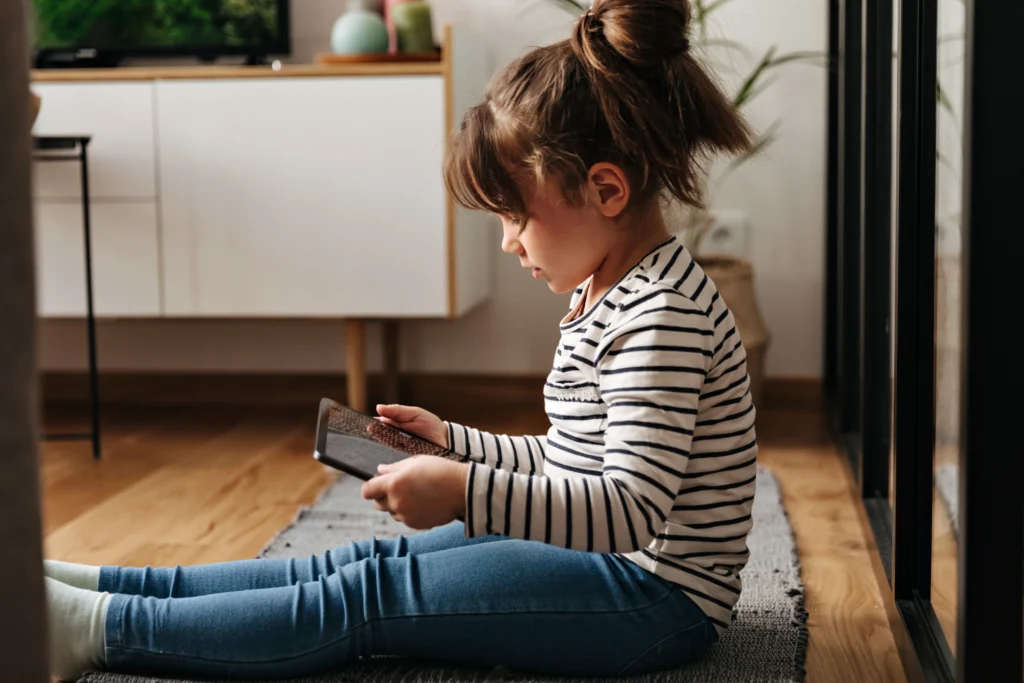
Screen Time & Text Neck
Children today spend hours:
- Watching reels
- Playing games
- Attending online classes
A study found that longer use of electronic devices is directly linked to higher neck pain complaints in children, especially when usage exceeds several hours daily (EJHM).
Another long-term study confirmed that screen time (especially gaming and social media) significantly increases the risk of neck pain in children (PubMed).
Mechanism:
- Head bends forward
- Muscles stay contracted
- Blood flow reduces
- Pain develops
Read in detail: Neck Pain from Phone Use? Here’s How to Treat Text Neck Syndrome
Sedentary Lifestyle
Children sitting for long periods:
- Reduce muscle activity
- Increase stiffness
- Lose spinal endurance
Research confirms that lower physical activity is associated with higher chances of neck pain in children (PubMed).
Heavy School Bags
Doctors recommend:
Bag weight should be less than 10-15% of body weight
Heavy bags:
- Pull shoulders down
- Force neck forward
- Create long-term strain
Neck Pain in Students: The Hidden Study Habit Destroying Your Spine
Growth Spurts
During rapid growth:
- Bones grow faster than muscles
- Muscles become tight
- Coordination decreases
This imbalance leads to temporary but recurring neck pain
Psychological Stress
Children don’t always express stress emotionally.
Instead, it shows as:
- Neck tightness
- Shoulder stiffness
- Headaches
Also Read: Ultimate 6 Weeks Neck Rehabilitation Exercises For Pain Relief
Mechanism: What Actually Happens Inside the Neck?
When a child bends forward (like using a phone):
- Head shifts forward
- Neck muscles overwork to hold it
- Tiny muscle fibers fatigue
- Blood circulation reduces
- Pain signals are triggered
Over time:
- Muscle imbalance develops
- Posture becomes habitual
- Pain becomes recurrent
Read more: Heat Or Cold Therapy for Neck Pain: What Actually Works?
Symptoms of Neck Pain in Children
Common Signs
- Complaining of “tight neck”
- Difficulty turning head
- Head tilt (torticollis)
- Frequent headaches
- Shoulder pain
Also Read : Neck Cracking: Benefits, Risks, and the Truth About Stroke
Red Flags (Don’t Ignore)
- Fever + neck stiffness
- Severe or worsening pain
- Numbness/tingling in arms
- Pain after fall or injury
- Night pain
These require immediate medical evaluation.
Read about: The Most Effective McKenzie Exercises For Neck Pain
Physiotherapy Approach for Children
As a physiotherapist, my approach is not just treatment, it’s behavior correction + movement training + fun engagement.
1. Posture Re-education
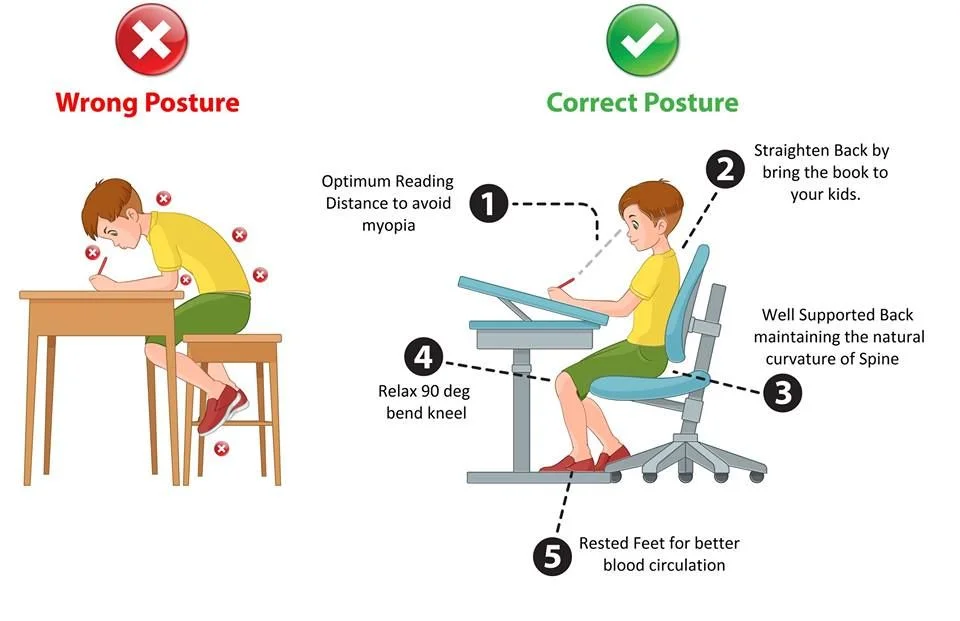
Children must learn:
- “Screen at eye level”
- “Sit tall like a superhero”
Read about: Simple Posture Correction Exercises for Forward Head Posture
2. Movement Restoration
- Gentle mobility exercises
- Stretching tight muscles
- Activating weak muscles
3. Strength Training (Age-Appropriate)
Focus on:
- Deep neck muscles
- Upper back strength
4. Habit Correction
- Reduce screen time
- Encourage outdoor play
- Improve sleep posture
Read about: Effective Neck Pain Exercises At Home: A Complete Guide to Relief and Improved Mobility
Child-Friendly Playful Neck Exercise Routine
Now this is where most programs fail, children get bored.
So here’s a fun, gamified physiotherapy routine that works like play, not exercise.
Read about: Yoga for Neck Pain: Poses That Actually Work
Daily 15-Minute Playful Neck Routine for Kids
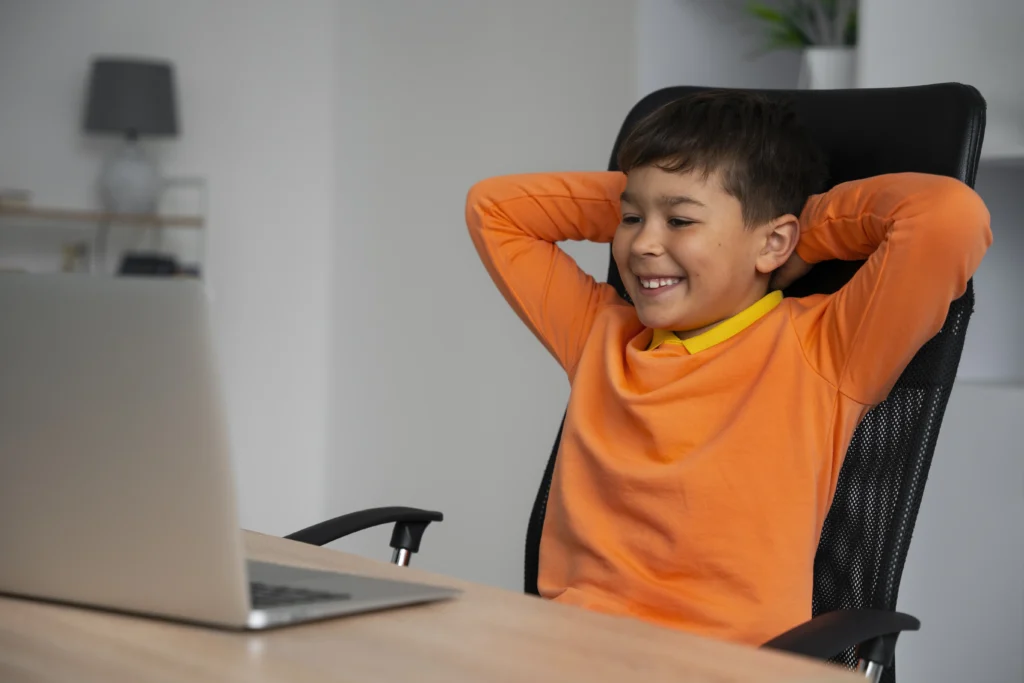
1. Turtle Hide & Peek
How to play:
- Sit straight
- Pull chin back (like hiding in a shell)
- Hold 5 seconds
- Relax
Make it fun:
“Be a shy turtle hiding from danger!”
Strengthens deep neck muscles
2. Owl Look Around
How to play:
- Turn head slowly left & right
- Pretend to “spot prey”
Add challenge:
Parent calls directions randomly
Improves mobility
3. Balloon Balance Game
How to play:
- Place a small balloon or soft ball on head
- Walk slowly without dropping it
Make it a competition
Improves posture & control
4. Snake Stretch
How to play:
- Lie on tummy
- Lift chest gently
- Look up
Say: “Be a cobra rising!”
Stretches front neck muscles
5. Laser Eye Game
How to play:
- Imagine laser coming from nose
- Draw shapes in air using head
Shapes:
- Circle
- Square
- Star
Improves control & coordination
6. Superhero Posture Hold
How to play:
- Stand tall
- Chest out
- Chin tucked
Hold for 10 seconds
Builds postural endurance
7. Teddy Carry Challenge
How to play:
- Hold soft toy between chin & chest
- Walk slowly
Strengthens deep neck flexors
Read about: Neck And Jaw Pain Together? Here’s The Full Clinical Picture
Weekly Routine Plan
| Day | Focus |
|---|---|
| Mon | Mobility + Fun games |
| Tue | Strength + Balance |
| Wed | Full routine |
| Thu | Light play exercises |
| Fri | Strength + posture |
| Sat | Game-based routine |
| Sun | Rest + stretching |
Read About: How to Choose the Right and Best Pillow for Neck Pain
Precautionary Measures for Neck Pain in Children
Daily Habits That Prevent Pain
Screen Safety
- Max 1-2 hours/day
- Break every 20 minutes
Sitting Posture
- Back supported
- Screen at eye level
School Bag Rules
- Use both straps
- Lightweight packing
Sleep Care
- Medium-height pillow
- Avoid sleeping on stomach
Activity Rule
At least 60 minutes of physical play daily
Read about: Which Is The Best Sitting Posture To Avoid Neck Pain And How To Achieve It
Lesser-Known but Important Insights

1. Early Neck Pain = Future Risk
Children with neck pain are more likely to develop chronic pain later in life.
2. Girls May Be More Affected
Research shows slightly higher incidence in girls over time (Nature).
3. Exercise is Protective
Children who engage in regular physical activity have lower chances of neck pain (PubMed).
4. Gamification Improves Recovery
Modern research shows game-based rehabilitation improves adherence and outcomes in children, making exercises more effective and consistent (arXiv).
Read in detail about: How to Fix Upper Crossed Syndrome Naturally
When to Consult a Physiotherapist
- Pain > 1 week
- Recurrent complaints
- Visible poor posture
- Reduced activity
Also read: How to Relieve Neck Tightness Without Equipment
Long-Term Outlook
With early intervention:
- 90%+ children recover fully
- Posture can be corrected
- Chronic pain can be prevented
Read about: How to Relieve Morning Neck Stiffness Naturally
Frequently Asked Questions
1. Why does my child complain of neck pain?
Most commonly due to poor posture, screen overuse, or heavy school bags.
2. Can neck pain go away on its own?
Mild cases may resolve, but recurring pain needs physiotherapy.
3. Are exercises safe for children?
Yes, when done in a playful and supervised manner.
4. How much screen time is safe?
Ideally less than 1–2 hours per day.
5. When should I worry?
If there is fever, severe pain, or neurological symptoms.
Read more: Cervical Vertigo Explained: Why Neck Pain Make You Feel Dizzy
Key Takeaways
- Neck pain in children is increasing due to screen use and sedentary lifestyle.
- About 25–30% of children experience neck pain weekly.
- Physical activity reduces risk significantly.
- Playful exercises improve compliance and recovery.
- Early physiotherapy prevents chronic adult pain.
Stay tuned with us for more health related topics.
Follow us on LinkedIn and Instagram for more.
More Read


Medical Disclaimer!
This article has been reviewed and written under the guidance of our Head Physiotherapist, Dr. Kruti Raj (PT, MUHS,CPT,CMPT). The information shared is intended for educational purposes only and should not be considered a substitute for personalized medical advice, diagnosis, or treatment.
Please consult us or any other qualified healthcare professional before beginning any exercise program, especially if you are experiencing pain, recovering from injury, or managing a medical condition.


