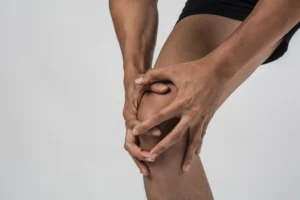
Strength training after 40 becomes increasingly important because muscle, metabolism, and recovery change as we age.
Many people think of strength training as something meant for athletes, bodybuilders, or younger adults trying to build bigger muscles.
As we get older, exercise goals often change.
Instead of chasing personal records in the gym, many people simply want to stay active, maintain their independence, and continue doing the things they enjoy.
Quick Answer
Strength training becomes more important with age because muscle naturally changes over time.
Regular resistance exercise can help maintain strength, support mobility, improve balance, preserve independence, and contribute to healthy weight management.
The goal is not to become a bodybuilder it is to stay strong enough to enjoy everyday life.
They want to climb stairs without struggling.
Carry groceries comfortably.
Play with their grandchildren.
Travel without worrying about mobility.
This is exactly why strength training becomes more important with age, especially after 40.
Muscle naturally changes throughout life.
Without regular activity, adults gradually lose muscle mass and strength as they get older.
This process can make everyday tasks more difficult and may affect balance, mobility, and overall physical function.
The good news is that aging does not mean you have to accept weakness as inevitable.
Research suggests that older adults can improve strength and physical function through resistance exercise, and it is never too late to start building healthier habits. (Liu et al. 2009)
Key Takeaways
- Muscle naturally changes as we age.
- Strength training supports mobility and independence.
- Older adults can still build and maintain muscle.
- Resistance training complements cardio exercise.
- You do not need heavy weights to become stronger.
- Better strength can improve balance and everyday function.
- Building muscle may support healthy weight management.
- It is never too late to start.
Why Do We Lose Muscle With Age?
Aging affects nearly every system in the body, including the muscles.
Over time, people naturally experience a gradual decline in muscle mass and strength.
Several factors may contribute to this process, including:
- Reduced physical activity
- Changes in muscle tissue
- Lifestyle habits
- Inadequate protein intake
- Long periods of sitting
This age-related loss of muscle is one reason many adults notice that tasks that once felt easy begin to require more effort.
Standing up from a low chair.
Carrying heavy bags.
Walking uphill.
Climbing stairs.
Although these changes are common, they are not completely unavoidable.
Regular strength training post 40 can help stimulate the muscles and encourage the body to maintain or improve muscular strength.
Why Muscle Matters More Than You Think
Many people associate muscle with appearance.
In reality, muscle plays a much bigger role in overall health.
Strong muscles help support:
- Everyday movement
- Joint stability
- Balance
- Posture
- Physical independence
Muscle tissue also contributes to healthy body composition.
As adults age, preserving muscle can become an important part of maintaining mobility and supporting long-term health.
Rather than thinking of strength training as a cosmetic activity, it can be helpful to think of it as an investment in future quality of life.
Did You Know?
Muscle helps with much more than appearance. It supports posture, balance, movement, and many everyday activities.
Can Older Adults Still Build Muscle?
Yes.
One of the biggest myths about aging is that building muscle becomes impossible after a certain age.
Research shows that older adults can improve muscular strength through resistance exercise. (Peterson et al. 2010)
The process may not be identical to what happens in younger individuals, but the body can still respond positively to regular training.
This means that people in their 40 ‘s, 50’s, 60’s, and beyond can benefit from strength training.
The goal does not have to be building large muscles.
Even moderate improvements in strength can make daily activities easier and improve confidence.
Good News
Research suggests that older adults can still improve muscular strength through regular resistance exercise.
How Strength Training Supports Weight Management
Many people focus only on cardio when trying to lose weight.
Walking, cycling, and swimming are excellent activities, but strength training also plays an important role post 40.
Maintaining muscle during weight loss helps support healthy body composition.
Without strength training, some weight loss may come from muscle as well as fat.
Building and preserving muscle can help people stay active and continue participating in physical activities that support long-term weight management.
Strength training should not replace cardio after 40.
Instead, the two forms of exercise often work well together.
Muscle Matters
Building and maintaining muscle can help you stay active and support healthy body composition as you age.
Strength Training and Bone Health
Bones, like muscles, respond to physical activity.
Resistance exercise places healthy stress on the body, encouraging the muscles and bones to work together.
For many adults, maintaining strength is one part of supporting healthy aging and physical function.
Strength training should be viewed as one component of an overall healthy lifestyle that may also include:
- Walking
- Balance exercises
- Flexibility work
- Healthy eating
- Adequate sleep
Strength Training Can Improve Balance and Stability

Falls become a greater concern as people grow older.
Good balance depends on many factors, including muscle strength.
Strong muscles help stabilize the body during movement.
Exercises that strengthen the legs, hips, and core may contribute to better balance and confidence during everyday activities.
Simple movements such as squats, step-ups, and chair stands can help strengthen important muscle groups used in daily life.
How Strength Training Makes Everyday Life Easier
Many people think strength training is only about exercising in a gym.
In reality, stronger muscles can make ordinary daily activities feel easier.
Think about how often you use your muscles to:
- Carry groceries
- Climb stairs
- Lift a suitcase
- Get out of a chair
- Pick up a grandchild
- Garden or do household chores
As we age, these simple activities may require more effort if muscle strength declines.
Strength training helps prepare the body for the movements we perform every day.
Rather than training only for fitness, many people are actually training for a more active and independent life.
The goal is not necessarily to lift the heaviest weights.
The goal is to make everyday living easier and more comfortable.
Do You Need Heavy Weights?
Absolutely not.
Many beginners avoid strength training because they imagine lifting extremely heavy barbells.
In reality, resistance training can take many forms.
You can build strength using:
- Resistance bands
- Light dumbbells
- Bodyweight exercises
- Machines at a gym
- Household objects
- Water resistance exercises
The most important factor is choosing a level that matches your current fitness and progressing gradually.
Consistency matters much more than lifting the heaviest weight possible.
Beginner-Friendly Equipment
- Resistance bands
- Bodyweight exercises
- Light dumbbells
- Gym machines
- Household objects
How Often Should You Strength Train?
One of the biggest questions beginners ask is how often they should exercise.
The good news is that you do not have to train every day to experience benefits.
Many health organizations recommend including muscle-strengthening activities at least two times each week.
A beginner routine might include:
- Two or three strength-training sessions weekly.
- Rest days between challenging workouts.
- Exercises that work the major muscle groups.
- Gradual increases in difficulty over time.
Consistency is usually more important than intensity.
A simple routine followed for months is often more effective than an extreme program that lasts only a few weeks.
Beginner-Friendly Strength Training Ideas
Starting does not have to be complicated.
Many older adults begin with simple exercises such as:
Chair Squats
Strengthen the legs and hips while practicing a common daily movement.
Wall Push-Ups
An easier alternative to traditional push-ups.
Resistance Band Rows
Help strengthen the upper back and improve posture.
Step-Ups
Build leg strength and improve balance.
Dumbbell Shoulder Press
Strengthens the shoulders and upper body.
Farmer’s Carry
Walking while holding light weights can improve grip strength and overall stability.
A balanced routine often works the major muscle groups two or more times each week.
Strength Training After 40 Is About More Than Muscles
Many benefits of strength training extend beyond physical appearance.
People often report improvements in:
- Confidence
- Everyday function
- Energy levels
- Mobility
- Ability to perform daily tasks
Being able to carry groceries, lift luggage, or play with grandchildren without difficulty can significantly improve quality of life.
Common Mistakes People Make
Waiting Until They Feel Old
Many people delay strength training because they believe they do not need it yet.
Starting earlier can help maintain strength over time.
Believing Cardio Is Enough
Cardiovascular exercise is valuable, but it does not replace the benefits of resistance training.
Trying to Do Too Much
Beginning with very difficult workouts can increase soreness and reduce motivation.
Slow, steady progress is often more sustainable.
Ignoring Recovery
Muscles need time to recover and adapt.
Rest days are an important part of any exercise program.
Why Starting Small Is Often the Smartest Strategy
Many people become excited about strength training and try to do too much too quickly.
They may lift weights that are too heavy or perform long workouts that leave them extremely sore.
This approach can reduce motivation and increase the risk of giving up.
A better strategy is to begin with manageable goals.
For example:
- Learn proper technique.
- Focus on consistency.
- Increase resistance gradually.
- Allow time for recovery.
- Celebrate small improvements.
Strength is built over time.
You do not have to become dramatically stronger in one month.
Small improvements repeated consistently can lead to meaningful changes in mobility, confidence, and physical function.
Common Myths About Strength Training and Aging
Myth: Older Adults Cannot Build Muscle
Reality:
Research shows that older adults can improve muscular strength through resistance exercise.
Myth: Strength Training Is Only for Bodybuilders
Reality:
The goal can simply be improving daily function and mobility.
Myth: You Need Heavy Weights
Reality:
Resistance bands and bodyweight exercises can also be effective.
Myth: Cardio Is All You Need
Reality:
Strength training and cardiovascular exercise provide different benefits.
Myth: It Is Too Late to Start
Reality:
Many people begin strength training later in life and experience meaningful improvements.
Expert Tip
You do not have to lift the heaviest weights in the gym. The best strength-training program is one that you can perform safely and consistently.
What Do Experts Recommend?
The World Health Organization recommends that adults include muscle-strengthening activities as part of a healthy lifestyle. (WHO Guidelines)
The National Strength and Conditioning Association also recognizes the value of resistance training for older adults. (Fragala et al. 2019)
Research reviews have described resistance training as an important tool for supporting health and physical function. (Westcott et al. 2012)
Final Thoughts
Strength training is not just about adding years to your life. It is also about adding more strength, confidence, and independence to those years.
The Bottom Line
As we age, maintaining muscle becomes increasingly important.
Strength training is not only about looking stronger.
It is about moving better, maintaining independence, supporting balance, preserving physical function, and staying active for years to come.
You do not need to become a bodybuilder.
You do not need expensive equipment.
You do not need to lift extremely heavy weights.
What matters most is getting started and staying consistent.
A few strength-training sessions each week, combined with regular physical activity and healthy habits, can become an investment in your future health.
The strongest reason to strength train with age may have nothing to do with the gym at all.
It is the ability to continue living life on your own terms.
Frequently Asked Questions
It helps support muscle strength, mobility, balance, and independence.
Yes. Research shows that older adults can improve muscular strength through resistance exercise.
Maintaining muscle supports healthy body composition and can complement other healthy habits.
Cardio is valuable, but strength training provides additional benefits that cardio alone cannot replace.
No. Resistance bands, bodyweight exercises, and light dumbbells can be effective.
No. Gradual progression is usually more important than lifting very heavy weights.
It can contribute to mobility, balance, and everyday physical function.
No. Many people begin strength training later in life and still experience meaningful benefits.
Stay tuned with us for more health related topics.
Follow us on LinkedIn and Instagram for more.
More Read






Medical Disclaimer!
This article has been reviewed and written under the guidance of our Head Physiotherapist, Dr. Kruti Raj (PT, MUHS,CPT,CMPT). The information shared is intended for educational purposes only and should not be considered a substitute for personalized medical advice, diagnosis, or treatment.
Please consult us or any other qualified healthcare professional before beginning any exercise program, especially if you are experiencing pain, recovering from injury, or managing a medical condition.