PCOS lifestyle changes don’t have to be overwhelming.
Living with Polycystic Ovary Syndrome (PCOS) can present daily challenges, from irregular menstrual cycles and weight gain to acne, excessive hair growth, and difficulty becoming pregnant.
Quick Answer
Healthy lifestyle changes are the first-line approach to managing Polycystic Ovary Syndrome (PCOS). Eating a balanced diet, exercising regularly, maintaining a healthy weight, getting enough sleep, managing stress, and avoiding smoking can improve insulin sensitivity, regulate menstrual cycles, support ovulation, and reduce the risk of long-term complications such as type 2 diabetes and heart disease.
While medications may be necessary for some women, lifestyle changes remain the foundation of PCOS management and are recommended for nearly everyone with the condition, regardless of age, body weight, or pregnancy goals.
Simple but consistent changes in eating habits, physical activity, sleep, and stress management can significantly improve hormonal balance, insulin sensitivity, and overall health.
In many cases, these lifestyle modifications also enhance the effectiveness of medical treatments and help reduce the risk of long-term complications such as type 2 diabetes and cardiovascular disease.
The good news is that lifestyle changes do not have to be drastic.
Small, sustainable improvements practiced consistently can make a meaningful difference in managing PCOS symptoms and improving quality of life. (Lim et al. 2019)
Key Takeaways
- Lifestyle modification is the foundation of PCOS management.
- Healthy eating and regular physical activity improve insulin sensitivity and hormone balance.
- Even modest weight loss can improve ovulation and menstrual regularity in women with overweight or obesity.
- ✔ Good sleep, stress management, and reducing sedentary time support long-term metabolic health.
- Women with Lean PCOS also benefit from healthy lifestyle habits, even if weight loss is not required.
- Consistency with healthy habits is more effective than short-term restrictive diets or intense exercise programs.
Why Lifestyle Changes Matter in PCOS
PCOS is not only a reproductive disorder but also a metabolic condition that affects several body systems.
Many women with PCOS experience insulin resistance, hormonal imbalances, chronic low-grade inflammation, and an increased risk of obesity, all of which contribute to its symptoms.
Lifestyle modifications target these underlying problems rather than simply treating individual symptoms.
Adopting healthy daily habits can help:
- Improve insulin sensitivity
- Regulate menstrual cycles
- Promote regular ovulation
- Support healthy weight management
- Reduce acne and excess hair growth
- Improve fertility
- Lower blood sugar levels
- Improve cholesterol and blood pressure
- Reduce the risk of type 2 diabetes
- Enhance emotional well-being and quality of life
Importantly, lifestyle changes benefit women with both overweight/obesity-related PCOS and Lean PCOS, although individual goals may differ.
Can Lifestyle Changes Really Improve PCOS?
Yes.
Numerous studies have shown that lifestyle interventions are considered the first-line treatment for PCOS because they address many of the hormonal and metabolic disturbances associated with the condition.
Even modest improvements in lifestyle can lead to noticeable health benefits.
Research shows that healthy lifestyle habits may:
- Improve ovulation and menstrual regularity
- Enhance insulin sensitivity
- Lower androgen (male hormone) levels
- Increase the chances of natural conception
- Improve energy levels
- Reduce inflammation
- Lower cardiovascular risk factors
- Improve mental health and overall quality of life
For women with overweight or obesity, losing just 5% to 10% of body weight may significantly improve reproductive and metabolic health.
However, women with Lean PCOS also benefit from healthy eating, regular exercise, and stress management, even if weight loss is not their goal. (Lim et al. 2019)
Healthy Eating Habits for PCOS
There is no single diet that works for every woman with PCOS.
Instead, experts recommend following a balanced, nutrient-rich eating pattern that supports hormone regulation, blood sugar control, and overall metabolic health.
Choose Low-Glycemic Index (GI) Carbohydrates
Low-GI foods are digested more slowly, helping prevent rapid spikes in blood sugar and insulin levels.
Examples include:
- Oats
- Brown rice
- Quinoa
- Whole wheat bread
- Sweet potatoes
- Lentils
- Chickpeas
- Kidney beans
Replacing refined carbohydrates with whole grains may improve insulin sensitivity and support better energy levels throughout the day.
Include Lean Protein in Every Meal
Protein promotes satiety and helps stabilize blood sugar levels after meals.
Healthy protein sources include:
- Skinless chicken
- Fish
- Eggs
- Low-fat dairy products
- Tofu
- Soy products
- Lentils
- Beans
- Greek yogurt
Combining protein with complex carbohydrates can help maintain more stable blood glucose levels.
Eat Healthy Fats
Healthy fats support hormone production and may help reduce inflammation.
Good choices include:
- Olive oil
- Avocados
- Almonds
- Walnuts
- Flaxseeds
- Chia seeds
- Fatty fish such as salmon and sardines
These foods also contribute to heart health, which is particularly important for women with PCOS.
Increase Fiber Intake
High-fiber foods slow digestion and help improve blood sugar control while supporting digestive health.
Aim to include:
- Vegetables
- Fruits
- Whole grains
- Beans
- Lentils
- Seeds
- Nuts
A fiber-rich diet may also help women feel fuller for longer, making healthy weight management easier.
Limit Highly Processed Foods
Highly processed foods often contain excess sugar, unhealthy fats, and refined carbohydrates that may worsen insulin resistance.
Try to reduce intake of:
- Sugary drinks
- Packaged snacks
- White bread
- Cakes and pastries
- Candy
- Fast food
- Processed meats
Choosing minimally processed, whole foods more often can support long-term metabolic health.
Achieving and Maintaining a Healthy Weight
Not every woman with PCOS needs to lose weight, but maintaining a healthy body weight is an important part of symptom management.
For women with overweight or obesity, even modest weight loss can improve:
- Menstrual regularity
- Ovulation
- Fertility
- Blood sugar control
- Blood pressure
- Cholesterol levels
- Hormonal balance
Crash diets and rapid weight-loss programs are generally not recommended because they are difficult to maintain and may negatively affect metabolism.
Women with Lean PCOS should focus on building healthy eating habits and maintaining muscle mass rather than pursuing unnecessary weight loss.
Stay Hydrated
Adequate hydration supports overall health and complements healthy lifestyle habits.
Drinking enough water may help:
- Maintain normal body functions
- Support digestion
- Improve exercise performance
- Reduce fatigue
- Replace sugary beverages with healthier alternatives
Practical tips to stay hydrated include:
- Carry a reusable water bottle.
- Drink water regularly throughout the day.
- Increase fluid intake during exercise or hot weather.
- Limit sugar-sweetened beverages and energy drinks.
Although drinking more water alone does not treat PCOS, replacing high-calorie sugary drinks with water can support healthier eating habits and weight management. (Huo et al. 2026)
Exercise and Physical Activity
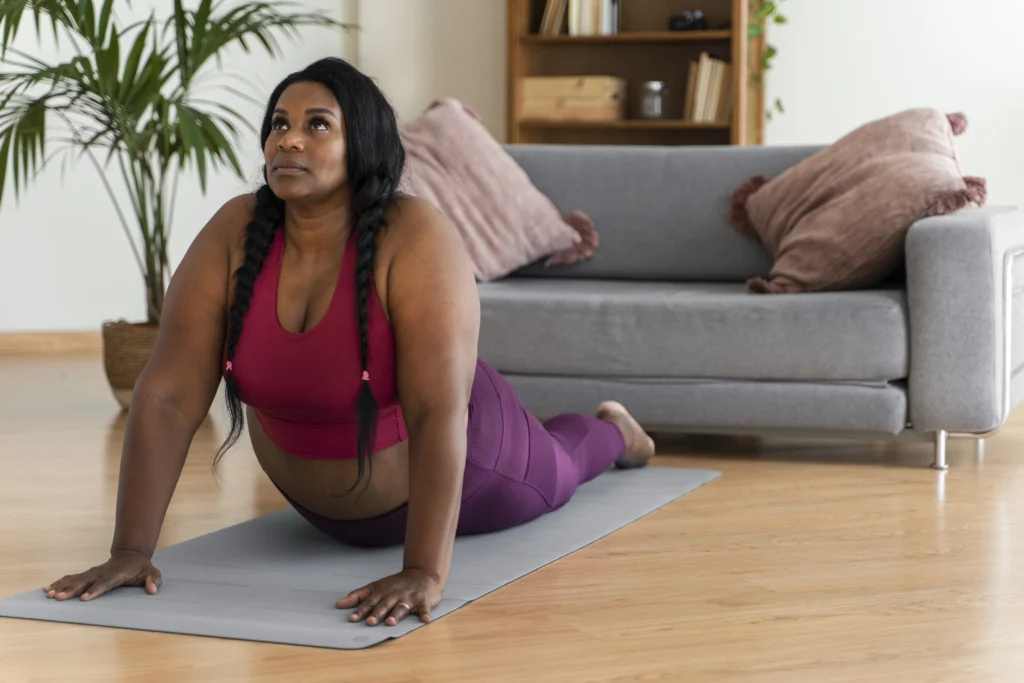
Regular physical activity is one of the most effective lifestyle strategies for managing PCOS.
Exercise benefits women with PCOS regardless of whether they lose weight because it improves insulin sensitivity, supports hormone balance, and enhances overall physical and mental health.
Experts recommend aiming for at least 150 to 300 minutes of moderate-intensity physical activity each week, along with muscle-strengthening activities on at least two days per week.
Consistent exercise may help:
- Improve insulin sensitivity
- Regulate menstrual cycles
- Support ovulation
- Reduce body fat
- Improve cardiovascular health
- Increase energy levels
- Reduce stress and anxiety
- Improve sleep quality
- Lower the risk of type 2 diabetes
The best exercise routine is one that is enjoyable, safe, and sustainable over the long term.
Aerobic Exercise
Aerobic activities increase heart rate and improve cardiovascular fitness while helping the body use insulin more effectively.
Examples include:
- Brisk walking
- Jogging
- Cycling
- Swimming
- Dancing
- Hiking
- Low-impact aerobics
Even 30 minutes of brisk walking on most days of the week can contribute significantly to better metabolic health.
Strength Training
Resistance training helps build lean muscle mass, which increases the body’s ability to utilize glucose and improves insulin sensitivity.
Examples include:
- Bodyweight exercises
- Resistance bands
- Free weights
- Weight machines
- Functional strength exercises
Aim for strength-training sessions at least two to three times per week, allowing adequate recovery between sessions.
Flexibility and Mobility Exercises
Stretching and mobility exercises help improve joint movement, posture, and muscle flexibility while reducing stiffness after workouts.
Activities such as:
- Gentle stretching
- Yoga
- Pilates
can complement aerobic and strength training, improving overall physical function and reducing stress. (World Health Organization)
Prioritize Quality Sleep
Sleep plays a crucial role in regulating hormones involved in metabolism, appetite, and reproductive health.
Poor sleep may worsen insulin resistance, increase hunger hormones, and contribute to weight gain and fatigue.
Women with PCOS are also more likely to experience sleep disturbances, including obstructive sleep apnea, particularly if they are overweight or obese.
Healthy sleep habits include:
- Getting 7 to 9 hours of sleep each night
- Following a consistent sleep schedule
- Avoiding screens before bedtime
- Limiting caffeine late in the day
- Creating a quiet, comfortable sleeping environment
Improving sleep quality may positively influence hormone balance, mood, and overall metabolic health.
Manage Stress Effectively
Living with PCOS can be emotionally challenging. Concerns about fertility, body image, acne, unwanted hair growth, or weight changes may contribute to chronic stress.
Long-term stress can increase cortisol levels, potentially worsening hormonal imbalance and making healthy lifestyle habits more difficult to maintain.
Healthy stress-management techniques include:
- Deep breathing exercises
- Meditation
- Mindfulness practices
- Yoga
- Spending time outdoors
- Reading
- Listening to music
- Talking with supportive family or friends
- Seeking professional counseling when needed
Managing stress benefits both physical and emotional well-being and can improve long-term adherence to healthy habits.
Avoid Smoking and Limit Alcohol
Smoking is associated with numerous health risks and may further increase cardiovascular risk in women with PCOS. It may also worsen androgen levels and negatively affect fertility.
Women with PCOS are encouraged to:
- Avoid smoking completely
- Avoid exposure to secondhand smoke
- Limit alcohol consumption according to medical advice
Making these changes supports reproductive, cardiovascular, and overall health.
Reduce Sedentary Time
Even if you exercise regularly, spending long periods sitting may negatively affect metabolic health.
Simple ways to reduce sedentary time include:
- Standing up every 30–60 minutes
- Taking short walking breaks
- Using stairs instead of elevators
- Walking while talking on the phone
- Performing light stretches during work breaks
- Using a standing desk when possible
Small movement breaks throughout the day can improve circulation, reduce stiffness, and support healthy glucose metabolism.
How Can Physiotherapy Help Women with PCOS?
Physiotherapy plays an important role in helping women adopt safe, structured, and sustainable physical activity.
Rather than focusing only on weight loss, physiotherapists develop individualized exercise programs that address overall health, mobility, and long-term symptom management.
Physiotherapy may help by:
Improving Insulin Sensitivity
Regular aerobic and resistance exercises prescribed by physiotherapists improve how the body responds to insulin, helping regulate blood sugar levels and reduce insulin resistance.
Supporting Healthy Weight Management
Physiotherapists create exercise plans that improve:
- Muscle strength
- Physical endurance
- Body composition
- Functional fitness
These improvements contribute to better metabolic health and sustainable weight management.
Improving Cardiovascular Fitness
Women with PCOS have a higher risk of developing cardiovascular disease over time.
Regular exercise programs help:
- Improve heart health
- Lower blood pressure
- Improve cholesterol levels
- Increase stamina
- Enhance overall physical fitness
Reducing Stress and Improving Mental Well-being
Exercise stimulates the release of endorphins, helping reduce stress, anxiety, and symptoms of depression while improving overall mood and confidence.
Promoting Long-Term Lifestyle Success
One of the greatest benefits of physiotherapy is helping women establish realistic and sustainable exercise habits that can be maintained for years rather than weeks.
Physiotherapists also modify exercise programs based on age, fitness level, joint health, and individual goals, making physical activity safer and more enjoyable. (Teede et al. 2023).
Build Healthy Daily Habits
Managing PCOS is not about following a perfect routine, it is about developing healthy habits that can be maintained consistently over time.
Simple daily habits that can make a lasting difference include:
- Planning balanced meals in advance
- Staying physically active every day
- Drinking enough water
- Sleeping at consistent times
- Managing stress proactively
- Limiting processed foods and sugary beverages
- Tracking menstrual cycles and symptoms
- Attending regular health check-ups
Small, consistent lifestyle improvements often have a greater long-term impact than drastic short-term changes.
By focusing on sustainable habits, women with PCOS can better manage symptoms, improve metabolic health, and enhance their overall quality of life.
Lifestyle Tips for Long-Term PCOS Management
Managing Polycystic Ovary Syndrome (PCOS) is a lifelong journey rather than a short-term goal.
While medications can help control specific symptoms, lasting improvements often come from maintaining healthy daily habits over time.
Consistency is far more effective than following strict diets or intense exercise programs for a few weeks.
Women with PCOS can support their long-term health by:
- Following a balanced and nutritious diet
- Exercising regularly
- Maintaining a healthy body weight
- Sleeping 7 to 9 hours each night
- Managing stress effectively
- Staying hydrated
- Avoiding smoking
- Limiting alcohol consumption
- Attending regular medical check-ups
- Monitoring blood sugar, cholesterol, and blood pressure when recommended
Building sustainable habits not only helps manage current symptoms but also lowers the risk of long-term complications such as type 2 diabetes, cardiovascular disease, and endometrial abnormalities.
When Lifestyle Changes Alone May Not Be Enough
Lifestyle changes are considered the first-line approach for managing PCOS, but they may not completely control symptoms in every woman.
Medical treatment may also be needed if you have:
- Persistent irregular or absent menstrual periods
- Difficulty becoming pregnant
- Severe acne
- Excess facial or body hair
- Hair thinning
- Insulin resistance or type 2 diabetes
- Obesity with significant metabolic complications
- High cholesterol or high blood pressure
Healthcare providers may recommend medications such as metformin, hormonal contraceptives, anti-androgen therapy, or fertility treatments depending on individual symptoms and reproductive goals.
Combining healthy lifestyle habits with appropriate medical care often provides the best outcomes.
Common Mistakes to Avoid
Many women unintentionally adopt habits that make PCOS management more difficult. Avoiding these common mistakes can improve long-term success.
Following Crash Diets
Extremely restrictive diets may result in temporary weight loss but are difficult to maintain and may negatively affect metabolism and nutritional health.
Instead, focus on balanced eating patterns that you can sustain for years.
Exercising Only for Weight Loss
Exercise offers benefits beyond weight management.
Regular physical activity also improves:
- Insulin sensitivity
- Hormonal balance
- Cardiovascular health
- Mood
- Sleep quality
Even if the number on the scale changes slowly, exercise continues to benefit overall health.
Skipping Meals
Skipping meals may lead to overeating later in the day and can contribute to unstable blood sugar levels.
Eating balanced meals at regular intervals supports healthier energy levels and appetite regulation.
Ignoring Mental Health
PCOS can affect emotional well-being as much as physical health.
Seeking support for stress, anxiety, depression, or body image concerns is an important part of comprehensive PCOS management.
Expecting Immediate Results
Lifestyle changes require patience.
Hormonal improvements often develop gradually over several weeks or months.
Small, consistent improvements usually produce better long-term outcomes than dramatic short-term efforts.
Myth vs Fact
| Myth | Fact |
|---|---|
| Weight loss alone cures PCOS. | Weight management improves symptoms, but PCOS requires lifelong management. |
| Only overweight women need lifestyle changes. | Healthy eating and regular exercise benefit women with both Lean PCOS and overweight-related PCOS. |
| Exercise only works if you lose weight. | Exercise improves insulin sensitivity, cardiovascular health, and hormone balance even without significant weight loss. |
| There is one perfect PCOS diet. | There is no universal PCOS diet. A balanced, nutrient-rich eating pattern is recommended. |
Common Myths About Lifestyle Changes and PCOS
Myth 1: Losing weight completely cures PCOS.
Fact: Weight loss may improve symptoms in many women, but PCOS is a lifelong hormonal condition that requires ongoing management.
Myth 2: Women with Lean PCOS do not need lifestyle changes.
Fact: Healthy eating, regular exercise, and stress management benefit women with PCOS regardless of their body weight.
Myth 3: You must follow a very restrictive diet.
Fact: There is no single “PCOS diet.” A balanced, nutrient-rich eating pattern that includes whole foods is generally recommended.
Myth 4: Exercise only helps if you lose weight.
Fact: Regular physical activity improves insulin sensitivity, cardiovascular health, hormone regulation, and mental well-being even without significant weight loss.
Myth 5: Lifestyle changes work overnight.
Fact: Improvements in menstrual cycles, insulin sensitivity, and hormone balance usually occur gradually with consistent healthy habits over time.
Final Thoughts
Managing Polycystic Ovary Syndrome (PCOS) begins with everyday choices. A balanced diet, regular physical activity, quality sleep, stress management, and other healthy lifestyle habits can improve hormone balance, support fertility, enhance metabolic health, and reduce the risk of long-term complications.
Rather than aiming for perfection, focus on making small, sustainable changes that fit your daily routine. Combined with regular medical care when needed, these lifestyle modifications can help you take control of your symptoms and improve your overall health and quality of life for years to come.
Conclusion
Lifestyle changes are the cornerstone of managing Polycystic Ovary Syndrome (PCOS).
Healthy eating, regular physical activity, adequate sleep, stress management, and avoiding harmful habits work together to improve hormonal balance, metabolic health, and overall well-being.
Although every woman’s experience with PCOS is different, adopting sustainable lifestyle habits can reduce symptoms, improve fertility, enhance quality of life, and lower the risk of long-term health complications.
When lifestyle changes are combined with personalized medical care, women with PCOS are better equipped to manage their condition and achieve their health goals. (International Journal of Pharmaceutical Sciences)
Frequently Asked Questions
1. Can lifestyle changes help manage PCOS?
Yes. Healthy eating, regular exercise, quality sleep, stress management, and maintaining a healthy weight can significantly improve many PCOS symptoms.
2. How much exercise is recommended for women with PCOS?
Most adults should aim for 150 to 300 minutes of moderate-intensity physical activity each week, along with strength-training exercises on at least two days.
3. Do women with Lean PCOS also need lifestyle changes?
Yes. Healthy lifestyle habits improve insulin sensitivity, hormone balance, and overall health even when weight loss is not necessary.
4. Can lifestyle changes improve fertility in PCOS?
Yes. Healthy lifestyle modifications can improve ovulation, regulate menstrual cycles, and increase the chances of natural conception in many women.
5. How long does it take to see improvements?
Many women notice gradual improvements over several weeks to months with consistent healthy habits, although results vary depending on individual circumstances.
Stay tuned with us for more health related topics.
Follow us on LinkedIn and Instagram for more.
More Read






Medical Disclaimer!
This article has been reviewed and written under the guidance of our Head Physiotherapist, Dr. Kruti Raj (PT, MUHS,CPT,CMPT). The information shared is intended for educational purposes only and should not be considered a substitute for personalized medical advice, diagnosis, or treatment.
Please consult us or any other qualified healthcare professional before beginning any exercise program, especially if you are experiencing pain, recovering from injury, or managing a medical condition.