


A babymoon travel may be your last peaceful escape during pregnancy, before your baby arrives.
But choosing the wrong destination or traveling at the wrong time could turn your dream vacation into an unexpected challenge.
Preparing for the arrival of a baby is an exciting journey, but it can also be physically demanding and emotionally overwhelming.
Between prenatal appointments, nursery planning, and everyday responsibilities, many expecting parents look for an opportunity to relax before their baby’s arrival.
This is where the idea of a babymoon has become increasingly popular.
A babymoon is a holiday taken during pregnancy that allows couples to spend quality time together before becoming parents.
Whether it is a peaceful beach getaway, a quiet hill station retreat, or a short city break, a babymoon offers an opportunity to rest, reconnect, and create lasting memories.
However, many expectant mothers wonder whether travelling during pregnancy is truly worthwhile and, more importantly, whether it is safe.
Quick Answer
For many women with healthy, uncomplicated pregnancies, a babymoon can be a relaxing and worthwhile experience. Choosing the right time to travel, selecting a comfortable destination, staying hydrated, avoiding strenuous activities, and consulting your healthcare provider before departure can help you enjoy a safe and memorable getaway before your baby arrives.
For many women with healthy, uncomplicated pregnancies, a carefully planned babymoon can provide valuable physical and emotional benefits.
Choosing the right destination, travelling at an appropriate stage of pregnancy, staying hydrated, and avoiding physically demanding activities can make the experience both enjoyable and comfortable.
As physiotherapists, we encourage expecting mothers to approach travel with balance.
A babymoon should not be about fitting as many activities as possible into a few days.
Instead, it should focus on relaxation, gentle movement, adequate rest, and supporting your overall wellbeing.
In this guide,
you’ll learn what a babymoon is, its potential benefits and risks, the best time to travel, how to choose a suitable destination, and practical tips for enjoying a comfortable pregnancy getaway.
Key Takeaways
- A babymoon offers expecting parents an opportunity to relax and spend quality time together before childbirth.
- The second trimester is often the most comfortable time for a babymoon in healthy pregnancies.
- Choose destinations with reliable healthcare facilities and comfortable weather.
- Stay hydrated, eat nutritious meals, and include plenty of rest breaks in your itinerary.
- Wear supportive footwear and avoid physically demanding or high-risk activities.
- Carry prenatal medical records, medications, travel insurance documents, and emergency contact information.
- Seek immediate medical attention if you experience bleeding, contractions, severe pain, or reduced fetal movement.
What Is a Babymoon?
A babymoon is a holiday or short trip taken by expecting parents before the birth of their baby.
Unlike a traditional vacation that may focus on sightseeing or adventure, a babymoon is generally designed around relaxation, comfort, and spending quality time together.
Many couples choose a babymoon to:
- Celebrate their pregnancy.
- Relax before parenthood.
- Reduce stress.
- Strengthen their relationship.
- Enjoy uninterrupted time together.
- Recharge before caring for a newborn.
A babymoon does not need to involve long-distance travel.
Even a weekend getaway close to home can provide meaningful benefits when planned thoughtfully.
Is a Babymoon Worth It During Pregnancy?
For many families, the answer is yes.
A well-planned babymoon offers an opportunity to slow down and priorities wellbeing during a busy stage of life.
Potential benefits include:
- Reduced stress.
- Better emotional wellbeing.
- Improved sleep.
- Gentle physical activity.
- Quality time with your partner.
- Positive memories before your baby’s arrival.
However, every pregnancy is different.
If your healthcare provider advises against travel because of pregnancy complications, postponing your trip is the safest choice.
According to the World Health Organization,
pregnancy care should always be tailored to the individual’s health needs and circumstances.
When Is the Best Time to Plan a Babymoon?
The ideal time for a babymoon varies depending on your pregnancy and overall health.
First trimester
Some women choose to travel during early pregnancy.
However, this stage may involve:
- Morning sickness.
- Food aversions.
- Increased need for rest.
- Fatigue.
These symptoms may reduce your enjoyment of the trip.
Second trimester
Many healthcare professionals consider the second trimester the most comfortable time for travel in uncomplicated pregnancies.
During this stage, many women experience:
- Improved energy.
- Reduced nausea.
- Better mobility.
- Greater overall comfort.
This often makes the second trimester a popular time for planning a babymoon.
Third trimester
Travel later in pregnancy requires additional planning.
Factors to consider include:
- Airline restrictions.
- Cruise policies.
- Access to healthcare.
- Increased physical fatigue.
- Shorter travel distances.
Always discuss travel plans with your healthcare provider before travelling during the third trimester.
Benefits of a Babymoon During Pregnancy
A babymoon can support both physical and emotional wellbeing when planned carefully.
Time to relax
Pregnancy places significant demands on both the body and mind.
A relaxing holiday provides opportunities to:
- Sleep longer.
- Read.
- Enjoy nature.
- Disconnect from daily responsibilities.
- Reduce stress.
Rest plays an important role in supporting overall maternal wellbeing.
Quality time with your partner
Life often becomes much busier after the arrival of a baby.
A babymoon allows couples to:
- Share meals together.
- Take gentle walks.
- Have meaningful conversations.
- Strengthen emotional connection.
- Create lasting memories.
Many parents later describe this uninterrupted time together as one of the highlights of their pregnancy.
Gentle physical activity
Most babymoon destinations naturally encourage comfortable movement.
Examples include:
- Walking along the beach.
- Exploring parks.
- Visiting gardens.
- Easy sightseeing.
- Swimming if medically appropriate.
Gentle activity may help:
- Improve circulation.
- Reduce stiffness.
- Maintain joint mobility.
- Support cardiovascular health.
Better emotional wellbeing
Taking a break from everyday routines often improves mood and reduces stress.
Relaxation, adequate sleep, and enjoyable experiences may contribute positively to emotional wellbeing throughout pregnancy.
Potential Risks to Consider
Although babymoons can be enjoyable, they also require thoughtful planning.
Possible considerations include:
Fatigue
Long journeys, busy sightseeing schedules, and frequent walking may increase tiredness.
Choose an itinerary that allows regular opportunities to rest.
Access to healthcare
Avoid destinations where medical care would be difficult to access in an emergency.
Research nearby hospitals before travelling.
Travel restrictions
Some airlines, cruise operators, and travel insurance providers have pregnancy-specific requirements.
Confirm these before making reservations.
Weather
Very hot or humid climates may increase the risk of dehydration and overheating.
Choose destinations with comfortable weather whenever possible.
Long travel times
Extended flights or road trips may increase discomfort during pregnancy.
Shorter journeys often provide a more enjoyable experience.
Choosing the Right Babymoon Destination
The best destination is one that prioritizes comfort rather than adventure.
Good options may include:
Beach resorts
Peaceful beaches provide opportunities for relaxation, gentle walking, and swimming in calm water if medically appropriate.
Hill stations
Mountain destinations with moderate elevations often offer pleasant weather and beautiful scenery.
Choose locations with reliable healthcare facilities nearby.
City breaks
Short city holidays with comfortable accommodation and easy transportation can provide a relaxing change of scenery without extensive physical demands.
Wellness resorts
Some resorts offer pregnancy-friendly wellness experiences such as prenatal massage performed by qualified professionals, relaxation programs, and nutritious dining options.
Always confirm that treatments are specifically designed for pregnant women.
A Babymoon Should Leave You Feeling Better, Not More Tired
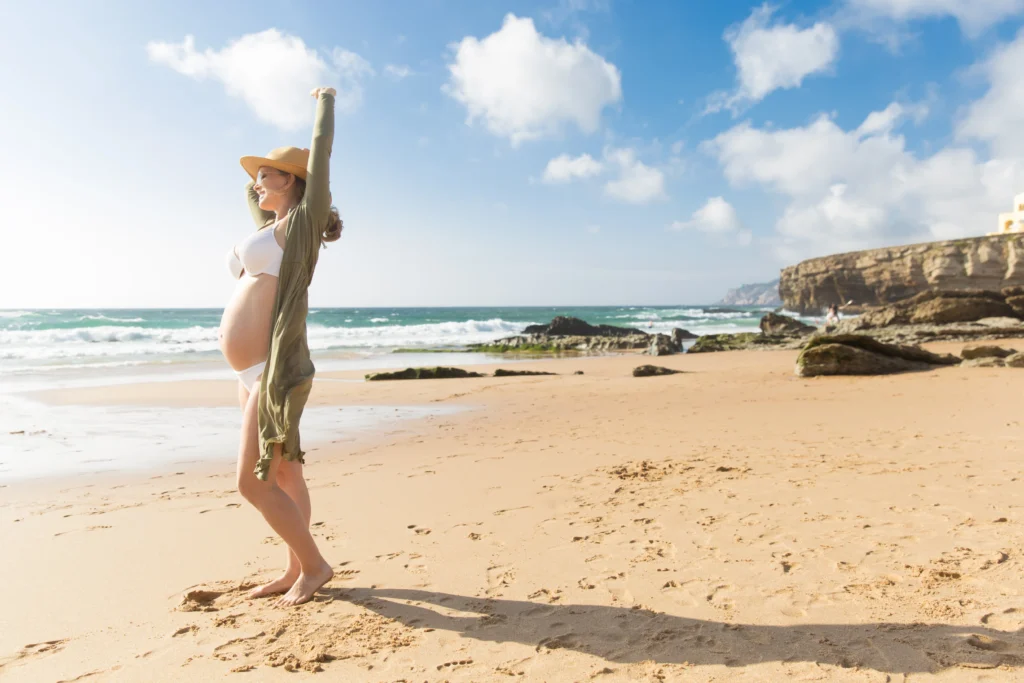
As physiotherapists, we often encourage expecting mothers to think differently about holiday planning.
Instead of trying to visit every attraction, focus on activities that support your wellbeing.
A successful babymoon usually includes:
- Gentle walking.
- Comfortable seating.
- Regular hydration.
- Nutritious meals.
- Frequent rest breaks.
- Flexible daily plans.
The goal is not to complete an itinerary but to return home feeling refreshed, relaxed, and physically comfortable.
How to Plan a Comfortable Babymoon
A little preparation can make your babymoon more enjoyable and reduce unnecessary stress during your trip.
Choose comfortable accommodation
Look for accommodation that offers:
- Comfortable bedding.
- Easy access to elevators if available.
- Air conditioning or heating, depending on the climate.
- Healthy dining options.
- Nearby medical facilities.
- Quiet surroundings for restful sleep.
Reading recent guest reviews may also help you assess comfort and accessibility.
Plan realistic daily activities
Avoid trying to see every attraction in a short period.
Instead:
- Schedule one or two activities each day.
- Allow time for afternoon rest.
- Avoid long periods of standing.
- Build flexibility into your itinerary.
Your body may need more frequent breaks than usual during pregnancy.
Stay hydrated
Hydration is essential throughout pregnancy, particularly while travelling.
Carry a reusable water bottle and drink fluids regularly.
Adequate hydration helps support:
- Healthy circulation.
- Temperature regulation.
- Digestion.
- Overall comfort.
Eat nutritious meals
Travelling often changes meal routines, but maintaining balanced nutrition remains important.
Choose meals that include:
- Fresh fruits and vegetables.
- Whole grains.
- Lean protein sources.
- Healthy fats.
Carry healthy snacks such as fruit, yoghurt, nuts (if tolerated), or whole-grain crackers to avoid long gaps between meals.
Purchase pregnancy-safe travel insurance
Before travelling, ensure your travel insurance covers pregnancy-related medical care where appropriate.
Review the policy carefully so you understand:
- Medical coverage.
- Emergency assistance.
- Hospital admission.
- Medical evacuation, if applicable.
Having suitable insurance provides added reassurance throughout your trip.
Safe Activities During a Babymoon
A babymoon is about relaxation rather than adventure.
Many enjoyable activities are suitable during pregnancy.
These include:
- Gentle beach walks.
- Nature walks on even paths.
- Visiting botanical gardens.
- Photography.
- Relaxing by the pool.
- Swimming if approved by your healthcare provider.
- Reading.
- Couples’ dining experiences.
- Prenatal spa treatments performed by trained professionals.
Choose activities that allow you to stop and rest whenever necessary.
Activities to Avoid
Some holiday activities carry unnecessary risks during pregnancy.
Avoid activities with a high risk of falls, injury, or excessive physical strain unless specifically approved by your healthcare provider.
Examples include:
- Scuba diving.
- Parasailing.
- Bungee jumping.
- Rock climbing.
- High-altitude trekking.
- White-water rafting.
- Horse riding.
- High-impact adventure sports.
- Long, strenuous hikes.
Selecting low-impact activities allows you to enjoy your holiday more safely.
What Should You Pack for a Babymoon?
Packing thoughtfully can improve comfort throughout your trip.
Consider bringing:
- Prenatal medical records.
- Current medications.
- Comfortable clothing.
- Supportive walking shoes.
- Sunscreen.
- Hat and sunglasses.
- Healthy snacks.
- Reusable water bottle.
- Travel insurance documents.
- Emergency contact information.
- Pregnancy pillow if travelling by car or staying for an extended period.
Preparing in advance reduces last-minute stress.
Warning Signs That Mean You Should Seek Medical Care Immediately
Even during a relaxing holiday, it is important to recognize symptoms that require urgent medical assessment.
Seek immediate medical attention if you experience:
- Vaginal bleeding.
- Leakage of amniotic fluid.
- Severe abdominal pain.
- Regular contractions.
- Persistent vomiting.
- Chest pain.
- Difficulty breathing.
- Severe headache with vision changes.
- Persistent dizziness or fainting.
- Reduced fetal movement later in pregnancy.
According to the World Health Organization, recognizing pregnancy warning signs early and seeking prompt medical care are important for protecting both maternal and fetal health.
Common Mistakes to Avoid
Many pregnancy-related travel problems can be prevented with careful planning.
Avoid these common mistakes:
- Booking an overly busy itinerary.
- Choosing destinations with limited healthcare access.
- Travelling without pregnancy-safe travel insurance.
- Forgetting prenatal medical records.
- Ignoring fatigue.
- Skipping meals.
- Drinking too little water.
- Wearing uncomfortable footwear.
- Trying to keep up with faster travel companions.
A slower, more flexible approach often leads to a more enjoyable babymoon.
A Physiotherapist’s Perspective: Slow Travel Is Healthy Travel
As physiotherapists, we encourage expecting mothers to think of a babymoon as an opportunity to support their physical wellbeing rather than challenge it.
Simple habits can make a significant difference:
- Walk at a comfortable pace.
- Wear supportive footwear with good cushioning.
- Change positions regularly during long periods of sitting.
- Stretch gently if comfortable.
- Take breaks before fatigue develops.
- Avoid carrying heavy luggage.
- Listen to your body’s signals instead of following a strict schedule.
These strategies help reduce muscle fatigue, improve circulation, and support balance while allowing you to enjoy your holiday more comfortably.
Myth vs Fact
| Myth | Fact |
|---|---|
| Every pregnant woman should take a babymoon. | A babymoon is a personal choice. Whether it is suitable depends on your health, pregnancy, destination, and your healthcare provider’s advice. |
| A babymoon has to involve international travel. | A relaxing weekend close to home can provide many of the same emotional and physical benefits as a long-distance holiday. |
| A busy itinerary helps you make the most of your babymoon. | A slower schedule with regular breaks, gentle activities, and adequate rest is usually more comfortable during pregnancy. |
| Feeling well means you do not need to prepare for emergencies. | Even healthy pregnancies benefit from carrying medical records, travel insurance, and knowing where to access healthcare if needed. |
A Sample Pregnancy-Friendly Babymoon Itinerary
Planning a relaxed schedule can help you enjoy your trip without becoming exhausted.
Morning
- Enjoy a nutritious breakfast.
- Take a gentle walk outdoors.
- Drink water regularly.
- Visit one nearby attraction.
Midday
- Eat a balanced lunch.
- Return to your accommodation for a short rest.
- Elevate your feet if they feel swollen.
Afternoon
- Spend time reading by the pool or beach.
- Visit a local café or garden.
- Take photographs and enjoy the scenery.
Evening
- Have a light dinner.
- Take a short walk if comfortable.
- Relax and aim for an early night’s sleep.
Keeping your itinerary flexible allows you to adjust your plans based on how you feel each day.
Final Thoughts
A thoughtfully planned babymoon can provide valuable time to rest, reconnect with your partner, and prepare emotionally for parenthood. Choosing a comfortable destination, listening to your body’s needs, and travelling at a relaxed pace can help make your holiday both enjoyable and safe. Before booking your trip, discuss your travel plans with your healthcare provider to ensure they are appropriate for your pregnancy.
Conclusion
A babymoon can be a rewarding way to relax, reconnect with your partner, and prepare emotionally for parenthood when planned thoughtfully.
Choosing the right stage of pregnancy, selecting a comfortable destination, pacing your activities, staying hydrated, and ensuring access to appropriate healthcare can help make your trip both safe and enjoyable.
Every pregnancy is unique, so discussing your travel plans with your healthcare provider before departure is always recommended.
From a physiotherapist’s perspective, the most successful babymoon is one that supports your changing body’s needs rather than pushing its limits.
Gentle movement, good posture, supportive footwear, adequate rest, and realistic daily plans can help reduce fatigue and improve comfort throughout your holiday.
By focusing on relaxation instead of a packed itinerary, you can return home refreshed and ready for the exciting journey into parenthood.
Frequently Asked Questions
Here are answers to common questions about planning and enjoying a babymoon safely during pregnancy.
1. What is a babymoon?
A babymoon is a holiday taken by expecting parents before their baby’s birth to relax, spend quality time together, and prepare for parenthood.
2. When is the best time to plan a babymoon?
For many women with healthy pregnancies, the second trimester is often the most comfortable time to travel because energy levels may be higher and morning sickness is often reduced.
3. What activities are safe during a babymoon?
Gentle walking, swimming if approved by your healthcare provider, sightseeing, reading, relaxing by the beach or pool, and pregnancy-friendly spa treatments are generally suitable options.
4. What should I pack for a babymoon?
Pack prenatal medical records, medications, travel insurance documents, comfortable clothing, supportive footwear, healthy snacks, sunscreen, and emergency contact information.
5. When should I seek medical attention during a babymoon?
Seek urgent medical care if you experience vaginal bleeding, severe abdominal pain, contractions, leakage of amniotic fluid, chest pain, breathing difficulties, or reduced fetal movement.
6. Is travel insurance important for a babymoon?
Yes. Travel insurance that includes pregnancy-related medical cover, where applicable, can provide financial protection and access to emergency assistance during your trip.
Stay tuned with us for more health related topics.
Follow us on LinkedIn and Instagram for more.
More Read


Medical Disclaimer!
This article has been reviewed and written under the guidance of our Head Physiotherapist, Dr. Kruti Raj (PT, MUHS,CPT,CMPT). The information shared is intended for educational purposes only and should not be considered a substitute for personalized medical advice, diagnosis, or treatment.
Please consult us or any other qualified healthcare professional before beginning any exercise program, especially if you are experiencing pain, recovering from injury, or managing a medical condition.


