


The best shoes for pregnant travelers can do much more than keep your feet comfortable.
Travelling during pregnancy often means spending more time on your feet than usual.
Whether you are exploring a new city, walking through a large airport, visiting tourist attractions, or simply moving between transport hubs,
comfortable footwear can make a significant difference to how you feel throughout the day.
Many expecting mothers notice that their favorite shoes no longer feel as comfortable as pregnancy progresses.
Feet may become slightly larger, swelling can develop after long periods of standing or walking, and changes in posture may place extra pressure on the arches, heels, and ankles.
Wearing shoes that do not provide enough support can contribute to foot pain, leg fatigue, lower back discomfort, and reduced enjoyment of your trip.
Quick Answer
The best walking shoes for pregnant travelers are lightweight, supportive, well-cushioned, and provide good arch support with a secure fit. They should accommodate mild foot swelling, reduce pressure on your joints, improve stability, and help you stay comfortable while walking through airports, sightseeing, or exploring new destinations.
The good news is that choosing the right walking shoes can help support your feet, improve stability, and reduce the physical strain associated with travel during pregnancy.
As physiotherapists, we often remind pregnant women that comfortable walking begins from the ground up.
Your shoes influence how your feet absorb impact, how your joints move, and how your muscles work throughout the day.
Selecting supportive footwear is not simply about comfort. It is also an important part of protecting your overall mobility during pregnancy.
In this guide,
you’ll learn why your feet change during pregnancy, which features make a walking shoe suitable for pregnant travelers, common footwear mistakes to avoid, and practical tips to help you stay comfortable throughout your journey.
Key Takeaways
- Supportive walking shoes help reduce foot, knee, hip, and lower back discomfort during pregnancy.
- Choose shoes with good cushioning, arch support, and a stable heel.
- Buy shoes later in the day when mild swelling is more noticeable for a better fit.
- Break in new shoes before travelling to avoid blisters and discomfort.
- Compression socks may improve comfort and support circulation during long travel days.
- Avoid high heels, worn-out trainers, and unsupportive flip-flops for extended walking.
- Comfort and stability are more important than fashion when choosing travel footwear during pregnancy.
Why Do Your Feet Change During Pregnancy?
Many women are surprised when their shoes begin to feel tighter during pregnancy.
These changes are common and occur for several reasons.
Hormonal changes
Pregnancy hormones help prepare the body for childbirth by increasing the flexibility of ligaments and connective tissues.
Although these hormonal changes are essential for labor, they can also affect the small ligaments that support your feet.
As a result, your feet may become slightly wider or flatter than before pregnancy.
Increased body weight
As your pregnancy progresses, your feet naturally support more weight.
This additional load increases pressure on:
- Your heels.
- The arches of your feet.
- Your ankles.
- Your toes.
Shoes that once felt comfortable may no longer provide enough cushioning or stability to the pregnant travelers.
Fluid retention
Swollen feet and ankles are common, particularly later in pregnancy or after standing and walking for extended periods.
Long travel days can make swelling more noticeable because prolonged standing and sitting may temporarily reduce circulation.
According to (Heideveld-Gerritsen et al. 2021), physical changes affecting mobility and comfort are common during pregnancy and vary between individuals.
Why Are Good Walking Shoes So Important During Pregnancy?
Many people think comfortable shoes simply prevent sore feet.
In reality, supportive footwear influences the entire body.
When your feet are well supported, they provide a more stable foundation for:
- Your ankles.
- Knees.
- Hips.
- Pelvis.
- Lower back.
Poor footwear may contribute to:
- Foot pain.
- Heel discomfort.
- Tired legs.
- Reduced balance.
- Lower back pain.
- Earlier fatigue during sightseeing or long walks.
For pregnant travelers, comfortable shoes can make the difference between enjoying a day of exploring and needing frequent breaks because of discomfort.
What Makes a Walking Shoe Pregnancy Friendly?
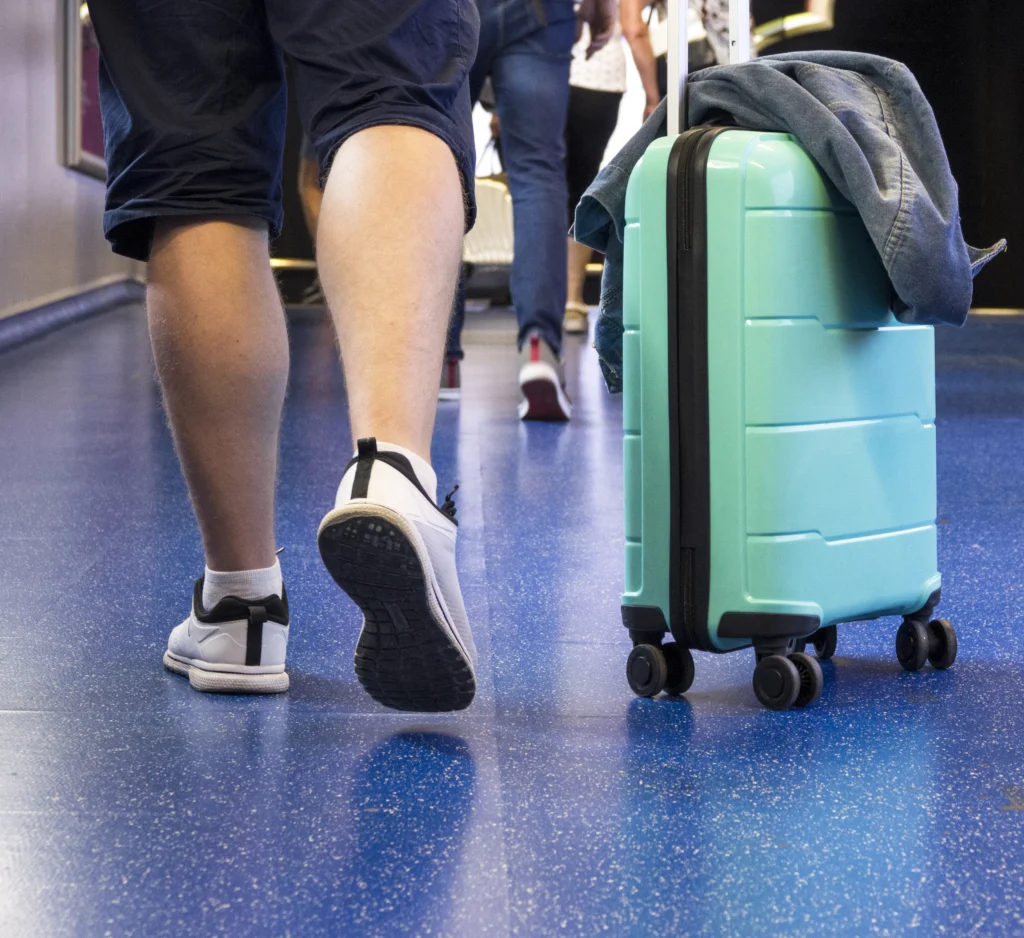
Rather than focusing on a particular brand, it is more helpful to understand the features that support your changing body.
Good arch support
The arch of your foot helps absorb impact while walking.
As pregnancy progresses, changes in body weight and ligament flexibility may increase stress on the arches.
Shoes with appropriate arch support may improve comfort during longer periods of walking to the pregnant travelers.
Soft cushioning
Walking on hard airport floors, pavements, and tourist attractions places repeated pressure on your feet.
Well-cushioned shoes help absorb some of this impact.
Good cushioning may also reduce fatigue after spending several hours on your feet.
Stable heel support
A supportive heel counter helps keep your foot positioned more securely inside the shoe.
This can improve overall stability while walking on different surfaces.
Avoid shoes with excessively soft or collapsible heel sections that allow your foot to move excessively.
Flexible forefoot
The front part of the shoe should bend naturally where your toes bend while walking.
Shoes that are too stiff may feel uncomfortable during longer walks.
At the same time, shoes that bend too easily throughout their entire length often provide less support.
Lightweight design
Heavy footwear increases the amount of effort required with every step.
Choosing lighter walking shoes may reduce fatigue during long sightseeing days.
Cushioning or Stability: Which Is More Important?
Many shoe advertisements emphasize maximum cushioning.
Others promote stability.
The truth is that both features matter.
Cushioning
Cushioning helps reduce the impact of repeated walking.
It is especially helpful when travelling through airports or exploring cities with hard walking surfaces.
Stability
Stability helps control unnecessary foot movement.
Pregnancy naturally changes your center of gravity.
Supportive shoes may help you feel more balanced during walking.
From a physiotherapist’s perspective, the best walking shoes usually combine comfortable cushioning with appropriate stability rather than focusing on only one feature.
Should You Buy a Bigger Shoe Size During Pregnancy?
Some women discover that their feet increase slightly in size during pregnancy.
However, buying shoes that are excessively large is rarely helpful.
Instead:
- Measure your feet before purchasing new shoes.
- Try shoes later in the day when mild swelling is more noticeable.
- Leave approximately one thumb’s width of space in front of your longest toe.
- Ensure the shoe feels secure around your heel.
If your feet become noticeably swollen during travel, adjustable laces or straps often provide more flexibility than rigid footwear.
Slip-On Shoes or Lace-Up Shoes?
Both styles have advantages.
Slip-on shoes
Slip-on shoes are convenient during airport security checks and short walks.
However, they should still provide:
- Good heel support.
- A secure fit.
- Adequate cushioning.
Avoid loose slip-on shoes that require your toes to grip continuously while walking.
Lace-up walking shoes
Lace-up shoes often provide a more customized fit.
As swelling changes throughout the day, adjusting the laces may improve comfort.
For longer sightseeing days, lace-up walking shoes are often the better choice because they provide greater overall support.
What Shoes Should Pregnant Travelers Avoid?
Certain footwear may increase discomfort during pregnancy.
These include:
- High heels.
- Very flat shoes with minimal cushioning.
- Worn-out trainers.
- Flip-flops for prolonged walking.
- Shoes that are too tight.
- Shoes with slippery soles.
- Narrow toe boxes that squeeze swollen feet.
These styles may increase strain on your feet, affect balance, and contribute to fatigue during long travel days.
A Physiotherapist’s Perspective: Your Feet Support Every Step of Your Journey
Many women focus on packing clothes, travel documents, and toiletries before a trip.
Footwear often becomes an afterthought.
As physiotherapists, we see the opposite.
Your shoes influence every step you take throughout your holiday.
Supportive footwear can help reduce pressure on your feet, improve comfort during long walks, and lessen the strain placed on your knees, hips, and lower back.
When your feet feel comfortable, you are more likely to stay active, enjoy sightseeing, and finish the day with more energy.
Choosing the right shoes before your trip is one of the simplest investments you can make in a more enjoyable pregnancy travel experience.
Should You Wear Compression Socks with Walking Shoes?
Many pregnant travelers wonder whether supportive walking shoes alone are enough or if compression socks can provide additional benefits.
Compression socks apply gentle pressure to the lower legs, which may help support circulation during prolonged standing or walking.
They are commonly recommended for travelers who spend long periods on their feet or remain seated for extended durations.
Depending on your individual circumstances and the advice of your healthcare provider, compression socks may help:
- Reduce mild ankle and foot swelling.
- Improve leg comfort during long travel days.
- Support healthy circulation.
- Reduce feelings of heaviness in the legs.
Compression socks should fit correctly and should not be excessively tight.
If you have circulatory problems or a medical condition affecting your legs, seek medical advice before using them.
Break in Your Shoes Before You Travel
One of the biggest mistakes travelers make is wearing brand-new shoes for the first time on holiday.
Even high-quality walking shoes need time to adapt to your feet.
Before your trip:
- Wear your new shoes around the house.
- Take short neighborhood walks.
- Gradually increase walking time over several days.
- Check for rubbing, pressure points, or discomfort.
This helps identify any problems before you spend an entire day exploring a new destination.
Replace Worn-Out Walking Shoes
Many people continue wearing shoes long after they have lost their supportive features.
Although the outside may still look acceptable, the cushioning and internal support often deteriorate over time.
Consider replacing your walking shoes if you notice:
- Uneven sole wear.
- Reduced cushioning.
- Heel instability.
- Torn lining.
- Persistent foot discomfort despite wearing the shoes.
Supportive footwear works best when it is in good condition.
Pack More Than One Pair of Shoes
If your luggage allows, consider taking two comfortable pairs of supportive shoes.
This offers several advantages:
- Allows shoes to dry fully if they become wet.
- Gives your feet a slightly different pressure pattern each day.
- Provides a backup if one pair becomes uncomfortable.
- Reduces the chance of developing pressure points during long holidays.
Alternating between two supportive pairs may improve overall comfort during extended travel.
Choose Breathable Materials
Pregnancy can increase body temperature, making feet feel warmer than usual.
Shoes made from breathable materials help improve airflow and may reduce discomfort during long sightseeing days.
Look for features such as:
- Breathable mesh uppers.
- Moisture-wicking linings.
- Lightweight construction.
- Flexible fabrics that accommodate mild swelling.
Good ventilation also helps reduce moisture buildup inside the shoe.
How Walking Shoes Can Help Reduce Back Pain During Travel
Footwear influences far more than just your feet.
When shoes absorb impact effectively and provide appropriate support, they can reduce the stress transferred through your:
- Ankles.
- Knees.
- Hips.
- Pelvis.
- Lower back.
Poorly fitting shoes may alter your walking pattern, increasing muscle fatigue and placing unnecessary strain on your posture.
While supportive shoes cannot prevent every pregnancy-related ache, they can contribute to greater overall comfort during extended periods of walking.
Research published in peer-reviewed musculoskeletal journals has shown that appropriate footwear can influence walking mechanics and lower-limb loading,
supporting comfort during prolonged activity. (Sullivan et al. 2015)
A Simple Buying Checklist Before Your Trip
Before purchasing walking shoes, ask yourself these questions:
- Do they feel comfortable immediately?
- Is there enough room for my toes?
- Does my heel feel secure?
- Is the sole flexible at the front?
- Do they provide good cushioning?
- Are they lightweight?
- Can I comfortably walk for at least 20 to 30 minutes in them?
- Can I adjust the fit if my feet swell during the day?
If the answer is “yes” to most of these questions, the shoes are likely to be a good option for travel.
Common Footwear Mistakes Pregnant Travelers Make
Many discomforts that develop during travel are linked to footwear choices rather than the journey itself.
Some common mistakes include:
- Wearing completely new shoes on the first day of the trip.
- Choosing shoes based only on appearance.
- Wearing flip-flops for full days of sightseeing.
- Ignoring mild foot pain until it becomes severe.
- Wearing shoes that are too small despite pregnancy-related swelling.
- Continuing to wear shoes with worn-out soles.
- Forgetting to pack comfortable walking shoes altogether.
Making thoughtful footwear choices before your journey often prevents many of these problems.
A Physiotherapist’s Perspective: Comfortable Feet Keep You Moving
As physiotherapists, we know that movement plays an important role in maintaining mobility, circulation, and overall wellbeing during pregnancy.
When your feet become painful, everything else becomes more difficult.
You may:
- Walk less.
- Take fewer sightseeing breaks.
- Feel more tired.
- Develop compensatory movement patterns.
- Experience increased back or hip discomfort.
Supportive walking shoes encourage comfortable movement throughout the day, helping you remain active without placing unnecessary stress on your body.
Rather than searching for the most fashionable shoes, choose footwear that supports the activities you plan to enjoy during your trip.
Your feet carry you through every airport terminal, museum, park, and city street. Looking after them is an important part of looking after yourself.
When Should You Seek Professional Advice About Foot Pain?
Some foot discomfort is common during pregnancy, especially after a long day of walking.
However, persistent or severe pain should not be ignored.
Speak with your healthcare provider or physiotherapist if you experience:
- Pain that continues despite resting.
- Significant swelling affecting only one foot or leg.
- Difficulty walking.
- Persistent heel pain.
- Numbness or tingling.
- Sudden changes in your ability to bear weight.
Early assessment may help identify problems before they interfere with your daily activities or travel plans.
Myth vs Fact
| Myth | Fact |
|---|---|
| Any comfortable trainers are suitable during pregnancy. | Shoes should also provide proper arch support, cushioning, and stability to accommodate pregnancy-related changes. |
| Buying larger shoes automatically solves pregnancy foot swelling. | Shoes should fit correctly and allow enough room for natural swelling without being excessively loose. |
| Flip-flops are ideal for sightseeing because they are lightweight. | Most flip-flops provide very little support and may increase fatigue during long walks. |
| Foot pain is simply part of pregnancy and cannot be improved. | Supportive footwear, regular movement, and physiotherapy advice can significantly improve comfort for many women. |
Conclusion
The best walking shoes for pregnant travelers are those that provide comfort, stability, cushioning, and a secure fit while allowing your feet to adapt to the natural changes that occur during pregnancy.
Supportive footwear can reduce pressure on your feet, improve balance, lessen fatigue, and contribute to greater comfort while exploring airports, cities, and holiday destinations.
From a physiotherapist’s perspective, good walking shoes are not simply an accessory.
They form the foundation for healthy movement throughout your journey.
Choosing supportive footwear, breaking in new shoes before your trip, taking regular movement breaks, and listening to your body’s signals can help you stay active and enjoy your travels with greater confidence.
Every pregnancy is unique.
If you experience persistent foot pain, significant swelling, or difficulty walking, seek professional advice before continuing your travel plans.
Looking after your feet is one of the simplest ways to support your comfort, mobility, and wellbeing throughout pregnancy.
Final Thoughts
Supportive walking shoes are one of the simplest ways to make pregnancy travel more comfortable. Investing in well-fitting footwear with good cushioning and stability can reduce strain on your feet and joints, helping you stay active throughout your journey. Combined with regular movement, hydration, and sensible travel planning, the right shoes can make exploring new places a much more enjoyable experience.
Frequently Asked Questions
Here are answers to common questions about choosing the best walking shoes during pregnancy.
1. What type of walking shoes are best during pregnancy?
Choose lightweight shoes with good cushioning, arch support, a secure heel, and enough room to accommodate mild swelling.
2. Should I buy a larger shoe size while pregnant?
Not necessarily. Measure your feet and choose shoes that fit comfortably with a little extra room for natural swelling.
3. Are compression socks helpful for pregnant travelers?
Compression socks may help support circulation and reduce mild swelling during long periods of standing, walking, or travelling. Ask your healthcare provider if they are suitable for you.
4. Can poor footwear contribute to back pain during pregnancy?
Yes. Shoes with inadequate support may alter walking mechanics and increase stress on the feet, knees, hips, and lower back.
5. Should I wear brand-new shoes on my holiday?
No. Break in new shoes before travelling to reduce the risk of blisters and discomfort during long walks.
6. When should I seek professional advice about foot pain during pregnancy?
Consult your healthcare provider or physiotherapist if foot pain is severe, persistent, affects only one leg, or makes walking difficult.
Stay tuned with us for more health related topics.
Follow us on LinkedIn and Instagram for more.
More Read


Medical Disclaimer!
This article has been reviewed and written under the guidance of our Head Physiotherapist, Dr. Kruti Raj (PT, MUHS,CPT,CMPT). The information shared is intended for educational purposes only and should not be considered a substitute for personalized medical advice, diagnosis, or treatment.
Please consult us or any other qualified healthcare professional before beginning any exercise program, especially if you are experiencing pain, recovering from injury, or managing a medical condition.


