


One of the most overlooked aspects in clinical practice is the bi-directional relationship between insomnia and headaches.
It’s not just that poor sleep causes headaches, headaches also worsen sleep quality, creating a vicious cycle.
A longitudinal study in Sleep Journal found that individuals with chronic headaches were significantly more likely to develop insomnia over time, confirming this two-way relationship. (Academic Oup)
Quick Answer
Insomnia can cause headaches by increasing pain sensitivity, disrupting brain function, and creating muscle tension—especially in the neck and shoulders. Treating both sleep and physical posture is key for long-term relief.
Key Takeaways
- Insomnia significantly increases headache risk
- Poor sleep affects pain sensitivity and muscle recovery
- Neck posture plays a major role in sleep-related headaches
- Physiotherapy can treat the root cause effectively
- Simple lifestyle changes can prevent chronic headaches
How This Cycle Works
- Poor sleep → increases pain sensitivity
- Pain → disrupts sleep architecture
- Fragmented sleep → reduces healing
- Reduced healing → more headaches
From a physiotherapy standpoint, breaking this cycle requires addressing both sleep mechanics and musculoskeletal dysfunction simultaneously.
The Role of the Nervous System
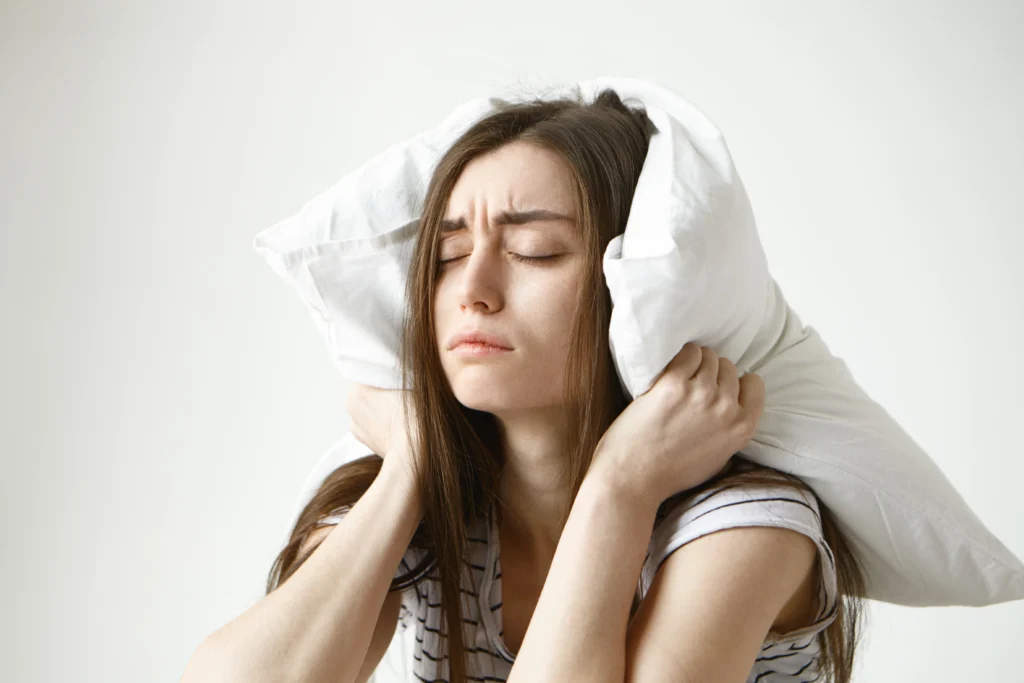
A lesser-known but clinically crucial concept is central sensitization.
This is when your nervous system becomes overly sensitive, meaning:
- Even mild triggers cause pain
- Pain lasts longer than expected
- Headaches become chronic
A study in The Lancet Neurology highlights how sleep deprivation contributes to central sensitization by altering brain pathways involved in pain processing. (Thelancet)
Why This Matters
If insomnia persists:
- Your brain “learns” pain
- Headaches become easier to trigger
- Recovery takes longer
This explains why some people develop chronic daily headaches even with minor sleep disturbances.
Circadian Rhythm Disruption
Your body follows a natural internal clock called the circadian rhythm.
When disrupted (due to late nights, shift work, or irregular schedules), it affects:
- Hormone release
- Brain activity
- Pain perception
Research in Current Neurology and Neuroscience Reports shows that circadian misalignment is strongly linked to migraine frequency. (Springer)
Clinical Insight
Patients who:
- Sleep at inconsistent times
- Stay awake past midnight regularly
- Wake up at different hours daily
often report persistent headaches despite adequate sleep duration.
So it’s not just how much you sleep, it’s when you sleep.
Calculate your ideal sleep here: “Sleep Calculator“
The Gut–Brain–Sleep Connection
This is a fascinating and relatively new area.
Your gut microbiome influences:
- Sleep quality
- Inflammation
- Brain signaling
A study in Frontiers in Psychiatry suggests that gut imbalance can contribute to both insomnia and headaches through inflammatory pathways. (Frontiersin)
Lesser-Known Fact
Poor sleep can:
- Alter gut bacteria
- Increase inflammation
- Trigger headaches the next day
What Helps
- Light dinner (2-3 hours before sleep)
- Avoid heavy, spicy, or late-night meals
- Include magnesium-rich foods
Sleep Positions and Their Direct Impact on Headaches
This is one of the most practical yet ignored factors.
Worst Sleep Positions
- Stomach sleeping → extreme neck rotation
- Twisted spine posture → uneven muscle loading
Best Sleep Positions
- Back sleeping with neck support
- Side sleeping with neutral spine
A study in Journal of Physical Therapy Science found that improper sleep posture significantly increases cervical spine stress and headache frequency. (NCBI)
Breathing Disorders
Even if you don’t have diagnosed sleep apnea, subtle breathing issues can cause headaches.
Examples
- Mouth breathing
- Shallow chest breathing
- Snoring
These reduce oxygen supply and increase carbon dioxide imbalance.
Morning Headache Clue
If you wake up with:
- Dry mouth
- Heavy head
- Fatigue
Breathing dysfunction could be a hidden cause.
The Role of Magnesium Deficiency
This is a clinically important and often missed factor.
Magnesium helps:
- Relax muscles
- Regulate sleep
- Reduce nerve excitability
A study in Nutrients Journal found magnesium deficiency is linked to both insomnia and migraines. (MDPI)
Signs You Might Be Deficient
- Muscle tightness
- Poor sleep quality
- Frequent headaches
How Stress Amplifies Insomnia Headaches
Stress is not just psychological, it’s physiological.
It causes:
- Muscle tightening
- Increased cortisol
- Poor sleep onset
A study in Headache Journal confirms stress as one of the strongest predictors of both insomnia and tension-type headaches. (Headache Journal)
Advanced Physiotherapy Techniques for Long-Term Relief
Beyond basic exercises, here are deeper interventions:
1. Dry Needling
Dry Needling targets trigger points in neck muscles.
2. Craniosacral Therapy
Helps regulate nervous system and improve sleep quality.
3. Vestibular Rehabilitation
Useful in patients with dizziness + headaches.
4. Neuromuscular Re-education
Retrains posture and movement patterns.
Night Routine That Actually Works
Here’s a physiotherapist-approved sequence:
Step 1: Digital Sunset (60 mins before bed)
Reduces brain stimulation.
Step 2: Gentle Mobility (5-7 mins)
Focus on:
- Neck rotations
- Shoulder rolls
Step 3: Breathing Practice (3 mins)
- Inhale 4 sec
- Exhale 6 sec
Step 4: Sleep Position Setup
- Correct pillow height
- Neutral spine
Morning Routine to Break the Headache Cycle
Most people ignore mornings, but they’re crucial.
Do This Immediately After Waking
- Hydrate (1 glass water)
- Gentle neck stretches
- Natural sunlight exposure
This helps reset your circadian rhythm and reduces headache risk.
Things To Do
1. Fix Your Sleep Schedule
Go to bed and wake up at the same time daily.
2. Use a Neutral Pillow
Your neck should align with your spine.
3. Do a 5-Minute Night Stretch Routine
Reduces muscle tension before sleep.
4. Stay Hydrated
Drink water 1-2 hours before bed.
5. Limit Caffeine After 2 PM
Caffeine can stay in your system for 6-8 hours.
Things To Avoid
- Sleeping on your stomach
- Using very high pillows
- Late-night scrolling
- Ignoring neck stiffness
- Skipping physical activity
Weather, Environment, and Sleep Quality
Environmental factors play a bigger role than most people realize.
Triggers
- Room too hot or too cold
- Poor ventilation
- Noise disturbances
A study in Indoor Air Journal found that sleep quality improves significantly with proper ventilation and temperature control. (Online Library)
Technology-Induced Insomnia Headaches
This is rapidly increasing in younger populations.
Why Screens Are Dangerous
- Blue light delays sleep
- Mental stimulation keeps brain active
- Neck posture worsens
Lesser-Known Tip
Even 10 minutes of phone use in bed can delay sleep onset significantly.
Nutrition Strategies for Prevention
Foods That Help
- Almonds (magnesium)
- Bananas (muscle relaxation)
- Chamomile tea (sleep aid)
Foods To Avoid at Night
- Spicy food
- Sugary snacks
- Heavy meals
Why Painkillers Alone Don’t Work Long-Term
Many patients rely on medication, but:
- They don’t fix the root cause
- Overuse can cause rebound headaches
- They ignore posture and sleep issues
A study in BMJ highlights medication overuse as a major cause of chronic headaches. (BMJ)
Special Considerations for Women
Hormonal fluctuations affect:
- Sleep quality
- Pain sensitivity
Women are more likely to experience insomnia-related headaches, especially:
- During menstruation
- Pregnancy
- Menopause
My Clinical Insight
In many of my patients, insomnia headaches are not due to one single factor.
They are a multi-layered problem involving sleep quality, posture, breathing, and nervous system overload.
The biggest mistake people make is treating only one aspect, usually sleep, while ignoring the musculoskeletal and neurological components.
Final Thought
If you truly want long-term relief, think of this as a system problem, not a symptom problem.
You don’t just need:
- Better sleep
- Or fewer headaches
You need:
- Better movement
- Better breathing
- Better recovery
That’s where physiotherapy becomes not just helpful, but essential.
Frequently Asked Questions
1. Can insomnia really cause headaches?
Yes, insomnia increases pain sensitivity, disrupts brain recovery, and leads to muscle tension—especially in the neck—triggering headaches.
2. Why do I wake up with a headache after poor sleep?
Morning headaches are often caused by poor sleep posture, dehydration, or reduced oxygen supply during sleep.
3. What type of headaches are linked to insomnia?
Insomnia is commonly associated with tension-type headaches, migraines, and sometimes hypnic headaches.
4. How can I stop headaches caused by lack of sleep?
Improving sleep quality, correcting posture, staying hydrated, and doing relaxation exercises can help reduce headaches.
5. Can physiotherapy help insomnia-related headaches?
Yes, physiotherapy helps by correcting posture, relieving muscle tension, and improving breathing patterns.
6. Is neck pain related to insomnia headaches?
Absolutely. Poor sleep posture can strain neck muscles, leading to headaches that originate from the cervical spine.
7. How many hours of sleep are needed to prevent headaches?
Most adults need 7–9 hours of quality sleep to maintain proper brain and muscle recovery.
8. Are insomnia headaches dangerous?
They are usually not serious, but frequent or severe headaches should be evaluated by a healthcare professional.
9. Can dehydration during sleep cause headaches?
Yes, even mild dehydration overnight can contribute to morning headaches.
10. What is the best sleeping position to avoid headaches?
Sleeping on your back or side with proper neck support helps maintain spinal alignment and prevents headaches.
Stay tuned with us for more health related topics.
Follow us on LinkedIn and Instagram for more.
More Read


Medical Disclaimer!
This article has been reviewed and written under the guidance of our Head Physiotherapist, Dr. Kruti Raj (PT, MUHS,CPT,CMPT). The information shared is intended for educational purposes only and should not be considered a substitute for personalized medical advice, diagnosis, or treatment.
Please consult us or any other qualified healthcare professional before beginning any exercise program, especially if you are experiencing pain, recovering from injury, or managing a medical condition.


