


Pelvic floor dysfunction in women can affect:
bladder control, pelvic support, bowel function, and daily comfort more than many people realize.
Most women never expect to think about their pelvic floor until something starts feeling “off.”
Maybe it begins with a few drops of urine while laughing.
Maybe there is a strange heaviness in the pelvis after a long day.
Some women suddenly stop jumping during workouts because leakage starts happening during skipping, running, or squats.
Others quietly deal with constipation, painful intercourse, or a constant feeling of pressure that nobody around them seems to talk about.
And honestly, one of the biggest problems is this:
Women are often told these symptoms are “normal after childbirth” or “just part of aging.”
They are common. But they are not normal.
As a physiotherapist, I have seen women spend years adjusting their lives around pelvic floor symptoms before finally seeking help.
Some stop exercising. Some avoid travel.
Some keep locating washrooms everywhere they go.
Some feel embarrassed even discussing it with doctors.
Quick Answer
Pelvic floor dysfunction in women happens when the pelvic muscles become weak, tight, poorly coordinated, or unable to relax properly. Common symptoms include urine leakage, pelvic heaviness, constipation, painful intercourse, and pelvic pain. Pregnancy, childbirth, chronic straining, stress, heavy lifting, and poor breathing habits are common contributors.
Treatment usually includes pelvic floor physiotherapy, breathing retraining, lifestyle changes, posture correction, bladder and bowel habit training, relaxation techniques, and personalized exercises. Not every woman needs Kegel exercises because some women actually have overly tight pelvic floor muscles rather than weak ones.
The good news is that pelvic floor dysfunction is highly treatable in many cases.
But the treatment has to be individualized because not every pelvic floor problem comes from weakness.
That is where many internet articles oversimplify things.
Not every woman needs more Kegels.
Some actually need to learn how to relax.
Key Takeaways
- Pelvic floor dysfunction can cause urine leakage, pelvic heaviness, constipation, pelvic pain, and painful intercourse.
- Not all pelvic floor problems come from weakness. Some women actually have tight and overactive pelvic floor muscles.
- Pregnancy, childbirth, chronic constipation, stress, breath-holding during workouts, and poor posture may contribute to symptoms.
- Doing excessive Kegel exercises without proper assessment may worsen symptoms in some women.
- Breathing mechanics and pressure management play a major role in pelvic floor health.
- Pelvic floor physiotherapy focuses on muscle coordination, relaxation, strengthening, posture, and bladder and bowel retraining.
- Many women silently normalize symptoms for years even though effective treatment options are available.
- Early treatment often leads to faster recovery and better long-term pelvic health.
What Is Pelvic Floor Dysfunction?
The pelvic floor is a sling of muscles and connective tissues sitting at the base of the pelvis.
These muscles support the bladder, bowel, uterus, and reproductive organs.
They are involved in:
- bladder control
- bowel movements
- sexual function
- breathing coordination
- posture
- spinal stability
- pressure management during movement
A healthy pelvic floor should be able to:
- contract when needed
- relax when needed
- respond automatically during movement and exercise
Pelvic floor dysfunction happens when these muscles stop working efficiently.
That can mean:
- weakness
- excessive tightness
- poor coordination
- nerve irritation
- pressure mismanagement
- or a combination of all of these
One woman may leak urine during workouts.
Another may have severe pelvic pain because her muscles are too tight.
Another may experience both at the same time.
The Hidden Problem Many Women Miss
A lot of women assume pelvic floor issues only happen after pregnancy.
That is not true.
I increasingly see younger women with pelvic floor dysfunction linked to:
- chronic stress
- aggressive gym training
- breath-holding during lifting
- constipation
- anxiety-related muscle clenching
- poor breathing mechanics
- excessive abdominal gripping
Some are athletes.
Some have never had children.
Some are in their twenties.
And many of them are shocked when symptoms start appearing despite being “fit.”
Recent research has also started highlighting how high-impact exercise and pressure overload may contribute to pelvic floor symptoms in active women. (Carvalhais et al. 2025)
Common Symptoms of Pelvic Floor Dysfunction
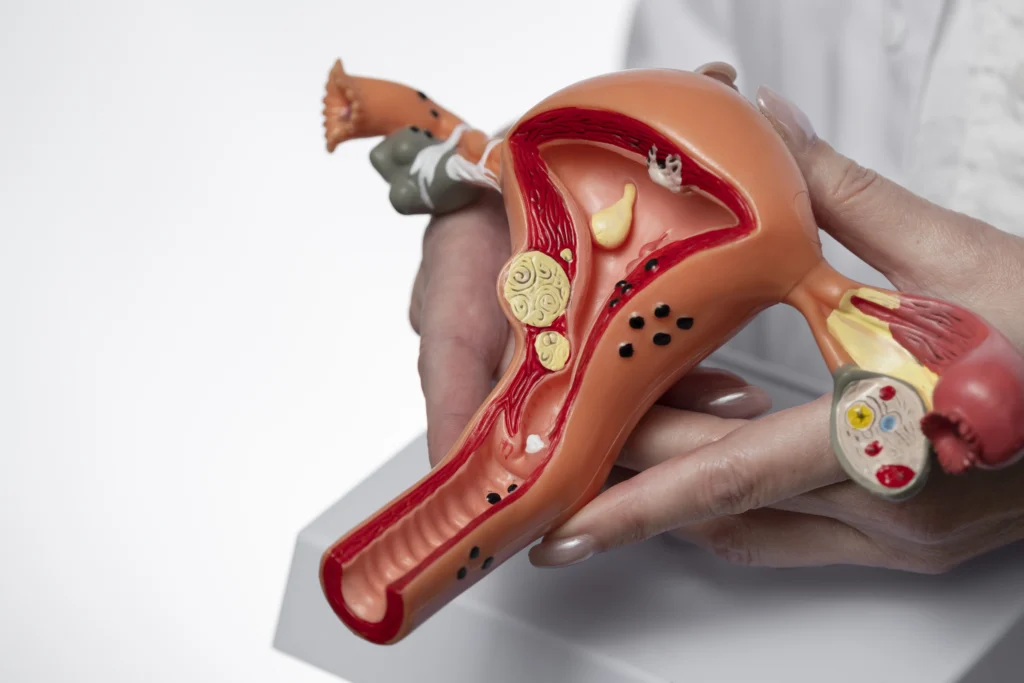
Symptoms can vary a lot depending on whether the muscles are weak, tight, overactive, or poorly coordinated.
Urine Leakage
This is usually the symptom women notice first.
Leakage may happen during:
- coughing
- sneezing
- laughing
- running
- lifting
- jumping
- workouts
Many women normalize this for years.
They should not.
Constant Urge to Urinate
Some women feel like they need to pee all the time even when the bladder is not full.
Others develop “just in case” peeing habits before leaving home.
Ironically, this can sometimes worsen bladder sensitivity over time.
Pelvic Heaviness or Pressure
Women often describe this as:
- a dragging sensation
- heaviness by evening
- feeling like something is falling downward
This may indicate pelvic organ prolapse.
Pain During Intercourse
This symptom is very under-discussed.
Painful intercourse may be linked to:
- overactive pelvic floor muscles
- scar tissue
- muscle guarding
- nervous system sensitivity
Women with tight pelvic floors are often incorrectly told to keep strengthening.
That can actually worsen symptoms.
Constipation and Straining
A pelvic floor that cannot relax properly may interfere with bowel emptying.
Some women push excessively during bowel movements without realizing they are tightening the muscles instead of relaxing them.
Lower Back, Tailbone, or Hip Pain
One thing many people do not realize is how connected the pelvic floor is to the rest of the body.
I often see women treating:
- back pain
- SI joint pain
- hip tightness
- glute pain
without realizing the pelvic floor is involved.
Why Some Women Get Worse With Kegels
This is probably one of the most misunderstood topics online.
Kegels are not bad.
But they are not universally helpful either.
If someone has:
- tight muscles
- pelvic pain
- urinary urgency
- painful intercourse
- constipation from muscle overactivity
then repeatedly squeezing the pelvic floor may worsen symptoms.
This is why assessment matters.
Recent pelvic health research is increasingly discussing overactive pelvic floor dysfunction and the importance of individualized rehabilitation rather than blindly prescribing strengthening exercises.
Signs Your Pelvic Floor Might Be Too Tight Instead of Weak
This surprises many women.
Common signs include:
- pelvic pain
- pain with tampons
- pain during intercourse
- difficulty starting urine flow
- constipation
- tailbone pain
- urinary urgency
- feeling unable to fully relax
These women often need:
- breathing retraining
- nervous system down-regulation
- relaxation work
- mobility exercises
before strengthening even begins.
The Stress and Anxiety Connection Nobody Talks About
One of the strongest patterns I notice clinically is this:
Women carrying high stress levels often hold tension in the pelvic floor without realizing it.
Just like some people clench:
others unconsciously grip their pelvic floor throughout the day.
I have seen this especially in women who:
- work long desk jobs
- constantly “suck in” their stomach
- have high anxiety levels
- are always rushing
- rarely breathe deeply
Over time, this creates excessive muscle tension and poor coordination.
Emerging research is now exploring the relationship between stress, chronic pain, and pelvic floor dysfunction much more deeply than older studies did.
Pregnancy and Childbirth
Pregnancy places significant pressure on the pelvic floor.
Even before delivery happens, hormonal changes and increased abdominal load affect pelvic support structures.
Vaginal birth may contribute to:
- muscle stretching
- connective tissue injury
- nerve irritation
- perineal trauma
But here is something important many women do not hear enough:
A cesarean delivery does not fully protect the pelvic floor.
Pregnancy itself changes pelvic mechanics.
Postpartum Symptoms Women Commonly Ignore
After childbirth, many women silently tolerate symptoms like:
- leakage
- heaviness
- pelvic pain
- abdominal weakness
- painful scars
- pressure during exercise
- tailbone pain
because they think recovery simply “takes time.”
Healing does take time.
But persistent symptoms deserve attention.
Modern postpartum rehab is no longer just about basic Kegels (PMC).
More recent rehabilitation approaches focus on:
- whole-core function
- breathing coordination
- pressure management
- gradual return to impact
- movement retraining
Gym Culture and Pelvic Floor Problems
This is becoming much more common now.
I increasingly see women developing symptoms after:
- heavy squats
- deadlifts
- HIIT workouts
- intense ab routines
- trampoline workouts
- long-distance running
The issue is not exercise itself.
The issue is pressure management.
A lot of women unknowingly:
- hold their breath
- brace excessively
- grip the abdomen constantly
- overload the pelvic floor repeatedly
without proper recovery or coordination.
Being fit does not automatically mean the pelvic floor is functioning well.
The “Sucking In Your Stomach” Habit
This is another surprisingly common issue.
Many women constantly pull their stomach inward all day trying to look flatter.
But chronic abdominal gripping increases downward pressure and disrupts breathing mechanics.
The diaphragm and pelvic floor are designed to move together.
If breathing becomes shallow and rigid, pelvic floor function may also become dysfunctional.
What a Pelvic Floor Physiotherapist Actually Looks At
A proper assessment involves far more than telling someone to do Kegels.
Pelvic health physiotherapists evaluate:
- breathing patterns
- posture
- abdominal coordination
- hip mobility
- spinal mechanics
- bowel habits
- bladder habits
- movement patterns
- exercise history
- stress patterns
With consent, internal assessment may also be performed to check:
- strength
- endurance
- muscle tension
- trigger points
- coordination
This helps identify whether muscles are:
- weak
- overactive
- poorly coordinated
- fatigued
- or guarding protectively
Pelvic Floor Exercises That Actually Help
The internet often oversimplifies pelvic rehab.
Good rehabilitation is not about endlessly squeezing muscles.
It is about restoring balance.
Diaphragmatic Breathing
Honestly, this is one of the most underrated pelvic floor exercises.
Deep breathing helps:
- relax overactive muscles
- improve pressure control
- coordinate the diaphragm and pelvic floor
Simple breathing retraining alone can significantly reduce symptoms in some women.
Basic Technique
- Lie comfortably
- Inhale slowly through the nose
- Allow the ribs to expand sideways
- Let the abdomen soften naturally
- Exhale gently without force
Many women initially struggle with this because they are so used to holding tension.
Pelvic Floor Relaxation Exercises
Women with overactive pelvic floors may benefit more from:
- child’s pose
- happy baby stretch
- hip opening mobility work
- gentle yoga
- pelvic drops
- nervous system calming exercises
Relaxation is treatment too.
Kegel Exercises
Kegels can absolutely help some women.
Especially those with:
- stress urinary incontinence
- mild prolapse
- postpartum weakness
But quality matters far more than repetition.
Done incorrectly, they may:
- increase tension
- worsen symptoms
- create breath-holding habits
This is why supervised pelvic floor rehabilitation is often more effective than random online routines. (Dumoulin et al. 2018)
The Bowel Habits That Quietly Worsen Pelvic Floor Dysfunction
Constipation plays a bigger role than many people realize.
Repeated straining increases pressure downward onto pelvic tissues.
Over years, this matters.
Simple changes can help:
- increasing hydration
- improving fiber intake
- avoiding excessive pushing
- using a footstool during bowel movements
- learning proper relaxation during defecation
Sometimes bowel retraining becomes a major part of pelvic rehab.
Pelvic Organ Prolapse
Hearing the word “prolapse” can sound scary.
But mild and moderate prolapse symptoms often improve significantly with conservative treatment.
Women may experience:
- heaviness
- bulging sensation
- pressure during standing
- discomfort after long days
Pelvic physiotherapy may help through:
- muscle rehabilitation
- pressure management
- exercise modification
- constipation management
- breathing retraining
Not every prolapse automatically requires surgery.
Recovery Is Rarely Linear
This is important to understand.
Pelvic floor recovery usually has ups and downs.
Some days symptoms improve dramatically.
Other days they flare after:
- stress
- poor sleep
- constipation
- heavy workouts
- long travel
- hormonal changes
That does not mean recovery is failing.
Consistency matters more than perfection.
Lesser-Known Things That May Irritate the Pelvic Floor
Women are often surprised by this list:
- chronic hovering over public toilets
- pushing while urinating
- constantly stopping urine midstream
- excessive ab workouts
- shallow breathing
- sitting for very long hours
- unresolved hip stiffness
- high stress levels
- chronic coughing
- frequent heavy lifting without exhalation
These habits add up over time.
When Should You Seek Professional Help?
Please do not wait until symptoms become severe.
Seek pelvic floor physiotherapy if you experience:
- leakage
- heaviness
- painful intercourse
- constipation with straining
- persistent postpartum symptoms
- pelvic pain
- exercise-related pressure
- unexplained urinary urgency
Early intervention usually leads to much better outcomes.
Final Thoughts
One thing I wish more women understood is this:
Pelvic floor dysfunction is incredibly common, but suffering silently should never become normalized.
You do not have to stop exercising forever.
You do not have to accept leakage as “part of being a woman.”
And you definitely do not need to feel embarrassed seeking help.
Early recognition and proper pelvic floor rehabilitation can help improve symptoms and support long-term pelvic health.
The pelvic floor is deeply connected to breathing, posture, movement, stress, bowel habits, and nervous system regulation.
That is why true recovery usually involves more than isolated strengthening exercises.
Sometimes the solution is strength.
Sometimes it is relaxation.
Sometimes it is learning how to stop clenching muscles you did not even realize were tense all day.
And in many cases, the earlier women address symptoms, the easier recovery becomes.
Frequently Asked Questions
Can pelvic floor dysfunction heal without surgery?
Yes. Many women improve significantly with pelvic floor physiotherapy, breathing retraining, lifestyle changes, exercise modification, and bladder and bowel habit correction without needing surgery.
Are Kegel exercises safe for everyone?
No. Women with tight or overactive pelvic floor muscles may actually worsen symptoms with excessive Kegel exercises. Proper assessment is important before starting pelvic floor strengthening.
What are the first signs of pelvic floor dysfunction?
Early symptoms may include urine leakage, urinary urgency, constipation, pelvic heaviness, lower back pain, painful intercourse, or a dragging sensation in the pelvis.
Can stress affect the pelvic floor?
Yes. Chronic stress and anxiety can increase muscle tension throughout the body, including the pelvic floor. Many women unconsciously clench these muscles during stressful situations.
Can young women develop pelvic floor dysfunction?
Absolutely. Pelvic floor dysfunction can affect women of all ages, including athletes and women who have never been pregnant.
How long does pelvic floor recovery take?
Recovery varies depending on symptom severity, muscle condition, lifestyle habits, stress levels, and treatment consistency. Some women improve within weeks while others need several months.
Stay tuned with us for more health related topics.
Follow us on LinkedIn and Instagram for more.
More Read


Medical Disclaimer!
This article has been reviewed and written under the guidance of our Head Physiotherapist, Dr. Kruti Raj (PT, MUHS,CPT,CMPT). The information shared is intended for educational purposes only and should not be considered a substitute for personalized medical advice, diagnosis, or treatment.
Please consult us or any other qualified healthcare professional before beginning any exercise program, especially if you are experiencing pain, recovering from injury, or managing a medical condition.


