


The best maternity belt for pregnancy can help reduce back strain, pelvic pressure, and discomfort during daily movement.
A pregnant woman told me something interesting recently.
She said, “The moment I wear the belt, I feel lighter.
But the moment I remove it, I feel like my body forgot how to hold itself.”
Honestly, that single sentence explains the maternity belt debate better than most internet articles.
Some women absolutely love pregnancy support belts.
Others buy one after seeing glowing reviews online, wear it twice, and throw it into a drawer because it feels awkward, tight, hot, or strangely restrictive.
And then there are women who feel guilty either way.
If they wear a belt, they worry they are making their muscles weak.
If they do not wear one, they wonder whether they are “supposed” to be using extra support.
Quick Answer
Maternity belts can be helpful for some pregnant women, especially those experiencing pelvic girdle pain, lower back discomfort, abdominal heaviness, or walking-related strain. A properly fitted maternity support belt may improve comfort and reduce pressure during daily activities.
However, wearing a maternity belt too tightly or relying on it constantly may contribute to poor breathing patterns, reduced body awareness, overheating, or excessive dependence on external support. Physiotherapists usually recommend using maternity belts strategically rather than all day.
As a physiotherapist, I do think maternity belts can genuinely help certain women during pregnancy.
I have seen women walk more comfortably, tolerate standing better, and feel less pelvic strain while using them.
But I have also seen belts become band-aids for deeper issues that were never properly addressed.
That is usually where the conversation gets oversimplified online.
The real question is not:
“Are maternity belts good or bad?”
The better question is:
“When do they actually help, and when do they quietly create other problems?” (SRC Health)
Pregnancy-related pelvic girdle pain and postural discomfort are extremely common, especially during the second and third trimesters.
Key Takeaways
- Maternity belts may help reduce pelvic pain, lower back strain, and abdominal heaviness during pregnancy.
- Support belts work best when combined with movement, posture correction, and physiotherapy-based care.
- Wearing a maternity belt too tightly may affect breathing comfort and pressure management.
- Pregnancy stability depends on coordination and movement patterns, not just muscle strength.
- Some women benefit from strategic belt use during walking or standing rather than continuous wear.
- Overreliance on external support may reduce body awareness and movement confidence in some cases.
- Pelvic girdle pain and walking discomfort are common reasons women choose maternity support belts.
- Every pregnancy responds differently, so maternity belt use should always feel comfortable and individualized.
Why Pregnancy Starts Feeling So Physically Heavy
One thing many women say around the second trimester is:
“I suddenly feel like my stomach is pulling me downward all day.”
That feeling is real.
As pregnancy progresses:
- the abdominal wall stretches,
- ligaments soften,
- the center of gravity shifts forward,
- and the lower back works harder during standing and walking.
The body starts compensating automatically.
Some women lean backward while standing.
Some grip through the ribs without realizing it.
Others start locking their knees to feel more stable.
And by evening, everything feels heavier.
Fatigue changes movement more than people realize.
That is why some women feel completely different at 8 AM compared to 7 PM.
The muscles supporting posture simply get tired.
What a Maternity Belt Actually Does
A maternity belt for pregnancy changes how force moves through the body.
That is the simplest explanation.
It supports part of the abdominal load externally, which may reduce stress through:
- the lower back,
- pelvic joints,
- hips,
- and surrounding muscles.
Some belts mainly support the belly.
Others compress the pelvis more directly.
And honestly, many women buy the wrong type because online product descriptions are incredibly vague.
A soft belly band feels very different from a rigid pelvic support brace.
That distinction matters.
A lot.
One Thing Most Online Articles Get Wrong
They talk about support like the body is simply “weak.”
Pregnancy stability is more complicated than that.
I have worked with:
- marathon runners with severe pelvic pain,
- women with strong core muscles who still felt unstable,
- and women who barely exercised before pregnancy but moved surprisingly well.
Why?
Because pregnancy stability is not just about strength.
It is about coordination.
Breathing matters.
Pressure management matters.
Movement habits matter.
Sometimes women are not weak at all.
Sometimes they are actually gripping too much.
That changes everything.
When Maternity Belts Can Genuinely Help
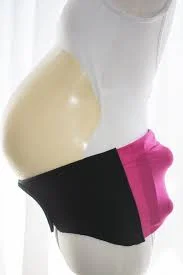
There are situations where support belts make a noticeable difference.
Especially temporarily.
Pelvic Girdle Pain
This is one of the biggest reasons women try maternity belts.
Pelvic girdle pain can feel like:
- sharp pain near the pubic bone,
- discomfort turning in bed,
- pain climbing stairs,
- hip pain while walking,
- clicking sensations around the pelvis,
- or pain standing on one leg.
A properly fitted support belt may reduce excessive movement through irritated pelvic joints in some women.
And honestly, some women feel relief almost immediately.
But not always.
That is important too. (National Health Service NHS, 2025)
Standing Jobs
Teachers, nurses, retail workers, salon professionals, and healthcare staff often struggle more with prolonged standing than sitting.
One thing I notice repeatedly in clinic is that women with standing-heavy jobs tend to tolerate belts differently than women whose discomfort mainly appears while resting or rolling in bed.
That pattern makes biomechanical sense.
A belt may help reduce muscular fatigue during movement-heavy days.
Walking Feels More Stable
Some women describe feeling:
- “wobbly,”
- unstable,
- or unusually fatigued while walking.
A support belt sometimes improves movement confidence simply because the body feels less strained during weight transfer.
That psychological effect matters too.
Pain changes how people move.
And fear of movement can increase tension further.
Twin Pregnancies
Women carrying twins often experience abdominal heaviness earlier and more intensely.
Additional support may reduce fatigue during daily movement.
But even then, I rarely recommend relying on a belt alone.
Movement quality still matters.
The Part Most People Never Think About: Breathing
This gets ignored constantly online.
Pregnancy already changes breathing mechanics significantly.
The rib cage expands.
The diaphragm works differently.
The abdominal wall stretches.
Now imagine adding a very tight compression belt over all of that.
Some women immediately shift into shallow chest breathing without realizing it.
Then they start noticing:
- rib tightness,
- upper back tension,
- headaches,
- neck stiffness,
- or feeling unable to take a full breath comfortably.
I have seen women loosen their maternity belt slightly and instantly breathe better.
That tells you something important.
Support should never feel suffocating.
Why Some Women Become Dependent on Belly Bands
This is where things become complicated.
A belt can sometimes feel so relieving that women start wearing it constantly.
Morning until bedtime.
Every single day.
And after a while, the body begins feeling strange without it.
That does not necessarily mean the muscles “turned off,” which is an exaggerated internet claim.
But constant external support may reduce natural movement variability and body awareness over time in some women.
Especially if activity levels also decrease.
One pregnant woman once told me:
“I stopped trusting my body without the belt.”
That emotional dependence matters too.
A Lesser-Known Problem: Too Much Tension
This surprises many women.
Sometimes the issue is not lack of support.
Sometimes the body is already over-bracing.
I often see pregnant women gripping through:
- the upper abs,
- glutes,
- pelvic floor,
- shoulders,
- jaw,
- and rib cage.
The body tries to create “stability” through tension.
Then someone adds a tight support belt on top of that.
Sometimes symptoms improve.
Sometimes everything feels even tighter.
This is why breathing assessment matters so much in prenatal physiotherapy.
Research on Maternity Belts
Research on Maternity Belts Is More Nuanced Than Social Media Makes It Seem
Research does suggest maternity support garments may help certain women with:
- low back pain,
- pelvic discomfort,
- walking tolerance,
- and functional movement.
A review of maternity support garments found potential benefits for pain reduction and comfort during pregnancy. (PubMed)
But researchers also emphasized that evidence quality remains mixed overall.
Another review published in BMC Pregnancy and Childbirth discussed support devices for pregnancy-related musculoskeletal pain. (Jang et al. 2021)
Again, the conclusion was balanced.
Some women benefit significantly.
Others notice little difference.
That variability is very real clinically too.
What Reddit Discussions Reveal
Honestly, online forums sometimes reflect real patient experiences better than polished marketing pages.
Women commonly describe:
- reduced pelvic pain,
- easier walking,
- less back fatigue,
- but also overheating,
- discomfort while sitting,
- and frustration with bulky belts.
One woman described only wearing her belt during grocery shopping or longer walks because wearing it continuously became irritating.
That is actually a very sensible approach for many pregnancies.
Strategic use often works better than nonstop use.
Can Maternity Belts Weaken Core Muscles?
This question gets asked constantly.
The answer is not as dramatic as social media makes it sound.
Short-term or strategic support is unlikely to suddenly “switch off” your muscles.
But overreliance on passive support without maintaining movement, posture, and muscular activity may reduce natural engagement over time in some cases.
Especially when women become fearful of moving without the belt.
The body adapts to whatever it practices repeatedly.
That includes reliance on support.
One Thing Most Women Never Connect to Their Pain
Constipation.
Seriously.
Straining repeatedly increases downward pressure through the abdomen and pelvic floor.
During pregnancy, that extra pressure matters more.
Hydration, walking, breathing mechanics, and bowel habits influence pelvic comfort more than most women realize.
This almost never gets mentioned in maternity belt marketing.
But clinically, it matters.
Signs a Maternity Belt During Pregnancy May Actually Be Helping
Generally, support belts may be useful if you notice:
- easier walking,
- reduced pelvic pain,
- better standing tolerance,
- less back fatigue,
- or improved confidence during movement.
The key is improved function.
Not simply feeling compressed tightly.
Signs the Belt May Not Be Right for You
You should reassess if you notice:
- breathing restriction,
- overheating,
- reflux,
- increased pelvic pressure,
- numbness,
- skin irritation,
- worsening pain,
- or feeling unable to function without it quickly.
These signs matter more than online reviews.
Common Mistakes I See Constantly
Tightening the Belt Too Aggressively
More compression does not automatically mean better support.
Sometimes women are simply squeezing the abdomen unnecessarily.
Wearing It During Long Periods of Sitting
Many women feel worse sitting with tight support belts because hip flexion already increases abdominal pressure.
Ignoring Movement Completely
Belts work best alongside:
- walking,
- posture correction,
- and gentle strengthening,
- breathing exercises.
Not instead of them.
Buying Based Purely on Influencers
Pregnancy bodies vary enormously.
A belt that feels amazing for one woman may feel awful for another.
The Emotional Side of Pregnancy Support
I think this deserves more attention.
Pregnancy changes body confidence dramatically for some women.
A support belt can sometimes provide emotional reassurance too.
Women often say:
- “I feel held together.”
- “I feel safer.”
- “I feel less heavy.”
That emotional component is real.
Comfort is not only physical.
But I also think modern pregnancy culture sometimes makes women feel their body is fragile or incapable without constant products and support tools.
That fear increases tension too.
The body usually responds better to supported movement than fear-based restriction.
What I Usually Recommend Alongside Belt Use
Depending on symptoms, I often combine:
- breathing retraining,
- posture correction,
- pelvic stability exercises,
- walking modifications,
- hip strengthening,
- movement breaks,
- and pressure management strategies.
Sometimes the maternity belt during pregnancy becomes genuinely useful.
Sometimes symptoms improve enough that women stop needing it altogether.
A Simple Rule I Often Give Patients
If the belt helps you move more comfortably without increasing tension, breathing restriction, or dependency, it may be helping.
If you feel compressed, disconnected from your body, overheated, or unable to function without it quickly, it probably needs reassessment.
Simple rules are usually the most practical during pregnancy.
Final Thoughts
So, are maternity belts helpful or harmful?
Honestly, both are possible.
For some women, a well-fitted best maternity belt genuinely improves quality of life during pregnancy.
For others, excessive reliance on external support may quietly reinforce tension, poor breathing habits, or movement avoidance.
The belt itself is not the villain.
Context matters.
Pregnancy comfort is influenced by:
- posture,
- fatigue,
- breathing,
- walking mechanics,
- pelvic stability,
- stress,
- sleep,
- and movement habits.
Support belts can absolutely play a role.
But they work best as tools.
Not as replacements for trusting and supporting the body itself.
Frequently Asked Questions
Are maternity belts safe during pregnancy?
Yes, maternity belts are generally safe when fitted properly and used appropriately during pregnancy.
Can maternity belts help pelvic girdle pain?
Some women experience reduced pelvic discomfort and improved walking comfort when using pelvic support belts.
Should I wear a maternity belt all day?
Most physiotherapists recommend strategic use during activity rather than wearing the belt continuously all day.
Can maternity belts weaken core muscles?
Short-term use is unlikely to weaken muscles significantly, but overreliance on support may reduce natural movement confidence in some women.
Do maternity belts help lower back pain?
Some maternity support belts may reduce strain through the lower back during standing and walking.
Can maternity belts affect breathing?
Belts that are too tight may restrict rib movement and encourage shallow chest breathing.
When should I stop using a maternity belt?
You should stop using the belt and seek medical advice if it increases pain, causes numbness, affects breathing, or feels excessively restrictive.
Stay tuned with us for more health related topics.
Follow us on LinkedIn and Instagram for more.
More Read


Medical Disclaimer!
This article has been reviewed and written under the guidance of our Head Physiotherapist, Dr. Kruti Raj (PT, MUHS,CPT,CMPT). The information shared is intended for educational purposes only and should not be considered a substitute for personalized medical advice, diagnosis, or treatment.
Please consult us or any other qualified healthcare professional before beginning any exercise program, especially if you are experiencing pain, recovering from injury, or managing a medical condition.


