


Can pelvic floor dysfunction cause constipation?
Yes, difficulty relaxing or coordinating the pelvic floor muscles can make bowel movements harder and contribute to chronic constipation.
Constipation is often blamed on poor diet, dehydration, or a lack of exercise.
While those factors certainly matter, they are not always the real problem.
In clinical practice, I frequently meet people who eat plenty of fiber, drink enough water, and stay physically active, yet they still struggle with bowel movements.
Some spend years trying different medications and home remedies without lasting relief.
What many of them eventually discover is that the issue is not in the colon at all.
It is in the pelvic floor.
The pelvic floor is a group of muscles that sits at the bottom of the pelvis.
These muscles support the bladder, bowel, and reproductive organs.
They also play a critical role during bowel movements.
When these muscles fail to relax properly, constipation can develop even when the digestive system is functioning normally.
Quick Answer
Constipation and pelvic floor dysfunction are closely linked. In many cases, chronic constipation is not simply caused by a lack of fiber or water intake. The real issue may be that the pelvic floor muscles fail to relax and coordinate properly during bowel movements. This can lead to excessive straining, incomplete bowel emptying, bloating, and the sensation that stool is stuck. Pelvic floor physiotherapy, breathing retraining, toilet posture correction, and biofeedback therapy are among the most effective evidence-based treatments for improving bowel function and relieving pelvic floor-related constipation.
As a physiotherapist,
I have seen how addressing pelvic floor dysfunction can dramatically improve symptoms in people who have been living with chronic constipation for years.
Key Takeaways
- Constipation is not always a digestive issue. Pelvic floor dysfunction can be a hidden cause of chronic bowel problems.
- Incomplete bowel emptying and excessive straining are common signs of pelvic floor-related constipation.
- Dyssynergic defecation occurs when pelvic floor muscles fail to relax properly during bowel movements.
- Tight pelvic floor muscles can be just as problematic as weak pelvic floor muscles.
- Breathing patterns and pelvic floor function work together and can significantly affect bowel emptying.
- Kegel exercises are not suitable for everyone. In some cases, they may worsen constipation symptoms if the pelvic floor is already overactive.
- Biofeedback therapy is considered one of the most effective treatments for pelvic floor-related constipation.
- Pregnancy and childbirth can contribute to pelvic floor dysfunction and chronic constipation years later.
- Proper toilet posture may improve bowel movements and reduce the need for excessive straining.
- Pelvic floor physiotherapy can help improve muscle coordination, bowel function, and overall quality of life.
What Is Pelvic Floor Dysfunction?
Pelvic floor dysfunction occurs when the muscles of the pelvic floor do not coordinate properly.
For a bowel movement to occur smoothly, the abdominal muscles need to generate pressure while the pelvic floor muscles relax and lengthen.
When this coordination breaks down, stool evacuation becomes difficult.
Some people unknowingly tighten their pelvic floor muscles when they should be relaxing them.
This condition is commonly known as dyssynergic defecation.
Research suggests that a significant proportion of individuals with chronic constipation may actually have an evacuation disorder involving pelvic floor muscle dysfunction rather than a primary bowel motility problem. (Rao et al. 2023)
Signs Your Pelvic Floor Dysfunction Cause Constipation
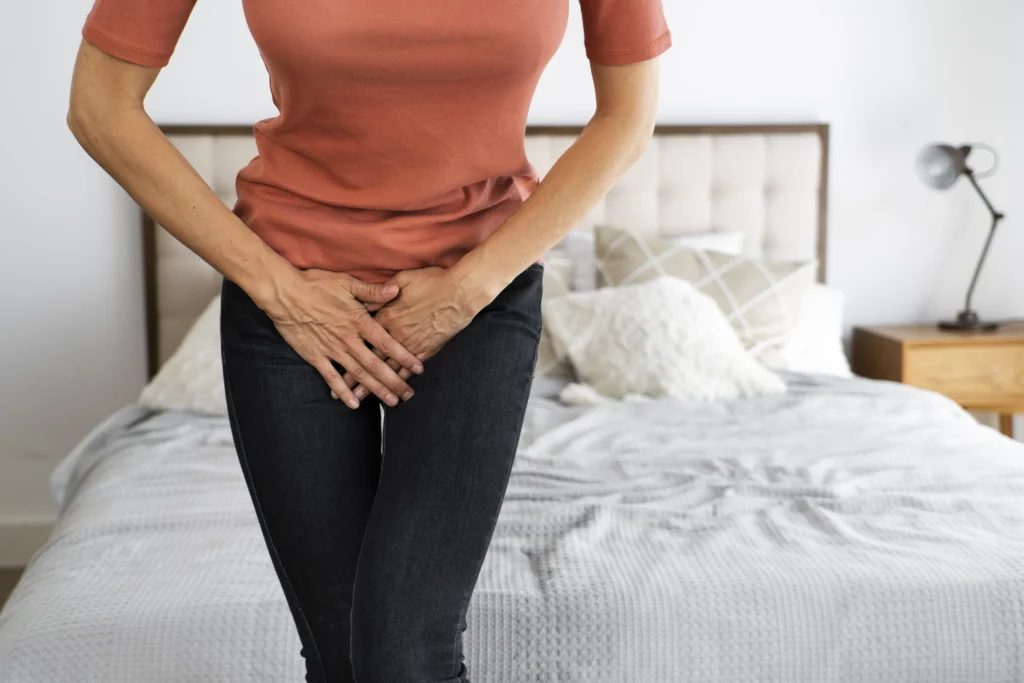
You Feel the Urge but Cannot Empty Properly
Many patients describe feeling as though stool is “stuck” even when they are trying hard to pass it.
The sensation of incomplete emptying is one of the most common signs of pelvic floor dysfunction cause constipation.
You Strain Excessively
Straining occasionally is normal.
Straining during nearly every bowel movement is not.
Excessive straining often indicates that the muscles responsible for relaxation are not working effectively.
Bowel Movements Take a Long Time
Spending 15 to 30 minutes on the toilet is frequently reported by patients with pelvic floor dysfunction.
The problem is not necessarily the stool itself. The problem is often the inability of the muscles to relax.
You Need Manual Assistance
Some individuals press on the perineum, vagina, or surrounding areas to help stool pass.
This may indicate an underlying pelvic floor coordination issue.
The Lesser-Known Role of Breathing
One of the most overlooked factors in constipation management is breathing.
Most people do not realize that the diaphragm and pelvic floor work together.
When you inhale, the diaphragm descends and the pelvic floor responds accordingly.
When you exhale, the system adjusts again.
Poor breathing patterns can alter pressure management within the abdomen and affect bowel emptying.
Many people unknowingly hold their breath while straining.
This breath-holding strategy often increases pelvic floor tension rather than promoting relaxation.
Why Desk Workers Are More Vulnerable
People who sit for prolonged periods frequently develop stiffness around the hips, lower back, and pelvis.
Over time, this can contribute to excessive pelvic floor tension.
Many office workers experience chronic constipation despite having relatively healthy lifestyles.
The issue may not be dietary at all.
Why More Fiber Is Not Always the Answer
One of the biggest myths surrounding constipation is that everyone simply needs more fiber.
Fiber can be beneficial for many individuals.
However, in people with pelvic floor dysfunction, adding excessive fiber may sometimes worsen symptoms.
If stool reaches the rectum but cannot be evacuated effectively because the muscles are not relaxing, increasing stool bulk may not solve the problem.
This is one reason why some patients report feeling more bloated after aggressively increasing fiber intake.
The Surprising Link Between Anxiety and Constipation
The bowel and nervous system communicate constantly.
Stress can influence digestive function, bowel habits, muscle tension, and pain perception.
Many patients with chronic constipation also report anxiety, stress, or heightened nervous system sensitivity.
Research increasingly highlights the interaction between psychological factors and disorders of gut-brain interaction. (Pegah et al. 2026)
This does not mean constipation is “all in your head.”
It means the nervous system can influence how the bowel and pelvic floor function.
Why Some Kegel Exercises Make Constipation Worse
This is one of the most important concepts people need to understand.
Kegels are often promoted as a universal solution for pelvic floor problems.
They are not.
If the pelvic floor muscles are already tight and overactive, additional strengthening may worsen symptoms.
Some individuals need relaxation training rather than strengthening.
A proper assessment is essential before beginning any pelvic floor exercise program.
What Happens During Normal Bowel Emptying?
Step 1: Stool Enters the Rectum
Stretch receptors signal the brain that it is time to have a bowel movement.
Step 2: The Pelvic Floor Relaxes
The muscles lengthen and create a pathway for stool evacuation.
Step 3: Abdominal Pressure Assists
The abdominal wall generates controlled pressure.
Step 4: Efficient Emptying Occurs
The bowel movement is completed without excessive straining.
When any of these steps fail, constipation may develop.
How Physiotherapists Assess Pelvic Floor Dysfunction
A physiotherapy assessment typically includes:
- Bowel history
- Toilet habits
- Breathing assessment
- Postural evaluation
- Hip and spinal mobility assessment
- Pelvic floor muscle examination when appropriate
- Coordination testing
The goal is to identify why emptying is difficult.
Many patients are surprised to learn that posture, breathing, and movement patterns can significantly influence bowel function.
The Modern Physiotherapy Approach to Constipation
Pelvic Floor Down-Training
Instead of strengthening, some patients require relaxation-focused rehabilitation.
The goal is to reduce unnecessary muscle tension.
Breathing Retraining
Diaphragmatic breathing can improve pressure management and reduce pelvic floor overactivity.
Toilet Position Education
Foot support can improve anorectal alignment.
Many patients notice immediate improvement simply by using a footstool during bowel movements.
Mobility Exercises
Restrictions in the hips, pelvis, and lower spine can affect movement patterns around the pelvic floor.
Targeted mobility work and pelvic floor exercises may be incorporated into treatment.
Biofeedback Therapy
Biofeedback is considered one of the most effective interventions for dyssynergic defecation.
It helps patients learn how to coordinate pelvic floor relaxation during bowel movements.
Recent reviews continue to support biofeedback as an effective treatment for pelvic floor-related constipation. (Ahn et al. 2024)
The Postpartum Connection Most Women Miss
Many women associate pelvic floor dysfunction only with urinary leakage.
Constipation is another common consequence.
Pregnancy, childbirth, tissue injury, muscle tension, and altered movement patterns can influence bowel function long after delivery.
Some women develop symptoms months or even years after childbirth.
This delayed presentation often causes the connection to be overlooked.
Red Flags That Require Medical Attention
While pelvic floor dysfunction is common, certain symptoms require prompt medical evaluation.
Seek Medical Advice If You Experience:
- Blood in the stool
- Unexplained weight loss
- Persistent abdominal pain
- Sudden change in bowel habits
- Iron deficiency anemia
- Family history of colorectal cancer
- Symptoms that worsen rapidly
These signs warrant assessment by a healthcare professional.
Practical Daily Habits That Support Bowel Function
Do Not Ignore the Urge
Repeatedly delaying bowel movements can affect normal bowel reflexes.
Avoid Excessive Straining
Straining creates pressure on the pelvic floor and may contribute to dysfunction over time.
Prioritize Regular Movement
Walking remains one of the simplest and most effective ways to support bowel motility.
Improve Toilet Position
A slight squat position may facilitate easier bowel emptying.
Focus on Relaxation
Many people try harder when constipation occurs.
Sometimes the solution is learning how to let go rather than push harder.
The Future of Constipation Treatment
The understanding of constipation is changing.
Healthcare professionals are increasingly recognizing that bowel symptoms are not always caused by diet alone.
Pelvic floor muscle coordination, breathing mechanics, nervous system regulation, posture, and movement patterns all play important roles.
This broader perspective is helping patients receive more targeted and effective treatment.
Final Thoughts
If you have been living with chronic constipation despite eating well, drinking enough water, and trying various remedies, it may be time to look beyond the bowel itself.
The pelvic floor is often the missing piece of the puzzle.
As physiotherapists, we frequently see people who have spent years focusing solely on their digestive system when the real issue involves muscle coordination and pelvic floor function.
The encouraging news is that pelvic floor dysfunction is treatable.
With proper assessment, individualized rehabilitation, and evidence-based physiotherapy, many people can regain comfortable and confident bowel function.
Sometimes the problem is not that your body is unable to empty.
Sometimes it simply needs to relearn how to relax.
Frequently Asked Questions
Can pelvic floor dysfunction cause chronic constipation?
Yes. Pelvic floor dysfunction can prevent the muscles from relaxing properly during bowel movements, leading to chronic constipation, excessive straining, and incomplete bowel emptying.
What are the symptoms of pelvic floor dysfunction-related constipation?
Common symptoms include excessive straining, bloating, prolonged toilet visits, a feeling that stool is stuck, and incomplete evacuation after bowel movements.
What is dyssynergic defecation?
Dyssynergic defecation is a condition where the pelvic floor muscles fail to coordinate correctly during bowel movements, making it difficult to pass stool despite normal bowel function.
Can Kegel exercises worsen constipation?
Yes. If the pelvic floor muscles are already tight or overactive, Kegel exercises may increase muscle tension and make constipation symptoms worse.
How does pelvic floor physiotherapy help constipation?
Pelvic floor physiotherapy helps improve muscle coordination, teaches relaxation techniques, optimizes breathing patterns, and may include biofeedback therapy to support easier bowel movements.
Can stress and anxiety contribute to constipation?
Yes. Stress can increase pelvic floor muscle tension and affect communication between the brain and digestive system, which may contribute to constipation and bowel dysfunction.
Can childbirth contribute to constipation years later?
Yes. Pregnancy and childbirth can affect pelvic floor muscles, nerves, and connective tissues, which may contribute to bowel dysfunction long after delivery.
When should I see a doctor for constipation?
You should seek medical attention if constipation is accompanied by blood in the stool, unexplained weight loss, severe abdominal pain, anemia, or a sudden change in bowel habits.
Stay tuned with us for more health related topics.
Follow us on LinkedIn and Instagram for more.
More Read


Medical Disclaimer!
This article has been reviewed and written under the guidance of our Head Physiotherapist, Dr. Kruti Raj (PT, MUHS,CPT,CMPT). The information shared is intended for educational purposes only and should not be considered a substitute for personalized medical advice, diagnosis, or treatment.
Please consult us or any other qualified healthcare professional before beginning any exercise program, especially if you are experiencing pain, recovering from injury, or managing a medical condition.


