
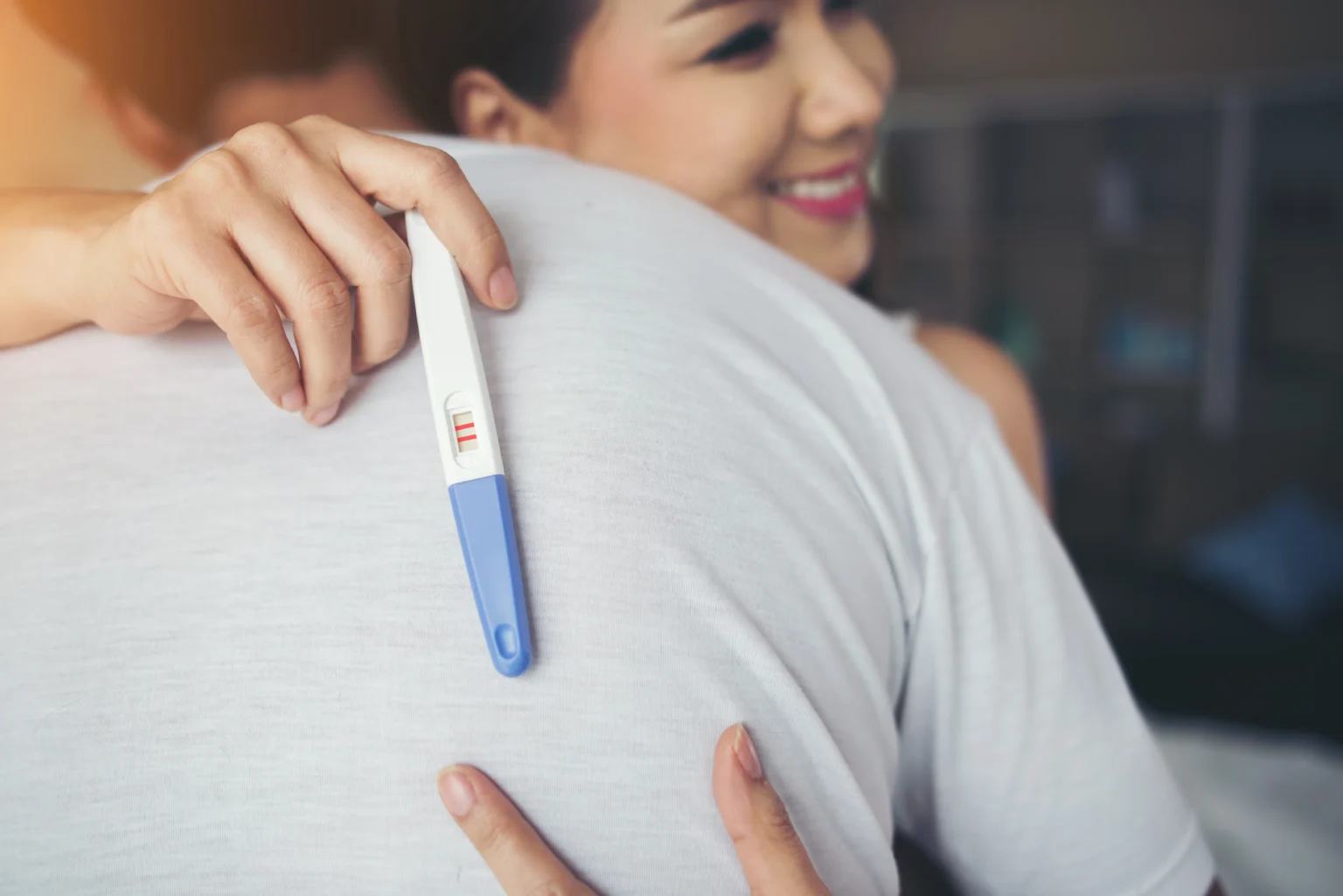

What to do after a positive pregnancy test can feel overwhelming,
but knowing the next steps can help you begin your pregnancy journey with confidence.
You look at the test once.
Then twice.
Then maybe a third time just to be sure.
Two lines.
A plus sign.
The word “Pregnant.”
Whether the pregnancy was carefully planned or completely unexpected, a positive pregnancy test often brings a mix of emotions.
Joy.
Excitement.
Disbelief.
Happiness.
Nervousness.
And one very common question:
What do I do now?
If this is your first pregnancy, you may suddenly feel overwhelmed by advice from family, friends, social media, and the internet.
Book a doctor.
Take vitamins.
Stop drinking coffee.
Eat more.
Sleep more.
Exercise.
Don’t exercise.
The amount of information can be confusing.
Quick Answer
After a positive pregnancy test, the next steps usually include confirming the pregnancy with a healthcare provider, scheduling your first prenatal appointment, starting prenatal vitamins with folic acid, reviewing medications, maintaining a healthy lifestyle, and planning your first pregnancy scan. Most importantly, remember that you do not need to do everything at once. Pregnancy is a step-by-step journey.
As a women’s health physiotherapist, I often remind expecting mothers that the first few weeks of pregnancy are not about doing everything perfectly.
They are about taking one step at a time.
This guide will walk you through:
what usually happens after a positive pregnancy test and help you understand the early weeks of pregnancy with confidence.
Key Takeaways
- A positive home pregnancy test is usually highly accurate.
- Pregnancy tests detect the hormone hCG.
- Contact a healthcare provider to begin prenatal care.
- Pregnancy is commonly dated from the first day of the last menstrual period.
- Early blood tests and urine tests help monitor maternal health.
- The first ultrasound helps confirm the pregnancy and estimate the due date.
- Prenatal vitamins, especially folic acid, are important during early pregnancy.
- Most healthy women can continue appropriate physical activity.
- Early pregnancy symptoms vary greatly from one woman to another.
- Heavy bleeding, severe pain, or concerning symptoms should always be medically assessed.
You Got A Positive Pregnancy Test. Now What?
The first thing to know is that a positive home pregnancy test is usually very reliable.
Most modern pregnancy tests work by detecting a hormone called human chorionic gonadotropin, or hCG. (Betz et al. 2025)
This hormone begins to increase after a fertilized egg implants into the uterus.
For many women, the next few days are simply about allowing the news to sink in.
You do not have to solve every question immediately.
Instead, focus on the first important steps.
How Accurate Are Home Pregnancy Tests?
Many women repeat the test because they are worried about a false result.
Positive Results Are Usually Accurate
When used correctly, home pregnancy tests are highly accurate.
The chance of a false positive is generally low.
Timing Matters
Testing too early may produce a false negative because hCG levels have not yet risen enough.
If you tested before a missed period and received a negative result, your healthcare provider may recommend repeating the test later.
Does A Faint Line Count?
In most cases, even a faint positive line means hCG has been detected.
If there is uncertainty, a repeat test or blood test may provide clarification.
Confirming The Pregnancy
Many women wonder whether they should immediately schedule an appointment.
Contact Your Healthcare Provider
Your doctor or midwife can advise you about:
- Your first appointment
- Blood tests
- Ultrasound timing
- Prenatal care
You May Not Need An Immediate Scan
In many pregnancies, the first ultrasound is scheduled several weeks after the positive test.
This timing helps provide clearer information about the pregnancy.
Every Pregnancy Is Different
Women with previous pregnancy complications, fertility treatment, or medical conditions may receive different recommendations.
💛 Do Not Panic
You do not need to know everything today.
You do not need to make every decision immediately.
After a positive pregnancy test, your first priorities are simple:
Confirm the pregnancy.
Contact your healthcare provider.
Start prenatal vitamins.
Take care of yourself.
One step at a time is enough.
Calculating Your Due Date
One of the first questions many women ask is:
“When is my baby due?”
Pregnancy Is Usually Calculated From The Last Menstrual Period
Interestingly, pregnancy dating often starts before conception actually occurs.
Healthcare providers commonly calculate pregnancy from the first day of the last menstrual period.
Why This Matters
The estimated due date helps guide:
- Ultrasound timing
- Blood tests
- Pregnancy milestones
- Birth planning
The Due Date May Change
The first ultrasound may adjust the estimated due date slightly.
This is common and usually not a cause for concern.
Did You Know?
Your due date is usually calculated from the first day of your last menstrual period, not the day you conceived. This means pregnancy dating often begins about two weeks before fertilization actually occurs.
When To Book Your First Doctor’s Appointment
The exact timing varies.
Many women have their first prenatal visit during the early weeks of pregnancy.
What May Be Discussed
Your healthcare provider may ask about:
- Medical history
- Previous pregnancies
- Medications
- Allergies
- Family history
- Lifestyle factors
This Is A Good Time To Ask Questions
Do not worry about asking too many questions.
The first appointment is designed to help you understand your pregnancy.
The First Blood Tests And Checkups
Early pregnancy often includes routine investigations.
Blood Group And Rh Factor
Knowing your blood type helps guide pregnancy care.
Complete Blood Count
This checks for conditions such as anemia.
Infection Screening
Routine blood work may include screening for infections that could affect pregnancy.
Urine Testing
Urine tests help identify:
- Infection
- Protein
- Glucose
Frequently Asked Questions About Routine Tests During Pregnancy According to the American College of Obstetricians and Gynecologists (ACOG)
Your First Pregnancy Scan
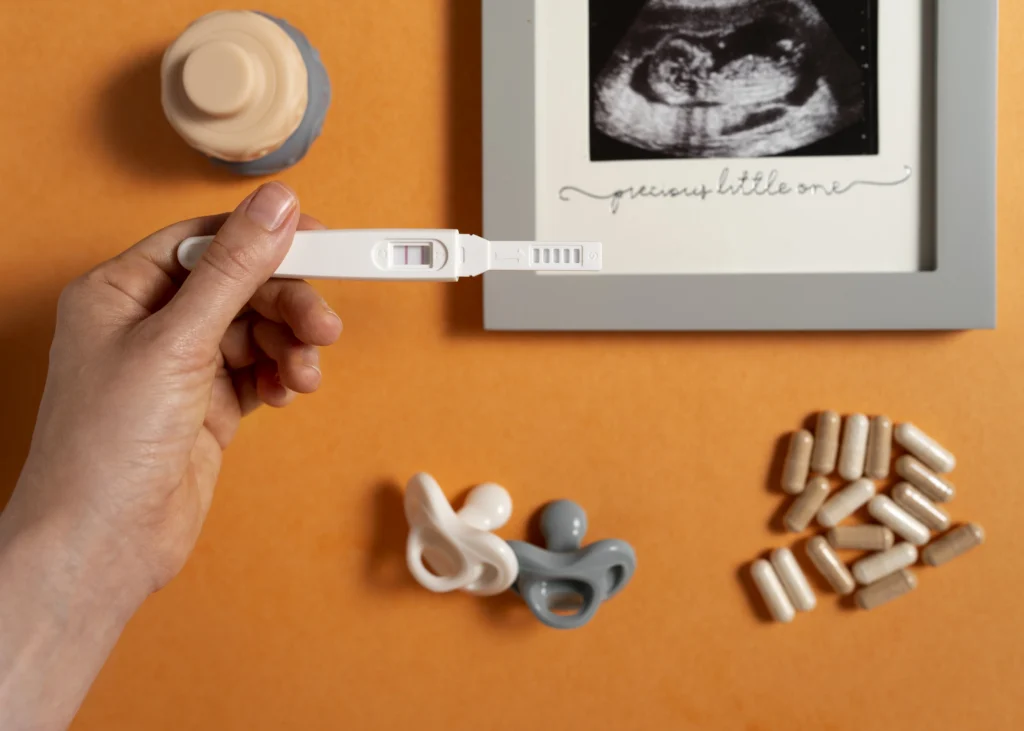
Many parents remember the first ultrasound for the rest of their lives.
The Dating And Viability Scan
This ultrasound may help:
- Confirm the pregnancy
- Estimate gestational age
- Check the heartbeat
- Determine the due date
- Identify multiple pregnancies
Ultrasound Uses Sound Waves
Many women worry about safety.
Routine pregnancy ultrasound uses sound waves, not radiation.
Start Prenatal Vitamins Early
One of the most important early pregnancy steps is starting prenatal vitamins if you have not already done so.
Why Folic Acid Matters
Folic acid supports early fetal development.
It is particularly important during the early weeks of pregnancy. (Greenberg et al. 2011)
Other Important Nutrients
Your healthcare provider may discuss:
- Iron
- Vitamin D
- Calcium
- Iodine
Recommendations vary depending on individual needs.
First Trimester Checklist
✔️ Confirm your pregnancy.
✔️ Book your first prenatal appointment.
✔️ Start prenatal vitamins with folic acid.
✔️ Review medicines and supplements.
✔️ Stay hydrated and eat a balanced diet.
✔️ Plan your first pregnancy scan.
✔️ Continue safe physical activity.
✔️ Learn the warning signs that need medical attention.
Review Your Medicines And Supplements
Many women take regular medications before pregnancy.
Do Not Stop Prescription Medicines On Your Own
Some medicines should be continued.
Others may need adjustment.
Always speak with your healthcare provider before making changes.
Herbal Supplements Also Matter
Natural does not always mean safe during pregnancy.
Inform your healthcare provider about all supplements you take.
Food, Hydration And Lifestyle Changes
Pregnancy often inspires women to review their daily habits.
Focus On Balanced Nutrition
You do not need to dramatically increase food intake during the first weeks.
The old advice to “eat for two” is a myth.
Hydration Matters
Adequate fluid intake supports:
- Blood volume
- Digestion
- Circulation
- Overall wellbeing
Limit Harmful Exposures
Your healthcare provider may discuss avoiding certain foods and substances during pregnancy.
Can You Exercise After A Positive Pregnancy Test?
Many women worry they should stop exercising.
For most healthy pregnancies, movement remains beneficial. (Cooper et al. 2023)
Exercise Supports
- Circulation
- Energy
- Sleep
- Mood
- Muscle function
You Do Not Need Extreme Workouts
Walking, gentle strengthening exercises, and pregnancy-appropriate activity are often excellent choices.
Listen To Your Body
Fatigue may be stronger than expected during the first trimester.
Rest when needed.
What Symptoms Are Normal?
One surprising fact is that not every woman experiences the same symptoms.
Common Early Pregnancy Symptoms
These may include:
- Fatigue
- Nausea
- Breast tenderness
- Frequent urination
- Food aversions
- Mood changes
Some Women Feel Completely Normal
Having few symptoms does not necessarily mean something is wrong.
Every pregnancy is different.
Warning Signs You Should Never Ignore
While many early symptoms are normal, certain situations require medical advice.
Contact your healthcare provider if you experience:
- Heavy bleeding
- Severe abdominal pain
- Severe dizziness
- Significant one-sided pain
- High fever
- Persistent severe vomiting
Trust your instincts.
If something feels wrong, seek professional guidance.
A Physiotherapist’s Advice For The First Trimester
The first trimester can feel emotionally overwhelming.
Many women focus entirely on the baby and forget about caring for themselves.
Keep Moving
Gentle activity supports both physical and mental wellbeing.
Rest Without Feeling Guilty
Pregnancy creates enormous demands on the body.
Fatigue is often a sign that your body is working hard.
Breathe
Simple breathing exercises may help manage anxiety.
Think Long Term
Healthy habits developed now often support the rest of pregnancy.
Building Your Pregnancy Support Team
Pregnancy is not something you need to manage alone.
Your support team may include:
- Obstetrician
- Midwife
- Physiotherapist
- Family doctor
- Nutrition professional
- Family and friends
Accepting support is part of healthy pregnancy care.
Physiotherapist’s Advice
Many women think they should avoid all physical activity after a positive pregnancy test. For most healthy pregnancies, gentle movement such as walking and pregnancy-safe exercise supports circulation, posture, energy levels, and emotional wellbeing. Listen to your body and discuss any concerns with your healthcare provider.
Final Thoughts
A positive pregnancy test is not just the beginning of your baby’s story.
It is the beginning of yours as a mother.
You do not need to know everything today.
You do not need to have every answer.
The first weeks of pregnancy are about learning, adjusting, and allowing yourself time to embrace the journey ahead.
As a physiotherapist, I encourage women to trust their bodies while also seeking good information and professional guidance. Pregnancy is not about perfection. It is about adaptation.
Some days you will feel excited.
Some days you may feel nervous.
Some days you may simply feel tired.
All of these experiences can be normal.
Take one appointment at a time.
One week at a time.
One milestone at a time.
And remember that those two little lines on a pregnancy test are only the beginning of one of the most remarkable journeys your body will ever experience.
Frequently Asked Questions After a Positive Pregnancy Test
How accurate is a home pregnancy test?
Most modern home pregnancy tests are highly accurate when used correctly and after a missed period.
What should I do first after a positive pregnancy test?
Contact your healthcare provider, begin prenatal care, start prenatal vitamins if needed, and discuss your next steps.
When should I schedule my first pregnancy appointment?
Many women have their first prenatal visit during the early weeks of pregnancy, although timing may vary.
When is the first pregnancy scan usually done?
The first ultrasound is often performed during early pregnancy to confirm the pregnancy and estimate the due date.
Should I start taking prenatal vitamins immediately?
Yes. Prenatal vitamins, particularly folic acid, are important during the early stages of pregnancy.
Can I continue exercising after a positive pregnancy test?
For most healthy pregnancies, appropriate physical activity remains beneficial, but individual advice should be obtained when necessary.
Is it normal to have very few pregnancy symptoms?
Yes. Some women experience many symptoms, while others feel almost completely normal during early pregnancy.
When should I seek urgent medical advice?
Heavy bleeding, severe abdominal pain, severe dizziness, high fever, or persistent severe vomiting should be assessed promptly.
Stay tuned with us for more health related topics.
Follow us on LinkedIn and Instagram for more.
More Read


Medical Disclaimer!
This article has been reviewed and written under the guidance of our Head Physiotherapist, Dr. Kruti Raj (PT, MUHS,CPT,CMPT). The information shared is intended for educational purposes only and should not be considered a substitute for personalized medical advice, diagnosis, or treatment.
Please consult us or any other qualified healthcare professional before beginning any exercise program, especially if you are experiencing pain, recovering from injury, or managing a medical condition.


