


Many people believe that bleeding during first-time sex is inevitable and that it proves someone is having sex for the first time.
This belief has been passed down through cultural traditions, myths, and misinformation for generations.
However, modern medical evidence shows that not everyone bleeds during their first sexual experience, and bleeding is not a reliable way to determine whether someone has previously had sex.
Quick Answer
No. Not everyone bleeds during first-time vaginal sex. Many people experience no bleeding at all because the hymen naturally varies in shape, thickness, and elasticity. Light spotting may occur in some individuals, but bleeding is not proof of virginity or first-time sexual activity.
The expectation that every person with a vagina should bleed the first time can create unnecessary fear, anxiety, and pressure.
It has also contributed to harmful misconceptions about virginity and the hymen.
In reality, the hymen varies greatly from person to person in terms of shape, thickness, elasticity, and appearance.
For many individuals, it stretches naturally without tearing or causing any bleeding.
If bleeding does occur during first-time vaginal intercourse, it is usually light and temporary.
In contrast, heavy bleeding or severe pain is not considered normal and may require medical evaluation.
Understanding the anatomy of the hymen and the reasons why some people bleed while others do not can help replace myths with accurate medical information.
This article explains what the hymen is, why bleeding may or may not occur during first-time sex, and when bleeding should be assessed by a healthcare professional.
Key Takeaways
- Not everyone bleeds during first-time vaginal intercourse.
- The hymen naturally varies in appearance, thickness, and elasticity.
- Bleeding is not a reliable indicator of virginity.
- Many hymens stretch naturally without tearing.
- Heavy bleeding or severe pain is not normal and should be medically evaluated.
- Healthy sexual relationships are based on consent, trust, communication, and respect—not myths about bleeding.
Does Everyone Bleed During First-Time Sex?
No.
Not everyone bleeds during first-time sex.
Many people experience no bleeding at all during their first vaginal intercourse.
Others may notice only a few drops of blood or light spotting, while some experience slightly more bleeding.
All of these experiences can be normal.
Whether bleeding occurs depends on several factors, including:
- The natural shape and elasticity of the hymen.
- Individual anatomy.
- Adequate lubrication.
- Emotional relaxation.
- The pace of the experience.
- Other unrelated causes of minor vaginal bleeding.
Because every person’s body is different, bleeding should never be used as proof of virginity or first-time sexual activity.
Medical organizations around the world agree that there is no physical examination or sign that can accurately determine whether someone has had sexual intercourse.
What Is the Hymen?
The hymen is a thin, flexible rim of tissue located just inside the vaginal opening.
Contrary to popular belief, it is not a membrane that completely seals the vagina.
If the vaginal opening were completely closed, menstrual blood would not be able to leave the body.
The hymen naturally contains one or more openings that allow menstrual flow and normal vaginal secretions to pass through.
The appearance of the hymen varies considerably between individuals.
It may be:
- Thin or thicker.
- More elastic or less elastic.
- Crescent-shaped.
- Ring-shaped.
- Naturally very small.
- Barely noticeable.
These normal anatomical differences explain why first-time vaginal intercourse affects each person differently. (Cleveland Clinic)
Why Some People Bleed and Others Don’t
The presence or absence of bleeding during first-time vaginal intercourse depends on natural anatomical variation rather than whether someone is a virgin.
Several factors influence whether bleeding occurs.
Elasticity of the Hymen
Many hymens are naturally elastic and stretch during penetration without tearing.
When stretching occurs instead of tearing, bleeding may not happen at all.
Thickness of the Hymenal Tissue
Some individuals have slightly thicker hymenal tissue, while others have very little tissue remaining around the vaginal opening.
These natural differences influence whether minor tearing and light spotting occur.
Adequate Lubrication
Good lubrication reduces friction.
When lubrication is sufficient, the hymen and surrounding tissues may stretch more comfortably, reducing the likelihood of small tears.
Relaxation
Feeling relaxed allows the pelvic floor muscles to loosen naturally.
Anxiety and muscle tension may increase friction and discomfort, making minor tissue injury more likely.
Pace of the Experience
Taking enough time, communicating openly, and avoiding rushing may help improve comfort and reduce unnecessary friction.
Common Causes of Light Bleeding
If bleeding occurs during first-time vaginal intercourse, it is often minor and temporary.
Possible reasons include:
Small Hymenal Tears
In some individuals, small stretches or tiny tears of the hymenal tissue may cause light spotting.
This usually resolves without treatment.
Minor Vaginal Tissue Irritation
The vaginal tissues may become mildly irritated if there is insufficient lubrication or increased friction.
This may result in a small amount of bleeding.
Friction
Friction during intercourse can occasionally cause tiny superficial tears in the vaginal tissues, especially if someone feels tense or the tissues are dry.
Cervical Sensitivity
The cervix has a rich blood supply.
In some people, minor contact with the cervix during intercourse may result in temporary light spotting.
What Is Considered Normal Bleeding?
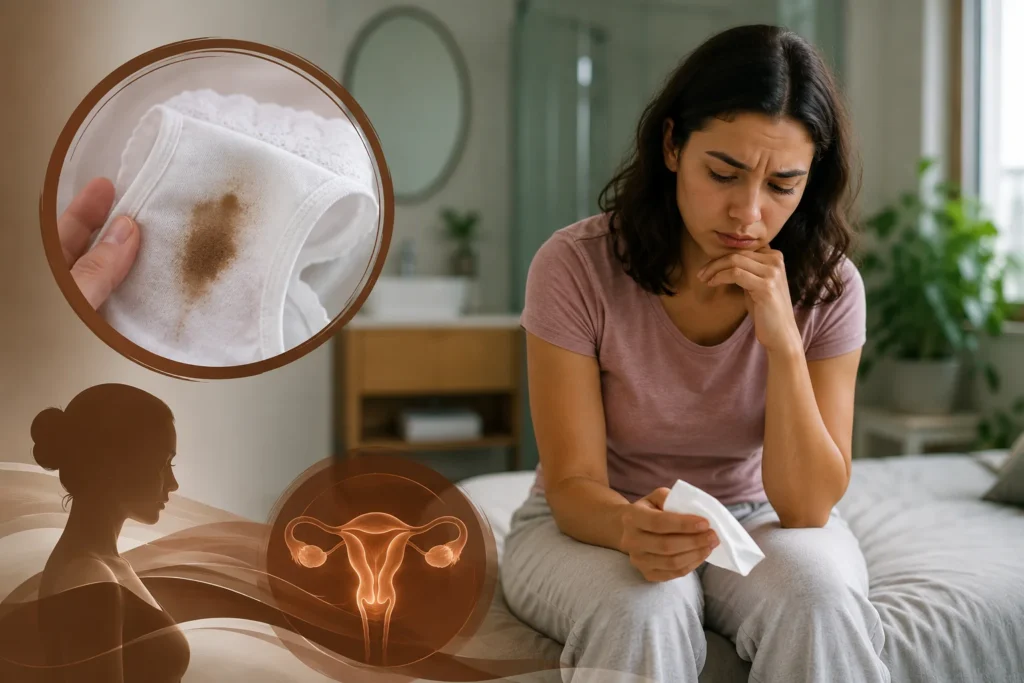
When bleeding occurs after first-time vaginal intercourse, it is usually:
- Light spotting.
- A few drops of blood.
- Pink or light red staining.
- Short-lasting.
Many people experience no bleeding whatsoever, and this is equally normal.
Heavy bleeding, bleeding that continues for several hours, or bleeding accompanied by severe pain is not considered typical and should be assessed by a healthcare professional.
Bleeding Is Not a Sign of Virginity
One of the most important facts to understand is that bleeding cannot determine whether someone is a virgin.
Virginity is a social and personal concept rather than a medical diagnosis.
Healthcare professionals cannot determine whether someone has had sexual intercourse by examining the hymen because:
- Hymens naturally vary.
- Many hymens stretch without tearing.
- Hymenal tissue changes throughout life.
- Many non-sexual activities also affect the appearance of the hymen.
Medical experts strongly discourage using hymenal appearance or bleeding as evidence of sexual history. (Christianson et al. 2025)
Understanding Normal Anatomical Variation
Just as people have different eye colors, fingerprints, and body shapes, they also have naturally different hymens.
No two hymens are exactly alike.
Understanding this natural variation helps eliminate harmful myths and reduces unnecessary anxiety before first-time sex.
Knowing that bleeding may or may not occur allows individuals to approach their first sexual experience with more realistic expectations and greater confidence.
Can the Hymen Stretch Without Bleeding?
Yes.
In fact, many hymens stretch naturally without tearing or causing any bleeding.
The hymen is made of soft, flexible tissue, and its elasticity varies from person to person.
Some individuals have very elastic hymenal tissue that gradually stretches during vaginal penetration,
while others may have less elastic tissue that develops small tears, resulting in light spotting.
Medical experts emphasize that stretching without bleeding is completely normal.
The amount of bleeding, if any, is influenced by:
- Natural anatomy
- Elasticity of the hymen
- Lubrication
- Muscle relaxation
- Pace of penetration
- Individual tissue sensitivity
This is one of the main reasons why bleeding cannot be used to determine whether someone is a virgin or having sex for the first time. (Mishori et al. 2019)
Activities That Can Change the Hymen
Another common misconception is that the hymen remains unchanged until first-time vaginal intercourse.
In reality, the hymen may naturally stretch or change over time because of everyday activities, growth, and hormonal changes.
Possible factors include:
Physical Activity
Activities such as:
- Running
- Gymnastics
- Dancing
- Cycling
- Horse riding
may stretch the hymen in some individuals, although they do not necessarily “break” it.
Tampon Use
Some people notice minor stretching of the hymenal tissue when using tampons.
Others experience no noticeable change at all.
Menstrual Cups
Using a menstrual cup may also stretch the hymenal opening in some individuals because the cup passes through the vaginal opening.
Medical Examinations
Certain gynecological examinations or medical procedures involving the vagina may alter the appearance of the hymenal tissue when medically necessary.
Natural Growth
The hymen naturally changes during puberty because estrogen makes the tissue thicker, more elastic, and more flexible.
As a result, its appearance often changes over time even without sexual activity.
These natural changes explain why healthcare professionals cannot determine virginity through a physical examination.
Common Myths About Virginity and Bleeding
Many myths surrounding first-time sex continue to circulate despite being disproven by medical research.
Myth: Every Woman Bleeds During First-Time Sex
Fact: Many women do not bleed during first-time vaginal intercourse because the hymen often stretches naturally without tearing.
Myth: Bleeding Proves Virginity
Fact: Bleeding cannot confirm whether someone has previously had sex.
Many people never bleed the first time, while others may bleed because of unrelated causes such as vaginal dryness or minor tissue irritation.
Myth: Doctors Can Tell If Someone Is a Virgin
Fact: Medical organizations around the world agree that there is no medical test or examination that can determine virginity.
The appearance of the hymen varies naturally and does not reliably indicate previous sexual activity.
Myth: A Torn Hymen Means Someone Has Had Sex
Fact: The hymen may stretch or change because of sports, tampon use, medical examinations, or natural development.
Its appearance alone cannot determine sexual history.
Myth: Heavy Bleeding Is Normal During First-Time Sex
Fact: Heavy bleeding is not considered a normal part of first-time sex and should be evaluated by a healthcare professional.
Myth vs Fact
| Myth | Fact |
|---|---|
| Every woman bleeds during first-time sex. | Many people experience no bleeding because the hymen often stretches naturally without tearing. |
| Bleeding proves someone is a virgin. | Bleeding cannot determine virginity. Medical experts agree there is no physical sign that proves whether someone has had sex. |
| Doctors can tell if someone is a virgin. | No. The hymen naturally varies between individuals, and medical examinations cannot determine sexual history. |
| Heavy bleeding is normal during first-time sex. | Heavy or prolonged bleeding is not normal and should be evaluated by a healthcare professional. |
When Bleeding Is Not Normal
Although light spotting may occur for some individuals, certain types of bleeding should not be ignored.
Seek medical attention if you experience:
- Heavy vaginal bleeding.
- Bleeding that continues for several hours or longer.
- Large blood clots.
- Severe pelvic or vaginal pain.
- Fever or chills.
- Foul-smelling vaginal discharge.
- Dizziness or fainting.
- Bleeding associated with signs of injury.
These symptoms may indicate an injury, infection, cervical condition, pregnancy-related complication, or another medical issue requiring prompt evaluation.
Can Men Tell If Someone Is a Virgin?
No. There is no physical way for a partner to determine whether someone is a virgin.
Virginity is a social and personal concept, not a medical condition.
There are no physical signs during sex that reliably indicate whether someone has previously had sexual intercourse.
Factors such as:
- Muscle relaxation
- Lubrication
- Anatomy
- Comfort level
- Previous childbirth
- Hormonal changes
vary greatly between individuals and are unrelated to whether someone has had sex before.
Claims that a partner can identify virginity based on tightness, bleeding, or appearance are not supported by medical evidence.
Respecting Privacy and Personal Choices
Every person has the right to make their own decisions regarding sexual activity and whether to discuss their sexual history.
Healthy relationships are built on:
- Trust
- Honest communication
- Mutual respect
- Consent
- Emotional safety
Rather than relying on myths or assumptions, partners should communicate openly and respectfully about topics that matter to both of them.
Why Accurate Information Matters
Misconceptions about the hymen and bleeding have contributed to stigma, shame, and harmful social practices in many parts of the world.
Medical education helps people understand that:
- Every body is different.
- Bleeding is not expected for everyone.
- Virginity cannot be medically verified.
- Respect and consent are far more important than outdated myths.
Replacing misinformation with evidence-based knowledge supports healthier relationships and better sexual well-being.
When Should You See a Healthcare Professional?
Although light spotting after first-time vaginal intercourse can be normal for some people, heavy bleeding, severe pain, or persistent symptoms are not and should be evaluated by a healthcare professional.
Medical advice is recommended if you experience:
- Heavy vaginal bleeding that soaks through a pad within a short period.
- Bleeding that continues beyond 24 hours.
- Large blood clots.
- Severe or worsening pelvic pain.
- Fever or chills.
- Foul-smelling vaginal discharge.
- Pain during urination that persists.
- Dizziness, fainting, or weakness.
- Suspected injury to the vaginal area.
- Concerns about pregnancy or sexually transmitted infections (STIs).
Early medical evaluation can help identify treatable conditions such as vaginal tears, infections, cervical abnormalities, or other gynecological concerns.
How Healthcare Professionals Evaluate Bleeding
If bleeding after first-time sex is heavier than expected or continues, a healthcare professional will usually begin by asking about:
- When the bleeding started.
- How much bleeding has occurred.
- Whether pain is present.
- Menstrual history.
- Current medications.
- Previous medical conditions.
- Contraceptive use.
- Any recent injuries or infections.
If necessary, a physical examination or additional investigations may be recommended to determine the underlying cause.
The purpose of the evaluation is to identify the cause of the bleeding and provide appropriate care, not to determine whether someone has previously had sex.
Can Bleeding Be Prevented?
Not all causes of light spotting can be prevented, but several measures may help reduce unnecessary tissue irritation.
These include:
Take Things Slowly
Allowing enough time for relaxation and communication may reduce friction.
Ensure Adequate Lubrication
Natural lubrication varies between individuals. If needed, a water-based lubricant may help reduce friction and improve comfort.
Don’t Ignore Pain
If significant pain develops, it is appropriate to pause or stop rather than continue through discomfort.
Communicate With Your Partner
Open communication allows both partners to adjust the pace, discuss comfort levels, and respect boundaries throughout the experience.
Emotional Impact of Bleeding Myths
For many people, concerns about bleeding are emotional as well as physical.
The belief that someone “must bleed” during first-time sex has created unnecessary fear, shame, and pressure in many cultures.
These misconceptions can:
- Increase anxiety before first-time sex.
- Create unrealistic expectations.
- Lead to feelings of guilt or embarrassment.
- Place unfair pressure on relationships.
- Reinforce harmful stereotypes about virginity.
Learning the medical facts helps replace fear with confidence and encourages healthier conversations about sexual health.
Supporting Healthy Sexual Relationships
Healthy sexual relationships are based on trust, respect, and communication rather than myths about bleeding or virginity.
Partners should feel comfortable discussing:
- Consent
- Comfort levels
- Contraception
- STI prevention
- Questions or concerns
- Expectations
Mutual respect and honest communication are far more important than outdated beliefs about what should or should not happen during first-time sex.
Lesser-Known Fact
Did you know that some people are born with so little visible hymenal tissue that it is barely noticeable?
Medical research has shown that hymens vary so widely in shape, size, and elasticity that some individuals naturally have very minimal hymenal tissue from birth. Others have highly elastic tissue that stretches without tearing. This natural variation is one of the main reasons why healthcare professionals agree that the appearance of the hymen cannot be used to determine virginity or previous sexual activity.
Final Thoughts
Bleeding during first-time vaginal sex is not universal, and its absence does not mean anything is wrong. The hymen is a naturally variable structure that may stretch without tearing, making every person’s experience different. Modern medical evidence clearly shows that bleeding is not proof of virginity or previous sexual activity.
Understanding the facts about the hymen can help reduce anxiety, challenge harmful myths, and encourage healthier conversations about sexual health. Respect, consent, and communication are far more meaningful indicators of a healthy first sexual experience than whether bleeding occurs.
If you experience heavy bleeding, severe pain, or other concerning symptoms after sexual activity, seek medical advice promptly. Accurate information empowers individuals to make informed decisions and supports lifelong sexual and reproductive well-being.
Conclusion
Bleeding during first-time vaginal intercourse is not something that everyone experiences, and it should never be considered proof of virginity or a measure of sexual history. The hymen is a naturally flexible structure that varies greatly from person to person. For many individuals, it stretches without tearing, while others may notice only light spotting or no bleeding at all.
Understanding the anatomy of the hymen and the wide range of normal experiences helps challenge long-standing myths that have caused unnecessary fear, stigma, and misinformation. Modern medical evidence clearly shows that bleeding, pain, and the appearance of the hymen are not reliable indicators of whether someone has had sex before.
If bleeding is heavy, prolonged, or accompanied by severe pain, fever, unusual discharge, or other concerning symptoms, it is important to seek medical care promptly. A healthy first sexual experience is defined not by whether bleeding occurs, but by mutual consent, respect, communication, emotional readiness, and informed decision-making.
Replacing myths with evidence-based information supports healthier relationships, reduces anxiety, and promotes lifelong sexual wellness.
Frequently Asked Questions
1. Does everyone bleed during first-time sex?
No. Many people experience no bleeding during their first vaginal intercourse because the hymen may stretch naturally without tearing.
2. What is the hymen?
The hymen is a thin, flexible rim of tissue near the vaginal opening. It naturally varies in shape, thickness, and elasticity from person to person.
3. Can sports or tampon use affect the hymen?
Yes. Activities such as sports, cycling, tampon use, menstrual cups, and natural growth may stretch the hymenal tissue without involving sexual activity.
4. Can doctors tell if someone is a virgin?
No. Medical organizations agree that there is no examination or test that can determine whether someone has previously had sexual intercourse.
5. When should I seek medical advice?
Consult a healthcare professional if you experience heavy bleeding, severe pain, fever, persistent bleeding, unusual discharge, or signs of injury after sexual activity.
Stay tuned with us for more health related topics.
Follow us on LinkedIn and Instagram for more.
More Read


Medical Disclaimer!
This article has been reviewed and written under the guidance of our Head Physiotherapist, Dr. Kruti Raj (PT, MUHS,CPT,CMPT). The information shared is intended for educational purposes only and should not be considered a substitute for personalized medical advice, diagnosis, or treatment.
Please consult us or any other qualified healthcare professional before beginning any exercise program, especially if you are experiencing pain, recovering from injury, or managing a medical condition.


