


A foul-smelling vaginal discharge is one of the most common reasons women seek gynecological care.
While the vagina naturally has a mild odor that varies throughout the menstrual cycle,
a strong, unpleasant, fishy, or rotten smell accompanied by abnormal discharge is often a sign that something is disrupting the normal vaginal environment.
In many cases, this may result from bacterial infections, sexually transmitted infections (STIs), poor intimate hygiene, or the presence of a retained foreign object such as a forgotten tampon.
Quick Answer
A mild vaginal odor is completely normal. However, a persistent fishy, rotten, or foul-smelling vaginal discharge often indicates an infection such as bacterial vaginosis, trichomoniasis, or another gynecological condition. If the odor is accompanied by itching, burning, pelvic pain, fever, abnormal bleeding, or green or yellow discharge, seek medical evaluation promptly.
The odor may be accompanied by changes in the color and consistency of vaginal discharge.
Some women notice a thin gray discharge with a fishy smell, while others experience yellow, green, or frothy discharge associated with itching, burning, pelvic pain, or discomfort during urination.
Although not every unpleasant odor indicates a serious medical condition, persistent foul-smelling discharge should never be ignored, especially if it is associated with pain, fever, or abnormal bleeding.
Understanding the causes of foul-smelling vaginal discharge can help women recognize when simple lifestyle measures are sufficient and when professional medical evaluation is necessary.
In this article, we discuss the possible causes, symptoms, diagnosis, treatment options, preventive strategies, and the role of physiotherapy in supporting women’s pelvic health. (Cleveland Clinic)
Key Takeaways
- A mild vaginal odor is normal, but a persistent fishy or foul smell is not.
- Bacterial vaginosis is the most common cause of foul-smelling vaginal discharge.
- Sexually transmitted infections, pelvic inflammatory disease, and retained tampons can also produce unpleasant vaginal odor.
- Avoid vaginal douching, as it can disrupt the healthy vaginal microbiome and increase the risk of infection.
- Seek medical care if vaginal odor is accompanied by fever, pelvic pain, itching, abnormal bleeding, or yellow, green, or gray discharge.
- Pelvic floor physiotherapy can support women experiencing pelvic pain or painful intercourse associated with pelvic floor dysfunction.
What Is Foul-Smelling Vaginal Discharge?
Foul-smelling vaginal discharge refers to vaginal secretions that have a noticeably unpleasant odor, often accompanied by changes in color, texture, or volume.
While every woman has a natural vaginal scent, a strong fishy, rotten, or offensive odor is usually abnormal and may indicate an infection or another underlying gynecological condition.
The discharge may appear as:
- Thin gray discharge
- Yellow vaginal discharge
- White discharge with an unpleasant odor
- Green vaginal discharge
- Frothy discharge
- Brown discharge with a foul smell
The smell may become more noticeable:
- After sexual intercourse
- During menstruation
- After prolonged sweating
- Following poor intimate hygiene
- When an untreated infection is present
Although temporary changes in vaginal odor can occur, persistent foul-smelling discharge should always be assessed by a healthcare professional.
Is Vaginal Odor Ever Normal?
Yes.
A mild vaginal odor is completely normal and varies throughout different stages of the menstrual cycle.
Healthy vaginal bacteria, hormonal fluctuations, sweating, and menstrual blood can all cause temporary changes in vaginal scent without indicating disease.
Normal vaginal odor is usually:
- Mild
- Musky
- Slightly acidic
- Temporary
- Not associated with itching, pain, or abnormal discharge
However, a strong fishy, rotten, or offensive smell that persists or is accompanied by abnormal discharge, itching, burning, fever, pelvic pain, or bleeding is not considered normal and requires medical evaluation.
Types of Vaginal Odor
Different odors may provide important clues about the underlying cause.
Fishy Odor
A fishy smell is the most common abnormal vaginal odor and is frequently associated with bacterial vaginosis.
The odor often becomes stronger after sexual intercourse because changes in vaginal pH enhance the release of odor-producing compounds.
Rotten or Foul Odor
A rotten or extremely unpleasant smell may indicate a retained tampon, severe bacterial infection, pelvic inflammatory disease, or, in rare cases, certain gynecological cancers.
This type of odor should never be ignored.
Sweet Odor
A mildly sweet odor is less commonly associated with disease and may occur due to changes in the vaginal microbiome, diet, or hormonal fluctuations.
However, if it is accompanied by abnormal discharge or irritation, medical assessment is advisable.
Metallic Odor
A metallic smell is often related to the presence of blood and may occur during menstruation, after sexual intercourse with light spotting, or following minor cervical irritation.
The odor usually resolves once the bleeding stops.
Common Causes of Foul-Smelling Vaginal Discharge
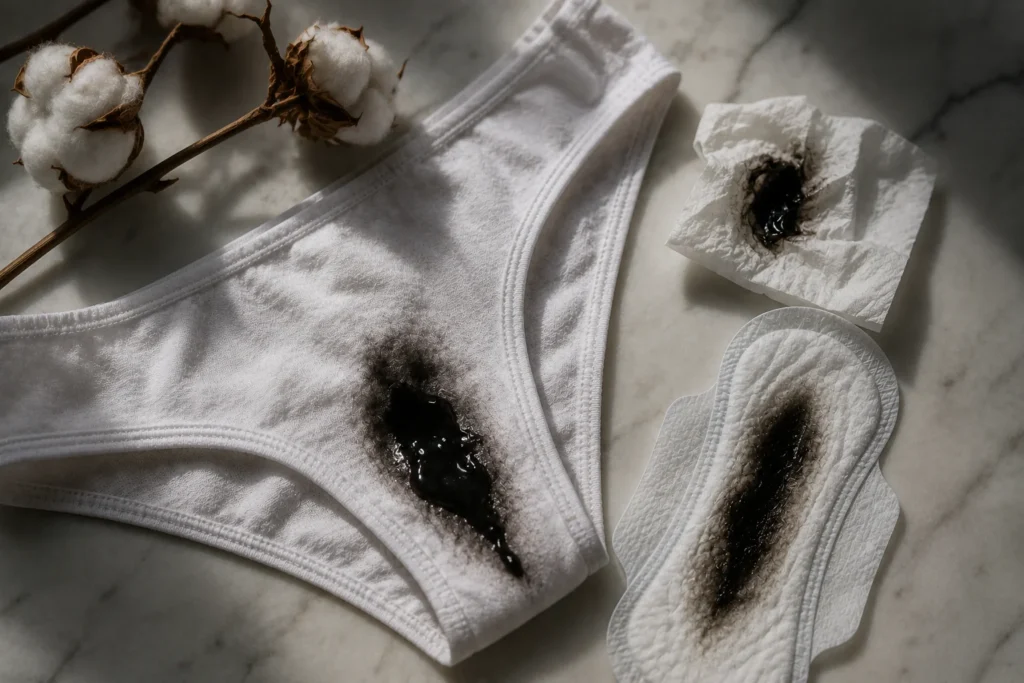
Several everyday factors can temporarily alter vaginal odor without indicating a serious health problem.
1. Poor Intimate Hygiene
Inadequate cleansing of the external genital area can allow sweat, dead skin cells, urine residue, and natural secretions to accumulate, leading to an unpleasant odor.
Good intimate hygiene includes:
- Washing the external genital area daily with lukewarm water
- Avoiding harsh soaps and scented products
- Changing underwear regularly
- Keeping the genital area dry
- Wiping from front to back after using the toilet
It is important to remember that internal vaginal cleansing or douching is not recommended because it disrupts the normal vaginal microbiome.
2. Excessive Sweating
The groin area contains numerous sweat glands, and prolonged sweating can create a warm, moist environment that encourages bacterial growth and odor.
This is more common during:
- Hot weather
- Intense physical activity
- Tight synthetic clothing
- Obesity
- Prolonged sitting
Maintaining good hygiene and wearing breathable cotton underwear can help minimize odor caused by sweating.
3. Menstruation
Menstrual blood naturally alters the vaginal pH and may temporarily produce a stronger odor, particularly toward the end of the menstrual period.
This odor is usually:
- Mild
- Temporary
- Resolves after menstruation
- Not associated with itching or burning
Changing sanitary pads or tampons regularly helps maintain vaginal hygiene during menstruation.
4. Retained Tampon or Foreign Object
A forgotten tampon is one of the most common causes of sudden foul-smelling vaginal discharge.
Women may experience:
- Strong rotten odor
- Brown, yellow, or green discharge
- Vaginal discomfort
- Spotting
- Occasionally fever if infection develops
A retained tampon requires prompt removal and medical evaluation, particularly if fever or severe pelvic pain is present.
5. Hormonal Changes
Hormonal fluctuations during puberty, pregnancy, breastfeeding, perimenopause, and menopause can influence vaginal pH and bacterial balance,
occasionally leading to temporary changes in vaginal odor.
These hormonal changes are usually not associated with severe symptoms unless an infection develops simultaneously.
According to the World Health Organization,
maintaining good menstrual and reproductive hygiene while seeking timely medical evaluation for persistent abnormal vaginal discharge helps reduce the risk of reproductive tract infections and associated complications.
Medical Causes of Foul-Smelling Vaginal Discharge
While temporary changes in vaginal odor may occur because of hygiene, sweating, or menstruation, persistent foul-smelling discharge is often associated with an underlying infection or gynecological condition.
Early diagnosis and treatment can help prevent complications and improve vaginal health.
6. Bacterial Vaginosis (BV)
Bacterial vaginosis is the most common cause of foul-smelling vaginal discharge in women of reproductive age.
It occurs when the normal balance of healthy vaginal bacteria is disrupted, allowing harmful bacteria to multiply.
Typical symptoms include:
- Thin gray or white vaginal discharge
- Strong fishy odor, especially after sexual intercourse
- Mild vaginal irritation
- Burning during urination
- Increased vaginal discharge
Although bacterial vaginosis is not considered a sexually transmitted infection, sexual activity can increase the risk of developing the condition.
According to the (World Health Organization),
bacterial vaginosis is the most common cause of abnormal vaginal discharge among women of reproductive age and should be treated to reduce symptoms and lower the risk of complications.
7. Trichomoniasis
Trichomoniasis is a sexually transmitted infection caused by the parasite Trichomonas vaginalis.
It commonly produces a strong unpleasant vaginal odor along with abnormal discharge.
Symptoms may include:
- Yellow-green frothy discharge
- Strong foul or fishy odor
- Vaginal itching
- Burning sensation
- Pain during urination
- Pain during sexual intercourse
- Spotting after intercourse in some women
Because many women have mild or no symptoms, routine testing may be necessary in individuals at increased risk.
8. Vaginal Yeast Infection
Although vaginal yeast infections are more commonly associated with thick white discharge and itching rather than odor,
some women may notice a mild unpleasant smell when inflammation is severe or when another infection occurs simultaneously.
Symptoms include:
- Thick white discharge resembling cottage cheese
- Intense vaginal itching
- Redness and swelling
- Burning sensation
- Pain during intercourse
- Mild irritation around the vulva
Unlike bacterial vaginosis, yeast infections usually do not produce a strong fishy odor.
9. Sexually Transmitted Infections (STIs)
Several sexually transmitted infections can cause abnormal vaginal discharge with an unpleasant odor.
Common infections include:
- Chlamydia
- Gonorrhea
- Trichomoniasis
- Genital herpes (occasionally associated with secondary infection)
Women may experience:
- Yellow or green discharge
- Foul odor
- Pelvic pain
- Pain during urination
- Bleeding after sex
- Lower abdominal discomfort
Untreated STIs can lead to pelvic inflammatory disease, infertility, and pregnancy complications.
10. Pelvic Inflammatory Disease (PID)
Pelvic inflammatory disease develops when bacteria spread from the vagina into the uterus, fallopian tubes, or ovaries.
Symptoms may include:
- Foul-smelling vaginal discharge
- Fever
- Lower abdominal pain
- Pain during intercourse
- Painful urination
- Irregular vaginal bleeding
PID requires prompt medical treatment because delayed management may result in infertility, chronic pelvic pain, or ectopic pregnancy.
11. Cervicitis
Cervicitis is inflammation of the cervix that may develop because of bacterial infections, sexually transmitted infections, allergies, or chemical irritants.
Symptoms include:
- Abnormal vaginal discharge
- Foul-smelling discharge
- Bleeding after sexual intercourse
- Pelvic discomfort
- Pain during intercourse
Because cervicitis often causes only mild symptoms, routine gynecological examinations are important for early detection.
12. Forgotten Tampon
A retained tampon is one of the most recognizable causes of a sudden, severe foul vaginal odor.
Women often notice:
- Strong rotten smell
- Brown, yellow, or green discharge
- Vaginal discomfort
- Spotting
- Occasionally fever
A forgotten tampon should never be left in place and requires prompt removal to reduce the risk of serious infection.
13. Rare Causes
Although uncommon, persistent foul-smelling vaginal discharge may occasionally be associated with more serious conditions such as:
- Cervical cancer
- Vaginal cancer
- Rectovaginal fistula
- Advanced pelvic infections
These conditions are typically accompanied by additional symptoms such as:
- Persistent abnormal bleeding
- Pelvic pain
- Unexplained weight loss
- Bloody discharge
- Pain during intercourse
According to the World Health Organization,
regular cervical cancer screening and HPV vaccination play a crucial role in reducing the risk of cervical cancer and improving early detection.
Symptoms That May Accompany Foul-Smelling Vaginal Discharge
The presence of additional symptoms often helps identify the underlying cause.
Seek medical attention if foul-smelling vaginal discharge is accompanied by:
- Yellow, green, or gray discharge
- Thick white discharge with severe itching
- Pelvic or lower abdominal pain
- Burning during urination
- Pain during sexual intercourse
- Fever or chills
- Bleeding after intercourse
- Bleeding between menstrual periods
- Vaginal swelling
- Persistent itching or irritation
Myth vs Fact
| Myth | Fact |
|---|---|
| Every vaginal odor is abnormal. | A mild musky odor is a normal part of vaginal health and varies throughout the menstrual cycle. |
| A fishy odor always means poor hygiene. | The most common cause is bacterial vaginosis, which results from an imbalance of vaginal bacteria—not poor hygiene alone. |
| Douching helps remove vaginal odor. | Douching can disrupt the normal vaginal microbiome and may worsen infections and odor. |
| A foul smell without pain is harmless. | Persistent foul-smelling discharge should always be evaluated, even if pain is absent. |
How Is Foul-Smelling Vaginal Discharge Diagnosed?
A healthcare professional will perform a comprehensive evaluation to determine the cause.
Diagnosis may include:
- Detailed medical history
- Pelvic examination
- Speculum examination
- Vaginal pH testing
- Microscopic examination of vaginal discharge
- Vaginal swab and culture
- Testing for sexually transmitted infections
- Pap smear if indicated
- Pregnancy test when appropriate
- Pelvic ultrasound if pelvic pathology is suspected
According to Cleveland Clinic, early evaluation of abnormal vaginal discharge helps diagnose infections, inflammatory conditions, and cervical abnormalities before complications develop. (Cleveland Clinic)
Can Physiotherapy Help?
Women’s health physiotherapy does not treat infections directly, but it can play an important supportive role in improving pelvic health,
especially in women who experience pelvic pain, painful intercourse, or pelvic floor dysfunction alongside recurrent vaginal infections.
A pelvic floor physiotherapist may help by:
- Assessing pelvic floor muscle function
- Reducing pelvic floor tightness
- Improving pelvic muscle coordination
- Teaching breathing and relaxation techniques
- Managing pain during intercourse
- Supporting postpartum pelvic recovery
- Providing education on healthy bladder, bowel, and pelvic habits
Pelvic floor rehabilitation is particularly beneficial for women whose symptoms persist even after the underlying infection has been treated,
helping restore comfort, confidence, and overall quality of life.
Treatment for Foul-Smelling Vaginal Discharge
The treatment for foul-smelling vaginal discharge depends entirely on its underlying cause.
While improving personal hygiene may resolve odor caused by sweating or menstrual hygiene issues, infections and other medical conditions require prompt diagnosis and appropriate treatment.
Self-medicating without knowing the cause may delay recovery and increase the risk of complications.
Bacterial Vaginosis
Bacterial vaginosis is commonly treated with antibiotics prescribed by a healthcare professional.
Treatment usually includes:
- Oral antibiotics
- Vaginal antibiotic gels or creams
- Completing the full course of medication
- Avoiding vaginal douching during treatment
- Following up if symptoms return
Most women notice improvement within a few days, but completing the prescribed medication is essential to reduce recurrence.
Trichomoniasis
Trichomoniasis requires prescription antiparasitic medication.
Treatment recommendations include:
- Taking the full prescribed medication
- Treating sexual partners simultaneously
- Avoiding sexual intercourse until treatment is completed
- Undergoing follow-up testing if advised
Prompt treatment helps prevent reinfection and reduces transmission.
Vaginal Yeast Infection
Yeast infections are treated with antifungal medications.
Management may involve:
- Antifungal vaginal creams
- Vaginal suppositories
- Oral antifungal tablets when appropriate
- Keeping the genital area dry
- Wearing breathable cotton underwear
Unlike bacterial vaginosis, antibiotics should not be used unless another bacterial infection is present.
Sexually Transmitted Infections (STIs)
Treatment depends on the specific infection identified.
Management may include:
- Antibiotics for bacterial STIs
- Antiviral medications for viral infections
- Partner notification and treatment
- Temporary abstinence from sexual activity
- Repeat testing if recommended
Early diagnosis reduces the risk of long-term reproductive complications.
Pelvic Inflammatory Disease (PID)
PID requires immediate medical treatment to prevent permanent damage to the reproductive organs.
Treatment generally includes:
- Broad-spectrum antibiotics
- Pain management
- Rest and hydration
- Hospitalization for severe infections
- Treatment of sexual partners when appropriate
Retained Tampon or Foreign Body
A forgotten tampon or retained foreign object should be removed by a healthcare professional if it cannot be removed safely at home.
Additional treatment may include:
- Antibiotics if infection is present
- Pelvic examination
- Follow-up if symptoms persist
Prompt removal usually leads to rapid improvement in odor and discharge.
Serious Gynecological Conditions
If foul-smelling discharge is related to cervical abnormalities, cervical cancer, vaginal cancer, or other serious conditions, treatment will depend on the specific diagnosis and may involve:
- Colposcopy
- Minor surgical procedures
- Radiation therapy
- Chemotherapy
- Ongoing gynecological follow-up
Early detection significantly improves treatment outcomes.
Home Care Tips
Good vaginal hygiene and healthy lifestyle habits can help reduce unpleasant vaginal odor and support overall vaginal health.
Recommended self-care measures include:
- Wash only the external genital area with lukewarm water.
- Avoid scented soaps, sprays, powders, and vaginal douches.
- Change sanitary pads and tampons regularly during menstruation.
- Wear breathable cotton underwear.
- Change out of wet clothing promptly after exercise or swimming.
- Practice safer sex and use barrier protection when appropriate.
- Stay well hydrated.
- Eat a balanced diet to support overall health.
- Complete all prescribed medications as directed.
- Avoid using over-the-counter antibiotics without medical advice.
Can Physiotherapy Help Prevent Recurrent Symptoms?
Women’s health physiotherapy does not eliminate infections,
but it can improve pelvic health in women who experience pelvic pain, painful intercourse, pelvic floor dysfunction, or discomfort associated with recurrent vaginal infections.
A pelvic health physiotherapist may recommend:
- Pelvic floor muscle assessment
- Relaxation techniques for overactive pelvic floor muscles
- Breathing exercises
- Manual therapy to reduce muscle tension
- Scar tissue mobilization after childbirth or pelvic surgery
- Education on bladder, bowel, and pelvic health habits
- Individualized pelvic floor rehabilitation
Research indicates that pelvic floor rehabilitation can improve pelvic floor function,
reduce pain during intercourse, and enhance quality of life in women with pelvic floor dysfunction. (Ghaderi et al. 2019)
Can Foul-Smelling Vaginal Discharge Be Prevented?
Although not every cause can be prevented, adopting healthy habits can significantly reduce the risk of abnormal vaginal odor and infections.
Preventive measures include:
- Maintain good intimate hygiene.
- Avoid vaginal douching.
- Change tampons and sanitary pads regularly.
- Wear breathable cotton underwear.
- Avoid prolonged use of tight-fitting clothing.
- Practice safer sex.
- Seek early treatment for vaginal infections.
- Attend regular gynecological check-ups.
- Receive the HPV vaccine if eligible.
- Maintain good control of diabetes and other chronic health conditions.
When Should You See a Doctor?
Consult a healthcare professional if you experience:
- Persistent foul-smelling vaginal discharge
- Fishy, rotten, or unusually strong vaginal odor
- Yellow, green, or gray discharge
- Thick white discharge with severe itching
- Fever or chills
- Pelvic or lower abdominal pain
- Pain during urination
- Pain during sexual intercourse
- Bleeding after intercourse
- Bleeding after menopause
- Symptoms that persist despite home care
Early diagnosis allows timely treatment and helps prevent complications affecting reproductive health.
Conclusion
A foul-smelling vaginal discharge is often a sign that the normal balance of the vaginal environment has been disrupted.
While temporary odor may occasionally occur because of menstruation, sweating, or hormonal changes, persistent fishy, rotten, or offensive-smelling discharge usually indicates an underlying condition such as:
bacterial vaginosis, trichomoniasis, cervicitis, pelvic inflammatory disease, or another gynecological disorder.
Ignoring persistent vaginal odor can delay diagnosis and increase the risk of complications.
Seeking timely medical evaluation, maintaining good intimate hygiene, practicing safer sex, and attending regular gynecological check-ups are essential for protecting vaginal and reproductive health.
For women experiencing pelvic pain or painful intercourse related to pelvic floor dysfunction, pelvic floor physiotherapy can provide valuable support alongside appropriate medical treatment, helping restore comfort, confidence, and quality of life.
Frequently Asked Questions
1. What causes foul-smelling vaginal discharge?
Common causes include bacterial vaginosis, trichomoniasis, sexually transmitted infections, pelvic inflammatory disease, poor hygiene, and retained tampons.
2. Is a fishy vaginal odor always bacterial vaginosis?
A fishy odor strongly suggests bacterial vaginosis, but it may also occur with trichomoniasis or other infections.
3. Can a yeast infection cause a bad smell?
Most yeast infections cause itching and thick white discharge rather than a strong odor. If a foul smell is present, another infection may also be involved.
4. Can poor hygiene cause vaginal odor?
Poor hygiene can contribute to odor, but persistent foul-smelling discharge usually indicates an underlying medical condition.
5. Should I douche to remove vaginal odor?
No. Douching can disturb the natural balance of healthy vaginal bacteria and may worsen infections.
6. When should I see a doctor?
Consult a healthcare provider if foul-smelling discharge persists or is accompanied by fever, pelvic pain, itching, bleeding, or green or yellow discharge.
7. Can physiotherapy treat vaginal infections?
No. Physiotherapy does not treat infections directly but can help manage pelvic pain, painful intercourse, and pelvic floor dysfunction after appropriate medical treatment.
8. Can foul-smelling vaginal discharge be prevented?
Maintaining good hygiene, avoiding douching, practicing safer sex, and seeking early treatment for infections can reduce the risk.
Final Thoughts
Persistent foul-smelling vaginal discharge is your body’s way of signaling that something may be affecting your vaginal health. While temporary odor changes can occur during menstruation or because of sweating, a strong fishy or rotten smell should never be ignored. Early diagnosis and treatment of infections can prevent complications and protect reproductive health. By maintaining good intimate hygiene, avoiding unnecessary vaginal products, attending regular gynecological check-ups, and seeking timely medical advice, women can support a healthy vaginal environment. When pelvic pain or painful intercourse is also present, pelvic floor physiotherapy may provide valuable support as part of a comprehensive treatment plan.
Stay tuned with us for more health related topics.
Follow us on LinkedIn and Instagram for more.
More Read


Medical Disclaimer!
This article has been reviewed and written under the guidance of our Head Physiotherapist, Dr. Kruti Raj (PT, MUHS,CPT,CMPT). The information shared is intended for educational purposes only and should not be considered a substitute for personalized medical advice, diagnosis, or treatment.
Please consult us or any other qualified healthcare professional before beginning any exercise program, especially if you are experiencing pain, recovering from injury, or managing a medical condition.


