How to improve male fertility naturally starts with supporting the factors that influence sperm production and reproductive health.
When couples are trying to conceive, the conversation often focuses heavily on the woman’s health.
But male factors contribute substantially to infertility, and sperm quality can be influenced by weight, physical activity, tobacco exposure, diet, alcohol, certain medications, heat exposure, environmental chemicals and underlying medical conditions.
The good news is that some lifestyle factors are modifiable.
The important part is separating genuinely useful changes from fertility myths and expensive supplements that promise more than the evidence can support.
You can support male fertility by maintaining a healthy weight, exercising moderately, breaking up prolonged sitting, eating a nutrient-rich diet, avoiding smoking and anabolic steroids, limiting excessive alcohol, protecting the testicles from unnecessary heat, sleeping consistently and addressing medical or sexual-health problems early.
The World Health Organization’s 2025 infertility guideline specifically recognizes healthy diet, physical activity and tobacco cessation as important lifestyle measures when people are planning pregnancy. (WHO)
From a physiotherapy perspective, I also look beyond sperm count.
Your daily movement, prolonged sitting, exercise habits, sleep, body composition, pelvic health and recovery patterns can all be part of the bigger picture.
Key Takeaways
- Healthy weight and regular physical activity can support semen quality.
- Break up long periods of sitting throughout the workday.
- Choose a predominantly whole-food, plant-rich dietary pattern.
- Avoid smoking and anabolic steroids when trying to conceive.
- Reduce unnecessary prolonged heat exposure around the testes.
- Do not assume expensive antioxidant supplements are automatically effective.
- Persistent testicular, sexual or ejaculation problems deserve medical assessment.
- Lifestyle changes take time, so judge progress over months rather than days.
First, understand what “male fertility” actually means
Male fertility is not determined by sperm count alone.
A semen analysis commonly evaluates sperm concentration, total sperm number, motility and morphology, along with semen volume and other characteristics.
A man can have a seemingly reasonable sperm concentration but still experience fertility difficulties because of poor movement, abnormal morphology, sperm DNA damage, ejaculation problems or another reproductive condition.
This is one reason I would not recommend trying to “boost sperm count” blindly.
If pregnancy has not occurred after 12 months of regular unprotected intercourse, infertility evaluation is appropriate.
Earlier assessment can be appropriate when there are known risk factors, sexual or ejaculation problems, previous testicular injury or surgery, chemotherapy, anabolic steroid use, or other reproductive concerns.
WHO defines infertility as failure to achieve pregnancy after 12 months or more of regular unprotected intercourse.
1. Start with your waistline, not a fertility supplement
Excess body weight is one of the less glamorous but potentially important fertility factors.
A 2024 systematic review and meta-analysis found that overweight and obesity were associated with reductions in several semen-quality measures, with greater impairment observed at higher obesity classes. (PMC)
Even more interestingly, a 2024 meta-analysis examining weight-loss interventions in men with obesity found improvements in sperm concentration and progressive motility after weight loss, along with a reduction in sperm DNA fragmentation.
That does not mean every man needs to achieve a particular “ideal” weight before conception.
Instead, focus on sustainable improvements:
- Reduce excess abdominal fat gradually.
- Increase daily walking.
- Perform resistance exercise regularly.
- Avoid crash diets.
- Build meals around minimally processed foods.
- Reduce sugary drinks and highly processed snacks.
From a physiotherapy perspective, I particularly like the combination of walking + resistance training + regular movement breaks, because it improves general metabolic health without requiring extreme exercise.
2. Stop treating sitting as harmless
If you work at a desk for eight to ten hours, going to the gym for 45 minutes does not completely erase the rest of the day.
Research specifically examining sedentary behavior and semen parameters found inconsistent associations overall, but some studies reported relationships between prolonged sitting and sperm DNA fragmentation.
The authors concluded that more research is needed rather than claiming that sitting directly causes infertility.
This is an important distinction.
You do not need to become an athlete.
Instead, try a movement-break strategy:
Every 30-60 minutes
Stand up.
Walk for two to five minutes.
Perform a few bodyweight movements.
Take a short staircase break.
Change your sitting position.
For someone working at a computer, these small interruptions may be easier to maintain than adding another intense workout.
3. Exercise, but do not turn fertility into an endurance competition
Exercise is generally beneficial for health, but more is not automatically better for sperm.
A systematic review and meta-analysis found that recreational physical activity may have positive effects on sperm concentration or progressive motility, whereas very high levels of elite physical activity may negatively affect some semen parameters. (Researchgate)
Cycling has also been investigated because of possible effects associated with prolonged saddle pressure and heat.
A practical weekly target can include:
- Brisk walking most days
- Two to three resistance-training sessions
- Mobility work
- Moderate aerobic exercise
- Recovery days
If you cycle extensively, particularly for long periods, pay attention to saddle comfort, riding duration, genital numbness and recovery.
You do not necessarily need to stop cycling.
The goal is to avoid turning prolonged pressure, heat and repetitive loading into an everyday habit.
4. Build a fertility-friendly plate instead of chasing “fertility foods”
There is no single food that magically increases sperm count.
The stronger approach is an overall dietary pattern.
Recent research is particularly interesting here.
A 2025 systematic review and meta-analysis involving more than 2,500 men found that greater adherence to a Mediterranean-style dietary pattern was associated with higher sperm count, total motility, progressive motility and normal morphology. (Elsevier)
However, the researchers emphasized that evidence for actual pregnancy or assisted-reproduction outcomes remains limited.
You do not have to become Mediterranean overnight.
For an Indian diet, the same principles can be adapted using:
- Lentils and beans
- Chickpeas
- Vegetables
- Fruits
- Whole grains
- Nuts and seeds
- Unsaturated fats
- Curd or other suitable dairy foods
- Fish for non-vegetarians
- Plant sources of omega-3 for vegetarians
A fertility-supportive diet should be colorful rather than restrictive.
Think variety, fiber, protein and minimally processed foods.
5. Do not underestimate nuts, seeds and healthy fats
Sperm membranes contain substantial amounts of polyunsaturated fatty acids, which has led researchers to investigate omega-3 intake and sperm quality.
A systematic review of 16 studies found that 14 reported an association between omega-3 intake or supplementation and improvement in at least one semen-quality marker, although the studies were heterogeneous and the authors emphasized limitations in the evidence. (Wiley)
For a vegetarian man, useful food options include:
- Walnuts
- Chia seeds
- Flaxseeds
- Soy foods
- Other nuts and seeds
These foods should be part of a balanced diet, not consumed in enormous quantities because they are marketed as “fertility boosters.”
6. Protect your testicles from unnecessary heat
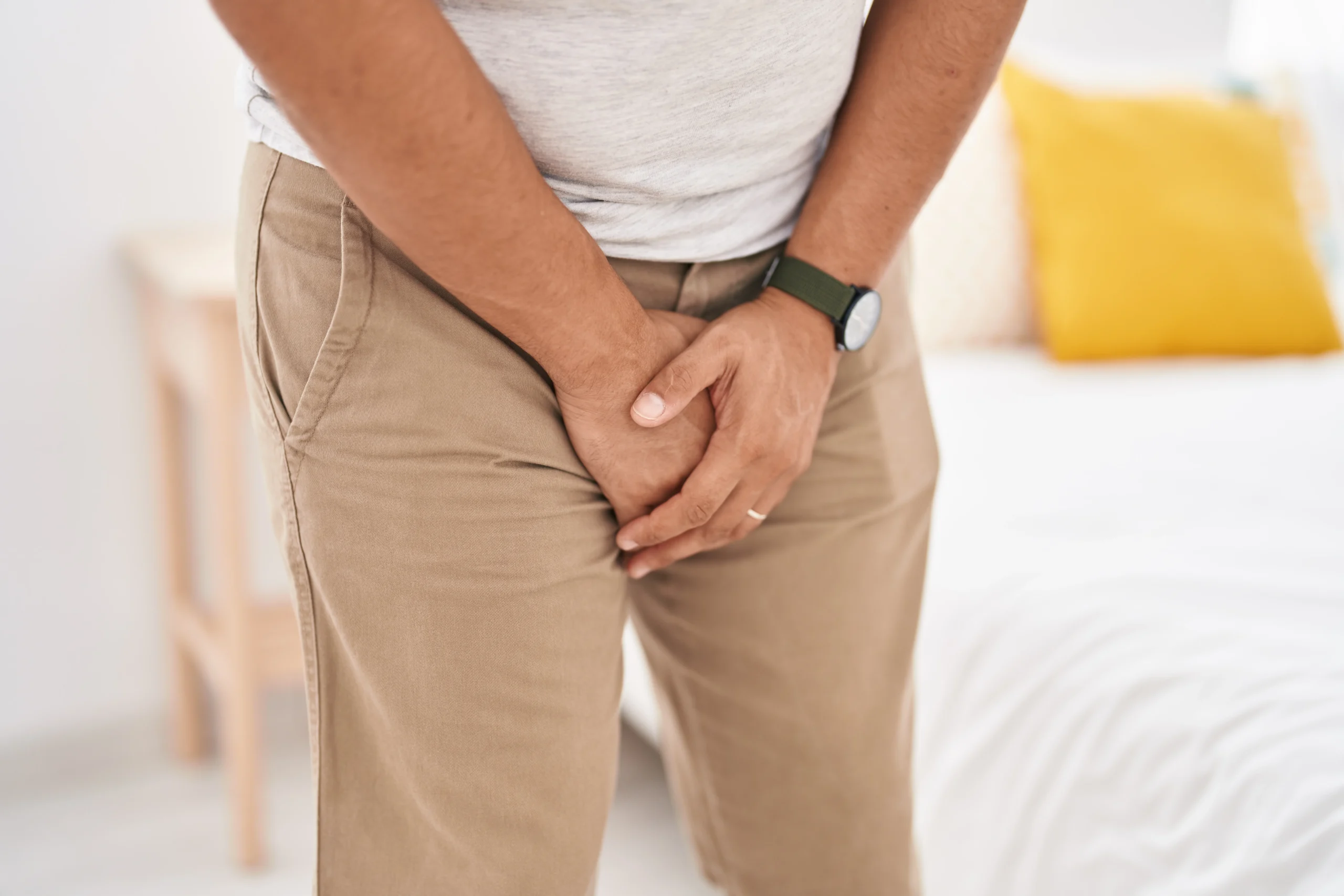
This is one of the most practical male-fertility topics that receives surprisingly little attention.
Sperm production occurs best at a temperature lower than core body temperature.
The scrotum’s position outside the body helps regulate testicular temperature.
That does not mean you should become obsessed with keeping yourself cold.
Instead, look for repeated, prolonged heat exposure, particularly if several factors occur together.
Examples include:
- Frequent prolonged hot baths
- Regular sauna exposure
- Keeping laptops directly on the lap for long periods
- Sitting continuously for many hours
- Very tight clothing combined with heat
- Certain occupational heat exposures
Heat exposure is not necessarily an explanation for every case of poor sperm quality, but reducing avoidable heat is a reasonable low-risk lifestyle measure.
A fascinating reminder comes from fever research: men who experienced high fever showed temporary deterioration in sperm concentration and progressive motility, with recovery occurring over subsequent months.
This is why a semen test performed shortly after a significant febrile illness may not represent your usual reproductive baseline.
7. Your phone is probably not the fertility villain social media makes it sound like
Mobile-phone radiation is frequently blamed for male infertility, but the science is more complicated.
Some experimental and observational research has reported adverse effects on sperm parameters, while other analyses have found inconsistent results.
A 2021 systematic review and meta-analysis involving 18 studies and 4,280 samples reported possible reductions in sperm motility, viability and concentration, but also highlighted the need for further research using standardized exposure conditions. (Research Gate)
Therefore, I would not tell a man that carrying a smartphone in his pocket has been proven to cause infertility.
A sensible precaution is simply to avoid unnecessary prolonged direct contact with the groin when practical.
Do not panic.
Do not buy expensive “EMF protection” products because of fertility marketing.
8. Smoking is a fertility issue, not just a lung issue
Tobacco exposure affects far more than respiratory health.
WHO identifies tobacco use as an important modifiable risk factor when addressing infertility.
Smoking can adversely affect reproductive health, and exposure to tobacco-related toxins can contribute to oxidative stress and impaired sperm quality.
If you are trying to conceive, quitting smoking is considerably more meaningful than purchasing another fertility supplement.
The same principle applies to recreational drug use.
And one particularly important warning:
Avoid anabolic steroids and unsupervised testosterone
This is frequently overlooked by men who exercise.
Testosterone taken from outside the body can suppress the hormonal signals required for normal sperm production.
A man can look stronger and more muscular while his sperm production falls dramatically.
If fertility is important, never assume that testosterone therapy or bodybuilding steroids are fertility-neutral.
Discuss testosterone treatment with a qualified doctor, particularly if you are trying to conceive.
9. Alcohol deserves a realistic discussion
You do not need fertility anxiety every time you drink a cup of coffee or attend a social event.
However, heavy alcohol consumption is a different issue.
WHO identifies excessive alcohol intake among lifestyle factors associated with infertility.
If conception is your goal, reducing heavy drinking is a practical intervention.
Instead of focusing only on individual “safe” drinks, look at your overall pattern:
How often do you drink?
How much do you drink in one sitting?
Does alcohol interfere with sleep, exercise, nutrition or sexual function?
That broader picture matters.
10. Coffee is not automatically bad for sperm
This is where fertility articles often become unnecessarily restrictive.
A systematic review involving nearly 20,000 men found that semen parameters did not consistently appear to be affected by caffeine from coffee, tea or cocoa beverages. (Nutrition Journal)
Some studies, however, reported potential adverse associations with cola or caffeinated soft drinks.
So you probably do not need to panic about your morning coffee.
Instead, pay attention to the source of caffeine and what comes with it.
A sugary energy drink consumed several times a day is not nutritionally equivalent to a modest cup of unsweetened coffee.
11. Sleep is part of reproductive health
Sleep is frequently discussed as a general wellness topic, but fertility requires a functioning endocrine system.
Poor sleep, irregular schedules, chronic stress and inadequate recovery can affect metabolic and hormonal health.
Rather than searching for a special “fertility sleep position,” build a predictable routine:
- Maintain consistent sleep and wake times.
- Aim for sufficient sleep.
- Reduce late-night screen stimulation.
- Avoid heavy alcohol close to bedtime.
- Exercise regularly.
- Keep your bedroom comfortable and cool.
There is no magic number of sleep hours that guarantees better sperm.
The objective is consistent, restorative sleep, not another fertility obsession.
12. Stress management is not just about “relaxing”
Being told to “reduce stress” is frustrating because nobody can simply switch stress off.
Instead, address the behaviors through which stress affects your body.
A physiotherapy approach may include:
- Regular walking
- Resistance exercise
- Breathing exercises
- Mobility sessions
- Outdoor activity
- Structured work breaks
- Better sleep routines
- Relaxation exercises
The goal is not to make yourself perfectly calm before conception.
Trying to eliminate every stressful thought can actually create another source of anxiety.
13. Look at environmental exposures you can realistically control
Environmental reproductive toxicants are an emerging area of fertility research.
A 2024 systematic review and meta-analysis found significant associations between lead and cadmium exposure and male infertility. (NCBI)
Another systematic review of human studies found that exposure to pesticides was associated with changes in sperm count, motility, morphology and, in some studies, sperm DNA integrity. (PubMed)
You cannot control every pollutant in the environment.
But you can reduce unnecessary exposure.
For example:
- Follow workplace protective-equipment requirements.
- Wash hands after handling pesticides or chemicals.
- Avoid storing food in inappropriate plastic containers.
- Do not heat food in plastic unless the container is specifically designed for it.
- Wash fruits and vegetables properly.
- Avoid unnecessary exposure to solvents and industrial chemicals.
- Keep living spaces adequately ventilated.
These measures should be viewed as sensible exposure reduction, not a guarantee of fertility improvement.
14. Be careful with fertility supplements
This may be one of the most important sections of this article.
Walk into an online marketplace and you can find dozens of products promising higher testosterone, stronger sperm, better motility and improved fertility.
The evidence is much less impressive.
A 2022 Cochrane review included 90 randomized trials involving more than 10,000 subfertile men.
The authors concluded that evidence regarding antioxidant supplements and live birth was low or very low certainty, with important methodological limitations. (Cochrane)
Another review found that many over-the-counter antioxidant products marketed toward male fertility had never been properly tested in clinical trials. (Oxford Academic)
That does not mean every supplement is useless.
It means you should not assume that a long ingredient list equals proven fertility benefits.
If you have a nutritional deficiency, correcting it makes sense.
If you are considering zinc, selenium, folate, CoQ10, carnitine, vitamin C, vitamin E or another supplement specifically for fertility, discuss the product and dose with a doctor rather than combining several products yourself.
15. Do not ignore sexual and pelvic-floor health
Fertility is not only about sperm production.
A man can produce healthy sperm but still have difficulty achieving pregnancy because of:
- Erectile dysfunction
- Ejaculatory dysfunction
- Pain with ejaculation
- Retrograde ejaculation
- Difficulty with intercourse
- Pelvic pain
- Neurological conditions
- Previous pelvic surgery
This is where physiotherapy can have a useful supporting role.
Pelvic-floor rehabilitation may be appropriate for selected men with pelvic pain, certain muscular dysfunctions or urinary/sexual symptoms, but strengthening the pelvic floor is not a universal treatment for male infertility.
More Kegels are not automatically better.
Some men have overactive pelvic-floor muscles and need relaxation, coordination and down-training rather than more strengthening.
16. Timing intercourse matters more than many “fertility hacks”
You can have excellent semen parameters and still miss the fertile window.
For couples trying naturally, regular intercourse around the fertile period is more useful than trying to preserve sperm for very long periods.
Long abstinence is not necessarily better.
The fertile window generally includes the days leading up to ovulation, with intercourse every one to two days during this period commonly recommended for couples trying to conceive.
The important point is to avoid turning sex into a rigid medical schedule that increases anxiety.
What I would tell a man starting a 90-day fertility reset
Sperm production takes time, so do not judge your efforts after one week.
If you are starting today, focus on the next several months rather than looking for an overnight increase in sperm count.
Your practical checklist
Move: Walk daily and exercise moderately.
Break sitting: Stand and move regularly during work.
Strengthen: Perform resistance training two to three times weekly.
Eat: Build meals around vegetables, fruits, legumes, whole grains, nuts and seeds and appropriate protein sources.
Reduce: Smoking, excessive alcohol, ultra-processed foods and sugary drinks.
Protect: Avoid unnecessary prolonged heat around the testes.
Sleep: Maintain a consistent sleep schedule.
Recover: Give your body adequate recovery between demanding workouts.
Review medications: Discuss fertility effects with your doctor rather than stopping prescribed medication yourself.
Avoid anabolic steroids: Especially if conception is currently a goal.
Manage exposure: Take occupational and environmental chemical precautions seriously.
Be skeptical: Do not assume an expensive fertility supplement is evidence-based.
What to avoid when trying to improve sperm health
Do not crash diet.
Do not suddenly begin extreme endurance training.
Do not use testosterone or anabolic steroids without medical supervision.
Do not take multiple fertility supplements simultaneously without checking their doses.
Do not assume one abnormal semen analysis means permanent infertility.
Do not panic about a single cup of coffee.
Do not blame your smartphone for every fertility problem.
Do not ignore persistent testicular pain, swelling or a feeling of heaviness.
Do not delay medical evaluation simply because you are trying “natural remedies.”
When natural strategies are not enough
Lifestyle changes are valuable, but they should not become a reason to delay diagnosis.
Conditions such as varicocele, hormonal disorders, obstruction, infections, genetic abnormalities, testicular disease and medication-related problems may require medical evaluation.
A semen analysis is usually one of the first investigations when male-factor infertility is suspected.
If the result is abnormal, your doctor may recommend repeating the test because semen parameters naturally fluctuate.
A fertility assessment should also consider the female partner because conception is a couple-level outcome.
The WHO’s 2025 guideline emphasizes a stepwise, evidence-based approach to infertility prevention, diagnosis and treatment rather than relying solely on lifestyle changes.
The bottom line
Improving male fertility naturally is less about finding one miraculous food and more about changing the biological environment in which sperm are produced.
The strongest practical strategy is surprisingly simple: maintain a healthy body weight, move regularly, break up prolonged sitting, eat a nutrient-rich minimally processed diet, avoid tobacco and anabolic steroids, limit excessive alcohol, protect against unnecessary heat and environmental exposures, sleep consistently and address sexual or pelvic health problems when they occur.
And remember something important: better lifestyle habits can support fertility, but they cannot treat every cause of male infertility.
If conception has been unsuccessful for 12 months, or earlier if you have risk factors or reproductive symptoms, getting evaluated is not “giving up on natural fertility.”
It is finding out what is actually happening.
As a physiotherapist, I would much rather see a man make sustainable changes to his movement, strength, sleep and metabolic health than spend months buying increasingly expensive fertility products without understanding the underlying problem.
The goal is not simply a higher sperm count.
The goal is better reproductive health.
Frequently Asked Questions
1. How can I improve male fertility naturally?
Focus on maintaining a healthy weight, exercising regularly, eating a nutrient-rich diet, sleeping adequately, avoiding smoking and anabolic steroids, limiting excessive alcohol, reducing unnecessary heat exposure and managing prolonged sitting.
2. Can exercise increase sperm count naturally?
Regular moderate physical activity may support semen quality. Walking, resistance training and moderate aerobic exercise can be useful, while excessive or highly demanding training may not provide additional fertility benefits.
3. Does losing weight improve sperm quality?
In men with overweight or obesity, research suggests that weight loss may improve certain semen parameters, including sperm concentration and progressive motility. Sustainable weight loss is preferable to crash dieting.
4. Which foods are good for male fertility?
A varied diet containing vegetables, fruits, legumes, whole grains, nuts, seeds and other minimally processed foods can support overall reproductive health. No single food has been proven to dramatically increase fertility on its own.
5. Can heat reduce sperm quality?
The testes naturally function at a temperature below core body temperature. Repeated and prolonged heat exposure may interfere with sperm production, so unnecessary prolonged exposure to high heat should be minimized.
6. Does prolonged sitting affect male fertility?
Evidence linking sitting directly with infertility is still developing. However, prolonged sedentary behavior is associated with poorer overall metabolic health. Taking regular movement breaks is a practical strategy for men who work at a desk.
7. Does coffee affect sperm count or motility?
Current research does not consistently show that moderate caffeine consumption from coffee or tea harms semen quality. However, frequent consumption of sugary or highly caffeinated soft drinks is a different dietary issue.
8. Do male fertility supplements really work?
Antioxidants and other supplements have been studied for male subfertility, but evidence for important outcomes such as pregnancy and live birth remains uncertain. Supplements should not replace proper medical evaluation.
9. Can testosterone or steroids affect male fertility?
Yes. Testosterone taken from outside the body and anabolic steroids can suppress the hormonal signals involved in sperm production. Men trying to conceive should discuss testosterone treatment or steroid use with a qualified doctor.
10. When should a man get tested for infertility?
If pregnancy has not occurred after 12 months of regular unprotected intercourse, fertility evaluation is generally recommended. Earlier assessment may be appropriate when there are testicular problems, sexual or ejaculation difficulties, previous reproductive surgery, chemotherapy or other known risk factors.
Stay tuned with us for more health related topics.
Follow us on LinkedIn and Instagram for more.
More Read





Medical Disclaimer!
This article has been reviewed and written under the guidance of our Head Physiotherapist, Dr. Kruti Raj (PT, MUHS,CPT,CMPT). The information shared is intended for educational purposes only and should not be considered a substitute for personalized medical advice, diagnosis, or treatment.
Please consult us or any other qualified healthcare professional before beginning any exercise program, especially if you are experiencing pain, recovering from injury, or managing a medical condition.