OXFORD, ENGLAND: Researchers from the University of Oxford are contributing to a pioneering UK clinical trial that aims to speed up the search for effective treatments for Alzheimer’s disease.
The AD-SMART trial will initially test metformin and atomoxetine, two medicines used for other conditions. Researchers will assess their safety and potential benefits while testing several treatments within a single research program.
How AD-SMART Could Change Alzheimer’s Research
The Alzheimer’s Disease Systematic Multi-arm Adaptive Randomized Trial, known as AD-SMART, is the first UK Alzheimer’s trial to use an adaptive, multi-arm platform design.
The approach allows researchers to evaluate several potential treatments at the same time rather than conducting separate trials for each medicine.
The study is led by the UK Dementia Research Institute and Alzheimer’s Research UK, with research and delivery partners including University College London (UCL), Imperial College London, the University of Oxford and Dementias Platform UK (DPUK).
The National Institute for Health and Care Research, the Medical Research Council and Health Data Research UK are also involved in the wider program.
The development was also reported by This Is Oxfordshire, highlighting Oxford researchers’ involvement in the effort to improve Alzheimer’s treatment research.
Why the Trial Uses an Adaptive Design
In a conventional clinical trial, researchers may need to test one medicine, analyze the results and then begin another trial to assess a different treatment. This process can take years and consume significant research resources.
AD-SMART uses a multi-arm, multi-stage design. Participants are assigned to different treatment groups, with the results compared against a shared placebo group receiving standard care.
Researchers review the results at planned stages. If a medicine does not show enough benefit, they can stop testing it within the trial and introduce another candidate treatment without restarting the entire research program.
This approach could reduce research time and costs. The study team estimates that the shared trial structure could more than halve the time required to evaluate potential Alzheimer’s treatments compared with traditional approaches.
A similar research model has been used in the UK’s MND-SMART trial for motor neuron disease. That program demonstrated how a platform design can help researchers rule out ineffective treatments more quickly. However, the results of that trial do not establish whether AD-SMART’s medicines will be effective.
Which Alzheimer’s Medicines Are Being Tested?
The trial will initially investigate two existing medicines that researchers believe may have potential benefits for people with Alzheimer’s disease.
Metformin for Type 2 Diabetes
Metformin is widely prescribed to manage type 2 diabetes. Researchers will investigate whether it could also help people with Alzheimer’s maintain cognitive function or experience better quality of life.
Its existing medical use makes it a candidate for drug repurposing, which involves investigating whether a medicine developed for one condition could benefit people with another condition.
However, its established use in diabetes does not prove that metformin can treat Alzheimer’s disease. The clinical trial must determine whether it offers meaningful benefits in this new setting.
Atomoxetine for ADHD
Atomoxetine is a medicine used to treat attention deficit hyperactivity disorder (ADHD). Researchers will assess whether it could help people with Alzheimer’s manage symptoms affecting their memory, thinking or everyday lives.
The medicine was selected following consideration of evidence from earlier studies in people and laboratory research.
As with metformin, atomoxetine is not an established Alzheimer’s treatment. Its potential benefits and safety for this patient group remain under investigation.
What Will Researchers Measure?
AD-SMART aims to identify treatments that make a meaningful difference to people living with Alzheimer’s disease. Researchers will assess outcomes over an 18-month period, including safety and changes in quality of life.
The study identifies three main areas for evaluating a treatment’s potential benefit:
- Cognitive symptoms: Changes in memory, thinking and problem-solving abilities.
- Daily activities: A person’s ability to manage tasks such as cooking and personal care.
- Neuropsychiatric symptoms: Changes in mood, anxiety and apathy.
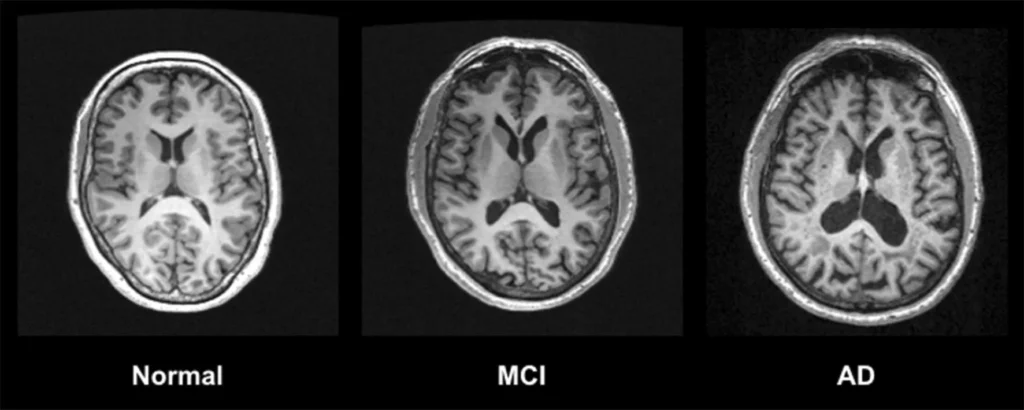
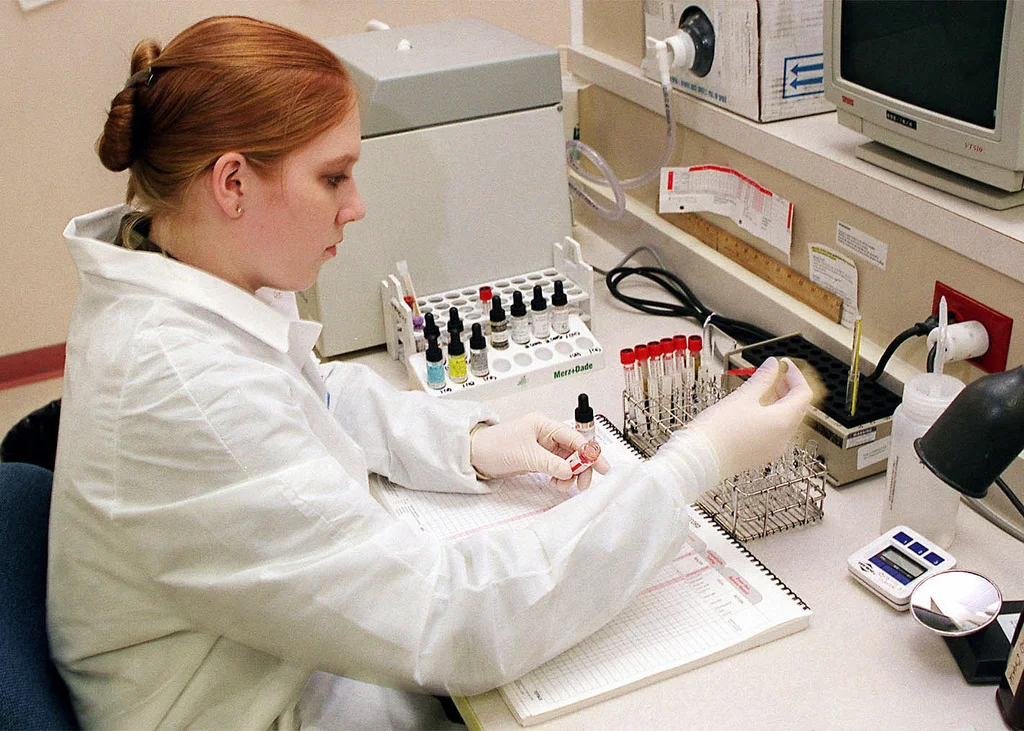
Researchers will also collect blood samples to investigate biomarkers associated with Alzheimer’s disease progression and severity. MRI scans at the beginning and end of the study will help them examine changes in brain structure and function.
These measurements will help the team understand whether a medicine produces meaningful benefits rather than relying on changes in a single symptom alone.
Oxford’s Role in the Research
The University of Oxford is among the institutions contributing to the wider research effort. Oxford-linked research infrastructure is also helping support recruitment and trial delivery.
Professor Vanessa Raymont, Director of Dementias Platform UK and Director of Research and Development at Oxford Health NHS Foundation Trust, is a co-lead of the trial.
DPUK is supporting the program through its network of research sites and data resources, including information from the READ-OUT blood biomarker study.
This collaboration brings together clinical research, patient recruitment and research data to support the assessment of potential treatments.
The first participants were recruited through Cambridge shire and Peterborough NHS Foundation Trust and Surrey and Borders Partnership NHS Foundation Trust. Research sites in West London, Edinburgh and Southampton have also opened.
The program aims to recruit approximately 1,200 participants across the UK, allowing researchers to evaluate the first medicines within a coordinated national study.
Why Faster Treatment Research Matters
Alzheimer’s disease is the most common form of dementia. UCL reported in October 2026 that the condition affects around 600,000 people in the UK. Its progressive effects on memory, reasoning and daily activities can create substantial challenges for patients and families.
The search for treatments that can slow or alter the underlying disease remains an important research priority. The UCL announcement noted that no NHS treatment was then available to slow or stop the underlying disease.
AD-SMART could help researchers identify ineffective medicines earlier and direct resources towards treatments that show greater promise. Its flexible design may also allow pharmaceutical and biotechnology companies to introduce additional candidate medicines for evaluation.
However, a faster research process does not guarantee a successful treatment. Each medicine must still demonstrate acceptable safety and meaningful benefits before researchers can recommend its wider use.
Who Can Register Interest?
The trial is seeking adults aged 55 and over with symptomatic Alzheimer’s disease, including people with mild cognitive impairment or mild to moderate dementia, subject to the study’s eligibility criteria.
People with a confirmed diagnosis who are interested in participating can contact the research team or register their interest through the relevant recruitment service.
AD-SMART recruitment coordinator
Email: adsmart@psych.ox.ac.uk
Telephone: 01865 283806
Alzheimer’s Research UK Infoline
Telephone: 0300 111 5111
Registration does not guarantee enrolment. The research team will determine eligibility and explain the study requirements, possible risks and expected commitments.
People should continue taking prescribed medicines as directed by their healthcare professionals. Neither metformin nor atomoxetine should be started, stopped or changed specifically for Alzheimer’s disease without appropriate clinical advice.
Conclusion
The AD-SMART trial introduces a new approach to Alzheimer’s treatment research by testing several potential medicines within a single adaptive program.
Oxford researchers and national research partners are helping deliver the study, which aims to identify promising treatments more efficiently.
The initial investigation of metformin and atomoxetine will establish whether either medicine warrants further study for Alzheimer’s disease.
While the outcome remains uncertain, the trial could improve how potential treatments are evaluated and help researchers focus on options that may benefit patients.