PARKERSBURG, WEST VIRGINIA: Obesity has become a major public health challenge, increasing the risk of type 2 diabetes, heart disease, high blood pressure and other chronic conditions.
A 2026 ranking of US states highlights how poverty, limited access to nutritious food and fewer opportunities for physical activity can make obesity harder to prevent.
The findings also raise questions about the role of governments and communities in addressing the problem.
Why the Obesity Epidemic Needs Wider Attention
Obesity is a complex chronic disease influenced by biological, environmental, social and behavioral factors. It cannot be explained by eating habits or a lack of exercise alone.
The scale of the problem is significant. According to the World Health Organization (WHO), approximately 1.1 billion people worldwide were living with obesity in 2024. This represents around one in seven people globally. Adult obesity has also more than doubled since 1990.
Obesity increases the risk of several serious health conditions, including type 2 diabetes, cardiovascular disease, high blood pressure, stroke and certain cancers. It can also contribute to joint problems and reduced physical functioning.
Several factors influence the development of obesity:
- Diets high in processed foods, added sugars and sugary drinks.
- Limited physical activity and prolonged sitting.
- Poor sleep and long-term stress.
- Genetic factors and biological differences.
- Certain medications and underlying health conditions.
- Limited access to affordable nutritious food and healthcare.
The WHO recognizes obesity as a disease influenced by multiple factors rather than a condition caused by individual lifestyle choices alone. (WHO, 2026)
The Centers for Disease Control and Prevention (CDC) also identifies environmental conditions, economic stability, food availability and access to safe places for physical activity as important factors influencing obesity risk. (CDC, 2025)
What the 2026 US Rankings Reveal

The 2026 WalletHub report, Most Overweight and Obese States in America, highlights differences in obesity and related health conditions across the United States.
The report compared all 50 states and the District of Columbia using 31 indicators. These included obesity and overweight prevalence, health consequences, food access and fitness conditions.
West Virginia ranked first overall, followed by Mississippi, Arkansas, Louisiana and Alabama. Ohio ranked 15th.
The original editorial, Health: Ignoring obesity epidemic only makes it worse, published by The Parkersburg News and Sentinel, draws attention to the findings during National Diabetes Awareness Month.
The individual health rankings reported in the editorial show the scale of the problem in both states.
| Health indicator | West Virginia | Ohio |
|---|---|---|
| Overall ranking | 1st | 15th |
| Adults with obesity | 1st | 15th |
| Adults with type 2 diabetes | 1st | 19th |
| Overweight children | 7th | 18th |
| Children with obesity | 2nd | 20th |
| Physically inactive adults | 6th | 26th |
| Adults with high cholesterol | 2nd | 26th |
| Adults eating less than one daily serving of fruits or vegetables | 8th | 29th |
| Adults with high blood pressure | 4th | 12th |
| Obesity-related death rate | 6th | Better than West Virginia |
These are relative rankings, not disease prevalence percentages. A lower numerical ranking indicates a more concerning position for that particular indicator.
West Virginia’s results are particularly concerning because obesity appears alongside high rankings for diabetes, cholesterol, hypertension and physical inactivity.
Ohio also faces significant challenges, although its position is better across several indicators. (WalletHub, 2026)
How Poverty Makes Obesity Harder to Prevent
Healthy eating and regular exercise are important, but not everyone has the same opportunities to maintain these habits.
In parts of rural Appalachia, poverty, transportation difficulties and limited access to affordable fresh food create additional barriers. Some communities have fewer grocery stores that offer fresh produce at reasonable prices.
Residents may also need to travel longer distances to access healthcare facilities and recreational spaces.
These challenges can affect families with limited financial resources, particularly those living in remote communities.
A 2020 study published in Preventing Chronic Disease examined barriers to healthy food access in Martin County, Kentucky. Researchers conducted five focus groups to understand the food-related challenges faced by local residents.
Participants identified transportation, food affordability and declining interest in home gardening as important concerns. Some also questioned whether traditional farmers’ markets would be practical solutions for their communities.
The researchers recommended that obesity prevention programs consider local needs, economic conditions and community participation instead of applying the same approach everywhere.
These findings demonstrate why obesity prevention requires more than asking people to change their eating habits. Communities also need practical access to healthier food choices. (Cardarelli et al., 2020)
Why School Meals and Food Policies Matter
Children develop eating habits through their families, schools and surrounding environments. Access to nutritious meals during childhood can support healthy growth and help establish better eating patterns.
Chip Lupo, a WalletHub analyst, highlighted how state policies can influence obesity prevention. He pointed to differences in school lunch regulations, access to fresh and nutritious ingredients, and the availability of places where people can exercise or participate in sports.
Improving school meal standards is one important step. Schools can also support healthier habits through nutrition education and opportunities for regular physical activity.
Communities can take additional measures, including:
- Encouraging grocery stores to stock affordable fresh produce.
- Providing incentives or tax credits to retailers serving areas with limited food access.
- Supporting community gardens and local food programs.
- Improving public parks, walking paths and sports facilities.
- Making physical activity programs accessible to children and adults.
These measures can reduce some of the environmental barriers that make obesity prevention difficult.
Community Initiatives Need Long-Term Support
Local physical activity programs can encourage people to become more active without requiring expensive equipment or gym memberships.
West Virginia’s Mountaineer Mile initiative is one example. Launched by Governor Patrick Morrisey in 2025, the campaign encourages residents to walk at least one mile each day. The state also introduced designated walking routes in its parks to support participation. (Governor of West Virginia, 2025)
However, individual initiatives require consistent funding, public participation and long-term government support to make a wider difference.
The original editorial raises concerns that programs promoting physical activity and incentives for retailers willing to offer fresh food often struggle to receive sustained political attention. It argues that elected officials need to maintain their focus on public health instead of allowing prevention initiatives to lose priority.
Economic development is another important part of this discussion.
The editorial highlights the need for West Virginia to expand and diversify its range of good-paying jobs. Stable employment can improve household financial security and make it easier for families to afford nutritious food, transportation and healthcare.
Economic development alone cannot prevent obesity, but it can help address some of the wider conditions that influence health.
How Physiotherapy Can Support Obesity Management
Physical activity is an important part of obesity prevention and management. However, some people find regular exercise difficult because of joint pain, reduced mobility, muscle weakness or poor physical endurance.
Obesity is associated with a higher risk of osteoarthritis and physical difficulties that can affect daily activities. These problems may create a cycle in which discomfort reduces movement and lower activity makes it harder to maintain physical fitness.
Physiotherapy can help address these barriers through individual assessments and suitable exercise programmes.
A physiotherapist may assess:
- Joint mobility and flexibility.
- Muscle strength and endurance.
- Balance and movement coordination.
- Walking ability and functional limitations.
- Pain that affects everyday activities.
Based on the assessment, the physiotherapist can recommend appropriate activities such as walking, resistance exercises, balance training and low-impact movements.
Exercise programs should progress gradually and reflect the person’s physical ability and medical history.
People with existing health conditions or significant joint pain may require professional guidance before starting a new exercise routine.
Physiotherapy does not replace medical or nutritional care. It can complement a broader management plan by helping people improve movement, strength and confidence in physical activity. (CDC, 2025)
Addressing Obesity Without Stigma
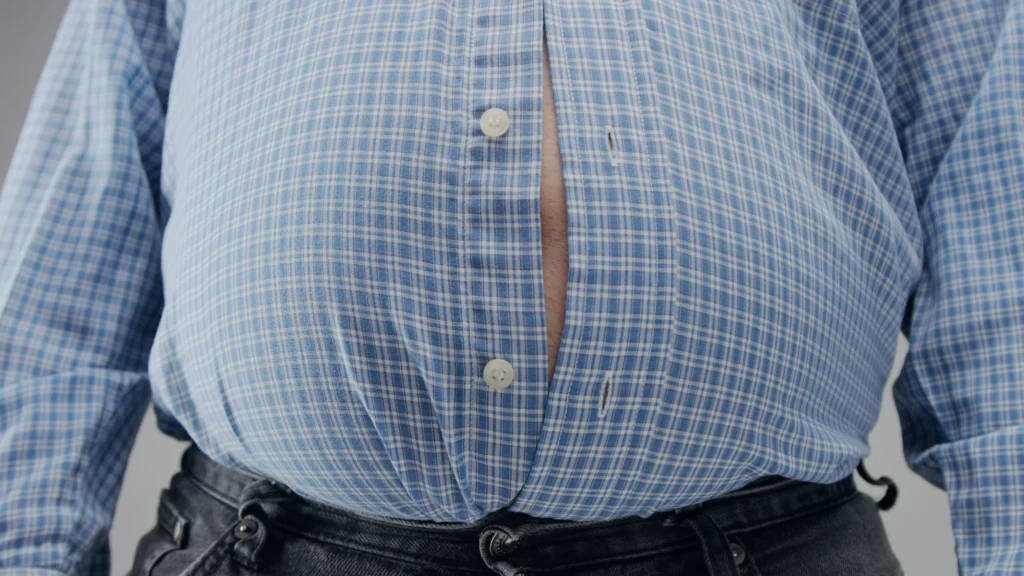
Obesity prevention should focus on improving health rather than blaming individuals for their body weight.
People living with obesity may experience discrimination, negative social attitudes and unfair treatment in healthcare settings. Weight-related stigma can also contribute to psychological distress and discourage people from seeking medical advice.
A 2023 review published in Current Obesity Reports examined the causes and consequences of obesity stigma. The researchers highlighted how assumptions that body weight is entirely under personal control overlook genetic, biological and environmental influences.
The review also emphasised that weight stigma does not prevent obesity. Supportive healthcare, better public understanding and policies that address social and environmental barriers are more constructive approaches.
Healthcare professionals should therefore encourage patients to focus on realistic health goals, sustainable lifestyle changes and appropriate medical support. (Westbury et al., 2023)
Conclusion
The obesity epidemic requires more than individual lifestyle changes. Access to nutritious food, safe spaces for exercise, affordable healthcare and stable economic opportunities all influence the ability of communities to maintain better health.
The 2026 rankings for West Virginia and Ohio highlight the relationship between obesity and several other chronic health concerns. They also demonstrate why prevention must remain a public health priority.
Governments, schools, healthcare professionals and communities need to work together to create environments that support healthier choices. Physiotherapy can help people overcome movement-related barriers, while broader public health policies can address the conditions that make obesity harder to prevent.
Ignoring the wider causes of obesity will only make the challenge more difficult. Sustainable progress requires long-term investment, community participation and accessible healthcare.