

Early symptoms of cerebral palsy in babies may include unusual muscle tone, delayed milestones, and difficulty controlling movements.
Cerebral palsy (CP) affects movement, muscle control, posture and coordination.
Some children show noticeable movement difficulties during infancy, while others have subtle signs that become more apparent as they grow.
Quick Answer: What Are the Early Signs of Cerebral Palsy?
Early signs of cerebral palsy in children may include persistent muscle stiffness, unusual floppiness, poor head control, asymmetrical movement, early hand preference and delayed motor milestones.
When should parents seek help? If a child consistently uses one side less than the other, has unusual muscle tone, struggles with movement or shows delayed motor development, consult a pediatrician.
Remember
These signs do not automatically mean a child has cerebral palsy. Early assessment can help identify the cause and determine whether pediatric physiotherapy or further medical evaluation is needed.
Early indicators may include persistent stiffness, unusual floppiness, asymmetrical movement, early hand preference or delayed motor milestones.
Recognizing these signs does not mean assuming a child has cerebral palsy.
Several other developmental conditions can cause similar features.
However, timely assessment can help children access appropriate medical care and pediatric physiotherapy when needed.
Key Takeaways for Parents
Poor head control, persistent fisting, unusual muscle tone and asymmetrical movement may indicate a developmental concern.
A strong preference before 12 months can be a warning sign of one-sided motor difficulties.
Motor milestones are developmental guides, not standalone diagnostic tests.
GMA, HINE, neurological examination and brain imaging may help clinicians identify cerebral palsy.
Individualized therapy can improve movement skills, balance, coordination, mobility and everyday participation.
What Is Cerebral Palsy?
Cerebral palsy is a group of permanent disorders affecting the development of movement and posture, resulting in limitations in everyday activities.
It is associated with disturbances in the developing brain that occur during pregnancy, around birth or during early childhood.
The brain disturbance responsible for cerebral palsy does not progressively worsen.
However, the way the condition affects a child’s body can change as they grow.
Muscle shortening, joint stiffness, pain and changes in mobility may develop without appropriate monitoring and management.
Cerebral palsy is commonly described according to its movement characteristics:
- Spastic cerebral palsy: Increased muscle tone causes stiffness and resistance during movement. It may affect one or both sides of the body.
- Dyskinetic cerebral palsy: Involuntary movements and fluctuating muscle tone make it difficult to control voluntary movements and maintain posture.
- Ataxic cerebral palsy: Problems with balance, coordination and movement accuracy are prominent.
- Mixed cerebral palsy: Features of more than one movement type are present.
The degree of functional difficulty also varies. Some children walk independently, while others require mobility aids or assistance with daily activities.
Early Signs of Cerebral Palsy Parents Often Miss
Early signs can appear during the first months of life. They may initially seem like minor differences in movement or development.
The following signs deserve attention, especially when they persist or occur together.
1. Poor Head Control Beyond Four Months
Babies gradually develop the neck and upper-body control needed to hold their heads steady.
Persistent head lag beyond approximately four months can be a warning sign, particularly when accompanied by other motor difficulties.
Parents may notice:
- The baby’s head repeatedly falls backwards when gently brought towards a sitting position.
- The baby struggles to hold their head steady when supported.
- Head control appears noticeably weaker than expected.
- The baby has difficulty maintaining a stable head position during play.
Poor head control alone does not diagnose cerebral palsy.
It should be considered alongside the child’s overall movement and neurological development.
2. Unusual Muscle Stiffness or Floppiness
Muscle tone describes the natural resistance muscles provide when the body is moved or positioned.
Some children with cerebral palsy have increased muscle tone, making their limbs feel unusually stiff.
Others may have reduced muscle tone and appear floppy.
Possible signs include:
- Stiff legs that are difficult to bend during nappy changes.
- Legs that cross or appear to scissor when the baby is lifted.
- Arms or legs that remain unusually rigid.
- Limbs that feel excessively floppy when handled.
- Difficulty maintaining a stable sitting position.
Muscle tone differences can have several causes.
A clinical assessment is needed to understand whether they are related to a neurological or other developmental condition.
3. Persistent Fisting of the Hands
Babies naturally keep their hands closed during early infancy.
However, persistent fisting beyond four months, especially when one hand remains more tightly closed, can indicate a motor development concern.
Parents may notice that the baby:
- Keeps one hand tightly closed during play.
- Rarely opens the fingers to reach for toys.
- Uses one hand more actively than the other.
- Has difficulty grasping or releasing objects.
Persistent hand fisting, particularly when combined with reduced movement on one side, should be assessed rather than dismissed as a habit.
4. Early Hand Preference Before 12 Months
Most children develop a clearer preference for one hand as they grow.
However, a strong and consistent preference before 12 months may be an early warning sign.
For example, a baby may repeatedly reach with the right hand while keeping the left hand close to the body or using it less frequently.
This can sometimes indicate unilateral cerebral palsy, where movement is affected more on one side.
Parents should not force the baby to use the less-preferred hand.
Instead, a pediatrician or physiotherapist should assess spontaneous movement, posture, muscle tone and upper-limb function.
5. Delayed Motor Milestones
Children with cerebral palsy may take longer to develop skills such as rolling, sitting, crawling, standing and walking.
Possible warning signs include:
- Persistent head lag beyond four months.
- Not sitting independently by around 8-9 months.
- Not walking independently by 18 months.
- Difficulty transitioning between sitting, crawling and standing.
- Limited progress in acquiring new movement skills.
These ages are clinical warning points, not diagnostic deadlines.
Premature babies should generally be assessed using corrected age during the early years.
A combination of delayed motor development and other neurological signs deserves particular attention (Mishaal et al., 2026)
6. Asymmetrical Movement
A baby may consistently use one side of the body more than the other.
This can become noticeable during reaching, rolling, sitting or crawling.
Examples include:
- Moving one arm less frequently.
- Dragging one leg while crawling.
- Leaning consistently towards one side.
- Having difficulty bearing weight through one arm.
- Keeping one hand closed while the other reaches freely.
Persistent asymmetry is an important reason to seek assessment, even when there is no known history of pregnancy or birth complications.
7. Feeding and Swallowing Difficulties
Some children with cerebral palsy experience difficulties coordinating the muscles involved in sucking, chewing and swallowing.
Parents may notice:
- Difficulty maintaining a latch during breastfeeding.
- Coughing or choking during feeds.
- Prolonged feeding times.
- Frequent coughing during meals.
- Difficulty managing different food textures.
These symptoms are not specific to cerebral palsy.
However, when they occur alongside motor difficulties, they should be evaluated. Persistent coughing or choking during feeds also warrants assessment for swallowing safety.
8. Unusual Crawling, Standing or Walking Patterns
As babies become more mobile, movement differences may become easier to recognize.
Some children may crawl asymmetrically, drag one leg, consistently walk on their toes or cross their legs when attempting to stand.
Parents may also notice that a child:
- Struggles to place both feet flat on the floor.
- Frequently stands with the legs crossing.
- Has difficulty shifting weight between the legs.
- Walks with a stiff or unusually narrow-legged pattern.
- Falls frequently or struggles with balance.
These patterns can have different causes. Persistent or one-sided movement differences deserve a pediatric assessment rather than being assumed to be ordinary walking variations.
Can a Child Have Mild Cerebral Palsy Without Obvious Symptoms?
Yes.
Cerebral palsy exists across a wide range of functional abilities.
A child with milder movement difficulties may walk, run and participate in everyday activities but still experience challenges with balance, coordination, hand control or fine motor tasks.
For example, a child may:
- Prefer one hand during drawing or eating.
- Struggle with buttons, shoelaces or handwriting.
- Have difficulty running, jumping or climbing stairs.
- Tire more quickly during physical activities.
- Show stiffness or reduced coordination on one side.
Some difficulties become more apparent when children start school or participate in activities requiring greater coordination.
A child who can walk independently can still have cerebral palsy. Independent walking does not rule out the condition.
What Causes Cerebral Palsy in Children?
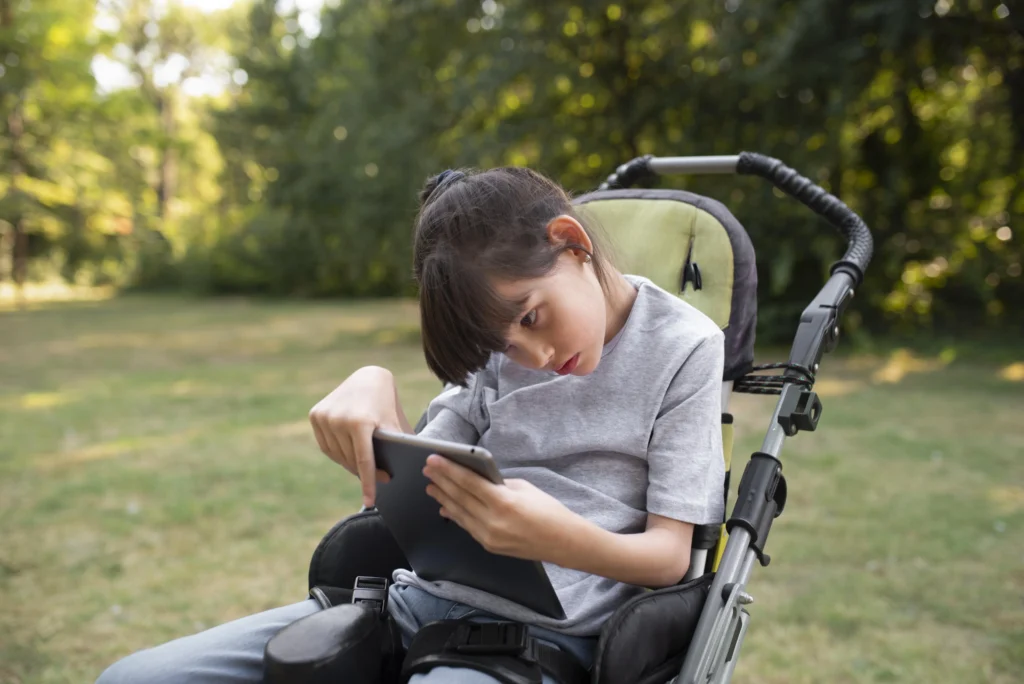
Cerebral palsy results from disturbances in the developing brain.
These may occur during pregnancy, around birth or during early childhood.
Possible contributing factors include:
- Premature birth: Babies born very early have an increased risk of brain injury and developmental complications.
- Low birth weight: Very low birth weight is associated with a higher risk of neurological and developmental difficulties.
- Brain injury around birth: Certain complications affecting the developing brain can contribute to cerebral palsy.
- Brain infections: Some infections affecting the brain during early development can increase the risk.
- Bleeding or stroke: Bleeding within the brain or a neonatal stroke can affect areas responsible for movement.
- Early childhood brain injury: Serious infections, head injuries and other acquired brain disturbances can sometimes lead to cerebral palsy.
Not every child with cerebral palsy has an identifiable risk factor.
Some children have no obvious complications during pregnancy or delivery.
Therefore, parents should not dismiss developmental concerns simply because the pregnancy and birth were uncomplicated (NICHD)
How Is Cerebral Palsy Diagnosed in Children?
Cerebral palsy is diagnosed through a combination of developmental history, neurological examination, movement assessment and, when appropriate, brain imaging.
There is no single blood test that confirms cerebral palsy.
1. Developmental and Medical History
The clinician reviews pregnancy and birth history, medical records, premature birth history and the child’s progress through developmental milestones.
Parents’ observations about movement, posture and changes in everyday activities are also important.
2. General Movements Assessment
The General Movements Assessment (GMA) examines spontaneous movements in young infants.
It is particularly useful during the early months, when trained professionals assess the quality and variation of an infant’s movements.
3. Hammersmith Infant Neurological Examination
The Hammersmith Infant Neurological Examination (HINE) is a structured assessment generally used between 2 and 24 months.
It examines posture, muscle tone, reflexes, movement and neurological function.
4. Brain MRI
Magnetic resonance imaging (MRI) may help identify abnormalities or previous injury affecting the developing brain.
However, MRI findings must be interpreted alongside the child’s clinical presentation. Imaging alone does not establish the diagnosis.
Can cerebral palsy be diagnosed before two years?
Yes. Earlier identification is possible when standardized assessments, neurological examination and relevant imaging findings are considered together.
The American Academy for Cerebral Palsy and Developmental Medicine describes age-specific pathways for identifying cerebral palsy or a high risk of cerebral palsy during infancy (AACPDM)
How Can Pediatric Physiotherapy Help Children With Cerebral Palsy?
Pediatric physiotherapy plays an important role in helping children develop movement skills, improve functional abilities and participate more independently in everyday activities.
Treatment is individualized according to the child’s age, movement difficulties, functional goals and family priorities.
1. Improving Muscle Strength and Functional Control
Physiotherapists use age-appropriate activities to improve muscle activation and functional strength.
These may include supported sitting, reaching, controlled standing and play-based strengthening activities.
The focus is on helping the child use their muscles during meaningful activities rather than simply performing isolated exercises.
2. Improving Balance and Postural Control
Children may experience difficulty maintaining balance while sitting, standing or walking.
Physiotherapy activities can help develop:
- Trunk stability.
- Controlled weight shifting.
- Balance reactions.
- Postural alignment.
- Coordination during movement.
Activities are adjusted to the child’s abilities and safety needs.
3. Developing Gross Motor Skills
Therapy may focus on functional activities such as:
- Rolling and sitting.
- Crawling and transitioning between positions.
- Standing with support.
- Walking and stair practice.
- Improving coordination during play.
The physiotherapist selects activities according to the child’s current abilities and developmental goals.
4. Improving Walking and Mobility
For children who are developing walking skills, physiotherapy may include overground walking practice, treadmill training where appropriate, sit-to-stand activities and balance exercises.
Assistive devices, walkers or orthoses may also be considered when clinically indicated.
The aim is to improve safe, functional mobility in the child’s everyday environment.
5. Supporting Hand and Upper-Limb Function
Some children have difficulty reaching, grasping, releasing or using both hands together.
Task-specific activities can help develop functional hand use.
For suitable children with unilateral cerebral palsy, specialist approaches such as constraint-induced movement therapy (CIMT) or bimanual training may be considered.
CIMT encourages practice with the affected hand under professional guidance, while bimanual therapy focuses on using both hands together during meaningful activities.
6. Preventing Secondary Musculoskeletal Complications
Children with cerebral palsy may develop muscle shortening, joint stiffness, hip displacement or postural difficulties.
Physiotherapy and coordinated medical care can help monitor movement, maintain functional mobility and identify complications that require further intervention.
A physiotherapist may also provide advice on positioning, stretching when indicated, mobility aids and home activities.
International clinical practice recommendations emphasize active, goal-directed practice of meaningful activities, family involvement and a coordinated approach to rehabilitation (Jackman et al., 2022)
Why Is Early Intervention Important?
Early intervention helps children access appropriate developmental support during an important period of brain and motor development.
It allows families and healthcare professionals to identify functional difficulties, establish realistic goals and provide opportunities to practice useful movement skills.
Depending on the child’s needs, early support may involve:
- Pediatric physiotherapists.
- Occupational therapists.
- Speech and language therapists.
- Pediatric neurologists.
- Developmental pediatricians.
- Orthopaedic specialists.
Physiotherapy is one part of a wider approach.
Children with feeding, communication, vision or hearing difficulties may also require additional assessment and intervention.
Early intervention recommendations for children with or at high risk of cerebral palsy emphasize active, task-specific practice, environmental enrichment and family involvement (Morgan et al., 2021)
Myth vs Fact: Cerebral Palsy in Children
MYTH: Cerebral palsy is always diagnosed at birth.
FACT: Some signs become noticeable during infancy as children develop movement and posture skills. Diagnosis may be possible before two years of age.
MYTH: Every child with cerebral palsy has stiff muscles.
FACT: Cerebral palsy can involve increased muscle tone, reduced muscle tone, involuntary movements or coordination difficulties.
MYTH: A child who walks cannot have cerebral palsy.
FACT: Some children with cerebral palsy walk independently but experience difficulties with balance, coordination or fine motor skills.
MYTH: Cerebral palsy gets progressively worse over time.
FACT: The original brain disturbance is non-progressive, although secondary complications such as muscle shortening and joint problems can develop.
MYTH: Physiotherapy can cure cerebral palsy.
FACT: Physiotherapy does not cure cerebral palsy, but it can support functional movement, mobility, independence and participation.
When Should Parents Consult a Pediatrician?
Parents should arrange a developmental assessment if they notice:
- Persistent head lag beyond four months.
- A strong hand preference before 12 months.
- Persistent fisting or reduced movement of one hand.
- Unusual stiffness or floppiness.
- Difficulty sitting independently by around 8–9 months.
- Consistent asymmetrical movement.
- Difficulty controlling posture or maintaining balance.
- Delayed motor development across several skills.
- Persistent toe-walking or scissoring movements.
Do not wait for every warning sign to appear. A parent’s concern is a valid reason to request an assessment.
Important: Losing previously acquired skills or experiencing progressively worsening symptoms is not typical of cerebral palsy itself. Such changes need prompt medical investigation for another or additional condition.
Final Thoughts
Cerebral palsy can affect children differently, and some early signs may be easy to overlook. Persistent stiffness, unusual floppiness, early hand preference, asymmetrical movement and delayed motor milestones deserve attention when they continue or occur together.
A timely assessment can help families understand their child’s movement needs and access appropriate developmental support. Pediatric physiotherapy can then focus on meaningful activities that improve functional movement, mobility and everyday participation.
A gentle reminder for parents
You do not need to wait for several developmental concerns to appear. If something about your child’s movement or development worries you, seek professional guidance.
Conclusion
Cerebral palsy can affect children in different ways, and its early signs are not always obvious.
Persistent stiffness, unusual floppiness, early hand preference, asymmetrical movement, feeding difficulties and delayed motor milestones may be important warning signs.
These features do not automatically mean a child has cerebral palsy, but they should not be ignored when they persist or occur together.
Early assessment and individualized pediatric physiotherapy can help children develop functional movement skills, improve participation and access appropriate support.
For parents, recognizing concerns and seeking professional guidance early is an important first step.
Frequently Asked Questions About Cerebral Palsy
1. What are the first signs of cerebral palsy in babies?
Early signs may include poor head control, persistent fisting, unusual muscle stiffness or floppiness, asymmetrical movement and delayed motor milestones. These signs require assessment but do not confirm cerebral palsy.
2. At what age can cerebral palsy be diagnosed?
Cerebral palsy or a high risk of cerebral palsy can sometimes be identified during infancy, using neurological examination, standardized assessments and relevant imaging. Diagnosis does not always need to wait until a child starts walking.
3. Can a baby have cerebral palsy without obvious symptoms at birth?
Yes. Some early movement differences become more noticeable as babies develop head control, sitting, reaching and other motor skills. A normal newborn examination does not always rule out cerebral palsy.
4. Is early hand preference a sign of cerebral palsy?
A strong and consistent preference for one hand before 12 months can be an early warning sign of one-sided motor difficulties, including unilateral cerebral palsy. It is not diagnostic on its own and should be assessed.
5. Can children with mild cerebral palsy walk normally?
Some children with mild cerebral palsy walk independently and participate in everyday activities. They may still experience difficulties with balance, coordination, muscle control or fine motor tasks.
6. Can physiotherapy help children with cerebral palsy?
Yes. Individualized pediatric physiotherapy can support strength, balance, posture, coordination, walking and functional mobility. Therapy goals depend on the child’s abilities and everyday needs.
7. Does cerebral palsy get worse as a child grows?
The brain disturbance responsible for cerebral palsy is non-progressive. However, secondary complications such as muscle shortening, joint stiffness, pain and mobility difficulties can develop as a child grows.
8. Why is early physiotherapy important for cerebral palsy?
Early physiotherapy helps identify functional movement needs and provides opportunities to practice meaningful activities. It can support motor development, mobility, participation and independence.
Stay tuned with us for more health related topics.
Follow us on LinkedIn and Instagram for more.
More Read


Medical Disclaimer
This article is intended for general educational and informational purposes only. It does not replace professional medical advice, diagnosis or treatment.
Early signs such as poor head control, unusual muscle tone, asymmetrical movement or delayed motor milestones do not automatically indicate cerebral palsy. A qualified pediatrician or pediatric neurologist should evaluate developmental concerns and recommend further investigations when necessary.
Important: Loss of previously acquired skills, sudden weakness or progressive deterioration requires prompt medical assessment.


