
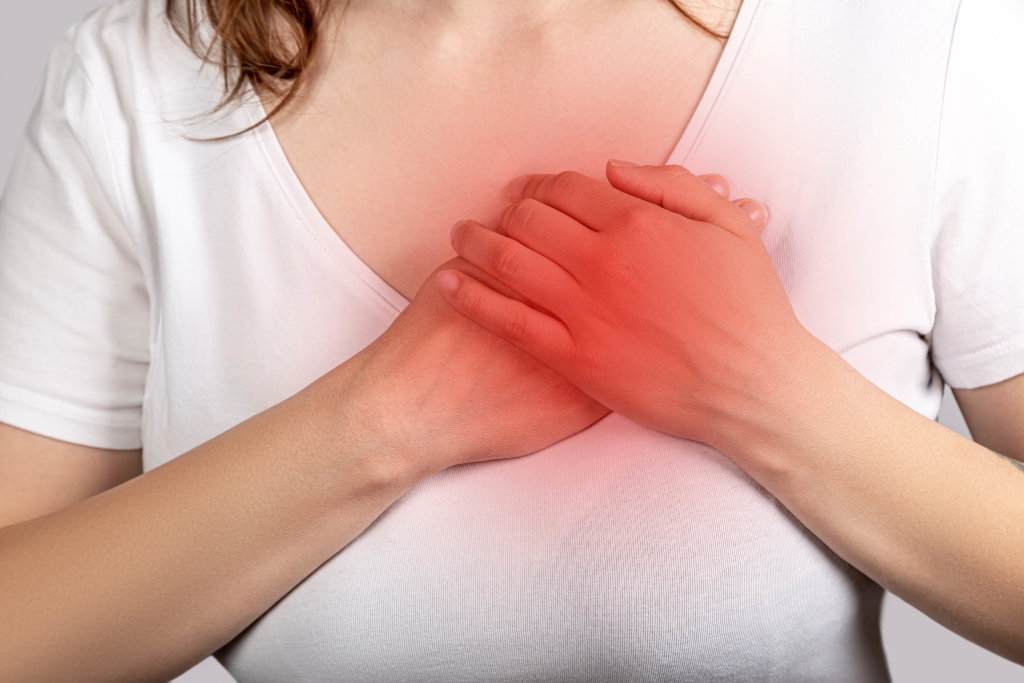

Heart attacks is one of the top reasons of deaths in worldwide. Yet, many people still miss the early warning signs, sometimes with dire consequences. Understanding what a heart attack feels like—and knowing the steps to take immediately—can save lives. In this article, we explore the common symptoms of heart attacks, practical actions to take during an emergency, and strategies for long-term recovery and prevention.
Understanding Heart Attacks
A heart attack, medically known as a myocardial infarction, occurs when blood flow to a section of the heart is blocked, often by a blood clot. This interruption in blood flow can damage the heart muscle. Although the term “heart attack” may evoke dramatic images, the signs are often subtle, and they vary from person to person. Recognizing these symptoms early is essential for quick intervention and recovery.
Common Symptoms of a Heart Attack
While the classic sign of a heart attack is chest pain or discomfort, symptoms can be diverse:
• Chest Discomfort: This may feel like pressure, squeezing, or fullness in the center of the chest. For some, the pain radiates to the arms, neck, jaw, or back.
• Shortness of Breath: Many individuals experience difficulty breathing, sometimes even when at rest.
• Nausea and Lightheadedness: Some people feel nauseated or dizzy, which might be mistaken for indigestion.
• Sweating: An unexpected, cold sweat can occur, often accompanied by feelings of anxiety.
• Fatigue: Unusual and persistent tiredness, especially in women, may signal that something is wrong.
• Other Atypical Symptoms: In some cases, people may experience discomfort in the upper body, including the shoulders, arms, or back.
It is important to remember that symptoms may not always be severe. Particularly among women, elderly individuals, and those with diabetes, the signs can be milder or even “silent.” If you suspect something is off, it’s crucial to err on the side of caution.
Immediate Actions When a Heart Attack Strikes
Time is very crucial during a heart attack. Here are some tips to be considered in no time.
1. Call Emergency Services: If you or someone nearby experiences symptoms, call your local emergency number immediately. Do not delay seeking help.
2. Chew Aspirin: If there are no contraindications such as an allergy, chewing a low-dose aspirin (usually 325 mg) might help thin the blood. This should only be done if advised by emergency responders.
3. Stay Calm: While it may be difficult, try to remain as calm as possible. Sit or lie down and avoid exerting yourself.
4. Monitor Changes: Note any changes in symptoms. If the condition worsens or if the person loses consciousness, inform the emergency operator right away.
5. Follow Instructions: Listen carefully to instructions from emergency medical personnel until help arrives.
Quick and decisive action can limit heart damage and improve the chances of survival.
Prevention Strategies: Lowering Your Risk
Preventing a heart attack is largely about managing risk factors. Here are some strategies to reduce your chances:
• Eat a diet high in fruits, vegetables, whole grains, lean meats, and healthy fats to promote heart health. Limit your consumption of sugar, saturated fats, and processed meals.
• Frequent Exercise: Try to get in at least 150 minutes a week of moderate exercise. Even a little brisk walking can have a big impact.
• Quit Smoking: Smoking dramatically increases your risk of heart attack. Seek help to quit if you’re a smoker.
• Control Blood Pressure and Cholesterol: Regular monitoring and medication, if needed, can help keep these in check.
• Manage Stress: Chronic stress can damage your heart. Stress management methods include yoga, meditation, and deep breathing techniques.
• Keep Your Weight in Check: One of the main risk factors for heart disease is obesity. Maintaining an appropriate weight can be aided by a healthy diet and consistent exercise.
Taking these preventive measures can reduce your overall risk and contribute to a healthier heart.
Recovery and Long-Term Management
Surviving a heart attack is a significant milestone, but recovery is an ongoing process. Here are key components of long-term heart health:
Cardiac Rehabilitation:
After a heart attack, participating in a structured cardiac rehabilitation program can be crucial. These programs provide supervised exercise sessions, nutritional counseling, and education on managing heart disease. They also offer psychological support to help reduce anxiety and depression post-heart attack.
Medication Management:
Your doctor may prescribe medications such as beta-blockers, ACE inhibitors, or statins to manage your heart condition and prevent future events. It’s essential to take these medications as prescribed and attend regular follow-up appointments.
Lifestyle Adjustments:
Sustainable changes in your lifestyle can help prevent another heart attack. This includes continuing with a heart-healthy diet, regular exercise, stress management techniques, and avoiding smoking and excessive alcohol consumption.
Regular Check-Ups:
Ongoing monitoring of your heart health is essential. Regular check-ups can help catch any potential issues early and allow your doctor to adjust your treatment plan as necessary.
Support Networks:
Recovering from a heart attack isn’t just a physical journey; it’s emotional, too. Joining support groups or counseling sessions can provide the emotional support needed during recovery. Sharing your experiences with others who have gone through similar situations can be immensely reassuring.
Real-Life Success Stories
Consider the story of Rajesh, a 52-year-old man who experienced a mild heart attack. After his emergency treatment, he enrolled in a cardiac rehabilitation program. By adopting a new diet, quitting smoking, and engaging in regular physical activity, Rajesh not only recovered but also reported feeling more energetic and optimistic about his future.
Similarly, Anita, a 47-year-old woman, noticed subtle symptoms like fatigue and slight chest discomfort. Despite initially dismissing these signs, she eventually sought medical advice. Early intervention helped her avoid a full-blown heart attack, and with proper guidance on lifestyle changes and medications, she managed to improve her overall heart health.
These stories underscore the importance of recognizing symptoms early, taking prompt action, and making sustainable lifestyle changes for long-term heart health.
References
1. American Heart Association. (2023). Recognizing and Responding to Heart Attack Symptoms.
2. Mayo Clinic. (2023). Heart Attack: Symptoms, Causes, and Prevention.
3. Centers for Disease Control and Prevention (CDC). (2022). Heart Disease Risk Factors and Prevention.
4. WebMD. (2023). Heart Attack: What You Need to Know.
5. Harvard Health Publishing. (2023). Strategies for Heart Health: Preventing Heart Attacks.
Conclusion
Experiencing a heart attack can change your life in an instant, and it really underscores why recognizing those early warning signs—like a heavy chest, difficulty breathing, nausea, or feeling unusually tired—is so important. When you notice these symptoms, acting quickly can help limit the damage and give you a better chance at a full recovery. Alongside immediate action, taking care of your heart through a balanced diet, regular exercise, and stress management can play a huge role in preventing future problems.
Recovering from a heart attack isn’t just about the emergency treatment; it’s about rebuilding your life gradually. Many survivors find that joining a cardiac rehabilitation program, sticking to their medications, and making lifestyle changes helps them regain their strength and confidence over time. It’s a journey that involves not only physical healing but also emotional support and a renewed commitment to living a healthier life.
Ultimately, the steps you take today to care for your heart—staying informed, making healthy choices, and leaning on your healthcare team—can lead to a brighter, more active future. By focusing on these proactive measures, you can work towards a life where your heart stays strong and you’re better prepared to face whatever comes next.
Also Read About : HOW THE HEART BEATS: WHEN PACEMAKERS BECOME NECESSARY
Visit Us At : https://g.co/kgs/rTqAjgt


