
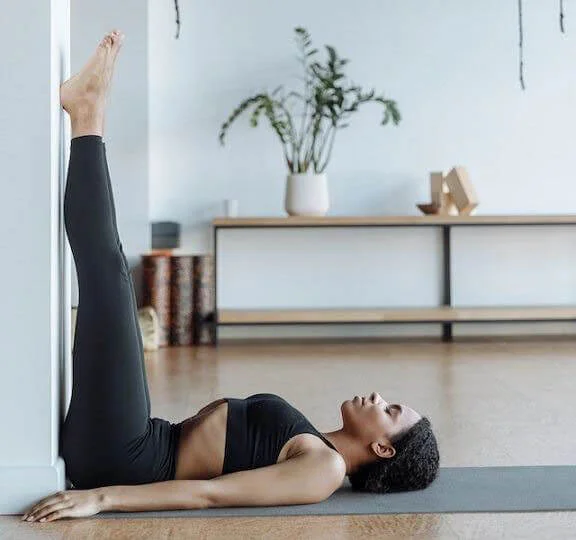

Knee pain is one of the most frequent musculoskeletal complaints seen across all age groups. Fortunately, home physiotherapy exercises for knee pain relief have emerged as a highly effective first-line approach, restoring strength, and improving functional movement patterns.
Whether it arises from age-related wear and tear, sports and activity overuse, or chronic conditions like osteoarthritis, the discomfort can limit mobility, reduce quality of life, and interfere with everyday tasks.
So let’s dive into these research backed Home Physiotherapy Exercises for Knee Pain that works for all.
Also Read: This 7 day knee strengthening exercise plan works like Miracle
What Causes Knee Pain?
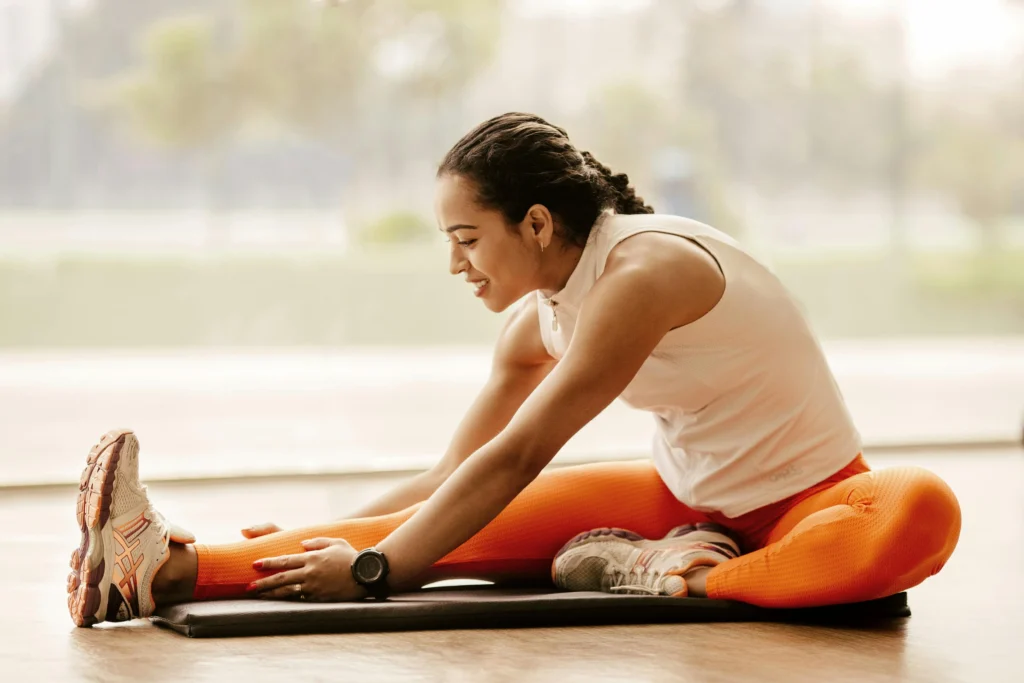
Before exploring exercises, it’s essential to understand why knee pain arises.
The knee is a complex joint composed of bones, cartilage, ligaments, tendons, and muscles that all work together to support weight, absorb shock, and allow movement. Pain can originate from:
- Wear and tear of joint cartilage (e.g., osteoarthritis)
- Tendon irritation (e.g., patellar tendinopathy)
- Meniscal tears or cartilage injury
- Ligament strain or sprain
- Biomechanical imbalances such as weak quadriceps or tight hip muscles
Because the knee is influenced by structures above and below it, including hip and ankle muscles, addressing knee pain often requires a holistic approach that incorporates strengthening, flexibility, motor control, and movement quality.
Also Read: Is Physiotherapy Covered By Health Insurance In India?
Why Home Physiotherapy Exercises Work
Home physiotherapy exercises empower individuals to take control of their recovery through safe, structured movement patterns. They work for several reasons:
- Strengthening muscles around the knee improves joint support and reduces load on cartilage and ligaments.
- Controlled movement increases synovial fluid circulation within the joint capsule, which nourishes cartilage and reduces stiffness.
- Neuromuscular retraining improves coordination and reduces abnormal movement patterns that contribute to pain.
- Consistent, low-impact exercise helps reduce inflammation without irritating the joint.
Indeed, clinical guidelines from organizations such as the American Physical Therapy Association support therapeutic exercise as a core treatment for knee osteoarthritis and related pain conditions, emphasizing strength, balance, and functional mobility.
Also Read : https://vcurehealthcare.com/unlocking-knee-pain-relief-how-physiotherapy-can-change-your-life/
Before You Begin: Safety and Assessment
Prior to starting any home exercise program, it’s recommended to:
- Ensure pain is not severe, worsening, or accompanied by swelling and redness
- Avoid exercises that produce sharp or radiating pain
- Consult a physiotherapist or healthcare provider if you have a recent injury, prior surgery, or underlying conditions such as rheumatoid arthritis
Warm up briefly before exercising with 3–5 minutes of light walking or cycling in place. Additionally, use a flat, non-slip surface and consider a mat for comfort.
Also Read: Your knee pain can be any of these conditions!
Top Home Physiotherapy Exercises for Knee Pain
Below are highly effective, evidence-based exercises that target strength, flexibility, stability, and movement quality around the knee joint.
1. Quadriceps Sets
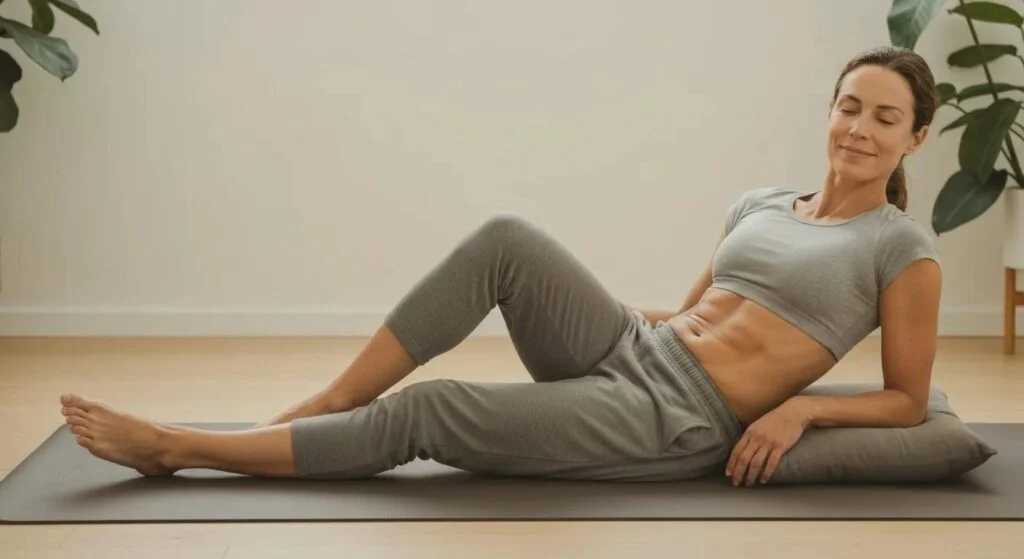
The quadriceps muscles on the front of the thigh are crucial for knee strength and stability.
How to Perform:
- Sit on the floor or a firm surface with your legs extended.
- Tighten your quadriceps (the muscle above the knee) by pressing the back of your knee gently into the floor.
- Hold for 5–10 seconds then relax.
- Repeat 10–15 times for 2–3 sets.
Benefits: Improves muscle activation without moving the knee joint excessively, making it suitable for acute pain phases.
2. Straight Leg Raises
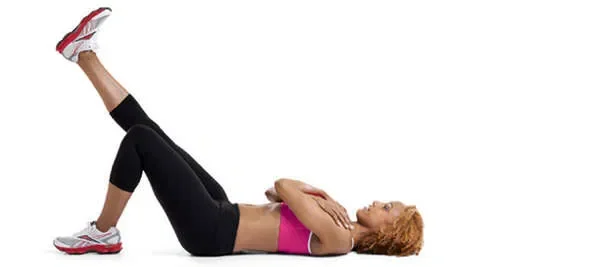
This exercise strengthens the quadriceps while minimizing knee joint load.
How to Perform:
- Lie on your back with one leg bent and the other straight.
- Tighten your quadriceps on the straight leg.
- Lift that leg slowly to hip height.
- Hold for 3–5 seconds, then lower it down slowly.
- Perform 10–15 reps on each side for 2–3 sets.
Benefits: Enhances quadriceps strength and supports knee alignment.
3. Hamstring Curls
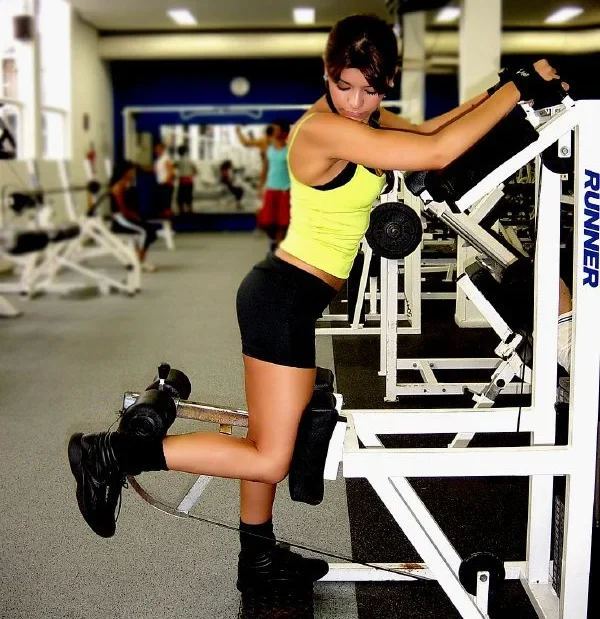
Strong hamstrings balance the quadriceps and support knee mechanics.
How to Perform:
- Stand behind a chair and hold it lightly for balance.
- Slowly bend one knee, bringing your heel toward your buttock.
- Hold for 2–3 seconds then lower.
- Do 10–15 reps each side for 2–3 sets.
Modification: If standing is uncomfortable, perform this exercise lying on your stomach.
4. Wall Sits
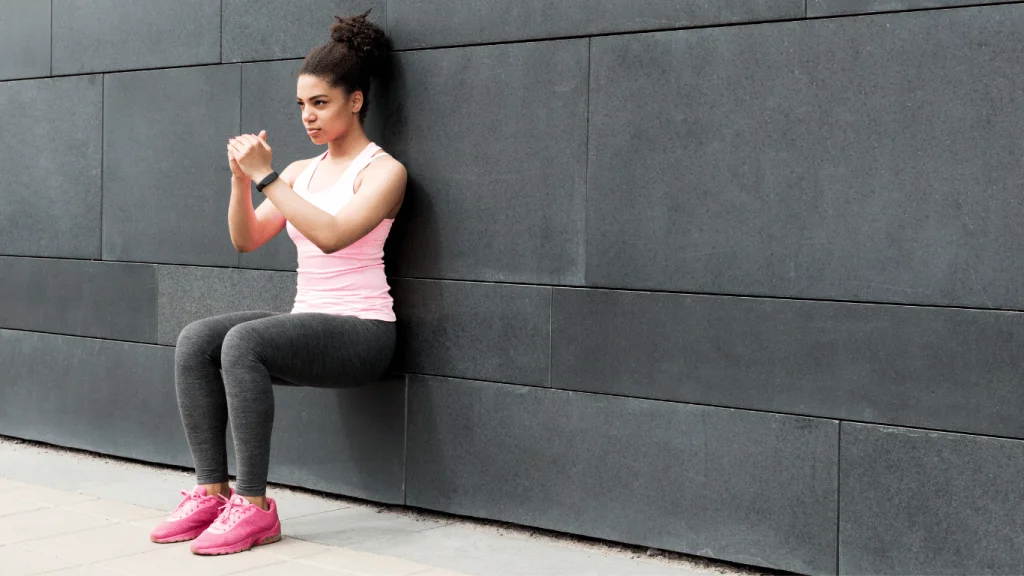
This is an isometric strengthening exercise for the entire lower limb.
How to Perform:
- Stand with your back against a wall.
- Slowly slide down until your knees are at about a 45-degree angle.
- Hold the position for 10–30 seconds initially, working up to longer durations.
- Return to standing and repeat for 2–3 sets.
Benefits: Strengthens quads, glutes, and core while keeping the knee in a stable position.
5. Calf Raises
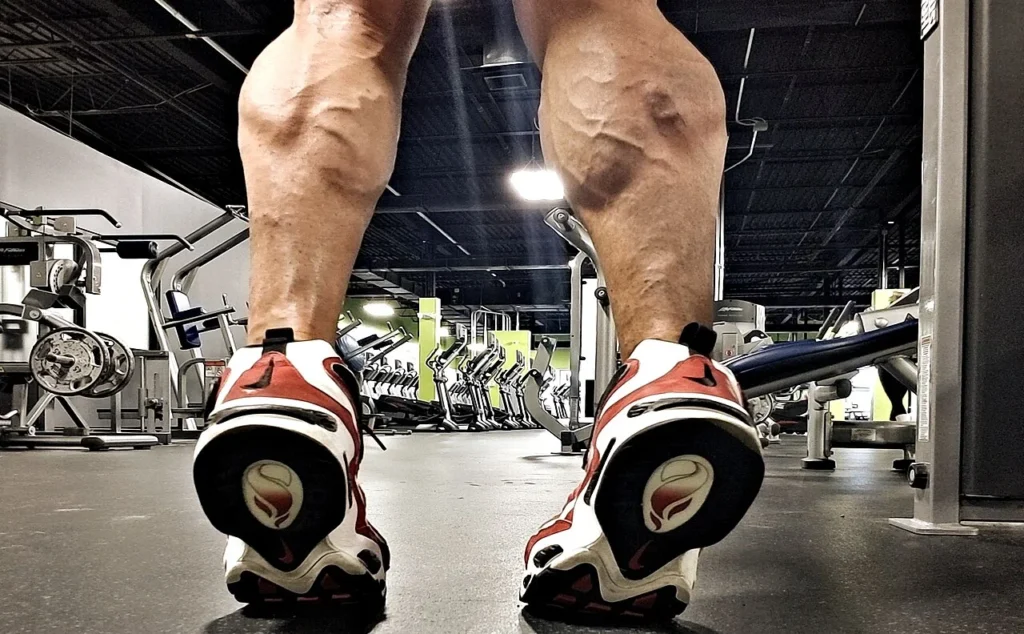
Often overlooked, the calf muscles influence knee joint forces, especially during walking.
How to Perform:
- Stand behind a chair for support.
- Rise up onto your toes slowly.
- Hold for 2–3 seconds, then lower.
- Do 10–15 repetitions for 2–3 sets.
Benefits: Improves ankle mobility and reduces compensatory stress on the knee.
6. Clamshells
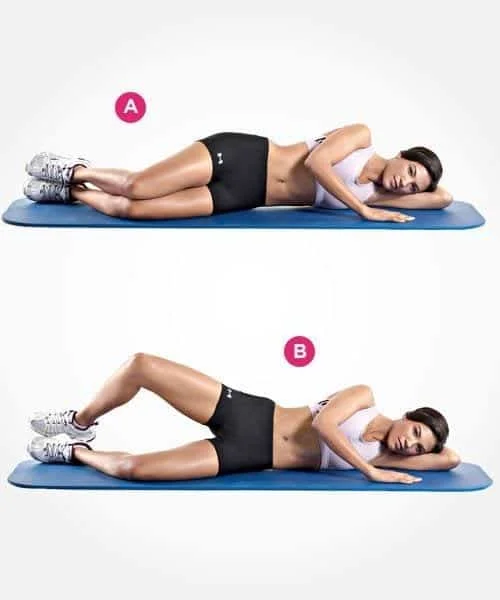
This exercise targets the gluteus medius, which helps stabilize the pelvis and prevents inward knee collapse.
How to Perform:
- Lie on your side with knees bent at 90 degrees.
- Keeping feet together, lift the top knee upward.
- Hold for 2–3 seconds then lower.
- Perform 10–15 reps per side for 2–3 sets.
Benefits: Helps control knee alignment during walking and functional activities.
7. Heel Slides
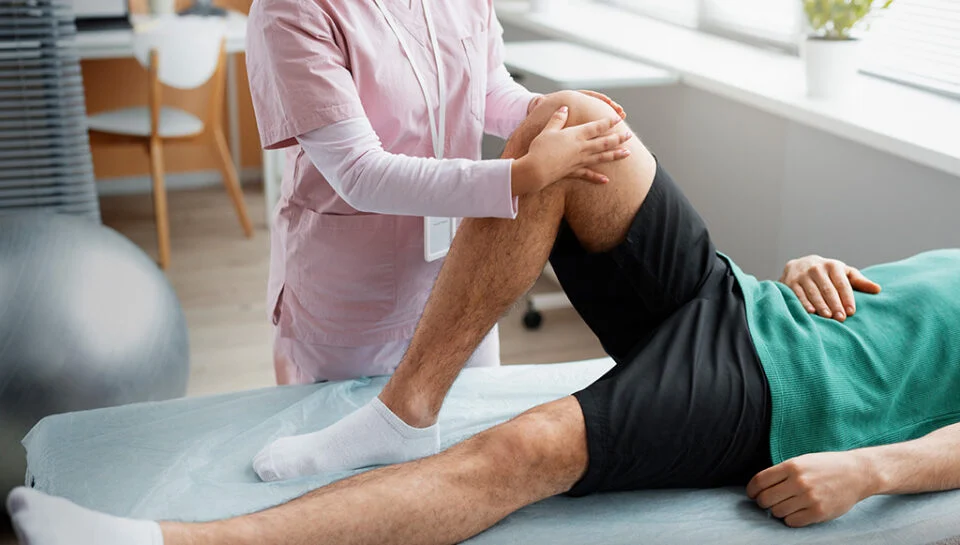
This gentle movement improves knee flexibility and reduces stiffness.
How to Perform:
- Lie on your back with both legs extended.
- Slowly slide one heel toward your buttock while keeping your foot on the floor.
- Stop at a comfortable point and slowly slide back.
- Repeat 10–15 times per side.
Benefits: Increases knee joint range of motion without stress.
8. Hip Abductor Strengthening
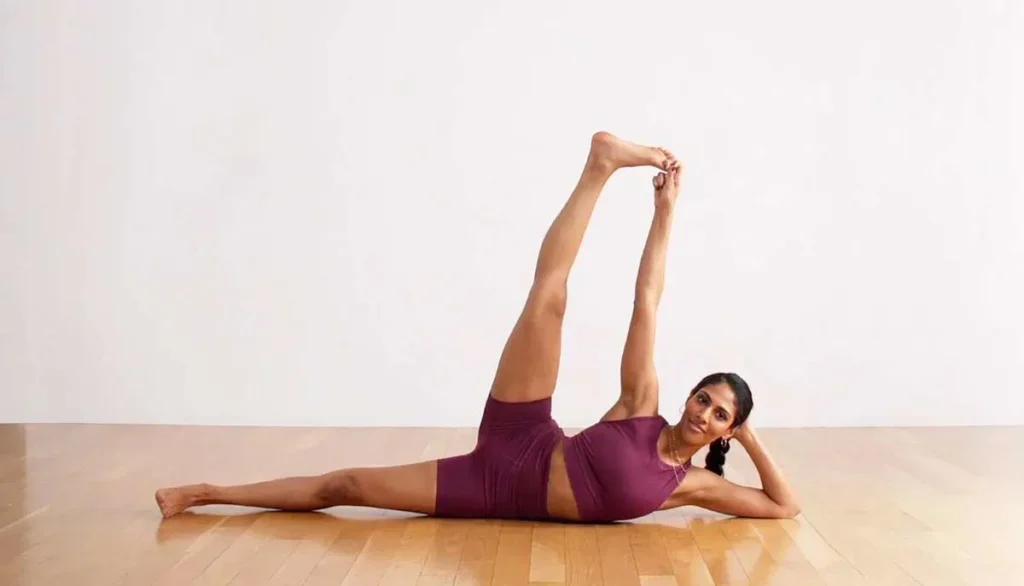
Stronger hip muscles reduce undue knee stress.
How to Perform:
- Lie on your side with legs extended.
- Lift the top leg upward without rotating the hips.
- Perform 10–15 reps each side for 2–3 sets.
Benefits: Supports knee alignment and reduces valgus stress.
Also Read: Bridge Exercise for Back Pain and Strengthening: A Complete Evidence-Based Guide
Weekly Knee Exercise Plan for All Levels
This routine balances strengthening, flexibility, balance, and recovery. Start gently and increase intensity gradually. Aim for 4–6 days/week, as regular movement supports joint health and reduces pain. (betterhood)
Day 1 – Foundation Strength & Activation
Warm-up (5 min): Light walking or stepping in place
Exercises
- Straight Leg Raises – 3 sets of 12
(Strengthens quadriceps without bending the knee) - Quadriceps Sets – 3 sets of 10
(Isometric activation before movement) - Heel Slides – 3 sets of 10
(Improves knee range of motion)
Tips: Rest 60 seconds between sets. Breath slowly and focus on engaging muscles.
Day 2 – Glute & Hamstring Strengthening
Warm-up (5 min): Gentle marching or ankle circles
Exercises
- Hamstring Curls (standing or lying) – 3 sets of 12
- Bridge Pose – 3 sets of 12
(Target glutes and hips, reducing knee strain) - Clamshells – 3 sets of 15 per side
Tips: Glute strength improves knee alignment and reduces inward collapse.
Day 3 – Low-Impact Functional Strength
Warm-up (5 min): Slow walking
Exercises
- Wall Sits – 3 sets of 20–30 sec
- Calf Raises – 3 sets of 15
- Step-Ups (onto low step) – 2–3 sets of 10 firstname/side
Tips: Maintain slow, controlled motion. Avoid pain-provoking speed.
Day 4 – Stability & Balance
Warm-up (5 min): Gentle cycling or walking
Exercises
- Single-Leg Balance – 3 x 30-second holds each side
Add a pillow under your foot for challenge. - Lateral Leg Raises – 3 sets of 12 per side
- Tai Chi Movements (gentle shifting & balance) – 5 minutes
(Tai chi is shown to improve balance and mobility in knee osteoarthritis)
Tips: Balance training reduces fall risk and improves coordinated muscle firing.
Day 5 – Mobility & Stretching
Warm-up (5 min): Slow walk
Exercises
- Hamstring Stretch – 3 x 30 sec
- Calf Stretch – 3 x 30 sec
- Hip Flexor Stretch – 3 x 30 sec
- Quadriceps Stretch – 3 x 30 sec
Tips: Stretch after strengthening days to improve muscle length and reduce stiffness.
Day 6 – Gentle Conditioning
Activities
- Walking 30–45 minutes at a comfortable pace
Walking is joint-friendly and improves circulation without excessive impact.
or
- Swimming / water walking for 20–30 minutes
(Reduces joint load while strengthening muscles)
Recovery: Finish with 5 min of light stretching.
Day 7 – Rest & Recovery
Rest doesn’t mean inactivity. Light mobility such as 10–15 minute stroll or gentle breathing and pelvic tilts supports recovery. Focus on hydration and mindful movement.
Also Read: Ultimate Guide to Home Physiotherapy for Back Pain
Dietary Changes for Faster Knee Healing
Nutrition plays a significant role in reducing inflammation, supporting cartilage, and helping tissue repair.
Foods to Include
- Anti-inflammatory fats like omega-3s (salmon, sardines) which reduce swelling in joints.
- Leafy greens (spinach, kale, broccoli) for antioxidants and bone-supporting nutrients.
- Vitamin C rich foods (citrus, berries) essential for collagen synthesis.
- Nuts & seeds (walnuts, flaxseeds) for healthy fats and magnesium.
- Extra-virgin olive oil adds polyphenols that fight inflammation.
- Warm cooked meals with spices like turmeric and ginger to support digestion and reduce inflammatory markers.
- Bone broth for collagen and amino acids that support cartilage.
Also Read: 10 Best Daily Stretches for Back Pain Relief at Home
Foods to Avoid
- Processed and packaged snacks
- Excess refined sugar or sweetened beverages
- Cold and raw foods for Vata imbalance (in Ayurvedic view) which may aggravate stiffness.
- Excess alcohol
Hydration Tip
Drink warm water or herbal teas (ginger, turmeric, fenugreek) throughout the day to support joint lubrication and detoxification.
Also Read: How to Do a Pelvic Tilt Exercise for Lower Back Pain Relief
Ancient Knee Health Insights
Ayurvedic Lifestyle Practices
Ayurveda, one of the oldest recognized medical systems from texts like Charaka Samhita and Sushruta Samhita, emphasizes joint maintenance through holistic routines. (Wikipedia)
Abhyanga (Warm Oil Massage)
Gently massage warm sesame or medicated oil into the knees for 10–15 minutes daily to increase circulation and reduce dryness. Sesame oil is particularly recommended to calm movement-related imbalance. (Ayushman)
Janu Basti Therapy
This traditional Ayurvedic knee-specific treatment uses warm medicated oil retained around the knee joint to deeply soothe inflammation and improve local circulation. (Reddit)
Daily Routine (Dinacharya)
Ayurveda suggests consistent daily routines (like warming meals, oil massage, early rising) to balance Vata dosha, which is often linked with joint stiffness and pain. (Starhealth)
Also Read: Cat Cow Stretch Benefits for Back Pain- A Complete Guide
Additional Tips for Stronger Knees
1. Integrated Walking + Strength
Instead of just walking, occasionally increment steps with controlled knee lifts or gentle side steps to activate muscles differently without high impact.
2. Controlled Breathing with Strength Work
Synchronize breath with movement (exhale on effort, inhale on relaxation). This enhances neural coordination and reduces protective muscle guarding.
3. Tai Chi or Gentle Martial Arts Movement
Tai chi incorporates balance, flow, and slow control, which reduces pain and improves range of motion in knee osteoarthritis. (Healthline)
4. Warm Baths Before Exercise
Warm baths with Epsom salt can relax muscles, reduce stiffness, and prepare tissues for stretching.
5. Mind-Body Relaxation
Stress increases muscle tension around joints. Practices like meditation, pranayama, or light yoga calm systemic tension and improve pain perception. (Starhealth)
Also read: Knee-to-Chest Stretch for Bach Pain Relief and Spinal Flexibility- A Complete Guide
When to Seek Medical Advice
While home exercises and lifestyle changes are powerful, consult a clinician if:
- Pain is sharp, increasing, or radiating
- Swelling, redness, or warmth persists
- You experience instability or inability to bear weight
- Pain impairs daily function despite consistent exercise
Emerging Research and New Approaches
Recent studies in physiotherapy and biomechanics highlight several trends that reinforce the role of exercise for knee pain:
Integration of Neuromuscular Training
Research suggests that combining strength exercises with neuromuscular training, which improves movement control, leads to superior outcomes for knee pain compared with strength training alone.
This includes balance drills and dynamic stability exercises that complement the foundational movements listed above.
Role of Mind-Body Approaches
Mind-body modalities such as therapeutic yoga and tai chi, when incorporated with structured exercise programs, have demonstrated improvements in pain, function, and psychological well-being in people with knee osteoarthritis.
These practices emphasize controlled movement and body awareness, which support rehabilitation efforts.
Technology-Assisted Home Programs
Digital rehabilitation platforms that provide feedback on movement quality are gaining traction.
Early evidence indicates that patients who use interactive tools show better adherence and performance quality, which correlates with improved outcomes.
Lesser-Known Facts About Knee Pain and Exercise
1. Muscles Above and Below Matter
Knee pain is influenced not only by knee structures but also by the strength and flexibility of hip and ankle muscles.
Therefore, exercises targeting these regions can produce meaningful improvements.
2. Pain Does Not Always Mean Damage
Perception of pain is complex and influenced by multiple factors beyond tissue irritation.
Controlled exercise alters nervous system sensitivity, often reducing pain without structural change.
3. Quality Over Quantity
Slow, controlled repetitions with proper muscle engagement achieve better results than high-speed or high-volume sessions.
This is especially true for rehabilitation purposes.
From My Physiotherapy Practice to You
In my clinical experience, knee pain rarely improves with rest alone. What truly makes a difference is guided movement, consistency, and correcting small biomechanical imbalances that most people don’t even realize they have.
Very often, I see patients regain confidence in their knees simply by strengthening the right muscles and learning how to move properly again.
If you are dealing with knee pain at home, start gently but stay regular. Focus on controlled repetitions, proper posture, and gradual progression.
Your knee does not need aggressive exercise. It needs smart exercise.
At the same time, listen to your body. Mild muscle fatigue is normal, but sharp pain is not.
If swelling, instability, or locking occurs, it is important to seek professional evaluation rather than pushing through discomfort.
Most importantly, remember this: knees are designed to move. When movement is structured correctly, it becomes medicine.
Stay consistent. Stay patient. And trust the process.
Frequently Asked Questions (FAQ)
1. Can I do these exercises if my knee pain is severe?
Exercises can be started gently, but if pain worsens, stop and consult a clinician. Pain that radiates or causes swelling may require further evaluation.
2. How often should I perform these exercises?
Aim for 4–5 days a week with rest days in between if needed. Consistency is more important than intensity.
3. Should I use weights?
Begin with bodyweight exercises. Progress to resistance only when pain improves and movement control is good.
4. Can these exercises prevent knee surgery?
In many cases, improved strength and mobility delay or reduce the need for surgical intervention, but this depends on individual diagnosis.
5. Is walking beneficial?
Yes. Gentle walking improves circulation, supports joint nutrition, and facilitates movement without undue impact.
6. Do I need equipment?
Most exercises require only body weight or simple props like a chair or towel.
7. Can children perform these exercises?
Yes, with guidance and modification as needed.
8. How long until I see improvement?
Many people notice reduced stiffness and better movement within a few weeks of consistent practice.
9. Should I avoid any movements?
Avoid high-impact activities that aggravate pain, such as running on hard surfaces, until your knee strength improves.
10. Do I need to stretch?
Yes. Gentle stretching of hamstrings and calves complements strengthening for comprehensive knee care.
Stay tuned with us for more health related topics.
Follow us on LinkedIn and Instagram for more.


