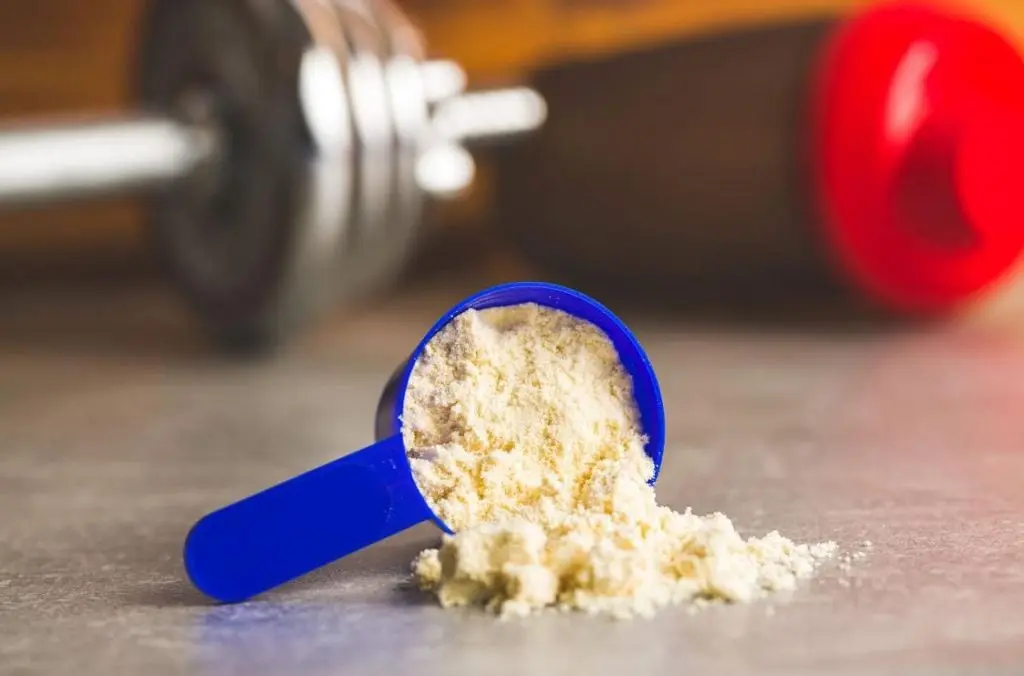

Protein powder is one of the most widely used supplements in the world, commonly associated with muscle gain, weight loss, and improved athletic performance. However, there are ongoing debates regarding its safety and long-term effects on health. While fitness enthusiasts swear by its benefits, some health experts raise concerns about its potential risks. So, is protein powder really safe? Let’s dive into the science behind protein supplements and uncover some lesser-known insights.
Understanding Protein Powder
Protein powders are concentrated sources of protein derived from animal or plant sources. The most common types include:
- Whey Protein – A fast-absorbing protein derived from milk, often used for muscle recovery.
- Casein Protein – Also derived from milk, but digests slowly, making it ideal for nighttime consumption.
- Plant-Based Protein – Made from sources like peas, soy, rice, or hemp, often preferred by vegans.
- Collagen Protein – Extracted from animal bones and skin, popular for skin and joint health.
Each type has its unique benefits, but their safety largely depends on quality, ingredients, and individual health conditions.
Is Protein Powder Safe? Common Myths vs. Facts
1. Does Protein Powder Harm Your Kidneys?
One of the biggest myths is that protein powder damages the kidneys. However, research suggests that protein consumption is only harmful to individuals with pre-existing kidney disease. In healthy individuals, moderate to high protein intake does not cause kidney damage.
Lesser-Known Insight: Dehydration is a bigger concern. Since protein metabolism produces nitrogen waste, excessive protein intake without adequate water consumption may strain kidney function over time.
2. Can Protein Powder Cause Digestive Issues?
Many people experience bloating, gas, or stomach discomfort after consuming protein powder. The main culprits are:
- Lactose in whey protein (for those who are lactose intolerant)
- Artificial sweeteners and additives that disrupt gut bacteria
- Low-quality protein blends with fillers that are hard to digest
Solution: Choose high-quality protein powders with minimal ingredients and opt for plant-based or hydrolyzed whey if you have a sensitive stomach.
3. Do Protein Supplements Lead to Weight Gain?Protein itself does not cause weight gain, but excessive calorie consumption does. Many protein powders contain hidden sugars and calories that can contribute to fat storage if not balanced with a proper diet.
Lesser-Known Insight: Protein actually helps with fat loss. It increases metabolism, reduces appetite, and preserves lean muscle mass during weight loss.
4. Are There Toxic Contaminants in Protein Powders?
A surprising study found that some protein powders contain heavy metals like lead, arsenic, and cadmium, which can be harmful if consumed regularly. This is more common in low-quality brands that do not undergo third-party testing.
Solution: Choose brands that are certified by NSF, Informed Choice, or third-party tested to ensure purity and safety.
When Protein Powder Becomes Unsafe
While protein supplements are generally safe for most people, certain factors can make them risky:
- Excessive Consumption – Consuming protein beyond your body’s needs can strain digestion and liver function.
- Low-Quality Ingredients – Fillers, artificial sweeteners, and unverified sources may have long-term health risks.
- Over-Reliance on Supplements – Whole foods provide essential nutrients that powders lack, so relying solely on supplements can lead to deficiencies.
- Hormonal Effects – Some protein powders, especially soy-based ones, contain phytoestrogens, which may affect hormone balance in some individuals.
How to Choose a Safe Protein Powder?
To ensure safety, follow these key guidelines when purchasing protein powder:
- Look for Third-Party Testing – Certifications from NSF, USP, or Informed Choice guarantee safety and quality.
- Check the Ingredient List – Avoid artificial sweeteners, excess sugar, and unnecessary additives.
- Choose the Right Type for Your Body – Whey isolate for lactose intolerance, plant-based for vegans, and collagen for skin & joints.
- Monitor Serving Sizes – Stick to recommended portions to avoid overconsumption.
Natural Protein Sources vs. Protein Powder: Which Is Better?
While protein powders offer convenience, whole foods should always be the primary source of protein. Some excellent natural alternatives include:
- Eggs – A complete protein with essential amino acids.
- Greek Yogurt – High in protein and probiotics for gut health.
- Lean Meats & Fish – Rich in protein and omega-3 fatty acids.
- Legumes & Nuts – Plant-based proteins packed with fiber.
If you consume a balanced diet, you may not need protein supplements at all!
Final Verdict: Should You Use Protein Powder?
Yes, protein powder is safe when used correctly and in moderation. It can be an excellent supplement for athletes, fitness enthusiasts, or people with increased protein needs, but should not replace real food. The key is to choose high-quality protein powders, avoid excessive consumption, and maintain a balanced diet.
Before starting any supplement, consult a healthcare professional, especially if you have pre-existing health conditions.
Read About : The Surprising Truth About Muscle Relaxants – Do They Really Work?
Visit Us At : https://g.co/kgs/rTqAjgt