


Painful sex after childbirth can happen due to pelvic floor tension, scar sensitivity, hormonal changes, and postpartum tissue healing.
Pain during intimacy is far more common than most women realize, yet many silently tolerate it for years assuming it is “normal,” hormonal, psychological, or simply something they must live with.
In reality, one of the most overlooked causes of painful sex after childbirth is pelvic floor dysfunction, a condition where the pelvic floor muscles become tight, weak, overactive, poorly coordinated, or unable to relax properly.
Quick Answer
Painful sex can be caused by pelvic floor dysfunction, where the pelvic muscles become tight, weak, overactive, or unable to relax properly. Symptoms may include burning, tightness, pelvic pain, urinary issues, or pain after intercourse. Pelvic floor physiotherapy, breathing exercises, relaxation training, posture correction, and nervous system regulation can significantly improve symptoms naturally.
As physiotherapists,
we often see women who have spent years
- visiting gynecologists,
- trying creams,
- antibiotics,
- hormonal medications, or
- avoiding intimacy
altogether before discovering that the real problem may actually involve muscles, nerves, breathing patterns, posture, scar tissue, and chronic tension inside the pelvis.
The encouraging part is this: many cases improve significantly with proper pelvic floor physiotherapy, lifestyle modifications, nervous system regulation, and guided rehabilitation.
Key Takeaways
- Painful sex is often linked to pelvic floor muscle dysfunction.
- Tight pelvic floor muscles can cause burning, pressure, and pain during penetration.
- Kegels are not suitable for every woman with pelvic pain.
- Stress, posture, breathing, constipation, and childbirth can worsen symptoms.
- Pelvic floor physiotherapy is an evidence-based treatment option.
- Diaphragmatic breathing and nervous system relaxation are essential for recovery.
- Ignoring pain may worsen long-term muscle guarding and sensitivity.
- Postpartum women frequently develop pelvic floor-related painful intercourse.
- Hip mobility and whole-body tension patterns affect pelvic floor health.
- Most women improve significantly with personalized conservative treatment.
What Is Pelvic Floor Dysfunction?
The pelvic floor is a group of muscles, ligaments, and connective tissues that form a supportive hammock at the bottom of the pelvis.
These muscles support the bladder, uterus, and bowel while also helping with urination, bowel control, posture, breathing, and sexual function.
When these muscles become excessively tight, weak, painful, or poorly coordinated, pelvic floor dysfunction develops.
One of the most common sexual symptoms is dyspareunia, persistent or recurrent pain during or after intercourse.
Research published in the Journal of Sexual Medicine shows that pelvic floor muscle overactivity is strongly associated with painful penetration and chronic pelvic pain. (Cleveland Clinic)
Why Pelvic Floor Dysfunction Causes Painful Sex
Many women assume painful sex after childbirth is caused only by vaginal dryness or infection.
But physiotherapists know the pelvic floor muscles themselves can become guarded and hypersensitive.
Imagine trying to stretch a cramped muscle repeatedly.
That is similar to what can happen during penetration when pelvic floor muscles are tight and unable to relax.
Pain may occur because of:
- Muscle spasms
- Trigger points within pelvic muscles
- Scar tissue restrictions
- Pudendal nerve irritation
- Reduced blood circulation
- Fear-pain muscle guarding cycle
- Poor diaphragmatic breathing
- Chronic stress response
A major 2022 review in Sexual Medicine Reviews highlighted that pelvic floor muscle hypertonicity is one of the most underestimated contributors to female sexual pain disorders. (Cleveland Clinic)
Common Symptoms Women Often Ignore
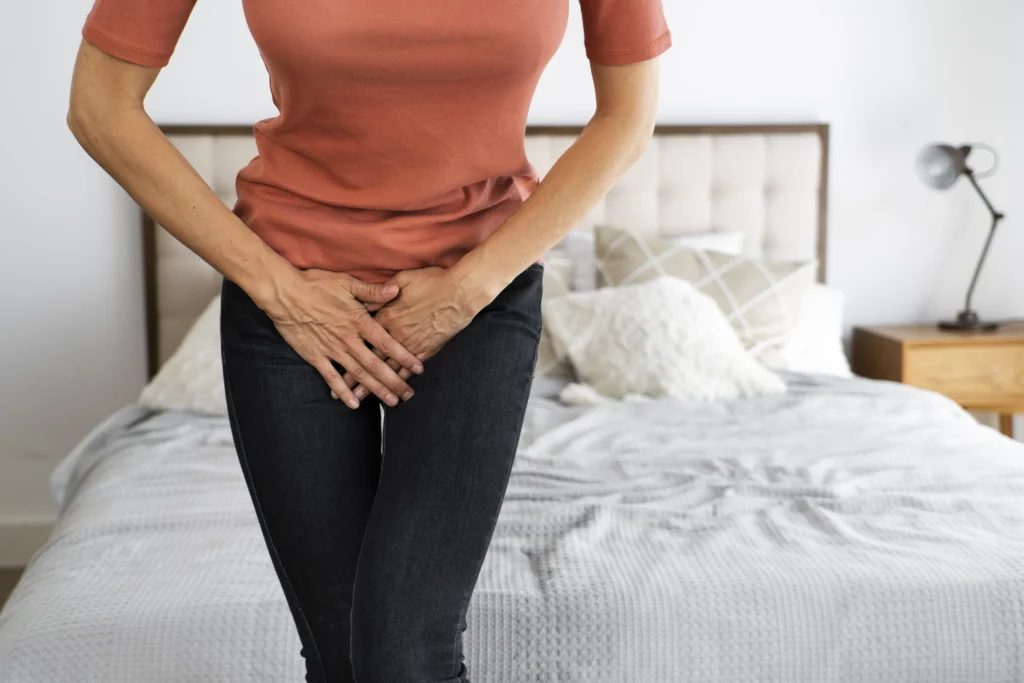
Burning Pain During Penetration
Women frequently describe:
- Burning
- Tightness
- Sharp stabbing pain
- Feeling “blocked”
- Dryness despite lubrication
Pain After Sex
Some women feel aching or pelvic heaviness for hours after intimacy.
Tampon Pain
Difficulty inserting tampons is an early clue of pelvic floor tightness.
Pelvic Pressure or Urinary Symptoms
Painful sex may coexist with:
- Frequent urination
- Urgency
- Constipation
- Lower back pain
- Hip pain
Emotional Distress Around Intimacy
Pain creates anticipation and fear, which further increases muscle tension.
Research in Pain Research and Management demonstrated strong links between chronic pelvic pain, anxiety, and pelvic floor overactivity. (Imperial)
Lesser-Known Causes of Pelvic Floor Dysfunction
Chronic “Stomach Holding”
Many women constantly suck in their stomach for appearance reasons.
This increases downward pressure and pelvic floor tension.
Physiotherapists increasingly identify chronic abdominal gripping as a hidden contributor to pelvic floor tightness.
Breath-Holding Habits
Shallow chest breathing reduces pelvic floor relaxation because the diaphragm and pelvic floor work together.
Childhood Toilet Habits
Long-term straining, “holding pee,” or constipation during childhood can affect pelvic floor coordination later in life.
Gym Overtraining
Heavy lifting without proper breathing mechanics may overload pelvic floor muscles.
Trauma and Stress
The pelvic floor often reflects the nervous system state.
Chronic stress keeps muscles in protective guarding mode.
A study in Neurourology and Urodynamics found psychological stress significantly affects pelvic floor muscle activity. (PMC)
Conditions Commonly Linked With Painful Sex
Vaginismus
Involuntary pelvic floor muscle tightening that makes penetration difficult or impossible.
Endometriosis
Women with endometriosis frequently develop secondary pelvic floor tightness due to chronic pain guarding.
Interstitial Cystitis
Bladder pain syndrome often coexists with pelvic floor dysfunction.
Postpartum Pelvic Floor Dysfunction
Birth trauma, tears, episiotomy scars, and muscle weakness can contribute to painful intercourse after delivery.
Menopause
Reduced estrogen can combine with pelvic floor dysfunction to worsen pain.
PCOS and Chronic Inflammation
Emerging research suggests inflammatory hormonal conditions may indirectly affect pelvic pain sensitivity.
How Physiotherapists Assess Painful Sex
Pelvic floor physiotherapy is much more than “doing Kegels.”
In fact, many women with painful sex actually worsen when they perform unsupervised Kegel exercises because their muscles are already too tight.
A proper physiotherapy assessment may include:
Breathing Pattern Analysis
We assess whether the diaphragm and pelvic floor coordinate correctly.
Posture and Hip Evaluation
Hip stiffness and lower back dysfunction can influence pelvic tension.
Scar Tissue Assessment
C-section scars, episiotomy scars, and abdominal surgeries may create restrictions.
Internal Pelvic Floor Examination
With consent, a physiotherapist may assess:
- Muscle tightness
- Trigger points
- Coordination
- Tissue sensitivity
Nervous System Evaluation
Pain sensitivity, stress levels, and guarding patterns are also important.
The American Physical Therapy Association recognizes pelvic floor physical therapy as an evidence-based treatment for pelvic pain disorders. (PubMed)
The Biggest Myth: “Just Strengthen Your Pelvic Floor”
This is one of the most harmful misconceptions online.
A tight pelvic floor is not necessarily a strong pelvic floor.
Overactive muscles may already be working too hard.
Adding repetitive strengthening exercises without relaxation training can worsen pain.
This is why individualized physiotherapy matters.
Physiotherapy Treatments That Actually Help
Pelvic Floor Relaxation Training
Women are taught how to consciously relax pelvic muscles instead of constantly contracting them.
Diaphragmatic Breathing
Deep breathing helps reduce pelvic tension by coordinating the diaphragm and pelvic floor.
Research in Journal of Bodywork and Movement Therapies showed breathing retraining significantly improves pelvic floor muscle relaxation. (NCBI)
Trigger Point Release
Internal and external manual therapy can release painful muscle knots.
Biofeedback Therapy
Sensors help women visualize muscle activity and learn relaxation.
Dilator Therapy
Progressive vaginal dilators help desensitize tissues and reduce fear-pain cycles.
Nervous System Downtraining
Stress reduction techniques are critical because the nervous system directly affects pelvic muscle tension.
Mobility and Hip Rehabilitation
Tight hips and lower back dysfunction commonly contribute to pelvic floor overactivity.
A Lesser-Known Connection: Jaw Clenching and Pelvic Tension
Many pelvic physiotherapists notice women with pelvic floor dysfunction also clench their jaw, grind teeth, or carry neck tension.
This happens because the body’s protective muscle patterns are interconnected through the nervous system and fascial chains.
Women who learn whole-body relaxation often improve faster than those focusing only on the pelvis.
Things That Can Make Painful Sex Worse
Repeatedly “Pushing Through” Pain
Painful penetration teaches the nervous system to anticipate danger.
Aggressive Kegel Exercises
These may worsen muscle tightness in hypertonic pelvic floors.
Chronic Constipation
Straining overloads pelvic muscles.
Excessive High-Intensity Workouts
Heavy training without recovery can increase pelvic tension.
Stress and Sleep Deprivation
Poor sleep amplifies pain sensitivity.
Calculate your ideal sleep timings here: “Sleep Calculator“
Ignoring Lubrication
Friction increases muscle guarding.
Best Things Women Can Do at Home
Practice Reverse Kegels
Instead of squeezing, learn gentle pelvic floor dropping and relaxation.
Use Heat Therapy
Warm compresses may help relax pelvic muscles.
Improve Toilet Habits
Avoid straining and prolonged sitting on the toilet.
Stretch the Hips Daily
Gentle hip openers may reduce pelvic floor tension.
Focus on Nervous System Regulation
Meditation, slow breathing, and mindfulness help calm pelvic guarding.
Prioritize Foreplay and Relaxation
Rushing intimacy often increases protective muscle tightening.
Maintain Bowel Health
Adequate hydration and fiber reduce pelvic strain.
Foods and Lifestyle Factors That May Influence Pelvic Pain
Emerging evidence suggests chronic inflammation may heighten pelvic pain sensitivity.
Some women notice improvement when reducing:
- Ultra-processed foods
- Excessive caffeine
- Alcohol
- Chronic dehydration
Anti-inflammatory eating patterns rich in omega-3 fats, fruits, vegetables, and magnesium may support recovery.
A review in Nutrients discussed links between inflammation, chronic pain, and pelvic pain syndromes.
(NIH)
Painful Sex After Childbirth
This is one of the most under-discussed postpartum issues.
Women may develop:
- Scar sensitivity
- Muscle guarding
- Hormonal dryness
- Pelvic organ support issues
- Fear of pain recurrence
Research suggests postpartum dyspareunia affects a substantial number of women even months after delivery. (Care New England)
Pelvic floor physiotherapy after childbirth can help restore:
- Tissue mobility
- Muscle coordination
- Confidence
- Pain-free intimacy
Can Men Also Have Pelvic Floor Dysfunction?
Yes.
Men may experience:
- Pelvic pain
- Painful ejaculation
- Erectile difficulties
- Groin tightness
Male pelvic floor dysfunction is increasingly recognized in physiotherapy research.
When Painful Sex Needs Medical Attention
Seek professional evaluation if pain:
- Persists for weeks or months
- Causes emotional distress
- Is associated with bleeding
- Includes fever or unusual discharge
- Occurs with urinary symptoms
- Develops suddenly
- Happens after surgery or childbirth
Painful sex should never simply be dismissed as “normal.”
Red Flags Physiotherapists Watch Carefully
Sudden Severe Pelvic Pain
Could indicate infection, ovarian issues, or urgent gynecological conditions.
Blood in Urine
Needs medical evaluation.
Progressive Numbness
Possible nerve involvement.
Severe Pain With Bowel Symptoms
May require gastrointestinal or gynecological assessment.
Myth vs Reality
Myth: Pain during sex is normal after marriage or childbirth.
Reality:
Temporary discomfort can happen, but persistent pain deserves evaluation.
Myth: Kegels fix every pelvic floor problem.
Reality:
Some women actually need relaxation instead of strengthening.
Myth: Painful sex is “all psychological.”
Reality:
Pelvic floor muscle dysfunction is a very real physical condition, though stress and emotions can influence symptoms.
Myth: Surgery is the only solution.
Reality:
Many women improve significantly with conservative pelvic floor physiotherapy.
My Clinical Insight
One pattern I repeatedly observe in women with painful sex is chronic body tension that extends far beyond the pelvis.
Many unconsciously tighten their abdomen, jaw, shoulders, and glute muscles throughout the day.
Their breathing becomes shallow, and the nervous system stays in a guarded state.
When treatment focuses only on the pelvic muscles without calming the entire system, progress is often slower.
The women who recover best usually combine:
- Pelvic physiotherapy
- Breathwork
- Sleep improvement
- Stress management
- Gradual exposure without fear
- Gentle movement and hip mobility
Painful sex is rarely “just one muscle.”
It is often a whole-body protective response.
Physio Prescription
Daily Routine Often Recommended by Pelvic Physiotherapists
Morning
- 5 minutes diaphragmatic breathing
- Gentle hip mobility
- Hydration
During Work
- Avoid prolonged sitting
- Relax abdominal gripping
- Avoid breath holding
Evening
- Warm bath or heating pad
- Pelvic floor relaxation stretches
- Nervous system calming before sleep
Consistency matters more than intensity.
Prevention Tips Most Women Never Hear About
Do Not Constantly Suck In Your Stomach
This may overload the pelvic floor over time.
Learn Proper Breathing During Exercise
Exhale during effort instead of breath-holding.
Treat Constipation Early
Chronic straining is extremely damaging to pelvic muscles.
Avoid “Just Ignore the Pain” Advice
Early intervention often prevents chronic pain cycles.
Get Postpartum Pelvic Floor Screening
Even if symptoms seem minor initially.
Countries like France routinely prescribe postpartum pelvic rehabilitation because of its long-term benefits.
Final Word
Understanding the causes of painful sex after childbirth can help support safer recovery, pelvic floor healing, and long-term comfort.
Painful sex is not something women should silently endure, normalize, or feel ashamed about.
Pelvic floor dysfunction is a genuine and treatable condition that affects muscles, nerves, breathing, movement, and emotional wellbeing together.
The good news is that the body can relearn safety, relaxation, coordination, and pain-free movement with proper guidance.
Pelvic floor physiotherapy is helping thousands of women reclaim comfort, confidence, intimacy, and quality of life, often after years of frustration and unanswered questions.
If intimacy consistently hurts, your body is not “failing.”
It may simply be asking for the right kind of support.
Frequently Asked Questions
Can pelvic floor dysfunction really cause painful sex?
Yes. Tight or overactive pelvic floor muscles are one of the most common hidden causes of painful intercourse in women.
Should I do Kegel exercises for painful sex?
Not always. Many women with painful sex already have tight pelvic floor muscles, and excessive Kegels may worsen symptoms.
Can painful sex improve with physiotherapy?
Yes. Pelvic floor physiotherapy can improve muscle relaxation, reduce trigger points, improve breathing mechanics, and reduce pain sensitivity.
Is painful sex common after childbirth?
Yes. Scar tissue, hormonal changes, pelvic muscle tightness, and fear of pain can contribute to postpartum painful intercourse.
Can stress worsen pelvic floor dysfunction?
Absolutely. Chronic stress increases muscle guarding and nervous system sensitivity, including within pelvic floor muscles.
How long does pelvic floor therapy take?
Recovery varies. Some women improve within weeks, while chronic cases may require several months of consistent rehabilitation.
What are signs of a tight pelvic floor?
Symptoms may include painful sex, constipation, urinary urgency, pelvic pressure, lower back pain, and tampon discomfort.
Can breathing exercises help pelvic floor dysfunction?
Yes. Diaphragmatic breathing helps coordinate pelvic floor relaxation and reduce excessive muscle tension.
When should I seek medical help?
If pain is persistent, severe, associated with bleeding, fever, urinary symptoms, or emotional distress, professional evaluation is important.
Can pelvic floor dysfunction happen without childbirth?
Yes. Stress, posture, chronic tension, constipation, trauma, and exercise habits can contribute even in women who have never been pregnant.
Stay tuned with us for more health related topics.
Follow us on LinkedIn and Instagram for more.
More Read


Medical Disclaimer!
This article has been reviewed and written under the guidance of our Head Physiotherapist, Dr. Kruti Raj (PT, MUHS,CPT,CMPT). The information shared is intended for educational purposes only and should not be considered a substitute for personalized medical advice, diagnosis, or treatment.
Please consult us or any other qualified healthcare professional before beginning any exercise program, especially if you are experiencing pain, recovering from injury, or managing a medical condition.


