


Swollen feet during pregnancy can feel surprisingly exhausting.
Shoes suddenly stop fitting. Ankles disappear by evening.
Standing for even 20 minutes may leave your feet heavy, tight, and painful.
For many women, especially during the third trimester, swelling in the feet and ankles is completely normal.
But “common” does not mean comfortable.
As a physiotherapist, I often see pregnant women trying random advice online:
Cutting water, avoiding walking completely, or accepting severe swelling as something they simply have to tolerate.
The truth is that circulation, muscle activity, posture, footwear, hydration, and even sleep position all influence pregnancy swelling far more than most people realize.
Recent studies now show that targeted movement, compression therapy, aquatic exercise, and specific circulation exercises can significantly reduce lower limb edema during pregnancy. (PubMed)
Quick Answer
Swollen feet during pregnancy are commonly caused by fluid retention, hormonal changes, and increased pressure on leg veins. Relief strategies include wearing compression socks, elevating the legs above heart level, staying hydrated, walking in short intervals, sleeping on the left side, and doing ankle pump exercises regularly. Sudden or severe swelling should always be medically evaluated.
This guide explains:
- Why swollen feet happen during pregnancy
- Lesser-known causes that worsen edema
- Physiotherapy-approved relief strategies
- What to avoid
- Red flag symptoms that should never be ignored
- Daily prevention tips that genuinely help
Key Takeaways
- Swollen feet during pregnancy are common, especially in the third trimester.
- Compression socks and movement are among the most research-backed relief methods.
- Short walks activate calf muscles and improve circulation.
- Elevating legs above heart level helps fluid drain effectively.
- Left-side sleeping supports better blood flow during pregnancy.
- Swimming and aquatic exercise may reduce lower limb swelling.
- Hot weather, dehydration, and prolonged standing can worsen edema.
- Sudden swelling with headache or high blood pressure requires urgent medical attention.
Why Feet Swell During Pregnancy
Pregnancy increases blood volume by nearly 45-50% to support the growing baby.
Hormonal changes also relax blood vessel walls, making fluid leak more easily into surrounding tissues.
At the same time:
- The growing uterus presses on pelvic veins
- Blood return from the legs slows down
- Gravity pulls fluid downward
- Long sitting or standing causes pooling in the ankles and feet
This combination leads to edema, fluid accumulation in tissues.
Swelling usually becomes worse:
- In the evening
- During hot weather
- After prolonged standing
- During the third trimester
- After long travel
- When hydration is poor
Research published in the International Journal of Environmental Research and Public Health also found that pregnancy changes foot biomechanics, arch stability, and gait patterns, which can further strain the feet and worsen discomfort. (MDPI)
A Lesser-Known Fact Most Women Are Never Told
Your calf muscles act like a “second heart.”
Every time you walk, your calf muscles squeeze veins and lymphatic vessels, helping fluid move back upward toward the heart.
When movement decreases, fluid stagnates in the lower legs.
This is why complete bed rest often worsens swelling instead of improving it.
Moderate movement is usually more effective than total rest for physiological swelling during pregnancy.
Even community discussions among pregnant women consistently report that compression socks combined with movement provide noticeable relief. (Reddit)
When Swelling During Pregnancy Is Normal
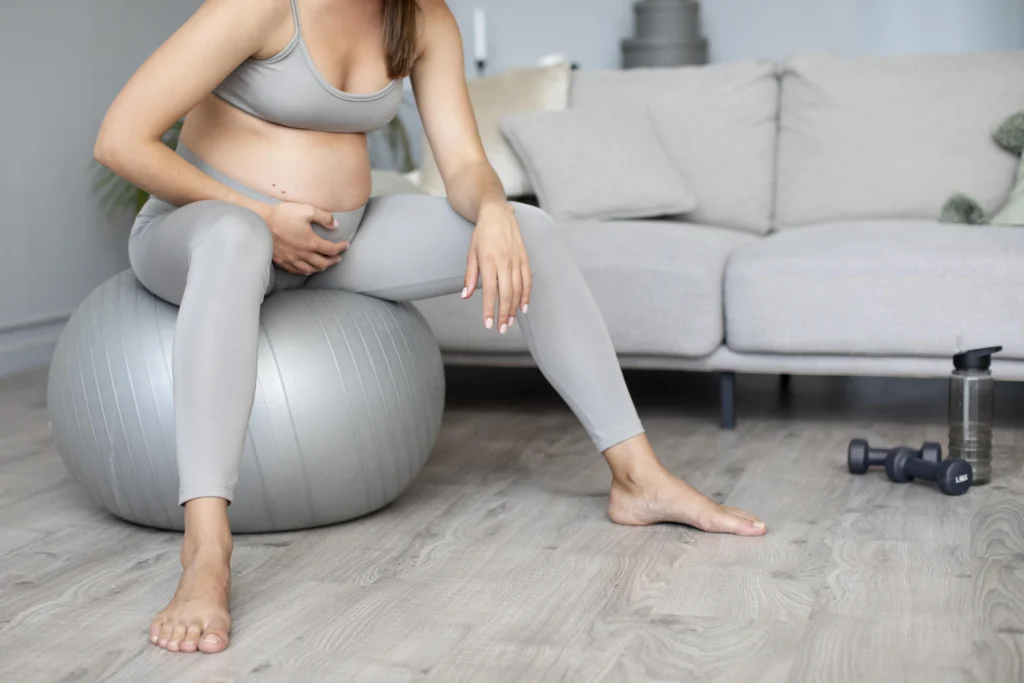
Mild swelling is usually normal if:
- It affects both feet similarly
- It gradually increases during the day
- It improves with elevation
- Blood pressure is normal
- There is no severe pain or redness
Physiological edema commonly appears after 28 weeks of pregnancy.
Warning Signs You Should Never Ignore
Contact your doctor immediately if swelling:
- Appears suddenly
- Is severe in the face or hands
- Happens with headache or blurred vision
- Comes with high blood pressure
- Is painful in one leg only
- Causes redness or warmth
- Comes with chest pain or breathlessness
These symptoms may indicate conditions like:
- Preeclampsia
- Deep vein thrombosis
- Serious circulation issues
A 2024 observational study also highlighted that significant edema in pregnancy sometimes requires closer medical monitoring, especially in high-risk pregnancies. (PubMed)
Why Your Rings, Socks, and Shoes Suddenly Feel “Too Tight” at Specific Times of Day
One fascinating thing many pregnant women notice is that swelling is not constant throughout the day.
Your feet may feel almost normal in the morning, but by evening, even sandals feel tight.
This happens because the body follows a natural fluid-shift rhythm called diurnal fluid redistribution.
During the day:
- Gravity continuously pulls fluid downward
- Standing and sitting increase pressure in leg veins
- The calf muscle pump gradually becomes less efficient with fatigue
- Warm temperatures expand blood vessels even more
By late evening, fluid accumulation in the feet and ankles can become significantly worse.
Interestingly, research shows that pregnant women may retain several extra liters of body fluid during late pregnancy, much more than most people realize. (NCBI)
A Lesser-Known Physiotherapy Trick: “Pre-Swelling Prevention”
Most women treat swelling after it becomes uncomfortable.
But physiotherapists often recommend something smarter:
Prevent the fluid from pooling in the first place.
This means:
- Wearing compression socks before swelling starts
- Doing ankle pumps in the morning
- Taking walking breaks early
- Elevating legs before heaviness appears
Once tissues are already overloaded with fluid, relief becomes slower.
Think of swelling like traffic:
Preventing the jam is easier than clearing it later.
The “Morning Shoe Test”
Some physiotherapists use a simple observation:
If your shoes fit comfortably in the morning but become tight by afternoon, circulation and fluid return are likely the main issue rather than inflammation alone.
This pattern is extremely common during healthy pregnancies.
However, if swelling is severe immediately upon waking, it may deserve closer medical evaluation.
Why Air Travel Can Dramatically Worsen Pregnancy Swelling
Cabin pressure, prolonged sitting, dehydration, and reduced movement all slow circulation.
Many pregnant women notice:
- Puffy feet after flights
- Tight calves
- Tingling toes
- Difficulty fitting into shoes after travel
A simple prevention routine during flights includes:
- Compression stockings
- Hourly ankle movements
- Short aisle walks
- Good hydration
- Avoiding crossing legs
This is one reason obstetric providers often encourage circulation exercises during long journeys.
Your Foot Size Can Permanently Change
Pregnancy hormones like relaxin loosen ligaments throughout the body, including the feet.
Combined with increased body weight and altered gait mechanics, this can flatten the arches over time.
Research suggests some women experience permanent increases in foot length or width after pregnancy. (nih.gov)
That means:
- Old shoes may suddenly feel uncomfortable
- Arch support becomes more important
- Foot fatigue may worsen without proper footwear
It is not “just swelling.”
Sometimes the foot structure itself temporarily or permanently changes.
Cooling the Soles May Calm the Nervous System Too
A lesser-known comfort strategy is cooling the soles of the feet.
Cold receptors in the feet influence the nervous system and may temporarily reduce sensations of heaviness and fatigue.
Many pregnant women report relief from:
- Cool foot baths
- Chilled gel foot rollers
- Cold towels under the feet
- Walking briefly on cool indoor surfaces
Just avoid extreme ice exposure for prolonged periods.
Tiny Movements Matter More Than Most People Think
One surprising fact from physiotherapy:
Even small repeated movements improve circulation better than staying completely still.
Simple habits like:
- Toe curls while sitting
- Heel raises while brushing teeth
- Marching legs gently during cooking
- Ankle circles during phone calls
can collectively reduce fluid stagnation throughout the day.
Your circulation system responds remarkably well to frequent low-level movement.
Best Physiotherapy Relief Tips for Swollen Feet During Pregnancy
Walking in Small Intervals Works Better Than Long Walks
Many pregnant women either stop walking completely or overdo it.
The sweet spot is short circulation-focused walks:
- 5-10 minutes
- Every 1-2 hours
- Comfortable pace
- Supportive footwear
Walking activates calf muscles and improves venous return.
Research on prenatal exercise training showed measurable improvements in lower limb mechanics and foot pressure during pregnancy. (MDPI)
Elevate Your Legs Correctly
Most people elevate their feet too low.
For proper drainage:
- Feet should be above heart level
- Knees slightly bent
- Support entire calf, not only heels
- Elevate for 15-20 minutes
Avoid sitting with feet hanging downward for long periods.
Wear Compression Socks Early in the Day
One of the most evidence-backed treatments for pregnancy swelling is compression therapy.
Recent studies found that light compression stockings improved edema, comfort, and circulation in pregnant women. (PubMed)
Best physiotherapy advice:
- Wear them before swelling begins in the morning
- Use pregnancy-safe graduated compression
- Remove before sleep unless advised otherwise
Many women wear them too late, after swelling is already severe.
Ankle Pump Exercises
Simple but extremely effective.
Try:
- Sit comfortably
- Pull toes upward
- Push toes downward
- Repeat 20-30 times
This acts like a circulation pump for the legs.
Do these:
- During work
- During flights
- While watching TV
- Before sleeping
Side Sleeping Helps Circulation
Sleeping flat on the back during later pregnancy can compress major blood vessels.
Left-side sleeping improves:
- Blood circulation
- Kidney function
- Fluid return from legs
Place:
- One pillow between knees
- One under ankles
- One supporting the belly
This small sleeping adjustment can noticeably reduce morning swelling.
Prenatal Aquatic Exercise Is Surprisingly Effective
Water pressure naturally compresses the legs and improves circulation.
A 2024 systematic review found that prenatal aquatic activities improve maternal physical outcomes and circulation-related discomfort. (Springer)
Pool walking is especially useful because:
- Water reduces gravitational pressure
- Joints feel lighter
- Swelling often decreases temporarily
Even 20 minutes helps.
Modified Buerger-Allen Exercises
These circulation exercises are commonly used in physiotherapy.
A randomized clinical trial found they significantly reduced lower limb edema during pregnancy. (PubMed)
Basic version:
- Elevate legs for 2-3 minutes
- Lower legs and gently move ankles
- Rest flat for 5 minutes
Repeat several times daily.
Lesser-Known Things That Worsen Pregnancy Swelling
Tight Socks and Elastic Bands
Even mild compression bands around the ankle can block lymphatic flow.
Avoid:
- Tight leggings
- Tight pajama cuffs
- Socks leaving deep marks
Sitting With Feet Tucked Under You
This quietly reduces circulation behind the knees.
Many women unknowingly worsen swelling by:
- Sitting cross-legged
- Folding feet under the chair
- Sitting on one foot
Too Much Sodium Without Enough Water
Ironically, dehydration can increase fluid retention.
Your body holds onto fluid more aggressively when water intake is inadequate.
Instead of drastically cutting salt:
- Focus on balanced hydration
- Reduce processed foods
- Increase potassium-rich foods
Hot Weather and Hot Surfaces
Heat dilates blood vessels and increases swelling.
During summer:
- Use cool foot rinses
- Avoid standing on hot floors
- Wear breathable footwear
Many women notice dramatic worsening during humid weather.
Foods That May Help Reduce Swelling
No food magically cures edema, but certain nutrients support circulation and fluid balance.
Helpful choices:
- Coconut water
- Bananas
- Watermelon
- Cucumbers
- Yogurt
- Pumpkin seeds
- Leafy greens
Potassium-rich foods help regulate fluid balance.
Things to Avoid If Your Feet Are Swollen
Avoid Standing Still for Long Periods
Standing motionless is worse than gentle walking.
If unavoidable:
- Shift weight frequently
- Perform heel raises
- Take sitting breaks
Avoid Completely Cutting Physical Activity
Unless medically advised, total inactivity can worsen fluid pooling.
Movement improves:
- Lymphatic drainage
- Venous return
- Muscle pump activity
Avoid Unsupportive Footwear
Pregnancy hormones loosen ligaments, which changes foot mechanics.
Research shows pregnancy can alter foot structure and gait patterns. (MDPI)
Avoid:
- Flat flimsy slippers
- Tight shoes
- High heels
Choose:
- Cushioned arch support
- Wide toe box
- Adjustable straps
Avoid Excessive Foot Massage Pressure
Gentle massage may help, but aggressive deep massage is not recommended during pregnancy unless performed by trained professionals.
Recent research suggests controlled massage therapies may reduce edema and discomfort, but safety matters. (Directory of Open Access Journals)
Physiotherapist-Recommended Daily Routine for Swollen Feet
Morning
- Wear compression socks before getting out of bed
- 5-minute ankle pumps
- Hydrate early
Afternoon
- Short walking breaks
- Foot elevation after lunch
- Avoid prolonged standing
Evening
- Warm-to-cool foot rinse
- Gentle calf stretches
- Side sleeping setup
Consistency matters more than intensity.
Can Swollen Feet Affect Labor or Delivery?
Usually no.
However:
- Severe edema may increase discomfort during labor
- Swelling can affect mobility
- Poor circulation may worsen leg fatigue
Some women experience even more swelling temporarily after delivery because the body shifts retained pregnancy fluid postpartum.
This surprises many mothers.
Does Swelling Mean You’re Having a Girl or Boy?
No scientific evidence supports this myth.
Swelling is related to:
- Circulation
- Hormones
- Genetics
- Activity levels
- Heat
- Fluid retention
Not fetal sex.
Is It Safe to Exercise With Swollen Feet?
In most uncomplicated pregnancies, yes.
Safe options often include:
- Walking
- Prenatal yoga
- Swimming
- Stationary cycling
- Gentle mobility work
Stop immediately if you experience:
- Dizziness
- Breathlessness
- Chest pain
- Vaginal bleeding
- Severe contractions
Always follow your obstetric provider’s recommendations.
The Emotional Side Nobody Talks About
Swollen feet during pregnancy are not just cosmetic.
Women often describe:
- Feeling physically heavy
- Reduced mobility
- Exhaustion
- Frustration with body changes
- Difficulty fitting into shoes
- Avoiding social events
Persistent discomfort affects mental fatigue more than people realize.
Sometimes even small improvements in swelling significantly improve mood, sleep, and daily functioning.
Final Word From a Physiotherapist
Pregnancy swelling is common, but severe discomfort should never simply be dismissed with “that’s normal.”
Your body is adapting to enormous circulatory, hormonal, and biomechanical changes.
Small daily habits: movement, elevation, compression, hydration, and posture, often make a bigger difference than dramatic remedies.
The biggest mistake I see is waiting until swelling becomes unbearable before taking action.
Start early.
Move often.
Support circulation consistently.
And remember: sudden swelling, severe asymmetry, headache, vision changes, or breathing difficulty always deserve medical attention immediately.
Frequently Asked Questions
1. Is swelling in the feet normal during pregnancy?
Yes. Mild swelling in the feet and ankles is very common during pregnancy, especially during the third trimester due to increased fluid retention and pressure on leg veins.
2. When should I worry about swollen feet during pregnancy?
Seek medical attention if swelling appears suddenly, affects only one leg, becomes painful, or occurs with headache, blurred vision, chest pain, or high blood pressure.
3. Do compression socks really help pregnancy swelling?
Yes. Graduated compression socks can improve circulation, reduce fluid buildup, and decrease heaviness in the legs when worn correctly.
4. How can I reduce swollen feet fast during pregnancy?
Elevating the legs above heart level, walking in short intervals, staying hydrated, doing ankle pump exercises, and avoiding prolonged standing can help reduce swelling.
5. Is walking good for swollen feet during pregnancy?
Yes. Gentle walking activates the calf muscles, improves blood circulation, and helps move excess fluid back toward the heart.
6. Why are my feet more swollen at night?
Gravity causes fluid to pool in the lower legs throughout the day, making swelling more noticeable in the evening.
7. Can dehydration make pregnancy swelling worse?
Surprisingly, yes. When the body is dehydrated, it may hold onto more fluid, which can worsen swelling.
8. Does sleeping position affect swollen feet?
Yes. Sleeping on the left side may improve circulation and help reduce swelling by decreasing pressure on major blood vessels.
9. Can swollen feet continue after delivery?
Yes. Many women experience temporary postpartum swelling as the body gradually removes excess pregnancy fluid over several days.
10. Can pregnancy permanently change foot size?
In some women, pregnancy hormones and changes in foot mechanics may slightly increase foot length or width permanently.
Stay tuned with us for more health related topics.
Follow us on LinkedIn and Instagram for more.
More Read


Medical Disclaimer!
This article has been reviewed and written under the guidance of our Head Physiotherapist, Dr. Kruti Raj (PT, MUHS,CPT,CMPT). The information shared is intended for educational purposes only and should not be considered a substitute for personalized medical advice, diagnosis, or treatment.
Please consult us or any other qualified healthcare professional before beginning any exercise program, especially if you are experiencing pain, recovering from injury, or managing a medical condition.


