Hydration during pregnancy plays an important role in supporting your changing body, maintaining energy, and helping your baby’s development.
You suddenly find yourself carrying a water bottle everywhere.
You wake up thirsty.
You feel thirsty again an hour later.
You drink more water than usual, yet your body still seems to want more.
If this sounds familiar, you are not imagining it.
Pregnancy changes the way your body uses and manages fluids.
In fact, one of the most important but often overlooked aspects of a healthy pregnancy is staying hydrated.
Most women know they should drink water during pregnancy.
What many do not realize is that hydration affects nearly every major system in the body.
It influences blood volume, circulation, amniotic fluid, body temperature, digestion, energy levels, muscle function, and even how effectively nutrients reach your baby.
Quick Answer
Hydration matters more during pregnancy because your body needs extra fluids to support increased blood volume, placental function, amniotic fluid, nutrient transport, temperature regulation, and your baby’s growth. Even mild dehydration can worsen fatigue, headaches, dizziness, constipation, and muscle cramps. Staying well-hydrated is one of the simplest ways to support a healthier and more comfortable pregnancy.
As a women’s health physiotherapist,
I often see women focus heavily on nutrition, exercise, and supplements while overlooking hydration.
Yet something as simple as drinking enough water can significantly affect how a woman feels throughout pregnancy.
Understanding why hydration becomes more important during pregnancy can help you recognize your body’s needs and support both your own health and your baby’s development.
Key Takeaways
- Pregnancy significantly increases the body’s fluid requirements.
- Blood volume may increase by approximately 40% to 50% during pregnancy.
- Hydration supports oxygen and nutrient delivery to the baby.
- The placenta depends on healthy circulation and adequate fluid balance.
- Water contributes to maintaining healthy amniotic fluid levels.
- Dehydration can worsen headaches, dizziness, fatigue, and weakness.
- Proper hydration may help reduce constipation during pregnancy.
- Muscles function more efficiently when hydration levels are adequate.
- Dehydration may increase the likelihood of Braxton Hicks contractions.
- Consistent daily hydration supports both maternal and fetal wellbeing.
Why Pregnancy Changes Your Fluid Needs
Your body needs more water during pregnancy because it is doing considerably more work.
You are not simply maintaining your own body anymore.
You are supporting:
- A growing baby
- A developing placenta
- Increased blood volume
- Expanding tissues
- Greater metabolic activity
All of these processes require fluid.
Pregnancy Is A High-Demand State
Think of pregnancy as a major construction project.
Building materials need to be transported.
Waste products need to be removed.
New structures need to be developed.
Water plays a role in every one of these tasks.
This is why fluid needs increase even before your baby bump becomes obvious.
Why Thirst Often Increases
Many women notice increased thirst during pregnancy.
This is not a coincidence.
It is one of the body’s natural ways of encouraging adequate hydration during a period of increased demand.
The Blood Volume Connection
One of the biggest reasons hydration becomes so important is because blood volume increases dramatically during pregnancy.
Your Body Produces More Blood
Maternal blood volume may increase by approximately 40% to 50% during pregnancy.
That means your body must create and maintain a much larger fluid-filled circulation system. (Song et al. 2024)
Why More Blood Is Needed
Additional blood helps:
- Deliver oxygen to the baby
- Transport nutrients
- Support placental function
- Prepare the body for childbirth
Water Helps Make This Possible
Blood is largely composed of water.
Without adequate hydration, maintaining optimal circulation becomes more challenging.
This is one reason dehydration may contribute to dizziness and fatigue during pregnancy.
Hydration And The Placenta
The placenta is one of the most remarkable organs created during pregnancy.
It functions as the connection between mother and baby.
What The Placenta Does
The placenta:
- Delivers oxygen
- Transfers nutrients
- Removes waste products
- Produces important hormones
To perform these functions effectively, it requires a healthy blood supply.
Why Hydration Supports Placental Function
Adequate fluid intake helps maintain circulation throughout the body.
Healthy circulation supports efficient delivery of nutrients and oxygen to the placenta.
While hydration is only one piece of the puzzle, it is an important one.
How Water Supports Your Baby
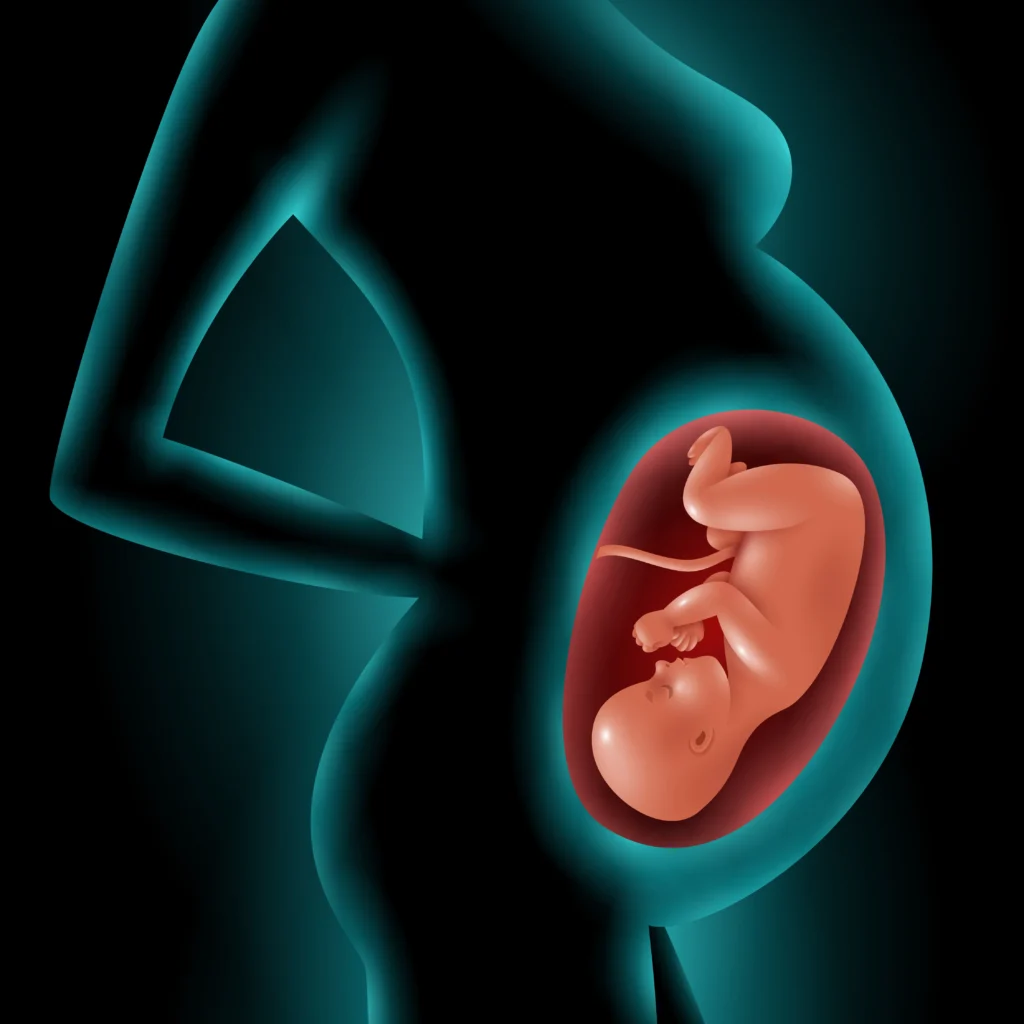
Your baby depends entirely on you for hydration.
Every drop of fluid your baby receives comes through maternal circulation.
Nutrient Transportation
Water helps transport:
- Glucose
- Amino acids
- Vitamins
- Minerals
from mother to baby.
Without efficient circulation, nutrient delivery becomes less effective.
Supporting Growth
As your baby grows, the demand for nutrients and oxygen increases.
This creates an ongoing need for effective blood flow and fluid balance.
Hydration helps support those processes.
The Link Between Hydration And Amniotic Fluid
Many pregnant women are surprised to learn that hydration may influence amniotic fluid levels.
What Is Amniotic Fluid?
Amniotic fluid surrounds the baby throughout pregnancy.
It helps:
- Protect the baby
- Support movement
- Assist development
- Cushion against external pressure
Why Fluid Balance Matters
Amniotic fluid levels are influenced by multiple factors.
Research suggests maternal hydration can affect amniotic fluid volume in some situations. (Hofmeyr et al. 2002)
Why This Matters
Healthy amniotic fluid levels help create a supportive environment for fetal growth and development.
Hydration is one simple way women can support normal fluid balance.
Did You Know?
By the third trimester, a pregnant woman’s body may contain several extra liters of fluid compared to before pregnancy. This additional fluid helps support blood circulation, amniotic fluid, placental function, and the growing baby’s needs.
Why Dehydration Causes Headaches And Dizziness
Headaches and dizziness are common pregnancy complaints.
Sometimes dehydration plays a role.
Reduced Circulatory Efficiency
When fluid intake is inadequate, blood volume may be affected.
This can contribute to:
- Lightheadedness
- Weakness
- Headaches
- Feeling faint
Pregnancy Already Challenges Circulation
Pregnancy causes significant cardiovascular adaptations.
Adding dehydration to those changes may make symptoms more noticeable.
A Common Physiotherapy Observation
Many women report improved energy and fewer headaches after increasing daily fluid intake.
While hydration is not the cause of every headache, it is often worth considering.
Hydration And Pregnancy Fatigue
Pregnancy itself is tiring.
Dehydration can make that fatigue feel even worse.
Why Energy Levels Matter
Every cell in the body relies on water.
When hydration levels drop, physical performance often declines.
Signs Often Overlap
Dehydration and pregnancy fatigue can share symptoms such as:
- Tiredness
- Reduced concentration
- Low energy
- Dizziness
This overlap makes dehydration easy to miss.
Sometimes The Solution Is Simple
Not every episode of fatigue is caused by dehydration.
However, many women underestimate how much water they actually need.
How Water Helps Prevent Constipation
Constipation is one of the most common digestive complaints during pregnancy. (Cleveland Clinic)
Why Constipation Increases
Several factors contribute:
- Hormonal changes
- Reduced intestinal movement
- Iron supplementation
- Pressure from the growing uterus
The Role Of Hydration
Water helps keep stool softer and easier to pass.
Without adequate hydration, constipation often becomes more severe.
A Practical Benefit
Many women focus on increasing fiber intake.
Fiber is important, but it works best when combined with adequate fluid intake.
Hydration And Muscle Function
As a physiotherapist, this is one area I discuss frequently.
Muscles Depend On Fluid Balance
Water helps support:
- Muscle contractions
- Tissue function
- Physical performance
When hydration levels decrease, muscles may become less efficient.
Why Leg Cramps May Feel Worse
Pregnancy-related leg cramps have multiple causes.
Although hydration is not the only factor, inadequate fluid intake may contribute.
Exercise Feels Harder
Women who are dehydrated often notice:
- Reduced endurance
- Increased fatigue
- Greater perceived effort
This can make exercise feel more difficult than it actually is.
Can Dehydration Trigger Braxton Hicks Contractions?
One of the lesser-known effects of dehydration involves Braxton Hicks contractions.
What Are Braxton Hicks Contractions?
Braxton Hicks contractions are sometimes called “practice contractions.”
They prepare the uterus for labor but do not cause cervical dilation.
The Hydration Connection
Dehydration may increase uterine irritability.
Some women notice more Braxton Hicks contractions when they have not been drinking enough fluids. (Cleveland Clinic)
What To Do
If Braxton Hicks contractions occur, resting and drinking water may sometimes help reduce their frequency.
However, persistent contractions should always be discussed with a healthcare provider.
Why Pregnant Women Often Feel Hotter
Many women notice they feel warmer during pregnancy.
Increased Metabolism
Pregnancy increases metabolic activity.
This naturally produces more heat.
More Blood Circulation
The body is moving more blood through the circulation system.
This can contribute to feelings of warmth.
Why Hydration Helps
Water plays a major role in temperature regulation.
Adequate hydration helps the body manage heat more effectively.
This becomes especially important during hot weather or physical activity.
A Physiotherapist’s Perspective On Staying Hydrated
One of the simplest ways to support your body during pregnancy is to stay consistently hydrated.
Don’t Wait Until You Feel Extremely Thirsty
Thirst is helpful, but it may not always be the earliest sign of dehydration.
Build Hydration Into Your Routine
Consider:
- Drinking water with meals
- Carrying a reusable bottle
- Drinking before and after exercise
- Increasing fluids during hot weather
Pair Hydration With Movement
Physical activity increases fluid needs.
Women who remain active during pregnancy should pay extra attention to hydration.
Small Habits Add Up
Hydration does not need to be complicated.
Consistent daily habits are often more effective than drinking large amounts at once.
Signs You May Not Be Drinking Enough Water
The body often provides clues when hydration is insufficient.
Possible signs include:
- Dark urine
- Headaches
- Dizziness
- Dry mouth
- Fatigue
- Increased thirst
- Reduced energy
These symptoms can have multiple causes, but dehydration should always be considered.
Physiotherapist’s Hydration Tip
If you struggle to remember to drink water, keep a reusable water bottle within sight throughout the day. Small, frequent sips are often easier to maintain than trying to drink large amounts at once, especially if nausea or heartburn is present.
When To Seek Medical Advice
Occasional dehydration can happen to anyone.
However, medical advice is important if you experience:
- Persistent vomiting
- Inability to keep fluids down
- Severe dizziness
- Signs of significant dehydration
- Reduced fetal movement
- Concerning symptoms of any kind
Prompt evaluation can help prevent complications.
Final Thoughts
Water may not receive as much attention as prenatal vitamins, nutrition plans, or exercise programs,
but it is one of the most important tools available during pregnancy.
Every day, your body is :
expanding blood volume, supporting the placenta, nourishing your baby, regulating temperature, and adapting to enormous physical demands.
None of these processes happen efficiently without adequate hydration.
As a physiotherapist, I often remind women that staying hydrated is one of the simplest forms of self-care during pregnancy.
It supports comfort, circulation, energy, digestion, physical performance, and overall wellbeing.
Sometimes the smallest habits create the biggest impact.
And something as simple as reaching for your water bottle can help support both you and your growing baby throughout the incredible journey of pregnancy.
Frequently Asked Questions About Hydration During Pregnancy
Why is hydration more important during pregnancy?
Pregnancy increases blood volume, placental demands, amniotic fluid requirements, and overall metabolic activity, all of which require additional fluids.
How much water should I drink during pregnancy?
Fluid needs vary between individuals, but pregnant women generally require more water than before pregnancy. Your healthcare provider can offer personalized recommendations.
Can dehydration affect my baby?
Severe dehydration can affect maternal circulation and fluid balance, which is why maintaining adequate hydration is important throughout pregnancy.
Can dehydration cause headaches during pregnancy?
Yes. Dehydration is a common trigger for headaches, dizziness, and feelings of weakness during pregnancy.
Does drinking water increase amniotic fluid?
Maternal hydration may influence amniotic fluid levels in certain situations and supports overall fluid balance during pregnancy.
Can dehydration cause Braxton Hicks contractions?
Yes. Dehydration may increase uterine irritability, which can sometimes trigger or worsen Braxton Hicks contractions.
What are signs of dehydration during pregnancy?
Common signs include dark urine, dry mouth, headaches, dizziness, fatigue, and increased thirst.
Can hydration help reduce constipation?
Yes. Adequate fluid intake helps keep stools softer and supports healthy digestive function.
Stay tuned with us for more health related topics.
Follow us on LinkedIn and Instagram for more.
More Read






Medical Disclaimer!
This article has been reviewed and written under the guidance of our Head Physiotherapist, Dr. Kruti Raj (PT, MUHS,CPT,CMPT). The information shared is intended for educational purposes only and should not be considered a substitute for personalized medical advice, diagnosis, or treatment.
Please consult us or any other qualified healthcare professional before beginning any exercise program, especially if you are experiencing pain, recovering from injury, or managing a medical condition.