


Many women use the terms PCOS (Polycystic Ovary Syndrome) and PCOD (Polycystic Ovarian Disease) interchangeably, assuming they describe the same condition.
Although both involve the ovaries and can lead to irregular menstrual cycles, hormonal imbalances, and fertility concerns, they are not the same.
Quick Answer
PCOS (Polycystic Ovary Syndrome) and PCOD (Polycystic Ovarian Disease) are related but not the same condition. PCOD primarily affects the ovaries and often improves with healthy lifestyle changes, while PCOS is a complex hormonal and metabolic disorder that may require long-term medical management. Although both conditions can cause irregular periods, acne, weight gain, and fertility challenges, PCOS carries a higher risk of insulin resistance, type 2 diabetes, cardiovascular disease, and pregnancy complications.
PCOD is generally considered a condition in which the ovaries produce immature or partially mature eggs that accumulate as cysts, often due to hormonal imbalance and lifestyle factors.
PCOS, on the other hand, is a complex endocrine and metabolic disorder characterized by hormonal dysfunction, excess androgen production, and ovulation problems.
It is associated with long-term health risks such as insulin resistance, type 2 diabetes, cardiovascular disease, and endometrial abnormalities if left unmanaged.
Understanding the difference between PCOS and PCOD is important because the diagnosis, treatment approach, and long-term health implications can vary significantly.
While many women with PCOD experience symptom improvement through lifestyle modifications, women with PCOS often require long-term medical management alongside healthy lifestyle practices.
This article explains the differences between PCOS and PCOD, their causes, symptoms, diagnosis, treatment options, and how physiotherapy and lifestyle interventions can support better hormonal and reproductive health.
Key Takeaways
- PCOD and PCOS are different conditions despite having similar symptoms.
- PCOD mainly affects ovarian function, whereas PCOS is a hormonal and metabolic disorder.
- Women with PCOS have a higher risk of insulin resistance, type 2 diabetes, and cardiovascular disease.
- Lifestyle changes are the cornerstone of treatment for both conditions.
- Early diagnosis can improve fertility outcomes and reduce long-term health risks.
- Regular exercise, healthy eating, stress management, and medical follow-up play an important role in symptom control.
What is PCOD?
Polycystic Ovarian Disease (PCOD) is a condition in which the ovaries produce multiple immature or partially mature follicles that fail to develop and release a mature egg during ovulation.
Over time, these immature follicles may accumulate around the ovaries, giving them a characteristic “polycystic” appearance on ultrasound.
PCOD is primarily associated with hormonal imbalance, particularly involving estrogen, progesterone, luteinizing hormone (LH), and androgens.
This imbalance disrupts the normal ovulation cycle, resulting in irregular or infrequent menstrual periods.
Unlike PCOS, PCOD is generally not considered a systemic endocrine disorder.
In many women, symptoms improve significantly with regular physical activity, weight management, stress reduction, and a balanced diet.
However, untreated PCOD can still affect fertility and menstrual health.
Common symptoms of PCOD include:
- Irregular or delayed menstrual periods
- Mild weight gain
- Acne and oily skin
- Hair thinning
- Difficulty losing weight
- Occasional pelvic discomfort
- Fertility challenges due to irregular ovulation
The exact prevalence of PCOD is difficult to determine because the term is not universally recognized as a formal medical diagnosis in international clinical guidelines.
However, polycystic ovarian morphology is commonly detected during pelvic ultrasound in women with menstrual irregularities, and not all women with polycystic ovaries have PCOS. (Balen et al. 1995)
What is PCOS?
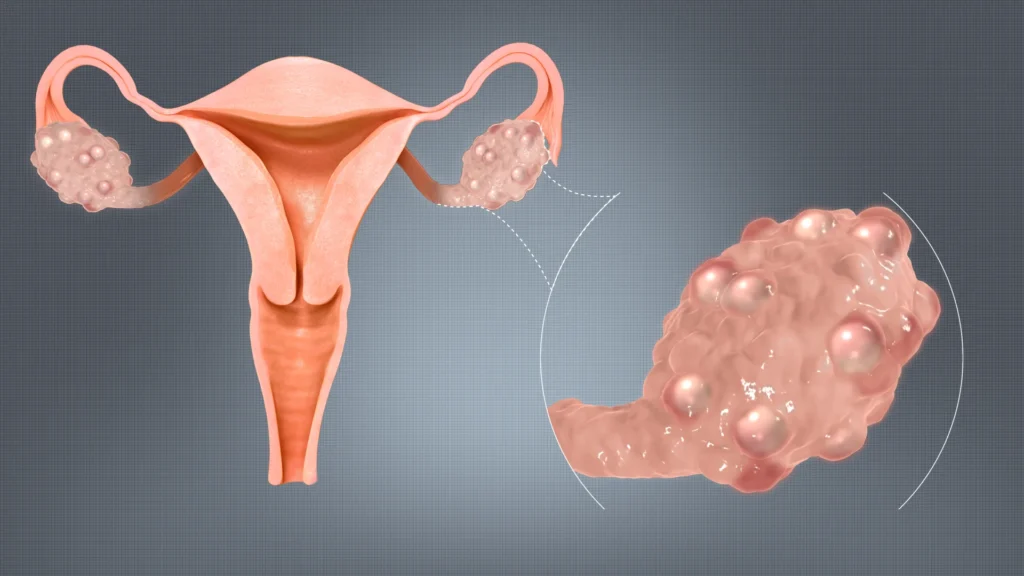
Polycystic Ovary Syndrome (PCOS) is one of the most common hormonal disorders affecting women of reproductive age.
Unlike PCOD, PCOS is recognized worldwide as a chronic endocrine disorder that affects multiple body systems, including the reproductive, metabolic, and cardiovascular systems.
Women with PCOS often produce higher-than-normal levels of androgens (male hormones), which interfere with the normal growth and release of eggs from the ovaries.
As a result, ovulation may occur infrequently or stop altogether, leading to irregular periods and difficulty conceiving.
In addition to reproductive symptoms, many women with PCOS develop insulin resistance, a condition in which the body’s cells respond poorly to insulin.
This increases the risk of weight gain, prediabetes, type 2 diabetes, and metabolic syndrome.
Because PCOS affects hormone regulation throughout the body, it is considered a lifelong condition that requires ongoing management rather than a disease that can simply be cured.
Common symptoms of PCOS include:
- Irregular or absent menstrual periods
- Excess facial or body hair (hirsutism)
- Persistent acne
- Hair thinning or scalp hair loss
- Weight gain or difficulty losing weight
- Darkened skin folds (acanthosis nigricans)
- Difficulty becoming pregnant
- Multiple ovarian follicles visible on ultrasound
According to international estimates, PCOS affects approximately 8% to 13% of women of reproductive age, although many cases remain undiagnosed because symptoms vary widely between individuals. (World Health Organization)
PCOS vs PCOD: Key Differences at a Glance
| Feature | PCOD | PCOS |
|---|---|---|
| Full Form | Polycystic Ovarian Disease | Polycystic Ovary Syndrome |
| Nature of Condition | Ovarian disorder | Endocrine and metabolic disorder |
| Primary Cause | Hormonal imbalance and lifestyle factors | Complex hormonal, genetic, and metabolic dysfunction |
| Ovulation | Irregular but often continues | Frequently absent or severely disrupted |
| Androgen Levels | May be mildly elevated | Often significantly elevated |
| Insulin Resistance | Less common | Very common |
| Fertility | Usually improves with treatment | May require fertility management |
| Long-Term Health Risks | Comparatively lower | Increased risk of diabetes, metabolic syndrome, cardiovascular disease, and endometrial complications |
| Management | Lifestyle changes with medical support if needed | Long-term lifestyle modification and medical management |
| Prognosis | Often reversible with healthy lifestyle habits | Chronic condition requiring ongoing monitoring |
Although PCOD and PCOS share several symptoms, their underlying mechanisms and long-term health implications are different.
Recognizing these differences helps women receive timely diagnosis, appropriate treatment, and personalized care to improve reproductive health and overall well-being.
PCOS vs PCOD: Causes
Although PCOS and PCOD share some symptoms, the underlying causes differ in complexity.
PCOD is generally associated with hormonal imbalance influenced by lifestyle factors such as poor dietary habits, physical inactivity, chronic stress, and weight gain.
These factors may interfere with normal follicular development, preventing the release of mature eggs during ovulation.
PCOS, however, is a multifactorial endocrine disorder influenced by a combination of genetic predisposition, hormonal dysregulation, insulin resistance, and chronic low-grade inflammation.
Elevated androgen levels disrupt normal ovulation, while insulin resistance stimulates excessive insulin production, which further increases androgen secretion and worsens hormonal imbalance.
This creates a cycle that affects reproductive, metabolic, and cardiovascular health.
Common factors associated with PCOS and PCOD include:
- Family history of hormonal disorders
- Sedentary lifestyle
- Obesity or excess body fat
- Insulin resistance
- Chronic stress
- Unhealthy dietary habits
- Hormonal imbalance
While lifestyle plays an important role in both conditions,
PCOS typically requires long-term management because it affects multiple endocrine pathways rather than the ovaries alone. (Rotterdam ESHRE/ASRM-Sponsored PCOS Consensus Workshop Group, 2004)
PCOS vs PCOD: Symptoms Comparison
The symptoms of PCOD and PCOS often overlap, making diagnosis challenging without a thorough clinical evaluation.
However, women with PCOS generally experience more pronounced hormonal and metabolic symptoms.
| Symptom | PCOD | PCOS |
|---|---|---|
| Irregular periods | Common | Very common |
| Absent ovulation | Occasional | Common |
| Acne | Mild to moderate | Moderate to severe |
| Excess facial/body hair | Less common | Common |
| Hair thinning | Mild | Common |
| Weight gain | May occur | Frequently associated |
| Difficulty losing weight | Sometimes | Common |
| Pelvic discomfort | May occur | Less common |
| Difficulty conceiving | Possible | More frequent |
| Dark skin patches (Acanthosis Nigricans) | Rare | More common due to insulin resistance |
It is important to remember that not every woman experiences all symptoms.
Some women may have normal body weight and still develop PCOS, while others may have polycystic ovaries on ultrasound without having PCOS.
How Are PCOS and PCOD Diagnosed?
There is no single test that confirms either PCOS or PCOD.
Diagnosis is based on a combination of symptoms, clinical examination, imaging, and laboratory investigations.
A healthcare provider may recommend:
Medical History
The doctor evaluates:
- Menstrual cycle pattern
- Weight changes
- Fertility history
- Family history
- Acne or excessive hair growth
- Previous hormonal disorders
Physical Examination
This may include assessment of:
- Body Mass Index (BMI)
- Waist circumference
- Blood pressure
- Acne severity
- Hair growth pattern
- Hair thinning
- Skin changes suggestive of insulin resistance
Pelvic Ultrasound
Ultrasound helps identify:
- Multiple immature follicles
- Ovarian size
- Ovarian morphology
- Other pelvic abnormalities
Finding multiple follicles alone does not confirm PCOS, as polycystic ovaries can also be seen in healthy women.
Blood Tests
Hormonal investigations may include:
- Testosterone
- LH and FSH
- Prolactin
- Thyroid hormones
- Anti-Müllerian Hormone (AMH) (when indicated)
Metabolic evaluation may include:
- Fasting blood glucose
- HbA1c
- Lipid profile
- Insulin levels
For PCOS, many clinicians use the Rotterdam Criteria, which require at least two of the following three features after excluding other possible causes:
- Irregular or absent ovulation
- Clinical or biochemical evidence of excess androgens
- Polycystic ovarian morphology on ultrasound
Fertility and Pregnancy
Both PCOD and PCOS can affect fertility, but they do so differently.
Women with PCOD often continue to ovulate, although ovulation may be delayed or irregular.
As a result, pregnancy may simply take longer to achieve.
Many women with PCOD conceive naturally after improving their lifestyle through regular exercise, healthy nutrition, stress management, and weight optimization.
Women with PCOS are more likely to experience chronic anovulation, where eggs are released infrequently or not at all.
This reduces the chances of natural conception and may require fertility treatments such as ovulation-inducing medications or assisted reproductive techniques.
During pregnancy, women with PCOS also have a higher likelihood of developing complications such as:
- Gestational diabetes
- Pregnancy-induced hypertension
- Preeclampsia
- Preterm birth
Early diagnosis and appropriate management before conception can improve pregnancy outcomes in both conditions.
Long-Term Health Risks
The long-term implications of PCOD and PCOS are different because PCOS affects several body systems beyond the ovaries.
PCOD
Most women with PCOD can successfully manage their symptoms through lifestyle modifications.
However, untreated PCOD may contribute to:
- Persistent irregular menstrual cycles
- Difficulty conceiving
- Weight gain
- Reduced quality of life due to hormonal symptoms
PCOS
PCOS requires ongoing monitoring because it is associated with several long-term health risks, including:
- Type 2 diabetes
- Metabolic syndrome
- High blood pressure
- Elevated cholesterol
- Cardiovascular disease
- Obstructive sleep apnea
- Non-alcoholic fatty liver disease
- Endometrial hyperplasia and, in some cases, endometrial cancer due to prolonged irregular menstruation
Regular medical follow-up, healthy lifestyle habits, and timely treatment can significantly reduce these risks and improve overall health. (Shroff et al. 2007)
Treatment Options for PCOD and PCOS
Although PCOD and PCOS share similar symptoms, their treatment approaches differ based on the severity of hormonal imbalance, metabolic involvement, age, fertility goals, and overall health.
The primary objective of treatment is to restore hormonal balance, regulate menstrual cycles, improve ovulation, reduce symptoms, and lower the risk of long-term complications.
Treatment for PCOD
Most women with PCOD respond well to conservative treatment, particularly lifestyle modifications.
Since lifestyle factors often play a significant role in PCOD, adopting healthier habits can improve ovarian function and restore regular ovulation.
Treatment may include:
- Maintaining a healthy body weight
- Following a balanced, nutrient-rich diet
- Regular physical activity
- Stress management techniques
- Adequate sleep
- Medications to regulate menstrual cycles, if necessary
- Ovulation-inducing medications for women planning pregnancy
Even a modest reduction in body weight can improve menstrual regularity and increase the chances of natural ovulation in overweight women.
Treatment for PCOS
PCOS usually requires long-term management because it is a chronic endocrine disorder.
Treatment is individualized depending on symptoms and reproductive goals.
Management may include:
- Lifestyle modification
- Weight management
- Hormonal therapy to regulate menstrual cycles
- Medications to improve insulin sensitivity
- Treatment for acne and excessive hair growth
- Fertility medications when pregnancy is desired
- Regular monitoring of blood sugar, cholesterol, and blood pressure
Women with PCOS should also undergo periodic evaluation for metabolic disorders because insulin resistance significantly increases the risk of developing type 2 diabetes and cardiovascular disease.
Can Physiotherapy Help in PCOD and PCOS?
Physiotherapy is becoming an increasingly valuable part of the multidisciplinary management of PCOD and PCOS.
While it does not directly correct hormonal imbalances, it helps address many contributing factors, including obesity, insulin resistance, reduced physical activity, chronic stress, and poor cardiovascular fitness.
A physiotherapist can develop an individualized exercise program that suits a woman’s age, fitness level, symptoms, and health goals.
Physiotherapy interventions may include:
Aerobic Exercise
Activities such as brisk walking, cycling, swimming, or jogging help improve cardiovascular health, enhance insulin sensitivity, and support healthy weight management.
Strength Training
Resistance exercises increase lean muscle mass, which improves glucose metabolism and enhances insulin utilization by the body’s tissues.
Flexibility and Mobility Exercises
Stretching routines improve joint mobility, posture, and overall physical function while reducing muscular stiffness associated with a sedentary lifestyle.
Pelvic Floor Rehabilitation
Women with chronic pelvic discomfort, urinary symptoms, or pregnancy-related concerns may benefit from pelvic floor muscle assessment and pelvic floor rehabilitation under the guidance of a trained physiotherapist.
Stress Management
Stress contributes to hormonal imbalance by increasing cortisol levels.
Physiotherapists may recommend:
- Breathing exercises
- Relaxation techniques
- Mindfulness-based movement
- Yoga-inspired stretching
- Guided physical activity programs
Regular exercise has been shown to improve menstrual regularity, insulin sensitivity, and quality of life in women with PCOS (Khademi et al. 2010).
Myth vs Fact
| Myth | Fact |
|---|---|
| PCOD and PCOS are the same condition. | They are different. PCOD mainly affects the ovaries, whereas PCOS is a hormonal syndrome affecting multiple body systems. |
| Only overweight women develop PCOS. | Women with a normal BMI can also develop PCOS. |
| Women with PCOS cannot get pregnant. | Many women with PCOS conceive naturally or with appropriate fertility treatment. |
| Birth control pills cure PCOS. | They help manage symptoms but do not cure the underlying hormonal imbalance. |
| Exercise alone can cure PCOS or PCOD. | Exercise is an essential part of treatment but works best alongside healthy nutrition and medical care. |
| Having ovarian cysts means you definitely have PCOS. | Not necessarily. Many healthy women have polycystic ovaries without meeting the diagnostic criteria for PCOS. |
Lesser-Known Fact
Many people believe that ovarian cysts are the primary problem in both PCOS and PCOD.
In reality, the “cysts” seen on ultrasound are usually immature ovarian follicles, not true pathological cysts.
These follicles develop because ovulation does not occur normally, causing them to accumulate around the ovary.
Understanding this distinction helps reduce unnecessary anxiety and improves awareness about these conditions (Bhosale et al. 2025).
When Should You See a Doctor?
Seek medical advice if you experience:
- No menstrual periods for more than three consecutive months
- Very heavy or prolonged menstrual bleeding
- Difficulty becoming pregnant after trying to conceive
- Rapid or unexplained weight gain
- Excessive facial or body hair growth
- Persistent acne that does not improve with treatment
- Hair thinning or noticeable scalp hair loss
- Dark, velvety skin patches around the neck or underarms
- Symptoms suggestive of diabetes, such as excessive thirst, frequent urination, or unexplained fatigue
- Persistent pelvic pain or severe menstrual discomfort
Early diagnosis and timely intervention can help prevent complications and improve reproductive, metabolic, and emotional health.
Final Thoughts
Although PCOD and PCOS are often used interchangeably, they are different conditions that require different approaches to diagnosis and management. PCOD primarily affects ovarian function and often improves with healthy lifestyle modifications, whereas PCOS is a complex hormonal and metabolic disorder that may require long-term medical care.
The good news is that early diagnosis, regular physical activity, balanced nutrition, stress management, and appropriate medical guidance can significantly improve symptoms, restore reproductive health, and reduce the risk of long-term complications. Understanding your body and seeking timely medical advice are the first steps toward better hormonal health and overall well-being.
Conclusion
Although PCOD and PCOS are often confused, they are distinct conditions with different causes, health implications, and management strategies.
PCOD is generally associated with ovarian dysfunction and often responds well to lifestyle modifications.
In contrast, PCOS is a complex endocrine and metabolic disorder that requires long-term management to reduce the risk of infertility, diabetes, cardiovascular disease, and other complications.
The encouraging news is that both conditions can be effectively managed with early diagnosis, a healthy lifestyle, regular physical activity, appropriate medical care, and ongoing follow-up.
For women planning pregnancy or struggling with persistent symptoms, seeking timely medical advice can significantly improve outcomes and overall quality of life.
1. Is PCOD the same as PCOS?
No. PCOD primarily affects ovarian function, whereas PCOS is a hormonal and metabolic syndrome that affects multiple body systems.
2. Which is more serious, PCOD or PCOS?
PCOS is generally considered more serious because it increases the risk of insulin resistance, type 2 diabetes, cardiovascular disease, and fertility problems if left untreated.
3. Can PCOD turn into PCOS?
PCOD does not directly become PCOS. However, untreated hormonal imbalance and unhealthy lifestyle habits may worsen symptoms, making medical evaluation essential.
4. Can I get pregnant if I have PCOD?
Yes. Many women with PCOD conceive naturally, especially after improving their lifestyle and restoring regular ovulation.
5. Is PCOS a lifelong condition?
Yes. PCOS is considered a chronic condition, but its symptoms can be effectively managed with healthy lifestyle habits and appropriate medical treatment.
6. Does exercise help with PCOS?
Yes. Regular aerobic and strength-training exercises improve insulin sensitivity, support weight management, regulate menstrual cycles, and improve overall health.
7. Can thin women develop PCOS?
Yes. Women with a normal body weight can also develop PCOS because genetics and hormonal factors play an important role.
8. Is ultrasound enough to diagnose PCOS?
No. PCOS diagnosis requires a combination of medical history, symptoms, physical examination, blood tests, and ultrasound findings.
9. What foods are good for PCOS and PCOD?
A balanced diet rich in whole grains, lean protein, fruits, vegetables, healthy fats, and high-fiber foods can help support hormonal balance and metabolic health.
10. Can physiotherapy cure PCOS or PCOD?
No. Physiotherapy cannot cure these conditions but plays an important role in improving fitness, weight management, insulin sensitivity, stress levels, and overall quality of life.
Stay tuned with us for more health related topics.
Follow us on LinkedIn and Instagram for more.
More Read


Medical Disclaimer!
This article has been reviewed and written under the guidance of our Head Physiotherapist, Dr. Kruti Raj (PT, MUHS,CPT,CMPT). The information shared is intended for educational purposes only and should not be considered a substitute for personalized medical advice, diagnosis, or treatment.
Please consult us or any other qualified healthcare professional before beginning any exercise program, especially if you are experiencing pain, recovering from injury, or managing a medical condition.


