


Ovarian cysts treatment isn’t the same for everyone.
Ovarian cysts are fluid-filled sacs that develop on or inside the ovaries.
They are a common gynecological condition and affect women of all ages, particularly during their reproductive years.
In many cases, ovarian cysts are harmless, cause no symptoms, and resolve on their own without treatment.
Quick Answer
Ovarian cysts are fluid-filled sacs that develop on or inside the ovaries. Most ovarian cysts are harmless, cause no symptoms, and disappear naturally without treatment. However, larger or complex cysts can cause pelvic pain, menstrual irregularities, fertility concerns, or complications such as rupture or ovarian torsion, making timely medical evaluation important.
However, some ovarian cysts can become large, rupture, or twist the ovary, leading to pelvic pain, menstrual irregularities, or fertility concerns.
While most ovarian cysts are benign (non-cancerous), some may require medical evaluation and treatment depending on their size, type, and associated symptoms.
Understanding the different types of ovarian cysts, their causes, symptoms, and treatment options can help women recognize when medical attention is needed and make informed decisions about their reproductive health. (Kaijser et al., 2014)
Key Takeaways
- Ovarian cysts are common and are often harmless.
- Most functional cysts disappear naturally within a few menstrual cycles.
- Symptoms may include pelvic pain, bloating, menstrual changes, and discomfort during intercourse.
- Ultrasound is the primary investigation used to diagnose ovarian cysts.
- Large or complex cysts may require surgery to prevent complications.
- Sudden severe pelvic pain may indicate ovarian torsion or cyst rupture and requires emergency medical attention.
- Regular gynecological follow-up helps ensure early diagnosis and appropriate treatment.
What Are Ovarian Cysts?
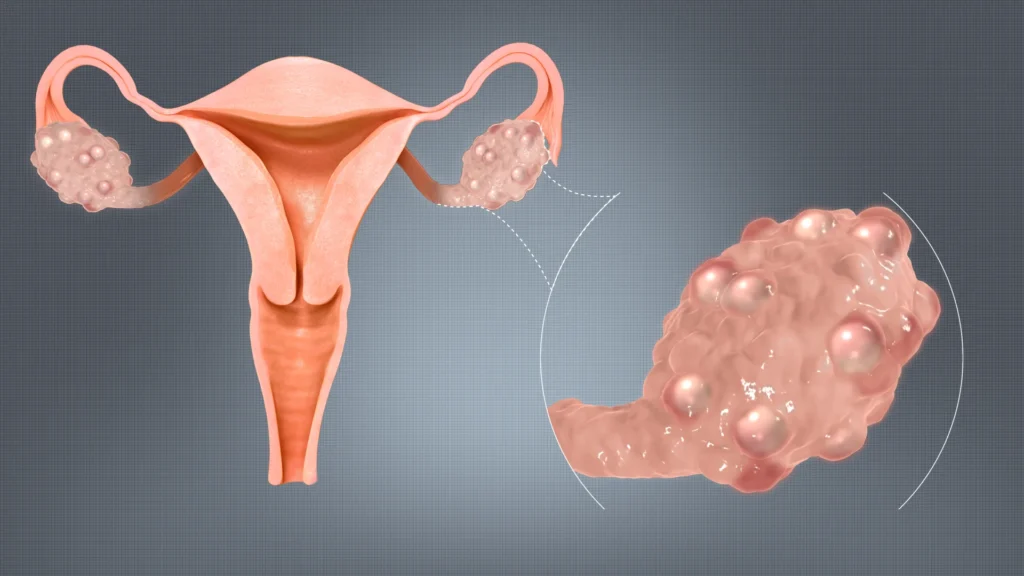
Ovarian cysts are sacs filled with fluid or semi-solid material that form within or on the surface of one or both ovaries.
Most ovarian cysts develop as part of the normal menstrual cycle and are known as functional cysts.
These cysts usually disappear naturally within a few weeks or months without causing long-term problems.
Not all ovarian cysts are related to ovulation.
Some develop due to underlying conditions such as endometriosis, benign ovarian tumors, or hormonal disorders like Polycystic Ovary Syndrome (PCOS).
Most ovarian cysts are non-cancerous and do not affect fertility.
However, persistent, large, or complex cysts may require monitoring or treatment to prevent complications.
Types of Ovarian Cysts
There are several types of ovarian cysts, each with different causes and treatment approaches.
Functional Cysts
Functional cysts are the most common type and develop during a normal menstrual cycle.
They include:
- Follicular cysts: Form when the follicle does not release an egg during ovulation.
- Corpus luteum cysts: Develop after the follicle releases the egg but fills with fluid instead of shrinking.
These cysts usually resolve on their own without treatment.
Dermoid Cysts
Also called mature cystic teratomas, these benign cysts contain tissues such as hair, skin, fat, or teeth because they arise from germ cells.
They often require surgical removal if they become large or symptomatic.
Endometriomas
These cysts develop when tissue similar to the uterine lining grows on the ovaries.
They are commonly associated with endometriosis and are sometimes referred to as “chocolate cysts” because they contain old blood.
Cystadenomas
Cystadenomas are benign cysts that arise from the surface of the ovary.
They may contain watery or mucous-like fluid and can grow quite large if left untreated.
Polycystic Ovaries
Women with PCOS may have multiple small follicles around the ovaries.
These are not true ovarian cysts but rather immature follicles that fail to develop and release an egg. (Mobeen et al., 2023)
What Causes Ovarian Cysts?
The exact cause depends on the type of ovarian cyst.
Common causes include:
- Normal ovulation during the menstrual cycle
- Hormonal imbalances
- Endometriosis
- Pregnancy
- Pelvic infections
- Polycystic Ovary Syndrome (PCOS)
- Previous ovarian cysts
- Benign ovarian tumors
Most functional ovarian cysts develop naturally as part of ovulation and are not considered a disease.
Risk Factors
Several factors increase the likelihood of developing ovarian cysts.
These include:
- Being of reproductive age
- Hormonal fertility treatments
- Pregnancy
- Endometriosis
- PCOS
- Previous ovarian cysts
- Hormonal disorders
- Severe pelvic infections
- Smoking (associated with certain benign ovarian tumors)
Although ovarian cysts can occur after menopause, persistent cysts in postmenopausal women require careful evaluation because the risk of ovarian cancer increases with age.
How Do Ovarian Cysts Develop?
During a normal menstrual cycle, a small follicle grows on the ovary and releases an egg during ovulation.
If the follicle fails to rupture or does not shrink after releasing the egg, it may continue to fill with fluid, forming a functional ovarian cyst.
Other cysts develop differently.
For example, endometriomas form when endometrial-like tissue grows on the ovary and repeatedly bleeds during menstrual cycles.
Dermoid cysts arise from germ cells capable of developing into different tissue types, while cystadenomas originate from the ovarian surface cells.
Most ovarian cysts remain small and harmless.
However, some may enlarge over time, rupture, bleed internally, or cause the ovary to twist (ovarian torsion), which is a medical emergency requiring immediate treatment.
Understanding how ovarian cysts develop helps explain why some disappear naturally while others require close monitoring or surgical intervention. (Levine et al., 2010)
Symptoms of Ovarian Cysts
Many ovarian cysts cause no symptoms and are discovered incidentally during a routine pelvic examination or ultrasound.
Small functional cysts often resolve on their own without the woman ever knowing they were present.
When symptoms do occur, they depend on the cyst’s size, type, and whether complications such as rupture or ovarian torsion have developed.
Common symptoms include:
- Pelvic pain or discomfort, usually on one side
- Dull or sharp lower abdominal pain
- Bloating or abdominal swelling
- A feeling of fullness or pressure in the pelvis
- Pain during sexual intercourse
- Pain during bowel movements
- Frequent urination if the cyst presses on the bladder
- Irregular menstrual periods
- Heavy or painful periods
- Difficulty emptying the bladder completely
A ruptured ovarian cyst may cause sudden, severe pelvic pain, while ovarian torsion can result in intense pain accompanied by nausea and vomiting.
Both conditions require immediate medical attention.
How Are Ovarian Cysts Diagnosed?
Diagnosis begins with a detailed medical history and physical examination.
Your healthcare provider will ask about your menstrual cycle, symptoms, medical history, and any previous ovarian cysts.
Common diagnostic tests include:
- Pelvic examination
- Transvaginal or pelvic ultrasound
- Pregnancy test
- Blood tests, including CA-125 in selected women
- MRI or CT scan for complex cysts when necessary
Ultrasound is the primary imaging tool used to evaluate ovarian cysts.
It helps determine the cyst’s size, location, internal appearance, and whether it is likely to be functional or requires further investigation.
Most simple cysts in premenopausal women can be safely monitored with repeat ultrasounds if they are small and not causing significant symptoms. (Kajal et al., 2026)
Possible Complications
Although most ovarian cysts are harmless, some may lead to complications that require prompt medical treatment.
Possible complications include:
- Ovarian torsion (twisting of the ovary)
- Ruptured ovarian cyst
- Internal bleeding
- Persistent pelvic pain
- Infection (rare)
- Reduced ovarian blood supply
- Fertility problems in selected cases
- Rarely, ovarian cancer in postmenopausal women or complex ovarian masses
Ovarian torsion is considered a medical emergency because prolonged interruption of blood flow can damage the ovary and may require emergency surgery.
Women should seek immediate medical attention if they experience sudden severe pelvic pain, fever, dizziness, fainting, or persistent vomiting.
Myth vs Fact
| Myth | Fact |
|---|---|
| Every ovarian cyst is cancerous. | Most ovarian cysts are benign and resolve without causing serious problems. |
| All ovarian cysts require surgery. | Many functional ovarian cysts disappear naturally and only require observation. |
| Ovarian cysts always cause severe pain. | Many women have ovarian cysts without any symptoms. |
| Having an ovarian cyst means you cannot become pregnant. | Most ovarian cysts do not affect fertility, although some underlying conditions may influence conception. |
Ovarian Cysts and Fertility
Most functional ovarian cysts do not affect fertility and often disappear naturally without interfering with ovulation or pregnancy.
However, certain types of ovarian cysts may influence fertility.
For example:
- Endometriomas associated with endometriosis may reduce fertility.
- Large cysts may interfere with normal ovarian function.
- Repeated ovarian surgeries may reduce ovarian reserve in some women.
Fortunately, many women with ovarian cysts conceive naturally, and fertility treatments are available when underlying conditions contribute to infertility.
Your gynecologist can recommend the most appropriate management based on the type of cyst, your age, and your future pregnancy plans.
Ovarian Cysts During Pregnancy
Ovarian cysts are occasionally detected during routine pregnancy ultrasounds.
Most pregnancy-associated ovarian cysts are harmless and resolve without treatment during the second trimester.
However, large cysts may increase the risk of:
- Ovarian torsion
- Cyst rupture
- Pain during pregnancy
- Obstruction during labor (rare)
If surgery becomes necessary, it is usually planned during the second trimester when the risk to both mother and baby is lower.
Pregnant women with ovarian cysts should attend regular follow-up appointments so that the cyst can be monitored throughout pregnancy. (Leiserowitz et al., 2006)
Physiotherapy Perspective
Physiotherapy does not directly treat ovarian cysts, but it plays an important supportive role in helping women manage pain, improve mobility, and maintain physical function,
particularly when chronic pelvic pain or postoperative recovery is involved.
A women’s health physiotherapist may help by:
- Teaching pain-relieving positions and gentle movement strategies.
- Improving core muscle strength and posture.
- Addressing pelvic floor muscle dysfunction.
- Reducing lower back and pelvic discomfort.
- Providing breathing and relaxation techniques to reduce muscle tension.
- Guiding a gradual return to physical activity after surgery.
For women recovering from laparoscopic ovarian cyst surgery, physiotherapy can assist with restoring mobility, improving abdominal muscle function, minimizing scar-related tightness, and safely returning to everyday activities.
Any exercise program should be individualized and adjusted according to the woman’s symptoms, medical condition, and advice from her treating gynecologist.
Treatment for Ovarian Cysts
The treatment of ovarian cysts depends on several factors, including the cyst’s type, size, appearance on imaging, symptoms, age, and whether the woman has reached menopause.
Many ovarian cysts, especially functional cysts, disappear naturally within a few menstrual cycles and require only observation.
However, persistent, large, complex, or symptomatic cysts may need medication or surgery.
The primary goals of treatment are to relieve symptoms, prevent complications, preserve fertility when possible, and rule out ovarian cancer in women at higher risk.
Watchful Waiting
Many simple ovarian cysts do not require immediate treatment.
Your doctor may recommend:
- Regular pelvic examinations.
- Repeat ultrasound scans after several weeks or months.
- Monitoring for changes in cyst size or appearance.
- Observation if symptoms are mild or absent.
Watchful waiting is commonly recommended for small, simple functional cysts in premenopausal women because they often resolve without intervention.
Medications
Although medications cannot remove most ovarian cysts, they may help manage symptoms or reduce the likelihood of certain functional cysts recurring.
Treatment may include:
- Pain relievers such as nonsteroidal anti-inflammatory drugs (NSAIDs) to reduce pelvic pain.
- Hormonal contraceptives to regulate menstrual cycles and decrease the formation of new functional cysts.
- Medications to treat underlying conditions such as endometriosis or PCOS when present.
Your healthcare provider will recommend treatment based on your symptoms, reproductive plans, and overall health.
Surgical Treatment
Surgery may be recommended when an ovarian cyst:
- Is large or continues to grow.
- Causes persistent or severe pain.
- Has suspicious features on imaging.
- Twists the ovary (ovarian torsion).
- Ruptures and causes significant internal bleeding.
- Persists after several menstrual cycles.
- Is suspected to be cancerous.
Common surgical procedures include:
Laparoscopic Cystectomy
This minimally invasive procedure removes the cyst while preserving as much healthy ovarian tissue as possible.
It is commonly performed for benign ovarian cysts and usually offers a faster recovery.
Laparotomy
A larger abdominal incision may be necessary for very large cysts or when cancer is suspected.
Oophorectomy
In certain situations, part or all of the affected ovary may need to be removed, particularly if the cyst is extensive or malignancy cannot be excluded.
Whenever appropriate, surgeons aim to preserve fertility by conserving healthy ovarian tissue. (Cleveland Clinic)
Lifestyle Management
Although lifestyle changes cannot eliminate existing ovarian cysts, maintaining overall reproductive and metabolic health may reduce symptoms and support recovery.
Healthy lifestyle habits include:
- Eating a balanced diet rich in fruits, vegetables, whole grains, and lean proteins.
- Maintaining a healthy body weight.
- Exercising regularly.
- Managing stress through relaxation techniques.
- Getting adequate sleep.
- Staying well hydrated.
- Attending routine gynecological check-ups.
Women diagnosed with PCOS or endometriosis should also follow individualized treatment plans because these conditions may contribute to the formation of certain ovarian cysts.
Can Ovarian Cysts Be Prevented?
Most ovarian cysts cannot be completely prevented because they often develop as part of the normal menstrual cycle.
However, you can support reproductive health by:
- Scheduling regular gynecological examinations.
- Seeking medical advice for persistent pelvic pain or menstrual changes.
- Managing underlying conditions such as PCOS or endometriosis.
- Following prescribed hormonal treatments when appropriate.
- Reporting any new or worsening symptoms promptly.
Early detection allows healthcare providers to identify cysts before complications develop.
When Should You See a Doctor?
You should seek medical attention if you experience:
- Persistent pelvic or lower abdominal pain.
- Sudden, severe pelvic pain.
- Pain accompanied by fever or vomiting.
- Rapid abdominal swelling.
- Pain during sexual intercourse that continues to worsen.
- Irregular or unusually heavy menstrual bleeding.
- Difficulty emptying your bladder or bowel due to pelvic pressure.
- Dizziness, fainting, or signs of internal bleeding.
These symptoms may indicate complications such as ovarian torsion, cyst rupture, or another gynecological condition that requires prompt evaluation.
Final Thoughts
Ovarian cysts are a common part of women’s reproductive health, and most are harmless and resolve without treatment. However, persistent pelvic pain, sudden severe symptoms, or changes in your menstrual cycle should never be ignored.
Early diagnosis, regular follow-up, and individualized treatment help prevent complications while protecting fertility and overall well-being. If you have concerns about an ovarian cyst, consult a qualified gynecologist for a proper evaluation and personalized care plan.
Conclusion
Ovarian cysts are common and, in most cases, harmless.
Many develop naturally during the menstrual cycle and resolve without treatment.
However, some cysts can cause pain, menstrual changes, fertility concerns, or serious complications such as ovarian torsion or rupture.
Early diagnosis, appropriate monitoring, and individualized treatment are essential for protecting reproductive health and preventing complications.
Women should not ignore persistent pelvic pain, abdominal swelling, or changes in their menstrual cycle, as these symptoms warrant medical assessment.
If you have been diagnosed with an ovarian cyst or are experiencing symptoms that concern you, consult a gynecologist for a thorough evaluation.
With timely care and appropriate management, most women recover well and continue to lead healthy, active lives. (Levine et al., 2010)
Frequently Asked Questions
Do ovarian cysts go away on their own?
Yes. Most functional ovarian cysts disappear naturally within a few weeks or months without treatment.
Are ovarian cysts painful?
Many ovarian cysts cause no symptoms, but larger cysts may lead to pelvic pain, bloating, or pressure.
Can ovarian cysts affect fertility?
Most ovarian cysts do not affect fertility, although cysts caused by conditions such as endometriosis may reduce fertility in some women.
When is surgery needed for an ovarian cyst?
Surgery may be recommended if the cyst is large, persistent, causes severe symptoms, appears suspicious on imaging, or leads to complications such as ovarian torsion.
When should I seek emergency care?
Seek immediate medical attention if you experience sudden severe pelvic pain, fainting, fever, vomiting, or signs of internal bleeding.
Stay tuned with us for more health related topics.
Follow us on LinkedIn and Instagram for more.
More Read




Medical Disclaimer!
This article has been reviewed and written under the guidance of our Head Physiotherapist, Dr. Kruti Raj (PT, MUHS,CPT,CMPT). The information shared is intended for educational purposes only and should not be considered a substitute for personalized medical advice, diagnosis, or treatment.
Please consult us or any other qualified healthcare professional before beginning any exercise program, especially if you are experiencing pain, recovering from injury, or managing a medical condition.


