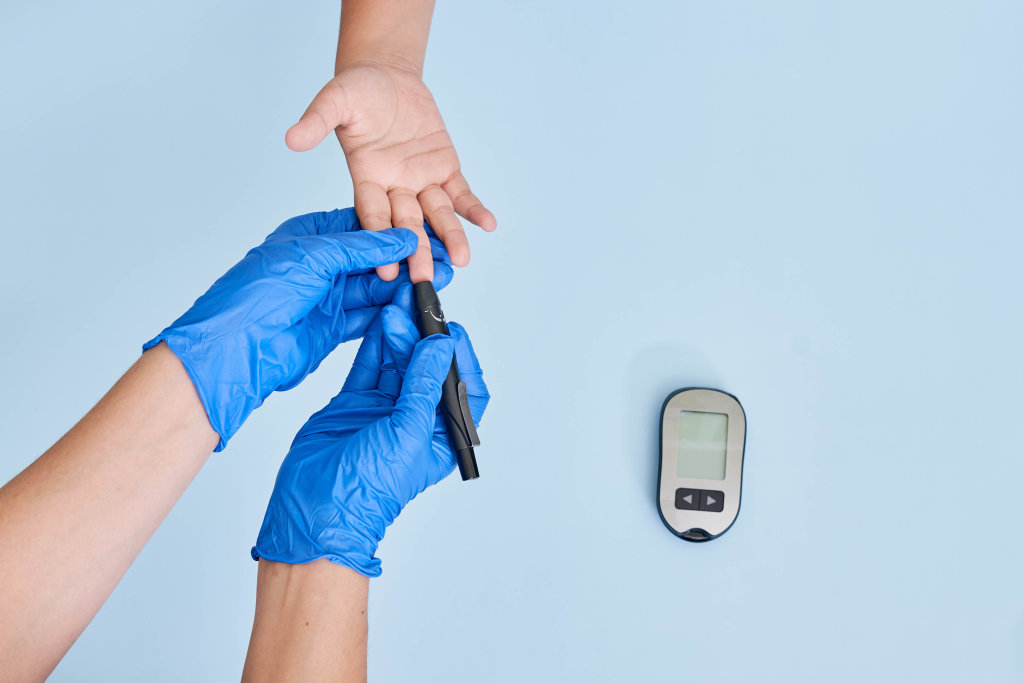
ATLANTA, GEORGIA: State health officials in California and Washington say the US Centers for Disease Control and Prevention (CDC) took two months to respond to their request for help validating a faster, high-volume measles test during spring outbreaks.
The delay has raised concerns about laboratory preparedness as the United States reported 4,410 confirmed measles cases by October 15, 2026. Health officials want validated testing protocols that can help laboratories process samples efficiently and support faster outbreak investigations.
States Seek Faster Measles Testing
The West Coast Health Alliance, a partnership between California, Washington, Oregon and Hawaii, has urged the CDC to help public health laboratories introduce high-volume measles testing.
According to a HealthDay News report published on October 22, 2026, officials in California and Washington asked the agency to validate a testing method reportedly capable of diagnosing approximately 500 cases in eight hours.
The alliance described the delay in a letter to Dr. Erica Schwartz, who took over as CDC director in August 2026. The agency eventually responded that competing priorities prevented it from providing the requested assistance, according to the report.
The alliance called on the CDC to develop and share high-volume testing protocols for measles and other dangerous pathogens. Such protocols could help state laboratories use existing equipment during outbreaks rather than develop testing methods independently.
The request highlights the importance of timely laboratory support when public health agencies must investigate suspected infections across multiple communities.
US Measles Cases Reach 4,410
The CDC reported 4,410 confirmed measles cases in the United States as of October 15, 2026. The figure represented the country’s largest measles outbreak in 35 years, according to the report.
Pennsylvania had reported six measles-related deaths, adding to concerns about the impact of the outbreak.
Measles is one of the most contagious viral diseases. It spreads through the air and can infect people who breathe contaminated air or enter spaces where an infected person has recently been present.
Early identification helps public health teams investigate suspected cases, identify exposed individuals and implement appropriate precautions. However, the reported figures do not establish that the delay in federal testing support caused the outbreak.
The concern is that slow diagnostic turnaround can complicate outbreak investigations, particularly when authorities need to assess several suspected cases in a short period.
Why Faster Diagnosis Matters
The United States declared measles eliminated in 2000, meaning sustained transmission had been interrupted. However, imported infections and subsequent local transmission can still lead to outbreaks.
The HealthDay report states that commercially available rapid tests providing immediate measles results in US clinics or emergency departments are not available. Healthcare providers generally collect specimens and send them to public health laboratories for testing.
Results typically take about two business days. In states facing laboratory staffing shortages, the wait can extend to five business days.
These delays can complicate public health investigations. Officials may need to evaluate potential contacts, review vaccination histories and coordinate preventive measures while awaiting laboratory confirmation.
Faster testing would not eliminate every delay in outbreak response, but it could help laboratories process more specimens efficiently and provide results sooner.
The CDC’s guidance for measles outbreak response emphasizes early case identification, prompt investigation and laboratory confirmation. These measures support decisions about managing suspected cases and protecting exposed individuals.
Existing Equipment Could Speed Testing
Many public health laboratories acquired high-volume testing machines during the COVID-19 pandemic. These systems provide infrastructure that could support additional diagnostic applications when laboratories have an appropriate, validated test.
The states’ request focused on making a reliable measles testing protocol available for use with existing laboratory equipment.
A validated protocol establishes a consistent method for carrying out a test and evaluating its performance. It can also reduce the need for each laboratory to develop and validate an independent method.
However, high-volume testing is not the same as point-of-care testing. A laboratory system may process many specimens efficiently without providing an immediate result during a patient’s clinic visit.
The availability of testing equipment alone is therefore insufficient. Laboratories also need validated methods, trained personnel, quality controls and appropriate procedures for handling specimens.
States Develop Their Own Tests
Some states have developed and validated their own measles tests during outbreaks. According to the report, public health laboratories in Texas and Utah completed this work in 2025.
Scott Becker, chief executive of the Association of Public Health Laboratories, told The New York Times that states can develop their own tests, but a CDC-supported protocol remains useful.
A standard federal protocol could give laboratories a common technical reference and help reduce duplicated development work.
Jill Taylor, former director of the Wadsworth Center, New York State’s public health laboratory, cautioned that many laboratories lack the resources or specialist expertise required to develop their own testing methods. These facilities may depend on a fully validated test or established protocol.
Differences in laboratory capacity can become particularly important during widespread outbreaks. Well-equipped laboratories may have greater flexibility to develop or adapt diagnostic methods, while smaller or understaffed facilities may rely more heavily on external technical support.
CDC Staffing Adds to Concerns
The New York Times report cited concerns that reduced staffing could limit the CDC’s ability to evaluate and support new testing methods.
According to the workforce figure reported by the newspaper, the CDC’s workforce had shrunk by approximately 30% since President Donald Trump began his second term.
The staffing figure provides context for the concerns raised by experts, although it does not independently establish why the agency took two months to respond to the states’ request.
The US Department of Health and Human Services, which oversees the CDC, did not answer questions about the proposed high-volume measles test.
CDC spokesperson Emily Hilliard said the agency was supporting state and local measles detection and prioritizing new technologies to speed outbreak response.
The next step remains whether a validated high-volume testing protocol will become available to the requesting states. Such a protocol could help laboratories that already possess suitable equipment but lack an established method for measles testing.
Vaccination Remains Essential
Faster laboratory testing can support outbreak investigations, but vaccination remains the most effective way to prevent measles infection.
The CDC recommends two doses of the measles, mumps and rubella (MMR) vaccine for children. The first dose is generally given at 12 to 15 months, followed by the second at 4 to 6 years. Recommendations may differ according to age, exposure risk and travel circumstances.

According to the CDC’s measles vaccine recommendations, two doses of measles vaccine are approximately 97% effective at preventing measles.
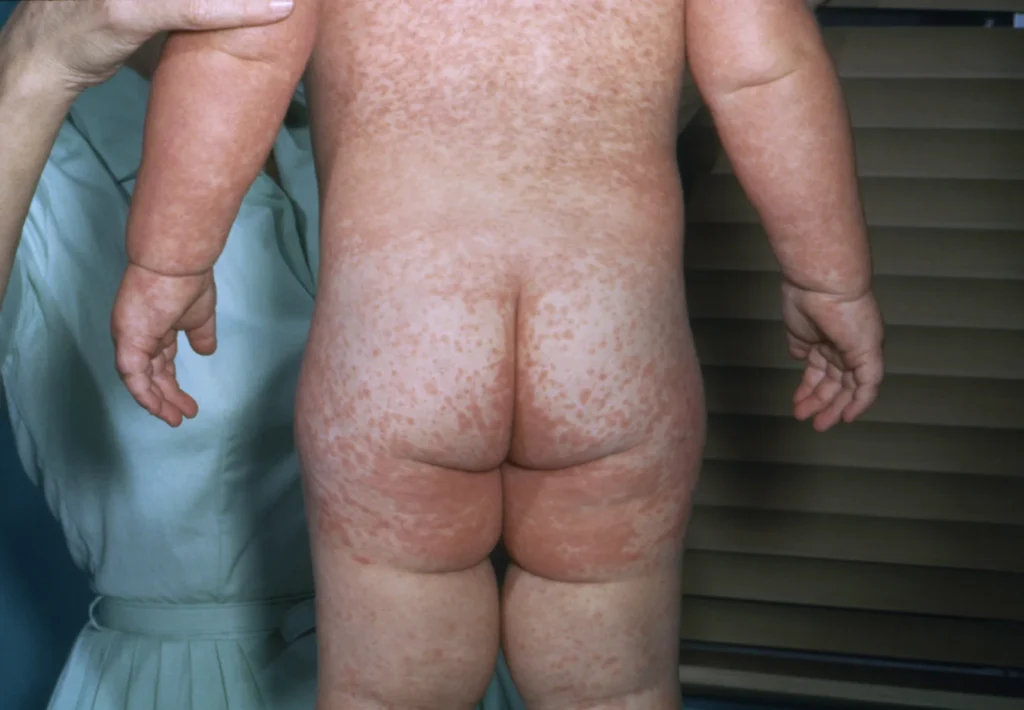
Common symptoms include fever, cough, a runny nose, red or watery eyes and a rash that typically begins on the face and spreads down the body. Measles can cause serious complications, including pneumonia and inflammation of the brain.
Anyone who suspects measles exposure or develops compatible symptoms should contact a healthcare provider or local public health department before visiting a healthcare facility. Calling ahead allows staff to take precautions and reduce the risk of exposing other patients.
Keeping vaccinations up to date, reporting suspected cases promptly and following public health guidance can help limit transmission.
What the Testing Delay Means
The dispute between state officials and the CDC highlights a gap between having laboratory equipment and having a validated diagnostic method ready for use.
High-volume testing protocols could help public health laboratories make better use of existing infrastructure, especially during outbreaks that involve many suspected cases. Their effectiveness will still depend on staffing, specimen handling, quality assurance and timely communication of results.
The CDC says it continues to support state and local measles detection. Whether the agency will provide the requested high-volume testing protocol remains an important question for the affected states.
For families, vaccination remains the key preventive measure. For public health agencies, reliable testing and prompt case investigations remain essential parts of controlling measles outbreaks.