


Managing Type 1 diabetes requires a careful balance of insulin therapy, physical activity, and a well-planned diet. Since individuals with Type 1 diabetes cannot produce insulin on their own, they need to monitor their blood sugar levels closely. Choosing the right foods can help stabilize blood sugar, prevent complications, and support overall well-being.
This guide outlines the best food choices for people with Type 1 diabetes, along with tips to maintain a healthy and balanced diet.
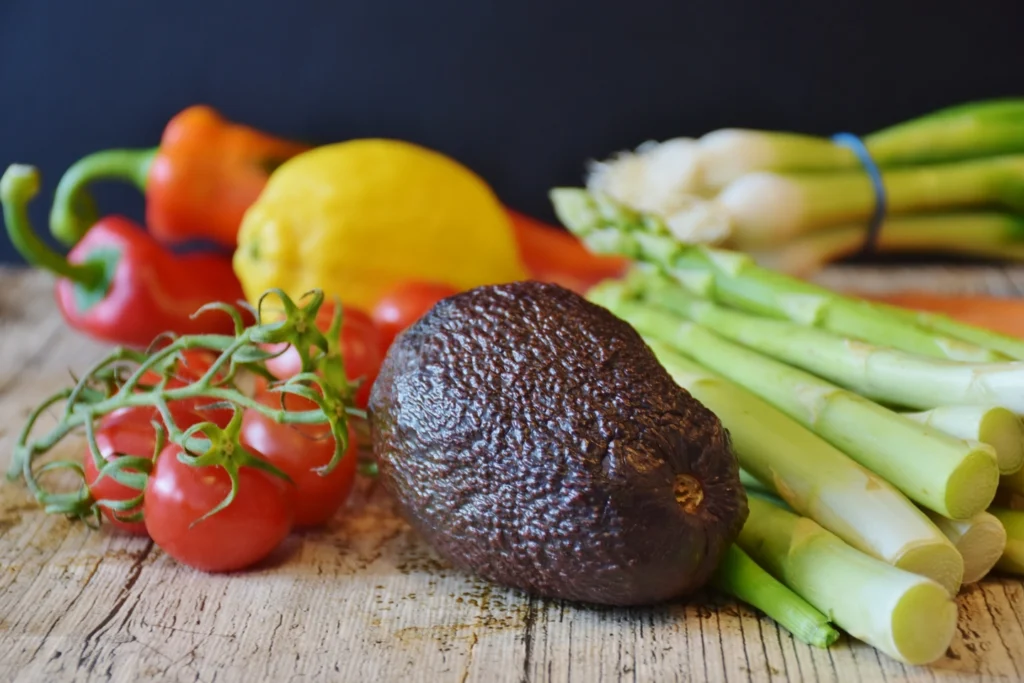
1. Non-Starchy Vegetables – Nutrient-Packed and Low in Carbs
Vegetables are rich in fiber, vitamins, and minerals while being naturally low in carbohydrates, making them an excellent choice for blood sugar control.
Best Choices:
• Leafy greens like spinach, kale, and Swiss chard
• Broccoli, cauliflower, and Brussels sprouts
• Bell peppers, cucumbers, and zucchini
• Mushrooms, onions, and tomatoes
Non-starchy vegetables provide essential nutrients without causing major spikes in blood sugar levels. Including a variety of these in daily meals can improve digestion and overall health.
2. High-Fiber Foods – Slower Digestion for Better Sugar Control
Fiber plays a key role in diabetes management by slowing down digestion and preventing rapid blood sugar spikes. It also promotes gut health and supports weight management.
Best Choices:
• Whole grains (quinoa, oats, brown rice, whole wheat)
• Legumes such as lentils, chickpeas, and black beans
• Chia seeds, flaxseeds, and pumpkin seeds
• Nuts like almonds, walnuts, and pistachios
Choosing fiber-rich foods helps in maintaining steady energy levels while keeping blood sugar in check.
3. Lean Proteins – Keeps You Full Without Raising Blood Sugar
Protein is essential for muscle repair, immune function, and satiety. It does not cause blood sugar spikes, making it a key component of a diabetes-friendly diet.
Best Choices:
• Skinless poultry like chicken and turkey
• Fatty fish like salmon, tuna, and mackerel (rich in omega-3s)
• Eggs
• Low-fat dairy products such as Greek yogurt and cottage cheese
• Plant-based proteins like tofu, tempeh, and lentils
Including a moderate amount of protein in every meal can help with blood sugar stability and long-term health.
4. Healthy Fats – Good for the Heart and Brain
Not all fats are harmful. Healthy fats support brain function, reduce inflammation, and improve heart health—important considerations for people with diabetes.
Best Choices:
• Avocados
• Olive oil and coconut oil
• Nuts and seeds
• Fatty fish like salmon and sardines
Avoid trans fats found in fried foods and processed snacks, as they can increase insulin resistance and heart disease risk.
5. Low-Glycemic Fruits – Sweet but Safe
Fruits contain natural sugars, but certain varieties have a low glycemic index (GI) and can be enjoyed in moderation. These fruits provide essential vitamins and antioxidants without causing drastic blood sugar spikes.
Best Choices:
• Berries (strawberries, blueberries, raspberries)
• Apples and pears (with the skin)
• Oranges and grapefruit
• Peaches, plums, and cherries
It’s best to consume whole fruits instead of fruit juices, which contain concentrated sugars and can cause rapid blood sugar fluctuations.
6. Dairy Products – A Source of Calcium and Protein
Dairy products can be a good source of protein and calcium, but it’s important to choose low-fat or unsweetened options to avoid unnecessary sugar intake.
Best Choices:
• Greek yogurt (unsweetened)
• Skim or almond milk
• Cottage cheese
Avoid flavored yogurts, full-fat dairy, and sweetened milk alternatives, as they often contain added sugars.
7. Whole Grains – Better than Refined Carbs
Refined carbohydrates like white bread and pasta can cause blood sugar spikes, while whole grains are rich in fiber and nutrients that help in blood sugar regulation.
Best Choices:
• Whole wheat bread and pasta
• Brown rice and quinoa
• Oats and barley
Whole grains provide sustained energy and help prevent sudden glucose fluctuations.
Foods to Avoid
While including healthy foods is important, it’s equally necessary to avoid foods that can negatively impact blood sugar control.
Worst Choices:
• Sugary snacks and desserts: Cakes, pastries, candies, and ice cream
• Sugary drinks: Soda, fruit juices, energy drinks, and sweetened coffee
• Refined carbs: White bread, white rice, and regular pasta
• Fried and processed foods: Chips, fast food, and packaged snacks
These foods can cause blood sugar spikes and contribute to insulin resistance over time.
Meal Planning Tips for Type 1 Diabetics
1. Balance Your Plate: Fill half of your plate with non-starchy vegetables, one-quarter with lean proteins, and one-quarter with whole grains or healthy carbs.
2. Watch Portions: Even healthy foods can cause blood sugar fluctuations if consumed in large amounts.
3. Stay Hydrated: Water is the best choice, but herbal teas and unsweetened drinks are also good options.
4. Monitor Blood Sugar Levels: Keeping track of blood sugar before and after meals can help identify how different foods affect the body.
5. Plan Ahead: Preparing meals in advance helps avoid unhealthy choices and ensures balanced nutrition.
Conclusion
Managing Type 1 diabetes isn’t just about insulin—it’s also about making the right food choices. Eating a balanced diet with fiber-rich foods, lean proteins, healthy fats, and low-GI fruits can make a big difference in maintaining stable blood sugar levels. Avoiding processed foods, sugary drinks, and unhealthy snacks is equally important.
By staying informed, planning meals wisely, and maintaining an active lifestyle, people with Type 1 diabetes can lead a full and healthy life while keeping complications at bay.
References:
1. American Diabetes Association (ADA) – Provides guidelines on diabetes-friendly nutrition and meal planning.
2. Centers for Disease Control and Prevention (CDC) – Offers research-based insights on Type 1 diabetes and dietary recommendations.
3. Mayo Clinic – Discusses the role of diet in managing Type 1 diabetes and preventing complications.
4. National Institute of Diabetes and Digestive and Kidney Diseases (NIDDK) – Shares expert advice on healthy eating for people with diabetes.
6. World Health Organization (WHO) – Highlights global dietary recommendations for diabetes prevention and management.
Read More On : Type 1 vs. Type 2 Diabetes– How to Spot the Signs Before It’s Too Late!
Visit Us At : https://g.co/kgs/rTqAjgt


