
Introduction
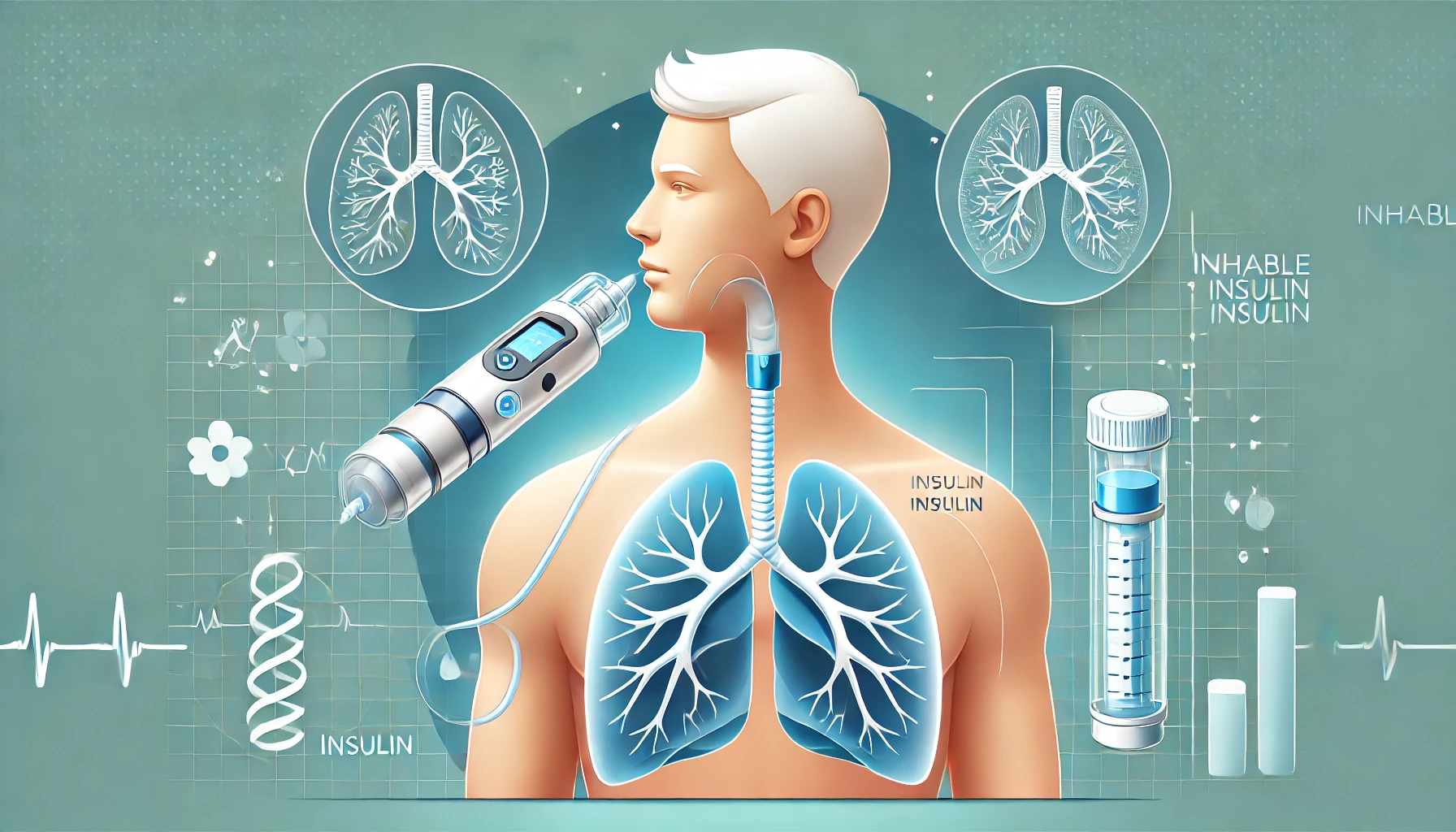
Managing diabetes can be a relentless challenge. For decades, insulin injections have been the primary treatment for type 1 diabetes and many cases of type 2 diabetes. However, recent advancements in pharmaceutical technology have introduced inhalable insulin as a revolutionary alternative. This new form of insulin delivery offers a needle-free approach, potentially transforming the lives of millions.
Let’s explore the latest research on inhalable insulin, its safety, availability, how it works, and what the future holds for this innovative treatment.
The Evolution of Inhalable Insulin
Inhalable insulin isn’t a brand-new concept. Early attempts in the mid-2000s faced challenges due to cost, safety concerns, and limited market acceptance. Exubera, the first FDA-approved inhalable insulin, was withdrawn from the market within a year due to low sales and bulky inhalers. However, with continuous research and technological progress, modern versions are addressing these issues.
The most notable product in this category is Afrezza, developed by MannKind Corporation and approved by the U.S. Food and Drug Administration (FDA). It is a rapid-acting insulin taken before meals using a small, portable inhaler. Unlike traditional injections, inhalable insulin gets absorbed quickly through the lungs, providing near-instant glucose management.
How Inhalable Insulin Works
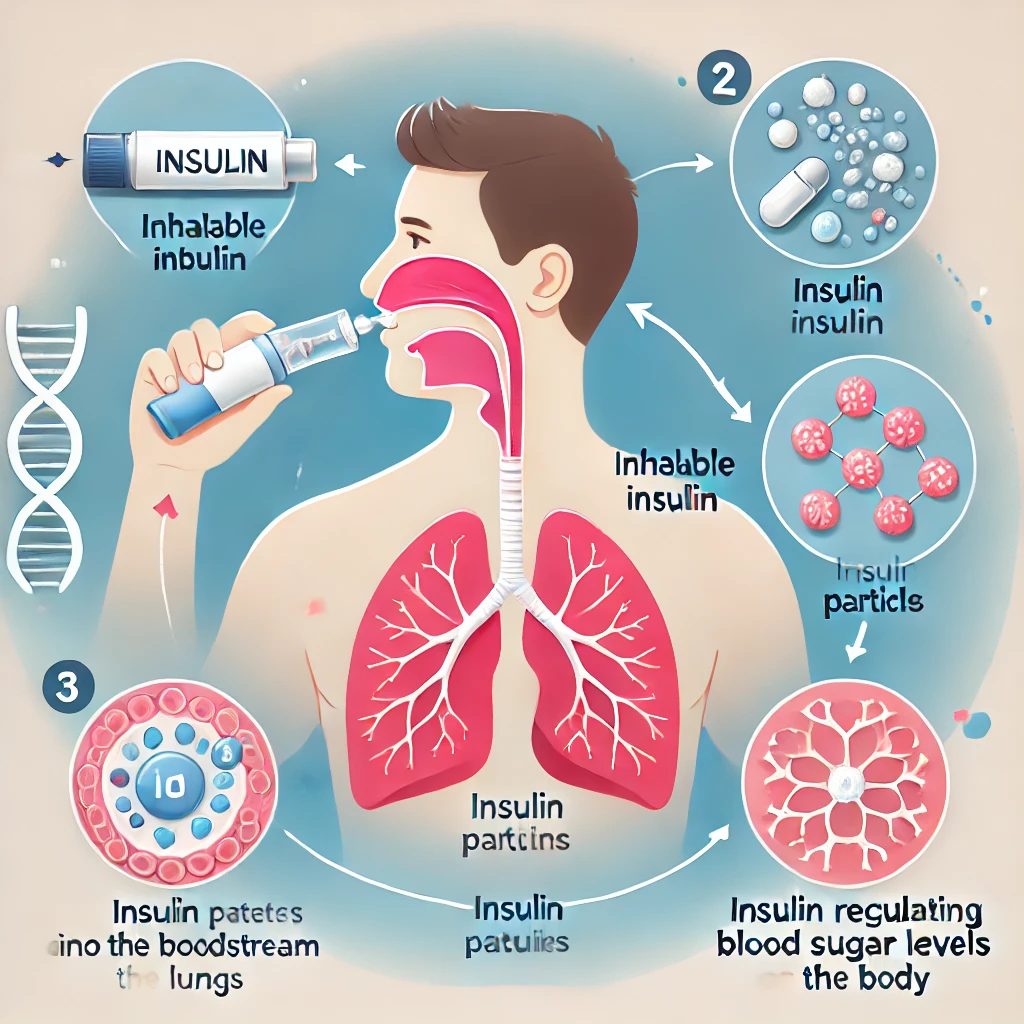
Inhalable insulin is administered using a small device that disperses a dry powder formulation into the lungs. Here’s how it functions:
- Rapid Absorption: Upon inhalation, insulin particles enter the lungs and are absorbed into the bloodstream.
- Quick Onset: It acts within 12 to 15 minutes, much faster than many injected insulins.
- Convenience: The non-invasive approach eliminates the pain and discomfort of needles.
Afrezza’s mechanism is particularly beneficial for people with unpredictable meal schedules, as it mimics the body’s natural insulin response more efficiently.
Safety and Efficacy
Recent clinical trials and real-world studies indicate that inhalable insulin is effective in controlling post-meal blood sugar levels. Research shows it has a comparable effect to rapid-acting injectable insulin. However, it’s generally not recommended for individuals with chronic lung diseases like asthma or COPD.
The most common side effect reported is a mild cough, which often subsides with continued use. Lung function monitoring is recommended for long-term users. Additionally, it is not suitable for smokers or people with underlying lung conditions.
Availability and Market Adoption
Currently, Afrezza remains the only FDA-approved inhalable insulin. It’s available in the United States and some other countries, though accessibility may vary. Compared to injectable insulins, it can be slightly more expensive, but some insurance providers cover it under prescription plans.
Cost of Inhalable Insulin
United States: The average cost of Afrezza is approximately $300 to $400 for a month’s supply without insurance.
India: Inhalable insulin is not yet widely available in India, but similar imported versions may cost significantly more.
Europe: Prices in European countries vary, typically ranging from €250 to €350 per month.
Other Countries: The availability and cost of inhalable insulin in developing nations remain limited due to regulatory challenges and cost barriers.
Despite its promising advantages, market adoption has been slower than expected. Healthcare professionals and patients are still adapting to the concept of inhalable insulin, and concerns about lung safety remain a factor.
Other Types of Insulins Available
While inhalable insulin represents a significant advancement, several other types of insulin remain widely used:
- Rapid-Acting Insulin: Used before meals to control blood sugar spikes (e.g., Lispro, Aspart).
- Short-Acting Insulin: Provides control for a few hours after meals (e.g., Regular insulin).
- Intermediate-Acting Insulin: Often combined with short-acting insulin for longer glucose control (e.g., NPH insulin).
- Long-Acting Insulin: Provides a steady release over 24 hours (e.g., Glargine, Detemir).
- Ultra-Long-Acting Insulin: Lasts more than 24 hours and reduces the number of injections required (e.g., Degludec).
Pros and Cons of Inhalable Insulin
Like any medical advancement, inhalable insulin comes with its advantages and disadvantages.
Pros:
- Needle-free, reducing pain and discomfort
- Faster onset of action compared to injected insulin
- Convenient and portable
- Improved adherence for patients with needle phobia
Cons:
- Not suitable for people with lung disease
- Requires regular lung function monitoring
- More expensive than traditional insulin
- Limited dose customization compared to injections
The Future of Inhalable Insulin
The future looks promising for inhalable insulin. Ongoing research is exploring advancements to enhance its bioavailability and reduce side effects. Pharmaceutical companies are also developing combination therapies with inhalable insulin and other diabetes medications.
Additionally, innovations in nanoparticle technology and smart inhalers with real-time glucose monitoring could further revolutionize diabetes management. These devices could provide feedback on insulin absorption and adjust dosage automatically, ensuring optimal blood sugar control.
Conclusion
Inhalable insulin stands as a groundbreaking advancement in diabetes care. It offers faster blood sugar control, improved convenience, and a better quality of life for many individuals. While it may not replace injectable insulin for everyone, it provides an essential option for those seeking a needle-free alternative.
If you are considering inhalable insulin, consult your healthcare provider to determine if it’s the right choice for your diabetes management. With continued advancements, the future of diabetes treatment is undoubtedly becoming brighter and more accessible.
References
American Diabetes Association (ADA)
U.S. Food and Drug Administration (FDA)
Clinical Trials on Afrezza
MannKind Corporation Reports
Recent Studies on Inhalable Insulin Efficacy and Safety
Read About : The Hidden Indian Herb That Can Reverse Diabetes Naturally!
Visit Us At : https://g.co/kgs/rTqAjgt