


Introduction to branchial cleft cyst:
If you have ever felt a soft swelling on the side of your neck and wondered whether it is something serious, you are not alone.
Many people first notice it during a routine moment like shaving, turning the neck, or after a throat infection.
A branchial cleft cyst is not something that suddenly develops in adulthood. It actually originates during early fetal development.
While the structures in the neck are forming, small passages called branchial clefts are supposed to disappear.
When part of this process remains incomplete, a small pocket of tissue stays behind.
This pocket can later fill with fluid and form what we call a cyst.
What makes it confusing for patients is that it may stay silent for years and then suddenly become noticeable.
Read about our Complete Neck Pain Guide : Causes, Symptoms, Exercises and Treatment
Quick Answer
A branchial cleft cyst is a congenital neck swelling that may remain unnoticed for years and often appears after an infection. While surgical removal treats the cyst, full recovery depends on restoring neck movement, muscle balance, and posture. Physiotherapy plays a key role in reducing stiffness, improving mobility, and helping the neck return to normal function after treatment.
Read about: Early Signs of Cervical Spine Damage You Should Never Ignore
Key Takeaways
- Branchial cleft cysts are present from birth but may appear later in life after infection or inflammation.
- Surgical removal is the definitive treatment, especially in symptomatic or recurrent cases.
- Post-treatment stiffness, reduced mobility, and muscle tightness are common but often overlooked.
- Physiotherapy helps restore neck movement, reduce muscle guarding, and improve posture.
- Breathing patterns and scar tissue can influence recovery more than most people realize.
- Early rehabilitation improves long-term outcomes and prevents persistent discomfort.
Also read: How to Relieve Neck Tightness Without Equipment
Why it suddenly becomes visible
In most cases, the cyst is already present but inactive.
Then a trigger appears.
Common triggers include:
- Upper respiratory infection
- Tonsillitis or throat infection
- Local inflammation
- Sometimes even minor mechanical irritation
After this, the cyst may:
- Increase in size
- Become tender
- Show signs of infection
- Occasionally discharge fluid
This is why many patients say it appeared overnight, even though it has likely been there for years. (Uzair 2025)
Read about : 15 Common Causes of Neck Pain You Should Know
Types and Their Clinical Relevance
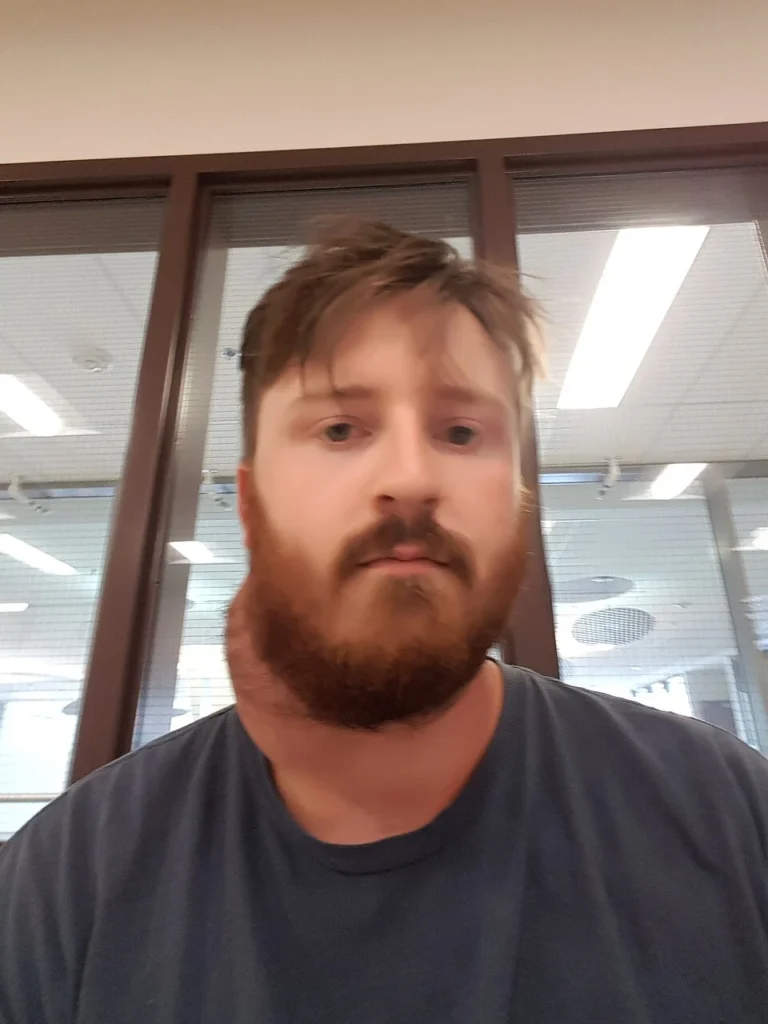
From a physiotherapy and functional point of view, the location of the cyst matters more than people realize.
Second branchial cleft cyst
This is the most common type.
It typically appears along the side of the neck, often near the sternocleidomastoid muscle.
This is important because this muscle plays a major role in head rotation and posture.
First type
Found near the ear or jaw. It can sometimes affect nearby nerves, especially the facial nerve.
Third and fourth types
These are deeper and less common. They may be associated with throat discomfort or swallowing issues. (Kishor et al. 2025)
Read: Sore Throat and Stiff Neck: When to Worry
What patients actually feel
In clinic, patients rarely describe it in textbook language.
They say things like:
- There is a soft lump that moves slightly
- It becomes more noticeable when I am sick
- I feel tightness when turning my neck
- It started hurting after a cold
When infection is present, symptoms may include:
- Redness
- Warmth
- Pain
- Fever
One subtle symptom that often gets missed is a feeling of heaviness or restriction in neck movement.
Read about: Neck And Jaw Pain Together? Here’s The Full Clinical Picture
When you should not ignore it
Not every neck swelling is harmless, so proper evaluation is important.
You should seek medical attention if you notice:
- Rapid increase in size
- Persistent pain
- Difficulty swallowing
- Breathing discomfort
- Recurrent infections
Imaging methods commonly used:
- Ultrasound
- CT scan
- MRI in complex cases Wang et al. (2024)
Misdiagnosis is not uncommon. Many cases are initially treated as lymph node swelling, which delays proper management.
Read: Lhermitte’s sign- An Electic Shock Sensation Down The Neck
Important but lesser known clinical facts
There are a few things that are not commonly discussed but are important for understanding this condition better.
- Some cysts can remain silent for more than 5 to 10 years
- They can occasionally displace nearby structures such as blood vessels
- Rarely, they may mimic or hide more serious conditions
- In very rare cases, malignant changes have been reported Ferraro et al. (2024)
These are not common scenarios, but they highlight why proper diagnosis is essential. Oral Oncology (2025)
Read about: Effective Neck Pain Exercises At Home: A Complete Guide to Relief and Improved Mobility
Treatment is only one part of the story
Medical and surgical management
If the cyst becomes infected:
- Antibiotics are prescribed
- Drainage may be required
Definitive treatment is surgical removal.
This helps:
- Prevent recurrence
- Eliminate infection risk
- Restore normal anatomy Obradovic (2025)
Some newer approaches include minimally invasive techniques, depending on the case.
Read about: Yoga for Neck Pain: Poses That Actually Work
Physiotherapy Perspective: What Actually Drives Recovery
This is the part that most articles tend to skip over, but in real life, this is where recovery is either shaped well or quietly compromised.
Removing the cyst solves the structural issue.
It does not automatically restore how your neck moves, supports your head, or coordinates with breathing and posture.
Why Symptoms Persist After Treatment
In the days and weeks after surgery, or even after repeated episodes of inflammation, the body adapts in subtle ways.
These adaptations are protective at first, but if they persist, they begin to create limitations.
Common Post-Recovery Symptoms Patients Notice
Patients often experience:
- A feeling of stiffness, especially in the morning or after prolonged sitting
- Reduced range of motion, particularly when turning the head to one side
- Tightness along the side of the neck, especially around the sternocleidomastoid
- A tendency to move cautiously, as if avoiding discomfort
- Subtle postural changes like tilting or rotating the head unconsciously
Understanding the Body’s Protective Response
It is important to understand that these are not just symptoms, they are part of a protective response.
After surgery or inflammation:
- The nervous system becomes more alert around the affected area
- Muscles tighten to protect the region
- Movement becomes controlled or restricted
Over time, this leads to inefficient movement patterns.
Movement Changes and Muscle Imbalance
Instead of smooth, natural neck movement:
- Motion may become segmented or hesitant
- Some muscles become overactive
- Others become underactive
This imbalance is often what keeps discomfort lingering, even after the primary issue has been resolved.
The Hidden Role of Breathing
Another often overlooked factor is breathing.
When the neck feels tight or sensitive:
- People rely more on upper chest breathing
- Accessory breathing muscles remain overactive
- This adds further strain to the neck
What True Recovery Looks Like in Physiotherapy
From a physiotherapy point of view, recovery is not just about increasing movement—it is about restoring balance.
This includes:
- Reintroducing movement in a way that feels safe
- Reducing unnecessary muscle guarding
- Improving coordination between deep stabilizers and superficial muscles
- Restoring natural posture without forcing rigid alignment
Why “Pushing Through Pain” Slows Recovery
One key observation in clinical practice:
Progress improves when patients stop trying to push through stiffness.
Instead, recovery is faster when focusing on:
- Controlled, gradual movement
- Gentle mobility work
- Breathing awareness
- Postural correction
Aggressive stretching or forceful exercises often do more harm than good.
The Role of Scar Tissue in Restriction
In some cases, scar tissue may contribute to the feeling of tightness.
This can lead to:
- A pulling sensation during movement
- Restriction while turning or extending the neck
Addressing this early helps prevent long-term stiffness.
The Real Key to Recovery
Recovery in this context is less about intensity and more about:
- Consistency
- Awareness
- Gradual progression
When the body begins to feel safe again, movement improves naturally and function returns with much less resistance.
Read : Chiropractic for Neck Pain: Does It Really Work?
Changes In The Neck
The neck works as a coordinated system, not as isolated muscles.
After surgery or prolonged swelling:
- The sternocleidomastoid may become tight
- Deep neck stabilizers may weaken
- Movement becomes cautious and restricted
This leads to:
- Pain during rotation
- Difficulty maintaining posture
- Fatigue in neck muscles Falla et al. (2018)
Also Read: Ultimate 6 Weeks Neck Rehabilitation Exercises For Pain Relief
Phases Of Physiotherapy Recovery
Early phase
Focus is on protection and gentle activation:
- Pain free positioning
- Breathing exercises
- Avoiding sudden movements
Mobility phase
Gradual restoration begins:
- Gentle neck movements
- Soft tissue release
- Scar mobility work
Strength phase
This is where real change happens:
- Deep neck flexor activation
- Postural correction
- Controlled functional movements
Functional phase
Return to daily life:
- Ergonomic adjustments
- Activity integration
- Prevention strategies
Read in detail: Best Desk Setup to Reduce Neck and Back Pain
Breathing Is More Important Than Most People Think
After neck surgery or swelling, breathing often becomes shallow.
This happens because neck muscles assist in breathing.
When they are tight:
- Breathing shifts to upper chest
- Fatigue increases
- Recovery slows down
Rehabilitation focuses on:
- Diaphragmatic breathing
- Rib cage expansion
- Relaxation techniques
This is often a turning point in patient recovery.
Read: 10 Proven Home Remedies for Neck Pain from Anxiety
Scar Tissue And Movement Restriction
Scar tissue is not just cosmetic.
It can:
- Limit mobility
- Create pulling sensations
- Affect surrounding muscle function
Manual therapy and guided movement help:
- Improve tissue flexibility
- Restore normal movement
- Reduce discomfort
Read more on : Manual Therapy for Neck Pain: A Physiotherapist’s Evidence Based Guide
Long term outlook
With proper treatment:
- Recovery is usually excellent
- Recurrence is rare after complete removal
- Normal function can be fully restored
However, without rehabilitation:
- Stiffness may persist
- Movement patterns may remain altered
Read about: How to Relieve Morning Neck Stiffness Naturally
Final Thoughts
A branchial cleft cyst may seem like a simple structural issue, but in practice it affects how the neck moves, breathes, and adapts.
Surgery removes the problem.
But recovery depends on how well the body relearns normal movement.
That is where physiotherapy plays a meaningful role.
Read: How To Use Cervical Collar for Neck Support: Benefits & Hidden Risks
Frequently Asked Question
Q1. What causes a branchial cleft cyst to appear suddenly?
It is usually triggered by an infection or inflammation, which makes a previously silent cyst become noticeable.
Q2. Is a branchial cleft cyst painful?
It is usually painless unless it becomes infected, in which case it may feel tender, swollen, and warm.
Q3. Can a branchial cleft cyst go away on its own?
No, it typically does not resolve on its own and may require surgical removal if symptomatic.
Q4. How does physiotherapy help after cyst removal?
It helps reduce stiffness, improve neck mobility, restore muscle balance, and prevent long-term discomfort.
Q5. Why does my neck feel tight after surgery?
This is due to muscle guarding, reduced movement, and possible scar tissue formation.
Q6. How long does it take to fully recover?
Initial healing takes a few weeks, but complete functional recovery may take longer with proper rehabilitation.
Q7. Can poor posture make symptoms worse?
Yes, poor posture can increase strain on neck muscles and delay recovery.
Stay tuned with us for more health related topics.
Follow us on LinkedIn and Instagram for more.
More Read


Medical Disclaimer!
This article has been reviewed and written under the guidance of our Head Physiotherapist, Dr. Kruti Raj (PT, MUHS,CPT,CMPT). The information shared is intended for educational purposes only and should not be considered a substitute for personalized medical advice, diagnosis, or treatment.
Please consult us or any other qualified healthcare professional before beginning any exercise program, especially if you are experiencing pain, recovering from injury, or managing a medical condition.


