
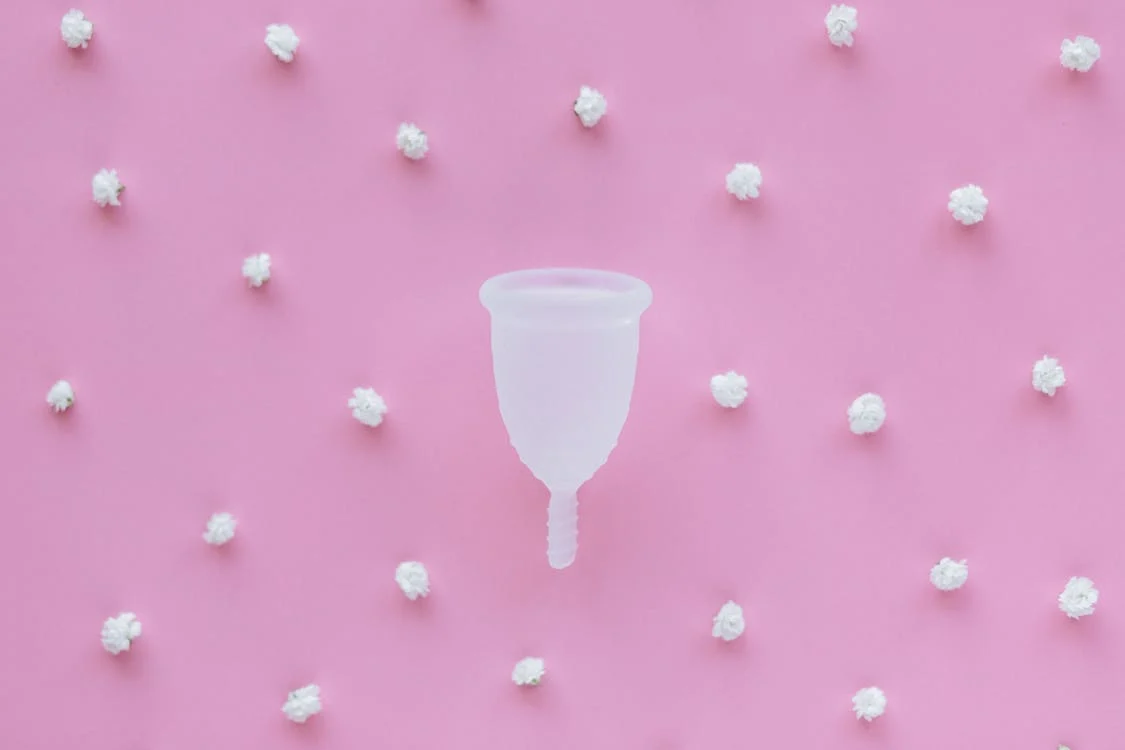

Menstrual cups have gained immense popularity as an eco-friendly and cost-effective alternative to traditional menstrual products like pads and tampons. Many women prefer them due to their reusability, long wear time, and sustainability. However, despite their benefits, concerns have been raised about their safety, potential health risks, and whether they are suitable for everyone.
While menstrual cups are generally considered safe, they are not completely risk-free. Issues such as infections, allergic reactions, improper use, and potential health complications have been reported in some cases. In this article, we will explore the potential risks of using menstrual cups, best practices for safe usage, and what precautions to take to ensure a healthy and comfortable experience.
What is a Menstrual Cup?
A menstrual cup is a small, flexible, bell-shaped device made from medical-grade materials such as silicone, rubber, latex, or elastomer. It is inserted into the vagina during menstruation to collect menstrual blood. Unlike tampons or pads, which absorb blood, a menstrual cup collects it, allowing for longer wear times of up to 12 hours before needing to be emptied.
Many people choose menstrual cups because they are reusable, environmentally friendly, and more affordable in the long run compared to disposable menstrual products. However, understanding how to use them correctly and being aware of potential risks is crucial for safe usage.
Potential Health Risks of Menstrual Cups
Although menstrual cups offer several advantages, they also come with potential risks. Some of the key concerns include:
1. Risk of Toxic Shock Syndrome (TSS)
Toxic Shock Syndrome (TSS) is a rare but life-threatening bacterial infection caused by toxins released by the Staphylococcus aureus bacteria. Historically, TSS has been associated with prolonged tampon use, but there have been rare cases linked to menstrual cup usage as well.
Why does this happen?
• If a menstrual cup is left in for too long, bacteria can multiply, leading to infection.
• Improper cleaning or inserting the cup with dirty hands can introduce harmful bacteria into the vagina.
How to minimize the risk:
• Always wash hands thoroughly before inserting or removing the cup.
• Clean and sterilize the cup properly before and after each use.
• Do not exceed the recommended wear time of 12 hours.
2. Vaginal Infections and Bacterial Imbalance
Using a menstrual cup improperly or not maintaining hygiene can lead to infections such as bacterial vaginosis (BV) or yeast infections. These infections occur when harmful bacteria or fungi grow uncontrollably inside the vagina.
Common causes:
• Not washing the cup properly after each use.
• Using scented soaps or harsh chemicals that disrupt the vaginal pH.
• Leaving the cup in for too long.
Prevention tips:
• Use only mild, unscented soap and water to clean the cup.
• Boil the cup for 5–10 minutes between cycles for sterilization.
• Empty and rinse the cup every 4–12 hours as needed.
3. Menstrual Cup and IUD Expulsion
For women using an intrauterine device (IUD) for birth control, menstrual cups may increase the risk of accidental IUD expulsion. Some reports suggest that the suction created while removing a menstrual cup can dislodge an IUD from its place.
What you can do:
• Wait at least a few weeks after IUD insertion before using a menstrual cup.
• Release the suction seal properly before removing the cup.
• Speak to a gynecologist if you are unsure about using a menstrual cup with an IUD.
4. Allergic Reactions and Sensitivities
Most menstrual cups are made from hypoallergenic materials like medical-grade silicone, making them safe for most users. However, some people may have allergies to latex or rubber.
Signs of an allergic reaction:
• Itching, redness, or swelling in the vaginal area.
• Unusual discomfort or pain while using the cup.
How to avoid allergic reactions:
• Choose a cup made from medical-grade silicone if you have a latex allergy.
• If irritation occurs, discontinue use and consult a doctor.
5. Difficulty with Insertion and Removal
For first-time users, inserting and removing a menstrual cup can be challenging. If not done correctly, it can cause vaginal discomfort or even minor injuries.
Common mistakes:
• Not folding the cup properly for easy insertion.
• Pulling the cup out forcefully without breaking the suction seal.
How to use it correctly:
• Learn different folding techniques (C-fold, punch-down fold, or 7-fold) to ease insertion.
• To remove, gently pinch the base of the cup to release suction before pulling it out.
• Relax your muscles and take deep breaths to make removal easier.
Best Practices for Safe Menstrual Cup Use
To minimize risks and ensure a safe experience, follow these best practices:
 Practice Good Hygiene: Always wash hands before inserting or removing the cup. Clean the cup properly with mild, unscented soap and sterilize it between cycles.
Follow the Manufacturer’s Instructions: Each brand may have specific usage guidelines. Read and follow them carefully.
Use the Right Size: Menstrual cups come in different sizes based on age, childbirth history, and flow level. Using the right size can prevent leaks and discomfort.
Be Aware of Your Body: If you experience unusual pain, excessive irritation, or an infection, discontinue use and consult a healthcare provider.
Change Regularly: Even though menstrual cups can be worn for up to 12 hours, it’s best to empty and rinse them every 4–8 hours if possible, especially on heavy flow days.
Who Should Avoid Menstrual Cups?
Menstrual cups may not be suitable for everyone. You should avoid or consult a doctor before using a menstrual cup if you:
• Have a history of recurrent vaginal infections.
• Have an IUD and are concerned about displacement.
• Have recently given birth or had surgery in the vaginal area.
• Experience consistent discomfort or pain while using a cup.
Final Thoughts: Should You Use a Menstrual Cup?
Menstrual cups are an excellent alternative to disposable menstrual products, offering long-term cost savings and environmental benefits. However, like any medical or hygiene product, they come with potential risks that should not be ignored.
By maintaining proper hygiene, following safe usage guidelines, and paying attention to your body’s responses, you can reduce the risks and have a comfortable and safe menstrual cup experience. If you are new to menstrual cups or have concerns about their safety, consult a healthcare professional before making the switch.
References:
1. Healthline – “Menstrual Cup Risks: What You Need to Know”
2. Mayo Clinic – “Safe Use of Menstrual Cups”
3. WebMD – “Menstrual Cups: Pros and Cons”
4. National Institutes of Health (NIH) – “Menstrual Cup and Toxic Shock Syndrome Study”
5. American College of Obstetricians and Gynecologists (ACOG) – “Menstrual Hygiene and Safety”
Read About : Heart Disease Risks in Pregnancy: A Growing Concern for Women
Visit Us At : https://g.co/kgs/rTqAjgt


