


Back pain affects millions worldwide and continues to be a principal cause of disability, missed workdays, and reduced quality of life, and performing the bridge exercise for back pain can help strengthen supportive muscles and reduce discomfort.
A weak core and insufficient spinal support are major contributors to lower back discomfort, especially in people who spend prolonged periods sitting or have poor movement patterns.
While there are many treatment options available, one exercise consistently recommended by clinicians and physiotherapists for its effectiveness and simplicity is the bridge exercise.
What Is the Bridge Exercise?
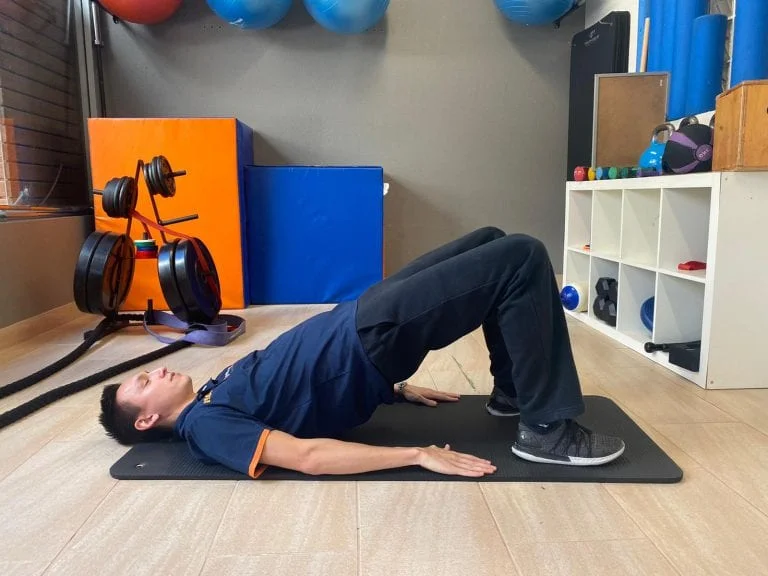
The bridge exercise, often performed in rehabilitation settings, fitness classes, and physiotherapy clinics, involves lying on your back and lifting your hips upward until your body forms a straight line from your shoulders to your knees.
This movement activates the glutes, hamstrings, core muscles, and lower back stabilizers, making it an effective tool for improving muscular support and spinal alignment.
Also known as a supine bridge or hip bridge, this exercise is accessible for most fitness levels and can be modified to intensify or simplify based on individual ability.
Also read:How to Do a Pelvic Tilt Exercise for Lower Back Pain Relief
Why Bridge Exercise Matters for Back Pain and Strengthening
1. Strengthens the Core and Glutes
The bridge movement recruits key muscles responsible for maintaining spinal alignment and stability. Strong glutes and core muscles reduce excessive strain on the lumbar spine, which in turn decreases pain and improves functional movement.
Indeed, glute activation is widely recognized by health professionals as a key component in posture correction and back pain relief.
In addition, strengthening muscles like the transversus abdominis and internal obliques contributes to enhanced stability of the lumbar spine, especially when performed on an unstable surface or with advanced progression.
Research shows that using unstable support during bridge exercises significantly increases muscle activity in deep core muscles, supporting better lumbar stability.
2. Enhances Lumbar Stability
Beyond strength, bridges improve stability, a foundation for safe movement. A review focusing on the supine bridge exercise indicated its value in rehabilitation for individuals with chronic low back pain.
This research highlights how bridge exercises facilitate co-activation of trunk stabilizers, improving postural control and reducing dysfunctional movement patterns.
This stabilization is crucial because weak spinal support often leads to compensatory movements that worsen pain over time.
3. Improves Hip and Lower Back Mobility
While primarily considered a strengthening movement, the bridge also promotes flexibility in the hips and facilitates more controlled movements through the posterior chain.
Tight hip flexors and poor hip extension are common contributors to lower back stiffness, and bridging helps counteract these by gently mobilizing the pelvis and surrounding muscles.
4. Supports Functional Movement
Everyday activities, such as bending to lift objects, standing up from a chair, or walking, involve coordinated action between your core, glutes, and spine.
Because the bridge exercise mimics controlled hip extension combined with core engagement, it translates effectively into improved functional performance and reduced risk of injury during daily tasks.
Also read: Ultimate Guide to Home Physiotherapy for Back Pain
A Step-by-Step Guide
To ensure you benefit from the bridge exercise without placing undue stress on your back, follow this step-by-step approach:
- Lie on Your Back
Start by lying on a comfortable but firm surface. Bend your knees and place your feet flat on the floor, hip-width apart. - Engage Core and Glutes
Before lifting, gently draw your belly button toward your spine. This activates core muscles and helps protect the lower back. - Lift Your Hips Upward
Press your heels into the floor and lift your hips until your body creates a straight line from your shoulders to your knees. Avoid overarching the lower back. - Hold the Position
Maintain the elevated position for 3–5 seconds while breathing steadily. - Lower with Control
Slowly lower your hips back to the starting position without collapsing your spine. - Repetition
Start with 10 repetitions, rest, then complete 2–3 sets. Increase repetitions as strength improves.
This technique ensures maximal muscle engagement and reduces unnecessary lumbar strain.
Variations to Progress and Personalize Bridge Exercises
Once you have mastered the basic bridge exercise, you can gradually introduce variations to enhance strength, challenge coordination, and further support spinal health.
Single-Leg Bridge
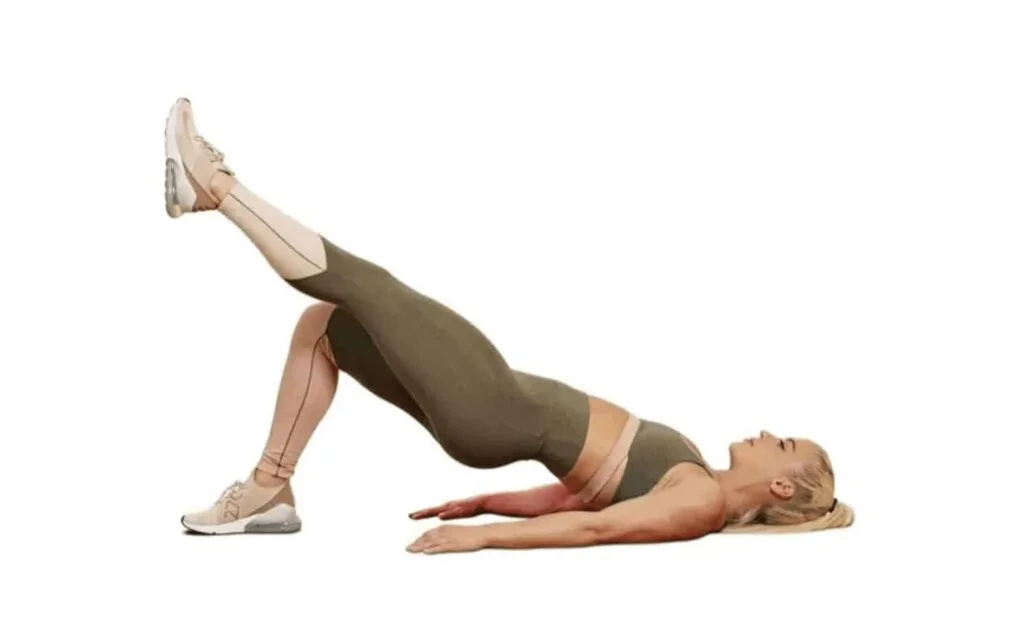
While performing the same movement, extend one leg forward while lifting your hips.
This variation increases the demand on your glutes, hamstrings, and core, improving unilateral strength and balance.
Bridge with Marching
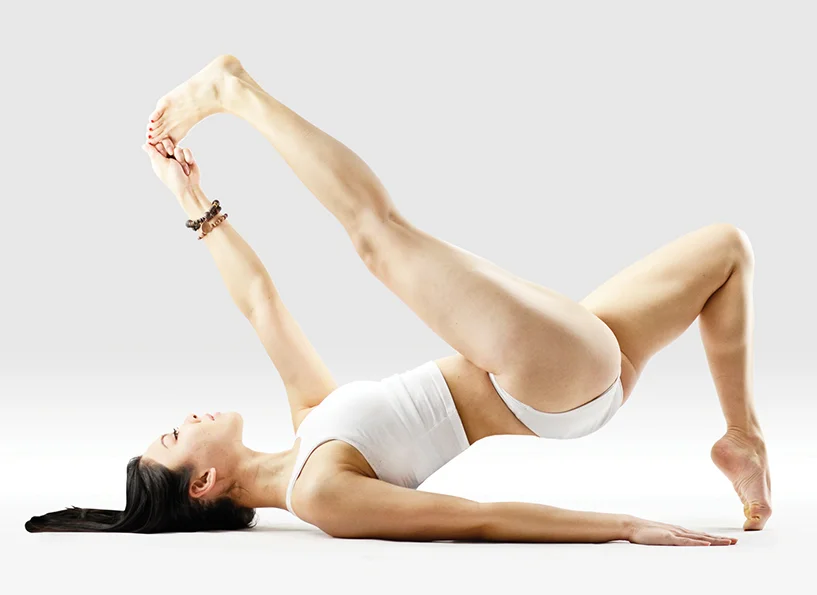
From the top position, lift one foot off the ground briefly, then the other, without dropping the hips. This challenges your core stability and coordination.
Bridge on Unstable Surface

Using a stability ball, foam pad, or balance disc beneath your feet elevates neuromuscular demand and muscle activation, particularly in the deep core and obliques.
Research confirms that unstable bridge exercises increase activity in muscles responsible for lumbar support.
Bridges with Pulse Holds
At the top of the bridge, perform small pulse movements (gentle up and down) to increase time under tension and engage muscles more thoroughly.
These variations help prevent plateaus and ensure continued progress over time.
Also Read: Top 5 Posture Mistakes Causing Back Pain and How to Fix Them
Lesser-Known Facts and New Research Insights
While many people view the bridge as just a basic strengthening exercise, there are additional benefits and research developments worth noting:
1. Influence on Fascial Structures
Recent rehabilitative studies reconceptualize the bridge exercise not only as muscular strengthening but also as a way to modulate fascial stiffness and improve spine segmental stability.
By integrating both muscle and fascial engagement, bridge exercises can more effectively address movement impairments associated with specific types of low back pain.
2. Proprioception and Motor Control Improvements
Patients with chronic low back pain often have impaired proprioception, the body’s ability to sense position and movement.
Bridge exercise programs have been shown to improve trunk proprioception, leading to better spinal stability and reduced pain.
3. Bridge Versus Other Core Exercises

Comparative studies show that prone bridge (plank) exercises and supine bridges both improve muscle thickness and activation.
However, prone bridge variations, due to their unique loading pattern, might offer greater enhancements in deep core muscle thickness in some populations, particularly those with chronic symptoms.
Together, these insights suggest that integrating bridge exercises within a broader rehabilitation program can yield superior outcomes compared with isolated exercises alone.
Also Read: 10 Best Daily Stretches for Back Pain Relief at Home
Precautions to be Taken
Although bridge exercises are generally safe for most adults, there are situations where modifications or medical consultation is recommended:
- Acute or Severe Back Injury: If you are experiencing intense, sharp pain or have a herniated disc, a bridge may exacerbate symptoms. It is advisable to consult with a physiotherapist before performing this movement.
- Sacroiliac Joint Issues: Some individuals with sacroiliac dysfunction may feel discomfort with pelvic lifting movements and should modify or avoid this exercise under professional guidance.
- Hip or Knee Limitations: Pain or significant arthritic changes in the hip or knee joints may make traditional bridges uncomfortable. Modified versions or supine supports can help.
- Pregnancy (Later Stages): Traditional floor bridges in late pregnancy may cause discomfort; pelvic floor and core activation drills guided by a clinician are preferable.
Being mindful of your symptoms and adjusting exercises accordingly enhances safety and long-term adherence.
Also read: Knee-to-Chest Stretch for Bach Pain Relief and Spinal Flexibility- A Complete Guide
Our Clinical Experience
In our clinical practice, the bridge exercise is one of the most effective movements, we prescribe for people with weak core muscles or early symptoms of back pain.
Although it looks simple, many patients initially struggle with proper activation.
Over time, however, those who focus on controlled movements and integrate bridges into a balanced routine consistently report reduced pain, improved posture, and better performance in daily tasks.
Also Read: Cat Cow Stretch Benefits for Back Pain- A Complete Guide
What our Physios Advise You to Do This Week
Practice the bridge exercise 3–4 times this week, focusing on slow and controlled movements.
Pair it with gentle hip mobility stretches and walking for improved circulation and overall movement patterns.
Also Read: Bird Dog Exercises for Back Pain Relief and Core Strengthening
When to Seek a Medical Help
Seek professional evaluation if you experience:
- Progressive leg weakness
- Radiating pain down the leg
- Severe nighttime pain
- Pain not improving despite consistent exercise
These could indicate underlying structural or neurological issues requiring further assessment.
Also Read: https://vcurehealthcare.com/fracture-recovery-know-how-physiotherapy-speeds-up-healing/
A Common Belief We Regularly Correct
Many people believe that bridge exercises are only for fitness enthusiasts.
In reality, when performed correctly, they are a therapeutic movement that strengthens core stabilizers, improves spinal control, and supports long-term back health.
Also Read: This 7 day knee strengthening exercise plan works like Miracle
Final Advice from our Physios
Approach the bridge exercise with intention and patience. Focus on quality over quantity, and integrate it into a balanced routine that includes stretching, strength, and mobility work.
Over time, consistent effort will enhance your spinal support, reduce discomfort, and empower your body to move with confidence and stability.
Read About: Complete Guide to Neck Pain: Causes, Symptoms, Exercises and Treatment
Frequently Asked Questions (FAQ)
1. How often should I do bridge exercises for back pain?
Perform bridge exercises 3–4 times per week, and combine them with gentle mobility and core routines for optimal results.
2. Can bridge exercises reduce lower back pain?
Yes, regular bridge exercises strengthen the core and glutes, improve spinal stability, and help reduce lower back pain when done consistently.
3. Is it normal to feel some discomfort when doing bridges?
Mild muscle activation is normal, but sharp or increasing pain is not. If pain worsens, stop and consult a clinician.
4. Can beginners do bridge exercises?
Absolutely. Start with basic bridges and progress to variations as strength improves.
5. Should I engage my core during the bridge?
Yes. Engaging your abdominal muscles protects your lower back and ensures proper movement mechanics.
6. How many repetitions should I start with?
Start with 10 repetitions per set and aim for 2–3 sets. Increase gradually based on comfort and progress.
7. Can these exercises help with posture?
Yes. Strengthening posterior chain muscles supports better posture and reduces compensatory strain.
8. Is a yoga bridge different from the physiotherapy bridge?
The concepts are similar, but yoga bridges may incorporate additional flexibility or breath elements. Both can benefit spinal health when performed correctly.
9. Can I combine bridges with other exercises?
Yes, combining with pelvic tilts, planks, and walking enhances overall core strength and back support.
10. How soon will I see results?
Consistency is key. Many people notice improved control and reduced stiffness within weeks, with continued improvements over months.
Stay tuned with us for more health related topics.
Follow us on LinkedIn and Instagram for more.


