


Knee pain diagnosis and treatment begin with identifying the underlying cause rather than simply treating the symptoms.
Knee pain is one of the most common musculoskeletal complaints affecting people of all ages, from young athletes and office workers to older adults.
Whether you feel a dull ache while climbing stairs, sharp pain after a sports injury, stiffness in the morning, or swelling after a long walk, knee pain can significantly interfere with your daily life.
As a physiotherapist, one of the biggest misconceptions I hear is, “Pain means I should stop moving.”
In reality, the opposite is often true.
Quick Answer
Knee pain can result from arthritis, ligament injuries, meniscus tears, tendon problems, muscle weakness, overuse, or poor movement patterns. Most cases improve with early physiotherapy, strengthening exercises, weight management, activity modification, and proper rehabilitation. Seek immediate medical attention if knee pain is associated with severe swelling, inability to bear weight, fever, deformity, or a locked knee.
The right type of movement, performed at the right time, can help your knee heal, become stronger, and reduce future injury risk.
Modern research consistently shows that exercise therapy, patient education, and lifestyle modification are among the most effective first-line treatments for most chronic knee conditions. (BMJ)
The knee is not simply a hinge joint.
It is an intricate system of bones, cartilage, ligaments, tendons, muscles, nerves, and cushioning tissues that work together to allow walking, running, jumping, squatting, kneeling, and changing direction.
Even a small problem in one of these structures can alter the mechanics of the entire lower limb.
In this pillar guide,
I’ll explain knee pain from a physiotherapist’s perspective using evidence-based research while keeping the information practical and easy to understand.
Whether your pain is recent or has been bothering you for years, understanding your knee is the first step toward recovery.
Key Takeaways
- Knee pain has many causes, including arthritis, ligament injuries, tendon disorders, cartilage damage, muscle weakness, and overuse.
- A thorough clinical examination is often more valuable than relying solely on MRI findings.
- Physiotherapy is considered one of the most effective first-line treatments for many knee conditions.
- Strengthening the hips, thighs, and core improves knee stability and reduces pain.
- Regular exercise is generally better than prolonged rest for most chronic knee problems.
- Maintaining a healthy body weight significantly reduces stress on the knee joint.
- Proper footwear, gradual training progression, and movement correction help prevent injuries.
- Most knee pain improves with conservative treatment when addressed early.
- Severe swelling, inability to bear weight, fever, deformity, or knee locking require urgent medical evaluation.
- Consistency with rehabilitation is the key to long-term recovery and preventing recurrence.
What Is Knee Pain?
Knee pain is any discomfort arising from the structures in or around the knee joint.
The pain may originate from:
- Bones
- Cartilage
- Meniscus
- Ligaments
- Tendons
- Muscles
- Bursa
- Synovial lining
- Nerves
- Referred pain from the hip or lower back
The severity varies greatly.
Some people only notice pain while climbing stairs, whereas others struggle to walk even short distances.
Interestingly, pain intensity doesn’t always match the amount of damage seen on scans.
Some individuals have severe arthritis visible on X-rays with minimal symptoms, while others experience significant pain despite relatively normal imaging findings.
This is why physiotherapists assess movement patterns, strength, flexibility, balance, and functional limitations rather than relying solely on MRI or X-ray reports. (BMJ)
Why Is the Knee So Vulnerable?
Your knee is one of the largest and hardest-working joints in the body.
Every step you take places substantial force through the joint.
During everyday activities, your knee experiences approximately:
- Walking: 2 to 3 times body weight
- Climbing stairs: 3 to 4 times body weight
- Running: 5 to 8 times body weight
- Jumping and landing: up to 10 times body weight depending on the activity
Unlike the hip, which has a deep socket for stability, the knee depends heavily on muscles and ligaments to remain stable during movement.
When these supporting structures become weak, tight, fatigued, or injured, abnormal loading increases the risk of pain and injury.
Understanding Knee Anatomy
Before treating knee pain, it’s important to understand what actually makes up the knee joint.
Bones
Three bones meet at the knee:
- Femur (thigh bone)
- Tibia (shin bone)
- Patella (kneecap)
These bones create two primary joints:
- Tibiofemoral joint
- Patellofemoral joint
Each plays a unique role in walking and weight-bearing.
Articular Cartilage
The ends of the bones are covered by smooth cartilage.
Its functions include:
- Reducing friction
- Absorbing shock
- Distributing body weight evenly
- Allowing smooth movement
Healthy cartilage is incredibly slippery, even more so than ice, allowing painless movement under enormous loads.
Menisci
Inside each knee are two C-shaped cushions:
- Medial meniscus
- Lateral meniscus
Their role includes:
- Shock absorption
- Joint stability
- Load distribution
- Protecting cartilage
A damaged meniscus doesn’t always require surgery.
Many degenerative meniscal tears improve significantly with structured physiotherapy and progressive exercise. (PubMed)
Ligaments
Four major ligaments stabilize the knee:
ACL (Anterior Cruciate Ligament)
Prevents excessive forward movement of the tibia.
PCL (Posterior Cruciate Ligament)
Prevents backward movement.
MCL (Medial Collateral Ligament)
Protects against inward forces.
LCL (Lateral Collateral Ligament)
Protects against outward forces.
These ligaments work continuously to stabilize the knee during cutting, twisting, running, and sudden directional changes.
Tendons
The two most important tendons include:
- Quadriceps tendon
- Patellar tendon
These transfer force from muscles to bones, allowing:
- Standing up
- Climbing stairs
- Jumping
- Running
- Squatting
Repeated overload may lead to tendinopathy, commonly called “Jumper’s Knee.”
Muscles
Strong muscles are your knee’s best natural protection.
The major muscle groups include:
- Quadriceps
- Hamstrings
- Gluteus maximus
- Gluteus medius
- Calf muscles
- Hip rotators
One of the lesser-known facts is that weak hip muscles can significantly increase knee loading.
This is why physiotherapy rarely focuses only on the knee. Instead, we assess the entire lower limb movement chain.
Bursa
Small fluid-filled sacs called bursae reduce friction between tendons, muscles, and bones.
Inflammation causes bursitis, leading to localized swelling and tenderness.
How Common Is Knee Pain?
Knee pain is among the leading causes of disability worldwide.
Research shows that nearly one in four adults experiences frequent knee pain, and the prevalence continues to rise due to increasing obesity rates, sedentary lifestyles, sports participation, and longer life expectancy.
Osteoarthritis alone affects millions of people globally and is one of the most common causes of chronic knee pain. (Wiley Online Library)
Importantly, knee pain is no longer considered a problem only for older adults.
Today, physiotherapists commonly treat:
- Teenagers with sports injuries
- Young adults with patellofemoral pain
- Office workers with muscle weakness
- Recreational runners
- Postpartum women
- Middle-aged adults with early arthritis
- Elderly individuals with degenerative conditions
Different Types of Knee Pain
The location of pain often provides valuable clues.
Front of the Knee
Usually associated with:
- Patellofemoral Pain Syndrome
- Patellar tendinopathy
- Fat pad irritation
- Quadriceps weakness
Pain often worsens while:
- Climbing stairs
- Squatting
- Sitting for long periods
- Running downhill
Inner Knee Pain
Possible causes include:
- Medial meniscus injury
- MCL sprain
- Osteoarthritis
- Pes anserine bursitis
Outer Knee Pain
Common causes include:
- Iliotibial band syndrome
- Lateral meniscus injury
- LCL injury
This type of pain is especially common in runners and cyclists.
Back of the Knee
Possible reasons include:
- Baker’s cyst
- Hamstring injury
- Calf muscle injury
- Posterior meniscus injury
- PCL injury
Diffuse Knee Pain
Pain affecting the whole knee may indicate:
- Osteoarthritis
- Rheumatoid arthritis
- Infection
- Inflammatory arthritis
- Crystal arthritis (gout or pseudogout)
Common Symptoms
Not all knee pain feels the same.
Patients frequently describe:
- Sharp pain
- Dull aching
- Burning sensation
- Clicking
- Popping
- Locking
- Catching
- Buckling
- Stiffness
- Swelling
- Instability
- Difficulty kneeling
- Pain while climbing stairs
- Morning stiffness
- Pain after prolonged sitting
As physiotherapists, we carefully analyze when symptoms appear because timing often reveals more than the pain itself.
For example:
- Morning stiffness lasting less than 30 minutes commonly occurs with osteoarthritis.
- Pain after prolonged sitting may indicate patellofemoral pain.
- Pain only during sports may suggest overuse injuries.
- Sudden swelling after twisting often points toward ligament or meniscus injury.
Pain Does Not Always Mean Damage
One of the biggest myths about knee pain is that pain equals permanent damage.
Modern pain science has completely changed our understanding.
Pain is influenced by many factors:
- Tissue irritation
- Nervous system sensitivity
- Sleep quality
- Stress
- Physical activity
- Fear of movement
- Previous injuries
This explains why two people with similar MRI findings may experience completely different pain levels.
Treating the person, not just the scan, is one of the core principles of modern physiotherapy. (bcmj.org)
Lesser-Known Facts About Knee Pain
Many patients are surprised to learn these evidence-based facts:
Your Knee Cartilage Has No Blood Supply
Cartilage receives nutrients through joint movement.
Gentle movement helps nourish cartilage, while prolonged inactivity may contribute to joint stiffness.
Your Hip Can Cause Knee Pain
Weak hip muscles alter leg alignment and increase stress on the knee.
This is why strengthening the hips often reduces knee pain even when the knee itself isn’t directly exercised.
Weight Loss Has a Bigger Impact Than Many Realize
Even modest weight reduction decreases repetitive loading across the knee joint and can improve pain and function in people with knee osteoarthritis.
Exercise combined with weight management remains one of the most effective non-surgical strategies. (BMJ)
Rest Is Helpful; But Only Temporarily
Complete rest beyond the acute injury phase can lead to muscle weakness, joint stiffness, and delayed recovery.
Controlled, progressive activity usually produces better long-term outcomes than prolonged inactivity.
A Physiotherapist’s Perspective
When someone walks into my clinic complaining of knee pain, my first question isn’t, “Where does it hurt?”
It’s, “What can you no longer do because of your knee?”
That answer tells me far more than an MRI ever could.
As physiotherapists, our goal is not simply to reduce pain.
We aim to restore confidence, improve movement quality, rebuild strength, and help you return to the activities that matter most,
whether that’s climbing stairs without fear, playing with your children, completing a marathon, or simply enjoying a pain-free walk.
The encouraging news is that the majority of knee pain conditions respond well to evidence-based conservative care when addressed early with education, targeted exercise, load management, and lifestyle modifications. (BMJ)
Common Causes of Knee Pain
Knee pain is not a disease itself. Instead, it is a symptom that can arise from dozens of different conditions.
Identifying the underlying cause is essential because the treatment for one condition may not work for another.
As physiotherapists, we don’t just ask where your knee hurts.
We assess when it hurts, what activities trigger it, and how your movement patterns contribute to the problem.
Knee Osteoarthritis (Wear-and-Tear Arthritis)
Osteoarthritis is the most common cause of chronic knee pain worldwide.
It develops when the cartilage that cushions the ends of the bones gradually wears down, leading to changes in the joint, inflammation, stiffness, and pain.
Contrary to popular belief, osteoarthritis is not simply “bone rubbing on bone.”
It is a complex disease involving cartilage, bone, ligaments, muscles, the joint lining, and even the nervous system.
Modern guidelines emphasize that imaging findings alone should not determine treatment,
as many people with severe X-ray changes have surprisingly little pain, while others with mild changes experience significant symptoms.
Common symptoms include:
- Pain during walking
- Morning stiffness lasting less than 30 minutes
- Difficulty climbing stairs
- Knee swelling
- Grinding or cracking sounds
- Reduced walking distance
From a physiotherapy perspective, exercise remains the cornerstone of treatment.
Therapeutic strengthening, neuromuscular training, weight management, and patient education consistently outperform prolonged rest and often reduce the need for surgery.
Meniscus Tears
The menisci act as shock absorbers inside your knee.
They distribute body weight evenly and improve joint stability.
Meniscus tears occur due to:
- Twisting injuries during sports
- Sudden pivoting
- Deep squatting
- Age-related degeneration
Symptoms often include:
- Pain along the joint line
- Swelling
- Clicking
- Locking
- Difficulty fully straightening the knee
One of the biggest changes in modern orthopaedics is that many degenerative meniscus tears no longer require immediate surgery.
High-quality research has shown that structured physiotherapy often provides outcomes comparable to arthroscopic surgery for many adults with degenerative tears.
Surgery is generally reserved for carefully selected patients, such as those with a persistently locked knee or specific traumatic injuries.
Anterior Cruciate Ligament (ACL) Injury
The ACL is one of the knee’s primary stabilizing ligaments.
ACL injuries commonly occur during:
- Football
- Basketball
- Volleyball
- Skiing
- Cricket
- Sudden cutting movements
Typical symptoms include:
- A popping sensation
- Immediate swelling
- Knee instability
- Feeling that the knee “gives way”
Not every ACL tear automatically requires reconstruction.
Many individuals, particularly recreational athletes, achieve excellent long-term function through comprehensive physiotherapy focused on strength, balance, neuromuscular control, and sport-specific rehabilitation.
Treatment decisions should be individualized based on age, activity level, instability episodes, and personal goals.
Posterior Cruciate Ligament (PCL) Injury
PCL injuries are less common than ACL injuries.
Typical causes include:
- Dashboard injuries during car accidents
- Falling directly onto a bent knee
- Contact sports
Pain often develops at the back of the knee with difficulty walking downhill or descending stairs.
Many isolated PCL injuries heal successfully with conservative physiotherapy emphasizing quadriceps strengthening and progressive rehabilitation.
Medial and Lateral Collateral Ligament Injuries
The MCL and LCL protect the knee against sideways forces.
Injuries usually occur due to:
- Contact sports
- Sudden sideways impacts
- Twisting accidents
Symptoms include:
- Localized tenderness
- Swelling
- Instability
- Pain during side movements
Fortunately, most mild to moderate collateral ligament injuries recover without surgery when treated with bracing, load management, and progressive physiotherapy.
Patellofemoral Pain Syndrome (Runner’s Knee)
This is one of the most frequent causes of knee pain in teenagers and young adults.
The pain develops around or behind the kneecap due to altered movement patterns, muscle weakness, excessive training loads, or biomechanical factors.
Patients typically report pain while:
- Climbing stairs
- Squatting
- Running downhill
- Sitting for long periods
- Getting up after prolonged sitting
Interestingly, research shows that the pain often originates from increased stress on surrounding soft tissues rather than damage to the kneecap itself.
Physiotherapy focuses on:
- Hip strengthening
- Quadriceps strengthening
- Movement retraining
- Load modification
- Running technique when appropriate
Patellar Tendinopathy (Jumper’s Knee)
This condition affects the tendon connecting the kneecap to the shin bone.
It commonly develops in:
- Volleyball players
- Basketball players
- Sprinters
- High jump athletes
- Individuals performing repetitive jumping
Pain is usually localized just below the kneecap and becomes worse during jumping, sprinting, or climbing stairs.
Complete rest rarely solves the problem. Instead, modern rehabilitation gradually reloads the tendon using carefully progressed strengthening exercises.
Iliotibial Band Syndrome
Outer knee pain in runners is frequently caused by irritation of the iliotibial band.
Risk factors include:
- Sudden increases in training
- Running on sloped surfaces
- Weak hip muscles
- Poor running mechanics
Pain often appears after several minutes of running and improves with rest.
Treatment focuses on correcting movement mechanics rather than simply stretching the IT band.
Bursitis
Small fluid-filled bursae reduce friction around the knee.
Repeated kneeling, prolonged pressure, trauma, or inflammation may cause bursitis.
Common types include:
- Prepatellar bursitis
- Pes anserine bursitis
- Infrapatellar bursitis
Symptoms include:
- Localized swelling
- Warmth
- Tenderness
- Pain when kneeling
Many cases improve with activity modification, physiotherapy, and addressing the underlying mechanical cause.
Osgood-Schlatter Disease
This condition mainly affects growing adolescents involved in sports.
Rapid bone growth combined with repetitive traction from the quadriceps causes irritation where the patellar tendon attaches to the shin bone.
Symptoms include:
- Pain below the kneecap
- Tender bump on the tibia
- Pain while jumping or sprinting
Despite its alarming name, it usually resolves with growth and appropriate activity modification.
Sinding-Larsen-Johansson Syndrome
This condition resembles Osgood-Schlatter disease but affects the lower pole of the kneecap rather than the shin bone.
It commonly affects active children between 10 and 14 years of age.
Baker’s Cyst
A Baker’s cyst is a fluid-filled swelling behind the knee.
It often develops secondary to:
- Osteoarthritis
- Meniscus tears
- Inflammatory arthritis
Many Baker’s cysts improve once the underlying knee problem is treated.
Rheumatoid Arthritis
Unlike osteoarthritis, rheumatoid arthritis is an autoimmune disease.
The immune system mistakenly attacks the joint lining, leading to:
- Pain
- Swelling
- Warmth
- Morning stiffness lasting longer than one hour
- Multiple joint involvement
Early knee pain diagnosis and medical treatment are crucial to prevent long-term joint damage.
Gout and Pseudogout
Sudden severe knee pain can sometimes result from crystal deposition inside the joint.
Patients often experience:
- Intense pain overnight
- Swelling
- Redness
- Warmth
- Difficulty bearing weight
Although these knee pain conditions resemble infection, they require proper diagnosis and a different treatment.
Infection
Joint infections are uncommon but represent a medical emergency.
Warning signs include:
- Severe swelling
- Fever
- Redness
- Inability to move the knee
- Extreme pain
Anyone experiencing these symptoms should seek urgent medical attention.
Risk Factors for Knee Pain
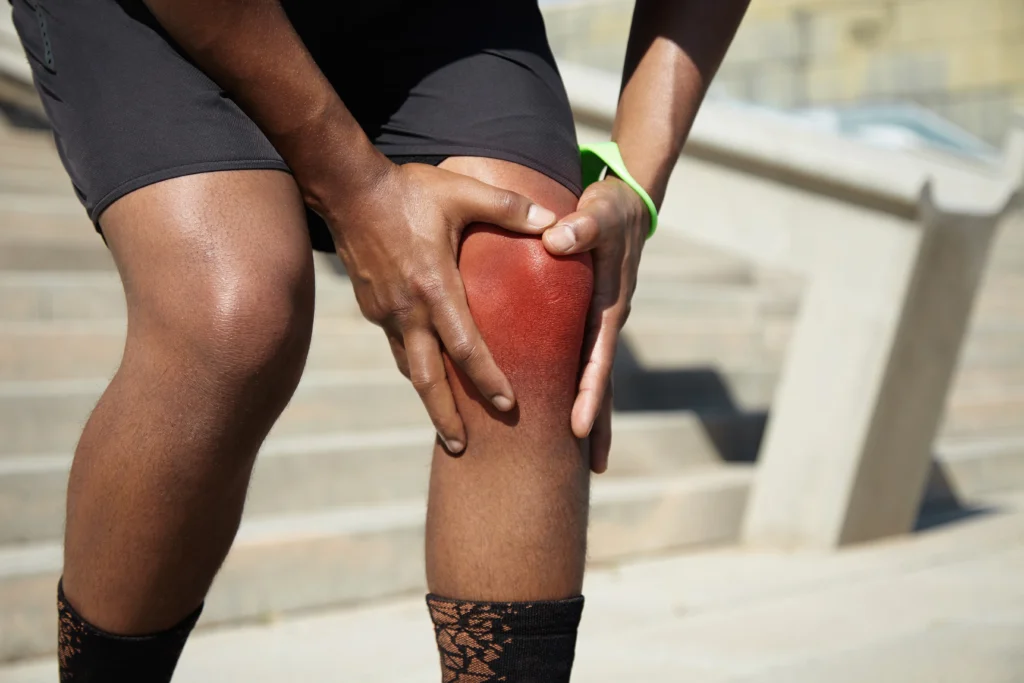
Many knee conditions develop because several risk factors gradually combine over time rather than from a single injury.
Excess Body Weight
Every extra kilogram of body weight substantially increases the force transmitted through the knee during walking, stair climbing, and running.
Research consistently demonstrates that weight reduction decreases pain and improves function in people with knee osteoarthritis. (John Hopkins Arthritis)
Muscle Weakness
Weak muscles cannot adequately absorb force.
Particularly important muscles include:
- Quadriceps
- Gluteus medius
- Gluteus maximus
- Hamstrings
- Calves
Muscle weakness often develops long before knee pain becomes noticeable.
Sudden Increase in Activity
One of the biggest mistakes active individuals make is increasing exercise too quickly.
Examples include:
- Suddenly running 10 km after months of inactivity
- Starting high-intensity workouts overnight
- Excessive stair climbing
- Weekend-only intense sports
The knee adapts gradually. Sudden spikes in training overload tissues faster than they can recover.
Previous Knee Injury
Even after symptoms improve, previous injuries may alter movement patterns.
Without proper rehabilitation, people often compensate by:
- Limping
- Avoiding knee bending
- Weakening surrounding muscles
These compensations may contribute to future pain.
Poor Movement Quality
Many patients blame “bad knees” when the real issue is poor movement mechanics.
Common examples include:
- Knee collapsing inward during squats
- Poor landing technique
- Weak hip control
- Reduced ankle mobility
Physiotherapists identify and correct these movement faults before they cause further injury.
Occupation
Certain occupations increase knee loading, including:
- Construction workers
- Farmers
- Floor installers
- Gardeners
- Plumbers
- Professional cleaners
Repeated kneeling and squatting increase the likelihood of developing knee disorders over time.
Who Is Most at Risk?
Although anyone can develop knee pain, the risk is particularly high among:
- Older adults
- Athletes
- Runners
- Individuals with obesity
- Office workers who sit for prolonged periods
- Manual laborers
- Women after menopause
- Adolescents during growth spurts
- People recovering from previous knee injuries
A Physiotherapist’s Clinical Perspective
One of the biggest mistakes I see is treating the knee in isolation.
Your knee sits between the hip and the ankle.
If your hip muscles are weak, your ankle lacks mobility, or your walking mechanics have changed, the knee often becomes the structure that “pays the price.”
This is why a thorough physiotherapy assessment always includes:
- Walking analysis
- Squatting mechanics
- Balance testing
- Hip strength
- Ankle mobility
- Muscle flexibility
- Functional movement assessment
Rather than chasing pain, we identify why the knee is being overloaded.
Once the underlying cause is corrected, the pain often improves naturally.
Perhaps the most reassuring message I can give patients is this:
Most knee pain is highly manageable.
Whether the problem is early arthritis, runner’s knee, tendon irritation, or a degenerative meniscus tear,
modern evidence strongly supports starting with education, progressive exercise therapy, and lifestyle modification before considering invasive treatments. (Cureus)
How Knee Pain Is Diagnosed?
One of the biggest misconceptions about knee pain is that an MRI is always needed to find the cause.
In reality, most knee conditions can be accurately diagnosed through a detailed medical history and a comprehensive physical examination.
Imaging tests are helpful in certain situations, but they should support, not replace, a clinical assessment.
As physiotherapists, we don’t just focus on the painful area.
We assess how you move, why the pain developed, what activities trigger it, and which muscles or joints may be contributing to the problem.
This whole-body approach often identifies issues that imaging alone cannot explain.
According to international clinical guidelines, imaging should be reserved for cases where it will influence treatment decisions or when serious pathology is suspected.
Many people have MRI findings such as cartilage wear or meniscal changes without experiencing any pain, while others have significant symptoms despite relatively normal scans.
Therefore, treatment should be based on the person rather than the imaging report.
Medical History: The Most Important Step
A thorough conversation often provides more diagnostic clues than any scan.
During your assessment, a physiotherapist or doctor may ask questions such as:
- When did the pain start?
- Did the pain begin suddenly or gradually?
- Is there a history of trauma or sports injury?
- Which activities make the pain worse?
- Does resting reduce the pain?
- Is the pain sharp, dull, burning, or aching?
- Is there any swelling?
- Does the knee lock, click, or give way?
- Do you have stiffness in the morning?
- Have you experienced fever, unexplained weight loss, or night pain?
- Have you injured this knee before?
- What treatments have you already tried?
These answers help narrow down the list of possible conditions even before the physical examination begins.
Physical Examination
A physiotherapy assessment goes far beyond simply pressing on the painful area.
Observation
The first step is observing how you stand and walk.
Your physiotherapist may look for:
- Limping
- Knee swelling
- Redness
- Muscle wasting
- Knee alignment (bow legs or knock knees)
- Foot posture
- Hip position
- Pelvic alignment
Sometimes, subtle changes in posture reveal the root cause of chronic knee pain.
Gait Analysis
Walking provides valuable information about how your knee functions during everyday activities.
Your physiotherapist may observe:
- Step length
- Walking speed
- Knee bending during walking
- Foot strike pattern
- Hip stability
- Weight shifting
- Balance
Many people unknowingly compensate for pain by altering their walking pattern, which can eventually lead to hip, ankle, or lower back problems.
Range of Motion Assessment
Your therapist will assess how well the knee moves.
They will check:
- Knee bending (flexion)
- Knee straightening (extension)
- Pain during movement
- Joint stiffness
- End-feel of the joint
Even a small loss of knee extension can significantly affect walking efficiency.
Muscle Strength Testing
Strong muscles protect the knee by absorbing forces during movement.
Common muscles tested include:
- Quadriceps
- Hamstrings
- Gluteus maximus
- Gluteus medius
- Hip rotators
- Calf muscles
One of the lesser-known facts is that hip muscle weakness is one of the most common contributors to chronic anterior knee pain, particularly in runners and active individuals.
Improving hip strength often reduces stress on the knee.
Functional Movement Assessment
Rather than focusing only on isolated muscles, physiotherapists assess how your body moves during everyday tasks.
You may be asked to perform:
- Squats
- Lunges
- Single-leg balance
- Step-down tests
- Stair climbing
- Sit-to-stand movements
- Small jumps (for athletes)
These functional assessments often reproduce symptoms and help identify movement faults that contribute to pain.
Special Orthopaedic Tests
Depending on your symptoms, your clinician may perform specific tests to assess different knee structures.
Examples include:
For ligament injuries:
- Lachman test
- Anterior drawer test
- Posterior drawer test
- Valgus stress test
- Varus stress test
For meniscus injuries:
- McMurray test
- Thessaly test
For patellofemoral pain:
- Patellar compression test
- Patellar tracking assessment
These tests are most useful when combined with your history and overall examination rather than interpreted in isolation.
Do You Need an X-ray?
Not everyone with knee pain requires an X-ray.
An X-ray may be recommended if:
- You have persistent pain lasting several weeks
- Osteoarthritis is suspected
- There is significant trauma
- A fracture is possible
- Knee alignment needs evaluation
- Surgery is being considered
X-rays are particularly useful for assessing:
- Bone fractures
- Joint space narrowing
- Bone spurs (osteophytes)
- Alignment changes
- Advanced osteoarthritis
However, X-rays cannot show soft tissues such as ligaments, tendons, or menisci.
When Is an MRI Necessary?
MRI provides detailed images of soft tissues and is often requested when more information is needed.
Your healthcare provider may recommend an MRI if:
- A ligament tear is suspected
- A meniscus injury is likely
- Symptoms persist despite appropriate treatment
- Surgery is being considered
- There are unexplained mechanical symptoms such as locking
- A tumour or infection is suspected
Interestingly, MRI findings should always be interpreted carefully.
Many adults over the age of 40 have meniscal tears or cartilage changes visible on MRI without experiencing any knee pain.
Treating the scan instead of the patient can lead to unnecessary interventions.
Blood Tests
Blood tests are not routinely required for most mechanical knee problems.
However, they may be recommended if your doctor suspects:
- Rheumatoid arthritis
- Gout
- Infection
- Lupus
- Other inflammatory conditions
These tests help identify systemic diseases that may present with knee pain.
When Knee Pain Requires Immediate Medical Attention
Most knee pain improves with appropriate management, but some situations require urgent medical evaluation.
Seek immediate medical care if you experience:
Severe Swelling After an Injury
Rapid swelling within a few hours may indicate:
- ACL rupture
- Fracture
- Significant ligament injury
- Bleeding inside the joint
Prompt assessment improves treatment planning and recovery.
Inability to Bear Weight
If you cannot stand or walk after an injury, it may indicate:
- Fracture
- Major ligament injury
- Severe tendon rupture
- Dislocation
Avoid forcing yourself to walk until you have been assessed.
Fever With Knee Pain
Pain accompanied by:
- Fever
- Chills
- Redness
- Warmth
- Severe swelling
could indicate a joint infection, which is a medical emergency requiring immediate treatment.
A Locked Knee
If your knee becomes physically stuck and cannot fully straighten or bend, this may be caused by:
- A displaced meniscus tear
- Loose cartilage fragment
- Mechanical blockage
Persistent locking should be assessed promptly.
Sudden Deformity
If the knee appears visibly deformed after trauma, seek emergency care immediately. This may indicate:
- Knee dislocation
- Fracture
- Major ligament injury
Persistent Night Pain
Pain that consistently wakes you from sleep or occurs without movement should always be investigated, especially if accompanied by unexplained weight loss or general illness.
Although uncommon, these symptoms may indicate infection, inflammatory disease, or, rarely, a tumour.
Physiotherapy Assessment: Looking Beyond the Knee
One of the biggest differences between a physiotherapy assessment and simply reviewing an MRI is that physiotherapists examine the entire movement system.
Hip Assessment
Weak hip muscles often increase stress on the knee.
Your physiotherapist may evaluate:
- Hip strength
- Hip flexibility
- Pelvic control
- Single-leg stability
Correcting hip dysfunction frequently reduces knee pain, especially in runners and individuals with patellofemoral pain syndrome.
Ankle and Foot Assessment
Limited ankle mobility or poor foot mechanics can change the way forces travel through the knee.
Assessment may include:
- Ankle flexibility
- Foot arch
- Heel alignment
- Walking mechanics
Sometimes improving ankle mobility alone reduces excessive knee loading.
Core Stability
The trunk provides the foundation for lower-limb movement.
Poor core control may contribute to:
- Knee collapse during squatting
- Running injuries
- Reduced balance
- Recurrent sports injuries
This is why rehabilitation programmes often include exercises that appear unrelated to the knee but improve overall movement quality.
Evidence-Based Treatment Options
The best treatment depends on the underlying diagnosis, your age, activity level, and personal goals.
In most cases, a combination of education, exercise, and gradual activity modification produces the best long-term outcomes.
1. Patient Education
Understanding your condition is the first step toward recovery.
Your physiotherapist will explain:
- Why your knee hurts
- Which activities are safe
- Which movements should be temporarily modified
- Realistic recovery expectations
- How to manage flare-ups
People who understand their condition are often more confident, less fearful of movement, and more likely to recover successfully.
2. Physiotherapy: The Cornerstone of Treatment
For many knee conditions, physiotherapy is the first-line treatment recommended by international guidelines.
A tailored rehabilitation programme may include:
- Strength training
- Range-of-motion exercises
- Balance training
- Neuromuscular retraining
- Functional movement correction
- Manual therapy when appropriate
- Gait retraining
- Activity modification
Rather than masking pain, physiotherapy addresses the underlying mechanical factors contributing to knee problems.
3. Pain Relief Medications
Depending on your condition, your doctor may recommend:
- Paracetamol (in selected cases)
- Non-steroidal anti-inflammatory drugs (NSAIDs)
- Topical anti-inflammatory gels
- Short-term prescription medications
Medication should complement rehabilitation rather than replace it.
4. Knee Braces and Supports
Braces may provide temporary support for selected conditions such as:
- Ligament injuries
- Mild instability
- Certain cases of osteoarthritis
- Patellofemoral pain
However, prolonged dependence on a brace without strengthening the surrounding muscles may delay recovery.
5. Injections
In some cases, injections may be considered when symptoms persist despite conservative care.
Options include:
- Corticosteroid injections
- Hyaluronic acid injections
- Platelet-rich plasma (PRP) in selected cases
The benefits vary depending on the diagnosis, and injections should always be part of a broader rehabilitation plan rather than a standalone solution.
6. Surgery
Fortunately, surgery is not necessary for most people with knee pain.
It may be recommended for:
- Complete ACL tears with significant instability
- Certain traumatic meniscus tears
- Advanced osteoarthritis requiring knee replacement
- Fractures
- Persistent symptoms that do not respond to appropriate conservative treatment
Even when surgery is required, prehabilitation (exercise before surgery) and post-operative physiotherapy play a crucial role in:
improving outcomes, restoring strength, and helping patients return to their daily activities more safely and efficiently.
Evidence-Based Exercises for Knee Pain
One of the most common questions I hear in the clinic is, “Should I rest my knee until the pain goes away?”
The answer is usually no.
While a short period of rest may be necessary after an acute injury, prolonged inactivity can weaken the muscles surrounding the knee, reduce joint lubrication, increase stiffness, and delay recovery.
The goal is to keep moving within a comfortable pain range while gradually rebuilding strength and confidence.
Important: Stop exercising and seek medical advice if you experience severe pain, significant swelling, knee locking, or instability during these exercises.
1. Quadriceps Sets
Why it helps: Activates the front thigh muscles without placing excessive stress on the knee.
How to perform:
- Sit with your leg straight.
- Tighten the muscles on the front of your thigh.
- Push the back of your knee gently toward the floor.
- Hold for 5 to 10 seconds.
- Repeat 10 to 15 times.
Best for:
- Osteoarthritis
- Post-surgery rehabilitation
- General knee weakness
2. Straight Leg Raises
This exercise strengthens the quadriceps while keeping the knee relatively unloaded.
How to perform:
- Lie on your back.
- Bend one knee.
- Keep the painful leg straight.
- Lift it about 30 to 40 cm.
- Hold for 2 to 3 seconds.
- Slowly lower.
Perform 2 to 3 sets of 10 repetitions.
3. Mini Squats
Unlike deep squats, mini squats improve lower-limb strength without excessively increasing joint compression.
Stand with feet shoulder-width apart.
- Bend your knees about 30 to 45 degrees.
- Keep your knees aligned with your toes.
- Return to standing.
Avoid allowing the knees to collapse inward.
4. Step-Ups
Using a low step:
- Step up slowly.
- Straighten the knee completely.
- Step back down with control.
This exercise improves stair-climbing ability and functional strength.
5. Glute Bridges
Many people forget that strong hip muscles reduce stress on the knee.
Lie on your back.
- Bend both knees.
- Lift your hips.
- Squeeze your buttocks.
- Hold for 5 seconds.
- Lower slowly.
6. Clamshell Exercise
Excellent for strengthening the gluteus medius.
Weak hip muscles often contribute to:
- Runner’s knee
- Knee valgus
- Patellofemoral pain
7. Hamstring Stretch
Tight hamstrings increase stress across the knee.
Hold gentle stretches for 20 to 30 seconds.
Avoid bouncing.
8. Calf Stretch
Reduced ankle mobility often changes knee mechanics.
Stretch both the gastrocnemius and soleus muscles daily.
9. Balance Training
Stand on one leg for 20 to 30 seconds.
Progress by:
- Closing your eyes
- Standing on a cushion
- Performing gentle reaches
Improving balance reduces fall risk and enhances knee stability.
10. Walking
Walking remains one of the safest forms of exercise for many people with knee pain.
Begin with manageable distances.
Gradually increase:
- Duration
- Speed
- Frequency
Avoid dramatically increasing your walking volume overnight.
Home Care Tips
Small daily habits often influence recovery just as much as formal exercise.
Use Ice for Acute Flare-Ups
Apply an ice pack for 15 to 20 minutes after activities that temporarily increase pain or swelling.
Always wrap the ice in a towel to protect your skin.
Heat for Stiffness
Heat is often helpful before exercise if stiffness is your main complaint.
Warm showers or heating pads may improve comfort before stretching.
Pace Your Activities
Avoid the “boom and bust” cycle.
Many patients rest for several days and then attempt several hours of activity, causing another painful flare-up.
Instead:
- Break tasks into smaller sessions.
- Alternate activity with short rest periods.
- Increase activity gradually.
Wear Appropriate Footwear
Supportive shoes can improve lower-limb alignment.
Replace worn-out athletic shoes regularly if you walk or run frequently.
Sleep Position
If you sleep on your side, placing a pillow between your knees may reduce overnight discomfort.
Things To Do
- Maintain a healthy body weight.
- Perform strengthening exercises at least three times each week.
- Warm up before sports.
- Increase training gradually.
- Strengthen your hips as well as your knees.
- Stretch regularly.
- Stay physically active.
- Use proper technique while lifting heavy objects.
- Listen to your body’s warning signs.
- Complete your rehabilitation even after the pain improves.
Things To Avoid
- Ignoring persistent pain for months.
- Returning to sports too early.
- Increasing running distance too quickly.
- Wearing worn-out footwear.
- Sitting continuously for several hours.
- Depending entirely on painkillers.
- Believing every MRI finding requires surgery.
- Performing painful deep squats during an acute flare-up without guidance.
- Skipping strength training.
- Comparing your recovery with someone else’s.
Can Knee Pain Be Prevented?
Although not every injury is preventable, many knee problems can be avoided through healthy movement habits.
Maintain Strong Leg Muscles
Strong muscles absorb forces before they reach the joint.
Focus on strengthening:
- Quadriceps
- Hamstrings
- Gluteal muscles
- Calves
Improve Hip Strength
This is one of the most overlooked aspects of knee health.
Weak hips allow the knee to collapse inward during walking, running, and jumping.
Regular hip strengthening reduces stress on the knee joint.
Stay Active
Movement nourishes joint cartilage.
Long periods of inactivity often increase stiffness and reduce muscle strength.
Aim for at least 150 minutes of moderate physical activity each week unless otherwise advised by your healthcare provider.
Progress Exercise Gradually
The “10% rule” is a useful guide for runners and active individuals.
Avoid increasing weekly training volume by more than approximately 10% to reduce overuse injuries.
Improve Balance
Balance training reduces injury risk in both young athletes and older adults.
Simple single-leg exercises performed regularly can significantly improve stability.
Protect Your Knees During Work
If your occupation involves prolonged kneeling:
- Use knee pads.
- Change positions frequently.
- Take movement breaks.
- Stretch during the day.
Lesser-Known Tips Most People Don’t Know
Pain Is Not Always Harmful
A mild increase in discomfort during rehabilitation does not necessarily mean you’re causing damage.
For many chronic conditions, exercising within a tolerable pain level is considered safe and may even promote recovery.
Learning to distinguish between acceptable exercise discomfort and warning pain is an important part of rehabilitation.
Recovery Is Rarely Linear
Some days your knee will feel much better.
Other days it may feel stiff despite doing everything correctly.
These temporary fluctuations are a normal part of tissue healing and should not discourage you.
Muscle Strength Matters More Than Age
I’ve treated patients in their seventies with stronger legs than people in their thirties.
Your muscles respond to training regardless of age.
Consistent strengthening remains one of the best investments in long-term knee health.
Your Brain Influences Pain Too
Stress, anxiety, poor sleep, and fear of movement can amplify pain sensitivity.
Managing these factors through relaxation, good sleep hygiene, and gradual return to activity often improves outcomes alongside physical rehabilitation.
Don’t Chase Perfect Posture
Many people become obsessed with finding the “perfect” sitting or standing posture.
The reality is that the best posture is your next posture.
Changing positions regularly is usually more beneficial than trying to maintain one “ideal” posture for hours.
My Clinical Insight
After treating countless individuals with knee pain, one lesson stands out consistently:
The strongest knees are not necessarily the healthiest knees.
The healthiest knees belong to people who move regularly, load their joints appropriately, and build strength gradually.
Many patients expect a quick fix through injections, braces, or surgery.
While these treatments have their place, long-term success almost always depends on restoring movement quality, rebuilding muscle strength, improving confidence, and addressing the factors that caused the problem in the first place.
Your knee is remarkably adaptable.
Given the right environment, education, and rehabilitation, it has an impressive ability to recover.
Physio Prescription
If you remember only five things from this article, let them be these:
- Keep moving unless a healthcare professional advises otherwise.
- Strengthen your hips as much as your knees.
- Progress your activities gradually.
- Don’t rely solely on MRI findings to make treatment decisions.
- Seek professional guidance early rather than waiting for months.
Small, consistent improvements every day produce far better long-term results than occasional bursts of intense effort.
Myth vs Reality
| Myth | Reality |
|---|---|
| Knee pain always means arthritis. | Knee pain has many possible causes, including tendon, ligament, muscle, cartilage, and movement-related problems. |
| Exercise wears out the knee. | Appropriate exercise strengthens muscles, supports the joint, and often reduces pain. |
| Every meniscus tear requires surgery. | Many degenerative meniscal tears improve with physiotherapy and structured exercise. |
| Cracking sounds mean damage. | Painless clicking or cracking is common and usually harmless. |
| MRI is always necessary. | Many knee conditions can be diagnosed through a thorough clinical examination. |
| Pain means complete rest. | Relative rest followed by gradual, guided movement usually leads to better recovery. |
Final Word
Knee pain can be frustrating, but it does not have to control your life.
Whether your discomfort began after a sports injury, developed gradually with age, or appeared without an obvious reason,
the good news is that most knee conditions respond well to early, evidence-based conservative management.
As a physiotherapist, I encourage you to think beyond temporary pain relief.
Focus instead on understanding your condition, improving movement quality, building strength, managing body weight if needed, and staying physically active.
Recovery is rarely about one magic exercise or one perfect treatment. It is about consistently making small, informed choices that allow your knee to become stronger and more resilient over time.
Remember, pain is your body’s way of asking for attention, not necessarily a sign of permanent damage.
Listen to it, respond wisely, and seek professional guidance when symptoms persist or interfere with your daily life.
With patience, education, and the right rehabilitation plan, you can return to the activities you enjoy and protect your knees for years to come.
Frequently Asked Questions About Knee Pain
1. What is the most common cause of knee pain?
The most common causes of knee pain include osteoarthritis, patellofemoral pain syndrome, meniscus injuries, tendon problems, muscle weakness, and overuse injuries. The exact cause depends on your age, activity level, and medical history.
2. Can knee pain go away without treatment?
Some mild cases improve with rest and activity modification. However, persistent knee pain often requires physiotherapy, strengthening exercises, and lifestyle changes to prevent worsening symptoms.
3. Is walking good for knee pain?
Yes. Walking is generally beneficial for many knee conditions because it improves joint lubrication, circulation, and muscle function. However, walking should be performed within a comfortable pain range.
4. When should I worry about knee pain?
You should seek medical attention if knee pain is associated with severe swelling, inability to bear weight, fever, redness, knee locking, significant instability, or visible deformity.
5. Do all meniscus tears require surgery?
No. Many degenerative meniscus tears improve with physiotherapy and structured exercise programs. Surgery is usually reserved for specific cases such as persistent locking or severe traumatic tears.
6. What are the best exercises for knee pain?
Quadriceps strengthening, straight leg raises, mini squats, step-ups, glute strengthening exercises, balance training, and walking are commonly recommended for improving knee function and reducing pain.
7. Can being overweight cause knee pain?
Yes. Excess body weight increases the forces placed on the knee joint during walking, stair climbing, and other daily activities, increasing the risk of osteoarthritis and chronic knee pain.
8. Is it better to use ice or heat for knee pain?
Ice is generally recommended for acute pain and swelling, while heat may help reduce stiffness and improve mobility before exercise. The best choice depends on the underlying condition.
9. Can physiotherapy help avoid knee surgery?
In many cases, yes. Physiotherapy can improve strength, mobility, stability, and function, helping many individuals manage knee pain successfully without surgery.
10. How long does knee pain take to recover?
Recovery time varies depending on the cause. Minor overuse injuries may improve within a few weeks, while arthritis, ligament injuries, and post-surgical rehabilitation may require several months of structured treatment.
Stay tuned with us for more health related topics.
Follow us on LinkedIn and Instagram for more.
More Read


Medical Disclaimer!
This article has been reviewed and written under the guidance of our Head Physiotherapist, Dr. Kruti Raj (PT, MUHS,CPT,CMPT). The information shared is intended for educational purposes only and should not be considered a substitute for personalized medical advice, diagnosis, or treatment.
Please consult us or any other qualified healthcare professional before beginning any exercise program, especially if you are experiencing pain, recovering from injury, or managing a medical condition.


