


Understanding Neck Cracking Benefits And Risks!
Many people instinctively crack their neck when they feel stiffness or tension. The familiar “pop” sound often brings instant relief, improved mobility, and a temporary feeling of looseness.
But patients frequently ask me in the clinic:
“Doctor, is cracking my neck dangerous?”
“Can it cause stroke?”
The answer is not as simple as yes or no.
Occasional neck cracking may be harmless for many individuals.
However, habitual or forceful neck cracking can sometimes irritate joints, ligaments, nerves, and blood vessels in the cervical spine.
Understanding why the neck cracks and when it becomes risky is essential for protecting spinal health.
Read about our Complete Neck Pain Guide : Causes, Symptoms, Exercises and Treatment
Neck cracking usually occurs due to joint cavitation, the release of gas bubbles inside cervical joints when they are stretched. Occasional neck cracking may not be harmful for most people. However, frequent or forceful cracking can strain ligaments, irritate joints, and lead to neck instability or pain.
Read about: The Best Physiotherapy Exercises for Cervical Spondylosis Relief
The Anatomy Behind Neck Cracking
Cervical Spine Structure
Your neck (cervical spine) contains:
- 7 vertebrae
- Facet joints
- Intervertebral discs
- Ligaments
- Muscles
- Important arteries supplying the brain
Two important arteries run through the cervical spine:
- Vertebral arteries
- Carotid arteries
These arteries supply blood to the brainstem and posterior brain regions.
Because they travel through the neck, sudden rotation or excessive force can theoretically stress these vessels.
Read about : 15 Common Causes of Neck Pain You Should Know
What Actually Causes the “Crack” Sound?

Joint Cavitation: The Real Mechanism
The most common explanation is joint cavitation.
Inside every joint is synovial fluid, which contains dissolved gases such as nitrogen and carbon dioxide.
When a joint is stretched:
- Pressure inside the joint drops
- Gas bubbles form rapidly
- The bubble collapse produces a popping sound
This process is similar to cracking knuckles.
Research using MRI imaging has confirmed that joint cavitation is responsible for most cracking sounds in joints.
However, neck cracking may also occur due to other factors.
Ligament or Tendon Movement
When tendons or ligaments slide over bones, they may produce snapping or clicking sounds.
Cervical Joint Degeneration
In early cervical osteoarthritis:
- cartilage becomes rough
- joints move unevenly
- cracking sounds become more frequent
Read in detail about: Cervical Disc Degeneration: The Hidden Cause of your Neck Pain
Tight Muscles
Muscle tension in the neck can alter joint mechanics, producing cracking sensations.
Postural Stress
Forward head posture from:
- smartphone use
- laptop work
- poor ergonomics
places continuous stress on cervical joints.
Many patients unconsciously crack their neck to temporarily relieve this tension.
Read in detail: Neck Pain from Phone Use? Here’s How to Treat Text Neck Syndrome
Why Neck Cracking Feels So Good
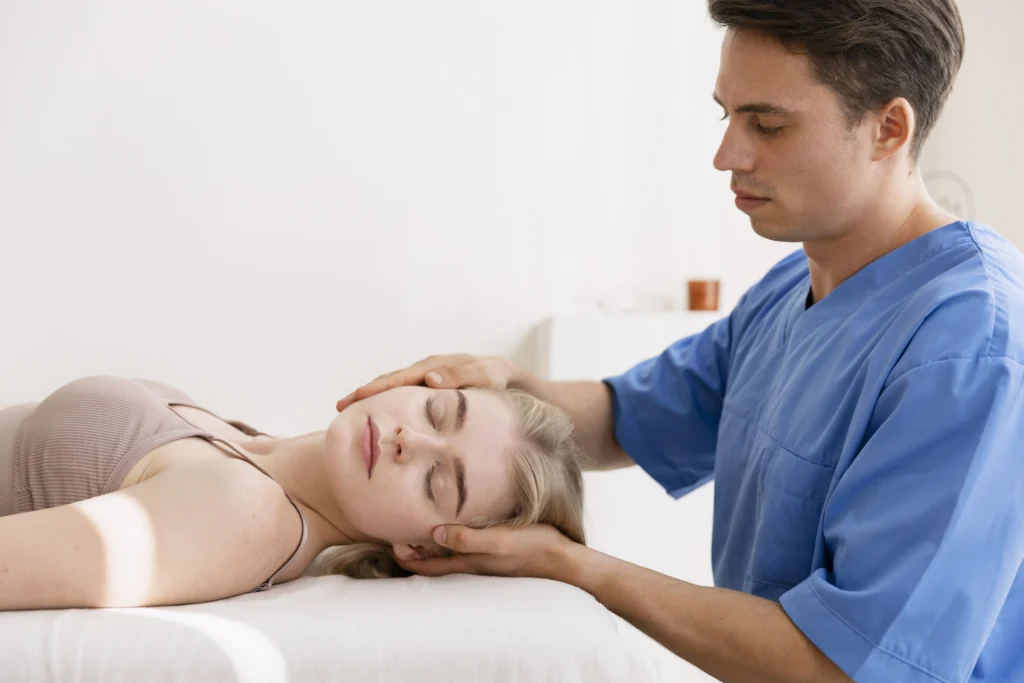
Several physiological factors explain the temporary relief.
Release of Joint Pressure
Cracking reduces pressure inside the facet joints, which may decrease stiffness.
Muscle Relaxation
Stretching during cracking can momentarily relax surrounding muscles.
Neurological Response
Joint movement stimulates mechanoreceptors, which may temporarily reduce pain signals.
Improved Mobility
After cavitation, the joint moves more freely for a short period.
However, this relief is usually temporary, which is why habitual neck cracking often develops.
Learn About: The Ultimate Neck Stretch Routine for Desk Workers in 2026
Is Neck Cracking Actually Harmful?
Occasional gentle neck cracking may not be dangerous for healthy individuals.
But repeated self-manipulation can create several problems.
1. Ligament Laxity and Joint Instability
Repeated cracking stretches cervical ligaments.
Over time this can lead to:
- cervical instability
- joint hypermobility
- chronic neck pain
The body may then depend on cracking for temporary relief, creating a vicious cycle.
2. Muscle Imbalance
Habitual neck cracking may:
- overstretch some muscles
- tighten others
This leads to:
- altered posture
- chronic neck stiffness
- tension headaches.
3. Joint Irritation
Frequent manipulation can irritate facet joints and cause:
- inflammation
- microtrauma
- localized pain.
4. Nerve Irritation
Aggressive twisting of the neck may compress nearby nerves, producing:
- radiating arm pain
- tingling
- numbness.
Also read: How to Relieve Neck Tightness Without Equipment
Can Neck Cracking Cause Stroke?
This is one of the most commonly searched questions online.
The concern is related to a condition called cervical artery dissection (CAD).
Read more: Is Cervical Traction For Neck Pain Really Effective
What is Cervical Artery Dissection?
Cervical artery dissection occurs when the inner wall of an artery in the neck tears.
This can cause:
- blood clot formation
- blockage of blood flow
- ischemic stroke.
CAD is one of the leading causes of stroke in young adults.
Typical symptoms include:
- sudden neck pain
- headache
- dizziness
- visual disturbances.
Read about: How to Relieve Morning Neck Stiffness Naturally
Research Evidence on Neck Manipulation and Stroke
The relationship between neck manipulation and stroke remains controversial.
Key research findings
A systematic review and meta-analysis found no convincing evidence that cervical manipulation directly causes arterial dissection, although a small statistical association exists. (PMC)
Another recent analysis of malpractice cases reported no clear evidence that manipulation causes cervical artery dissection, though stroke has been reported in rare situations following manipulation. (ScienceDirect)
A large multicenter registry analysis published in 2026 found that only about 1 in 20 cervical artery dissection cases had prior neck manipulation, suggesting the absolute risk is extremely low. (PubMed)
However, isolated case reports do exist where carotid or vertebral artery dissection occurred after forceful cervical manipulation. (PubMed)
Why the Confusion Exists
Many researchers believe the association may occur because:
People experiencing early symptoms of artery dissection (neck pain and headache) often seek treatment such as chiropractic manipulation.
Thus, the dissection may already be developing before treatment, rather than being caused by it.
Realistic Risk Perspective
Stroke from neck manipulation is extremely rare, estimated in some reports to occur in about 1 per million manipulations.
However, from a physiotherapy perspective, the focus should be on preventing unnecessary stress on cervical structures.
Read about: 10 Minutes Best Neck and Shoulder Warm Up for Swimmers
Warning Signs That Neck Cracking Is Not Safe
If neck cracking is accompanied by the following symptoms, it requires medical evaluation:
- sudden severe neck pain
- dizziness
- double vision
- difficulty speaking
- weakness in arms or legs
- severe headache
These could indicate vascular or neurological complications.
Read about: Which Is The Best Sitting Posture To Avoid Neck Pain And How To Achieve It
Why Some People Develop a Neck Cracking Habit
Habitual neck cracking often develops due to:
Postural strain
Forward head posture from digital devices.
Stress and muscle tension
Emotional stress increases upper trapezius tightness.
Joint stiffness
Sedentary lifestyle reduces cervical mobility.
Temporary relief loop
Cracking produces short-term relief, reinforcing the behavior.
Read in detail: Best Desk Setup to Reduce Neck and Back Pain
Physiotherapy Perspective: Is Neck Cracking Necessary?
From a physiotherapy standpoint, the body should not rely on self-manipulation to maintain mobility.
Instead, treatment should address the root causes:
- muscle tightness
- joint stiffness
- postural imbalance
- poor ergonomics.
Read About: Best Sleeping Position for Neck Pain: A Physiotherapist’s Complete Guide
Physiotherapy Assessment for Neck Cracking
A physiotherapist evaluates:
- cervical range of motion
- joint mobility
- muscle imbalance
- nerve tension
- posture
- scapular stability.
These assessments help identify why cracking occurs.
Read about: Effective Neck Pain Exercises At Home: A Complete Guide to Relief and Improved Mobility
Physiotherapy Treatment for Habitual Neck Cracking
1. Postural Correction
Correcting forward head posture reduces cervical joint stress.
Key posture cues:
- ears aligned with shoulders
- chin gently tucked
- shoulders relaxed.
Learn how posture affects neck pain and correction exercises in our article on Simple Posture Correction Exercises for Forward Head Posture
2. Deep Neck Flexor Strengthening
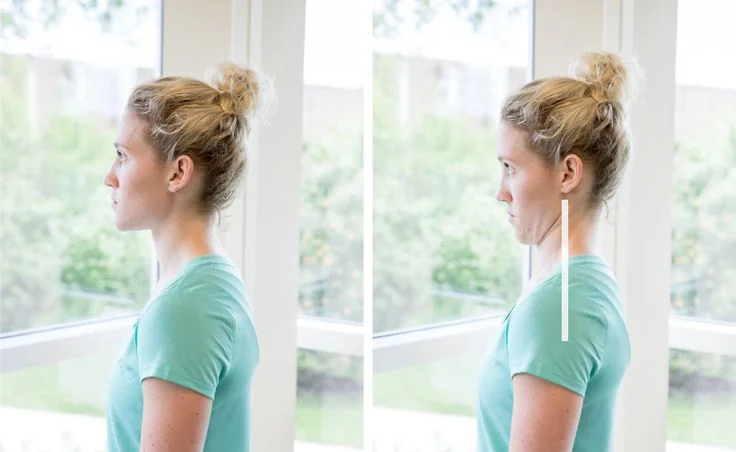
Weak deep neck muscles contribute to instability.
Exercises include:
- chin tuck
- cranio-cervical flexion.
These exercises stabilize cervical joints.
3. Cervical Mobility Exercises
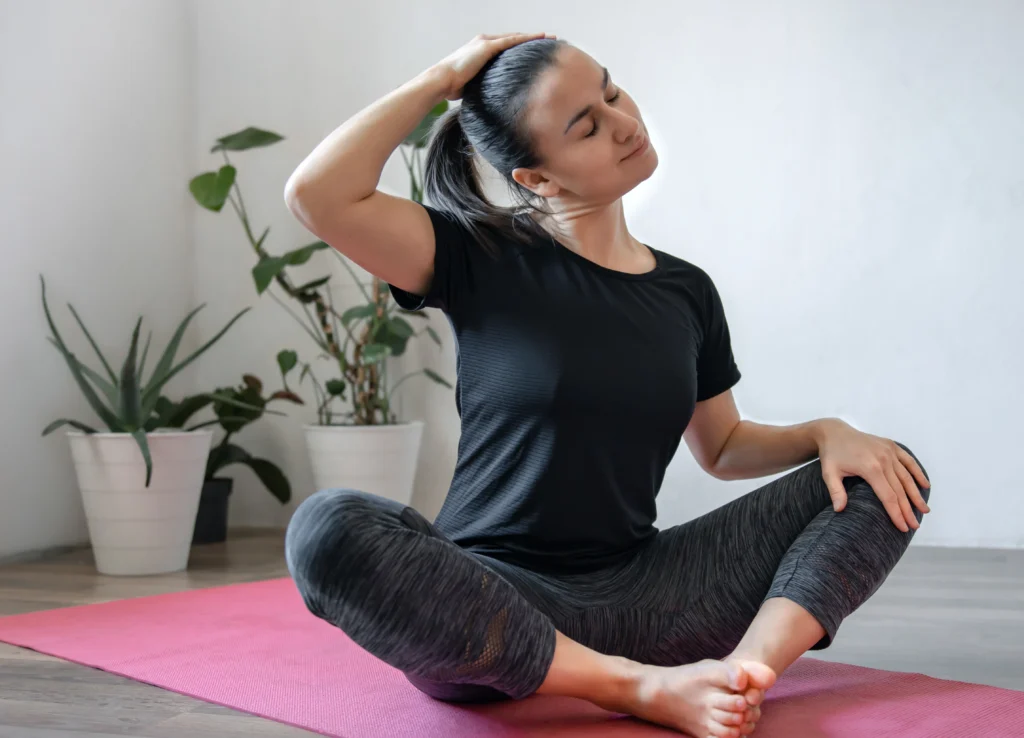
Gentle controlled mobility prevents stiffness without aggressive cracking.
Examples:
- slow neck rotations
- lateral flexion stretches
- cervical extension mobilization.
4. Thoracic Spine Mobilization

Often the real stiffness lies in the upper back, not the neck.
Thoracic mobility exercises include:
- foam roller extensions
- thoracic rotations.
Improving thoracic mobility reduces neck cracking.
Read about: What Is Cervical Myofascial Pain Syndrome And How To Relieve Trigger Points
5. Myofascial Release

Manual therapy techniques release tight muscles such as:
- upper trapezius
- levator scapulae
- sternocleidomastoid.
Read more on : Manual Therapy for Neck Pain: A Physiotherapist’s Evidence Based Guide
Precautionary Measures if Neck Cracking Causes Pain
If neck cracking is associated with discomfort:
Avoid forceful twisting
Never aggressively rotate the neck.
Improve workstation ergonomics
- monitor at eye level
- chair with lumbar support.
Limit phone usage posture
Avoid bending neck forward for prolonged periods.
Strengthen neck muscles
Stable muscles reduce the urge to crack.
Use heat therapy
Warm compresses relax tight muscles.
Seek physiotherapy early
Early treatment prevents chronic cervical issues.
Read about: The Most Effective McKenzie Exercises For Neck Pain
Lesser-Known Facts About Neck Cracking
1. The popping sound does not mean bones are rubbing together.
2. Cracking your neck does not cause arthritis, contrary to popular belief.
3. The urge to crack the neck often indicates underlying muscle imbalance rather than joint misalignment.
4. Upper back stiffness frequently triggers neck cracking habits.
5. Stress and anxiety significantly increase neck tension and cracking frequency.
Read more: Is Cervical Traction For Neck Pain Really Effective
When to See a Physiotherapist
Consult a physiotherapist if you experience:
- frequent neck cracking
- neck stiffness lasting weeks
- headaches related to neck movement
- pain radiating into shoulders or arms.
Early intervention prevents chronic cervical problems.
Also Read: Ultimate 6 Weeks Neck Rehabilitation Exercises For Pain Relief
Frequently Asked Questions
1. Why does my neck crack when I turn it?
The cracking sound usually occurs due to gas bubble release in the cervical joints or tendons sliding over bones.
2. Is cracking your neck bad for you?
Occasional cracking is usually harmless, but frequent or forceful cracking can irritate joints and cause ligament laxity.
3. Can neck cracking cause stroke?
Stroke after neck manipulation is extremely rare, but aggressive cervical movements may stress neck arteries in rare cases.
4. Why do I feel relief after cracking my neck?
Cracking temporarily reduces joint pressure and relaxes surrounding muscles, improving mobility.
5. How can I stop the habit of cracking my neck?
Improving posture, strengthening neck muscles, stretching regularly, and physiotherapy treatment can help break the habit.
Read about: How to Relieve Morning Neck Stiffness Naturally
Final Advice From Our Physios
The occasional neck crack is usually harmless. But frequent self-manipulation should not become a daily habit.
Your neck houses delicate joints, nerves, and blood vessels that deserve careful attention.
Rather than relying on cracking for temporary relief, focus on:
- posture correction
- strengthening exercises
- mobility training
- ergonomic adjustments.
A strong, balanced cervical spine will reduce stiffness naturally without the need for that habitual “pop.”
Read more: Cervical Myelopathy: The Hidden Neck Condition Affecting Your Walking
- The cracking sound in the neck is usually caused by gas bubble release inside joints.
- Occasional neck cracking may be harmless, but habitual cracking can irritate joints and ligaments.
- Stroke after neck manipulation is extremely rare but has been reported in isolated cases.
- Frequent neck cracking often indicates poor posture or muscle imbalance.
- Physiotherapy focuses on posture correction, strengthening, and mobility exercises to prevent cracking habits.
Read About: How to Choose the Right and Best Pillow for Neck Pain
Stay tuned with us for more health related topics.
Follow us on LinkedIn and Instagram for more.
More Read


Medical Disclaimer!
This article has been reviewed and written under the guidance of our Head Physiotherapist, Dr. Kruti Raj (PT, MUHS,CPT,CMPT). The information shared is intended for educational purposes only and should not be considered a substitute for personalized medical advice, diagnosis, or treatment.
Please consult us or any other qualified healthcare professional before beginning any exercise program, especially if you are experiencing pain, recovering from injury, or managing a medical condition.


