


Introduction
Imagine being guided through your daily physiotherapy routine not by a tired therapist with a packed schedule, but by a cheerful robot that never misses a beat. Sounds futuristic? It’s already happening. In a recent breakthrough, researchers have introduced robot-led physical therapy systems for individuals with Parkinson’s disease, and the response has been overwhelmingly positive.
In this article, we’ll explore how this robot-assisted therapy works, the science behind its success, and what this could mean for the future of Parkinson’s care.
Read About : Causes and Symptoms of Parkinsons disease
Why Parkinson’s Disease Needs a Fresh Approach
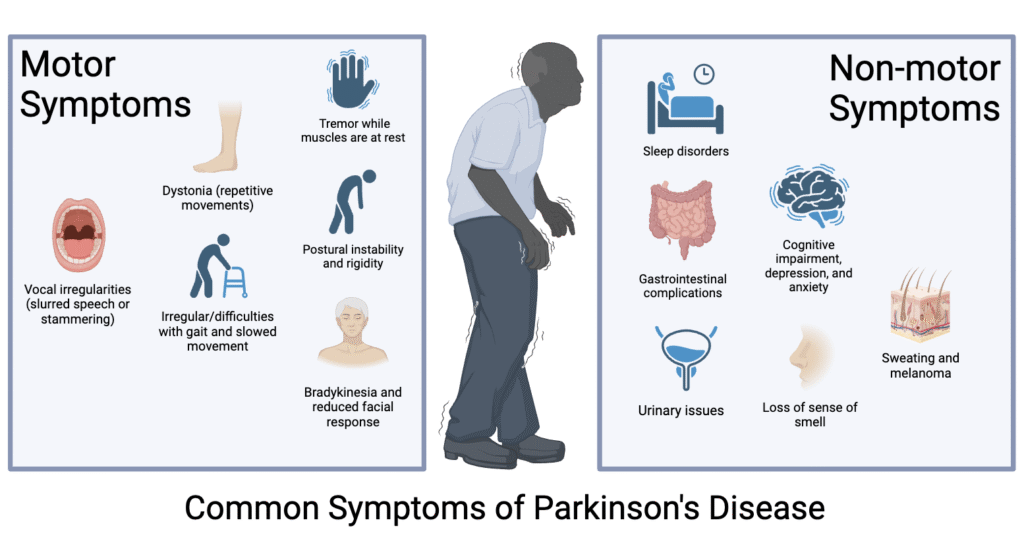
Parkinson’s disease is a progressive neurodegenerative disorder affecting more than 10 million people worldwide, according to the Parkinson’s Foundation. While medications help manage symptoms, physical therapy (PT) remains critical in slowing motor decline, improving balance, and maintaining independence.
Traditional PT, however, comes with challenges:
- Limited access to therapists
- Inconsistent adherence to exercise routines
- Lack of engagement in repetitive therapy sessions
Enter robot-led therapy—a game changer for patients and clinicians alike.
The Study: What Did Researchers Find?
A 2025 study conducted across three major European neurorehabilitation centers assessed the effectiveness of a robot-led therapy program for Parkinson’s patients. The therapy involved:
- A humanoid robot designed to demonstrate exercises
- Real-time motion tracking to monitor patient compliance
- Voice prompts and gamified interactions for motivation
Key Findings:
- 88% of participants reported improved motivation during therapy
- 72% showed enhanced consistency in completing daily routines
- Over 65% experienced improvements in movement fluidity and balance
- Therapists reported significant time savings, allowing them to focus on higher-risk patients
How Does Robot-Led Therapy Work?
The robot doesn’t replace the therapist—it augments the care.
- Customized Sessions: Patients undergo initial evaluation by a physiotherapist who programs the robot with tailored exercises.
- Interactive Guidance: The robot gives verbal cues, demos, and real-time corrections.
- Progress Tracking: Motion sensors and wearable tech feed data into a centralized system for therapist review.
- Gamification: Patients receive points and badges for completing tasks, which boosts compliance and morale.
This setup ensures that patients receive consistent, structured, and monitored therapy, even at home.
What Patients Are Saying
Maria, a 67-year-old participant, shared:
“I used to forget my exercises or get bored. With the robot, it’s like having a buddy who never gets tired. I feel more in control of my body again.”
This emotional engagement might be the biggest breakthrough—robots aren’t just tools; they’re becoming companions in care.
Benefits vs. Challenges
Benefits:
- Improved therapy adherence
- 24/7 availability for home use
- Reduced caregiver burden
- Enhanced data collection for better care planning
Challenges:
- Initial costs and infrastructure
- Need for tech literacy in older populations
- Dependence on reliable internet and maintenance support
The Global Potential
Countries with aging populations—like Japan, Italy, and Germany—are already integrating robotic therapy into eldercare. In India, where Parkinson’s cases are rising but rehab access is uneven, robot-led PT could democratize treatment for millions.
According to a 2024 report by MarketsandMarkets, the robotic rehabilitation market is expected to grow to $2.6 billion by 2028, driven by neurological conditions like Parkinson’s and stroke.
What’s Next?
Robotic rehab is evolving fast. Future innovations might include:
- AI-driven robots that adapt exercises based on real-time fatigue analysis
- Multilingual and culturally tailored therapy protocols
- Tele-robotics allowing therapists to guide robots remotely in rural areas
Final Thoughts
Robot-led therapy is no longer sci-fi—it’s a scientific revolution in motion. For people with Parkinson’s disease, it offers hope, consistency, and dignity. While robots won’t replace the human touch of a skilled therapist, they’ll definitely hold hands with them in transforming how we heal.
So, if you or a loved one is navigating life with Parkinson’s, it might be time to embrace your new robotic exercise coach.
Also Read About : Brain Scientists Just Discovered a Game-Changer for Parkinson’s – Read Now!
Visit Our Doctors At : https://g.co/kgs/rTqAjgt


