
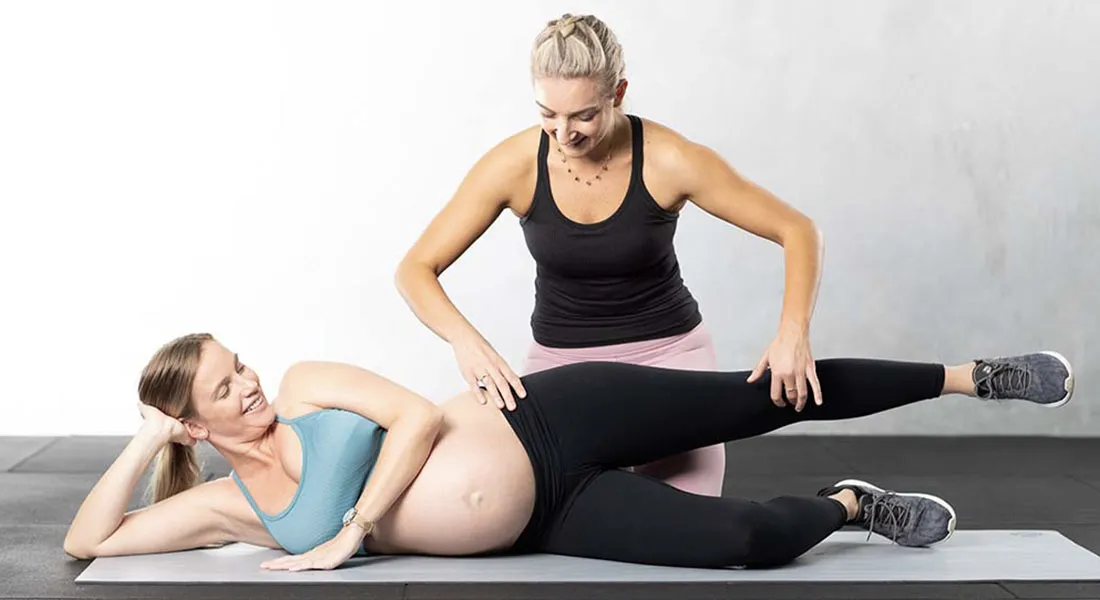

Pregnancy is a remarkable journey that transforms both the body and mind. As expectant mothers experience physical changes—from an expanding belly to shifting posture—discomfort and pain can become common companions. Physiotherapy offers a natural, non-invasive way to manage these challenges. By incorporating targeted exercises and specialized techniques, women can enjoy a healthier, more comfortable pregnancy while preparing their bodies for childbirth.
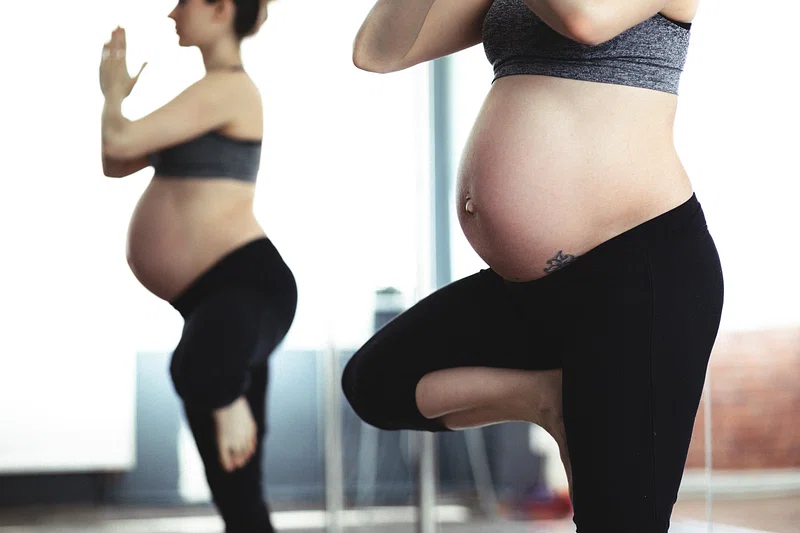
The Role of Physiotherapy During Pregnancy
During pregnancy, the body undergoes dramatic changes. Hormones such as relaxin loosen ligaments to accommodate the growing baby, which can sometimes lead to instability and pain in the back, hips, and pelvic area. Physiotherapy addresses these issues by strengthening key muscle groups, improving flexibility, and promoting better posture. In addition, physiotherapy can help alleviate common pregnancy-related issues such as:
• Back and Pelvic Pain: As the uterus grows, the center of gravity shifts, often resulting in lower back and pelvic discomfort. Physiotherapy helps stabilize the core and pelvis through tailored exercises.
• Poor Posture: Hormonal changes may lead to a slumped posture. Specific stretching and strengthening routines can counteract this, reducing strain on the muscles.
• Urinary Incontinence: Weak pelvic floor muscles are a frequent concern during and after pregnancy. Targeted pelvic floor exercises (Kegels) can improve bladder control and reduce leakage.
• Preparation for Labor: Strengthening the pelvic floor and core muscles can lead to a smoother labor. Physiotherapy techniques also include breathing and relaxation exercises to manage pain during childbirth.
• Improved Circulation: Gentle exercises boost blood flow, helping to reduce swelling in the legs and feet—a common discomfort during pregnancy.
Key Physiotherapy Exercises for Expectant Mothers
Before starting any exercise program, it’s important for pregnant women to consult with their healthcare provider or a qualified physiotherapist. Here are some exercises that are generally safe and effective:
1. Pelvic Floor Exercises (Kegels):
Kegels involve contracting and relaxing the muscles that support the bladder, uterus, and rectum. Regular practice can help prevent urinary incontinence during and after pregnancy. You can try doing 10 repetitions in each set.
2. Pelvic Tilts:
Performed on hands and knees, pelvic tilts involve gently arching and rounding the back. This exercise strengthens the abdominal muscles and relieves lower back pain by reducing the strain on the spine.
3. Cat-Cow Stretch:
Starting on all fours, alternate between arching your back (cat pose) and dipping it downwards (cow pose). This dynamic stretch increases spinal flexibility and alleviates tension in the back and neck.
4. Bridging:
While lying on your back with knees bent and feet flat on the floor, slowly lift your hips upward, hold briefly, and then lower them back down. Bridging strengthens the gluteal muscles and supports the lower back, promoting pelvic stability.
5. Squats:
Standing with feet shoulder-width apart, slowly lower your body as if sitting in an invisible chair, then rise back up. Squats help build leg strength and improve balance. Use a chair for support if necessary and avoid deep squats if you feel unstable.
Safety Guidelines and Considerations
While physiotherapy can greatly benefit expectant mothers, safety should always be the top priority. Follow these guidelines to ensure a safe exercise routine:
• Consult Your Healthcare Provider: Always seek approval from your doctor or midwife before beginning any new exercise regimen during pregnancy.
• Avoid High-Impact Activities: Exercises that involve jumping, rapid changes of direction, or a high risk of falling should be avoided.
• Stay Hydrated: Drink plenty of water before, during, and after exercise sessions to prevent dehydration.
• Listen to Your Body: If you experience dizziness, pain, or shortness of breath, stop the exercise immediately and seek professional advice.
• Modify as Needed: Every pregnancy is unique. Modify exercises to suit your comfort level, especially during later stages of pregnancy.
Real-Life Benefits and Personal Stories
Many women have experienced positive outcomes from incorporating physiotherapy into their prenatal care. One expectant mother noted that regular pelvic tilts and core-strengthening exercises significantly reduced her chronic lower back pain, allowing her to stay active and comfortable throughout her pregnancy. Another shared that practicing Kegels not only improved her bladder control but also made her feel more empowered and prepared for labor.
These personal experiences highlight that physiotherapy isn’t just about physical benefits; it also contributes to emotional well-being by reducing anxiety and fostering a sense of control during a transformative period.
Conclusion
Physiotherapy offers a natural, supportive approach to managing the physical challenges of pregnancy. Through a combination of targeted exercises like pelvic tilts, Kegels, and gentle stretches, expectant mothers can alleviate common discomforts, improve their posture, and build strength for labor. The benefits extend beyond physical relief; many women find that regular physiotherapy reduces stress and boosts confidence during pregnancy.
By following safety guidelines and working with qualified professionals, expectant mothers can make physiotherapy an integral part of their prenatal care routine. Whether you’re looking to ease back pain, enhance your overall well-being, or prepare your body for the demands of childbirth, physiotherapy provides a safe and effective solution.
Embrace the journey of pregnancy with the support of physiotherapy, and enjoy a healthier, more empowered experience as you prepare to welcome your new baby.
References
1. American College of Obstetricians and Gynecologists (ACOG). Recommendations on exercise during pregnancy.
2. National Health Service (NHS). Guidelines on safe exercises for pregnant women.
3. The Journal of Women’s Health Physical Therapy. Research on the benefits of physiotherapy in managing pregnancy-related discomforts.
4. Physiopedia. Articles on pelvic floor exercises and their role in prenatal care.
5. Mayo Clinic. Information on prenatal fitness and safe stretching techniques during pregnancy.
Also Read About : Heart Disease Risks in Pregnancy: A Growing Concern for Women
Visit Us At : https://g.co/kgs/rTqAjgt


