


Knee pain and weak knee muscles are among the most common issues adults face today. Sedentary lifestyles, aging, inflammation, and nutrient deficiencies can all contribute to knee discomfort and instability. Fortunately, with a structured 7 day knee strengthening exercise plan and a nutritious diet designed for joint support.
Most people, especially beginners, can strengthen the muscles around the knee, protect cartilage, and reduce pain over time.
This timetable is designed for beginners with little to no prior strength training. Exercises focus on low-impact movement, muscle activation, and balance, essential building blocks before progressing to heavier strength work.
General Guidelines Before You Begin
- Warm up first with light knee bends or gentle marching for 3–5 minutes to improve circulation.
- Stop if you feel sharp knee pain; mild muscle fatigue is OK.
- Aim to progress gradually from Week 1 to Week 8+.
- Wear comfortable shoes and choose a supportive surface.
- Always breathe deeply and steadily as you move.
- Consistency is more important than intensity on the first week.
Here’s a 7 Days Knee Strengthening Exercises Timetable
Day 1- Foundation: Activate Key Muscles
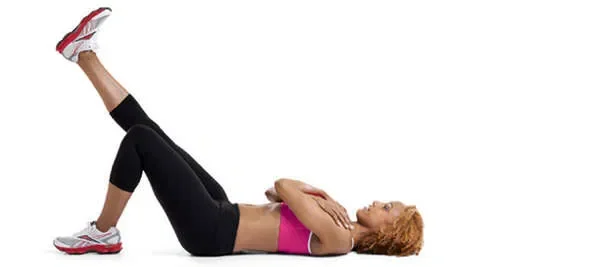
Goal: Wake up muscles that support knee stability.
- Straight Leg Raises
Lie on your back with one leg bent and the other straight; lift the straight leg to the height of the bent knee, hold briefly, then lower slowly- 3 sets of 10 per leg - Seated Knee Extensions
Sit upright in a chair and slowly straighten one leg until fully extended; pause, then lower it back down with control- 3 sets of 10 - Calf Raises
Stand tall with feet hip-width apart, rise up onto your toes, hold for a second, then slowly lower your heels back down- 3 sets of 15 - Gentle Quad Stretch
Stand and hold one ankle behind you, gently pulling your heel toward your buttocks until you feel a stretch in the front of your thigh- 30 seconds each leg
Why This Works: These movements activate the quadriceps, hamstrings, and calves with minimal knee strain. Starting with small, controlled motions sets the foundation for future progression.
Day 2- Balance & Control
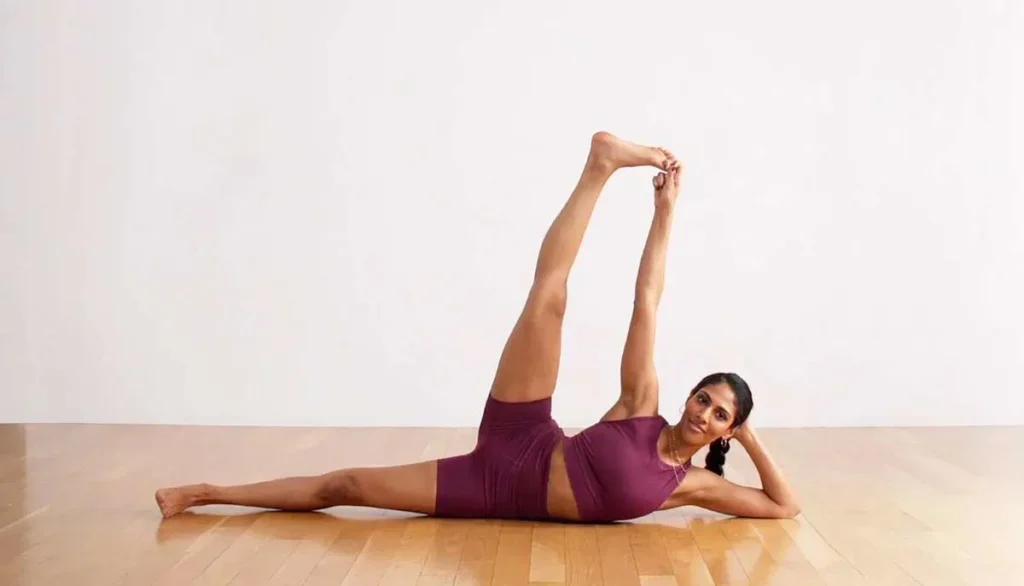
Goal: Improve balance and joint coordination.
- Single-Leg Balance (hold 20 seconds each side)
Stand on one leg while keeping your body upright and steady; hold for 20 seconds, then switch sides- 3 rounds - Heel Walks
Walk forward on your heels with toes lifted off the ground, keeping your legs straight but relaxed- 2 minutes - Side-Leg Raises (Hip Abduction)
Stand or lie on your side and slowly lift one leg outward, keeping it straight, then lower it gently- 3 sets of 12 - Gentle Hamstring Stretch
Sit or stand and extend one leg forward, then lean slightly toward it while keeping your back straight until you feel a stretch behind the thigh- 30 seconds each leg
Why This Works: Balance training engages deep stabilizing muscles around the knee and hip, improving alignment and reducing fall or misstep risk.
Day 3- Functional Strength
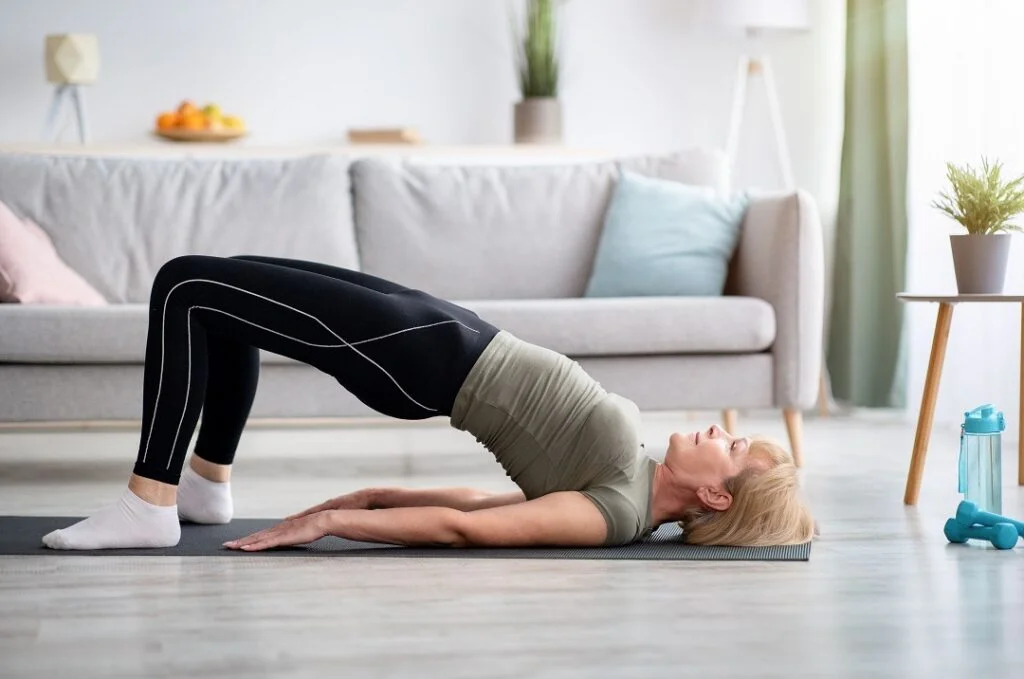
Goal: Add strength while mimicking daily movement patterns.
- Step-Ups (low platform)
Step onto a low platform or stair with one foot, press through your heel to lift your body up, then step back down slowly- 3 sets of 10 each leg - Bridge Holds (glute activation)
Lie on your back with knees bent and feet flat, lift your hips toward the ceiling, squeeze your glutes, and hold before lowering- 3 sets of 15 seconds - Mini Squats (partial squat)
Stand with feet shoulder-width apart and bend your knees slightly as if sitting halfway in a chair, then return to standing- 3 sets of 10 - Calf Stretch
Stand facing a wall, step one leg back, press the heel into the floor, and lean forward gently to stretch the calf- 30 seconds each leg
Why This Works: Step-ups and mini squats mimic activities like climbing stairs, strengthening muscles in movements you use every day.
Day 4- Active Recovery
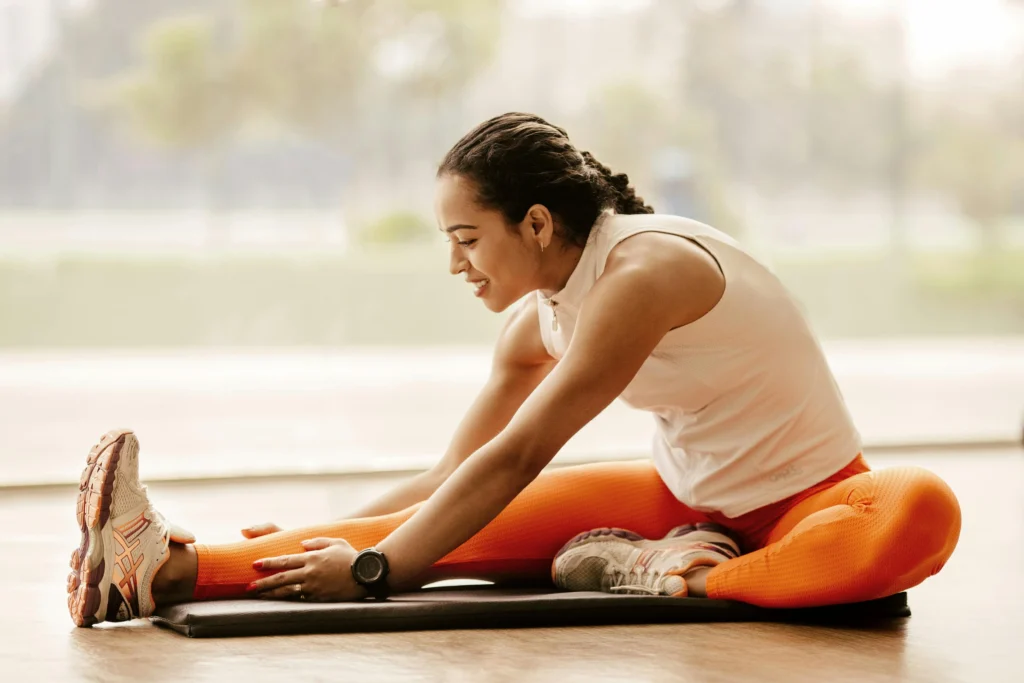
Goal: Stay active while letting muscles recover.
- Gentle Walking
Walk at a comfortable pace on a flat surface, keeping your posture upright and steps steady- 20-30 minutes - Lower Body Stretching Sequence
Perform gentle stretches for quads, hamstrings, calves, and hips, holding each stretch for 20–30 seconds for 10 minutes
Why This Works: Active recovery increases blood flow and enhances muscle healing without stress on the joint.
Day 5- Strengthening Progression
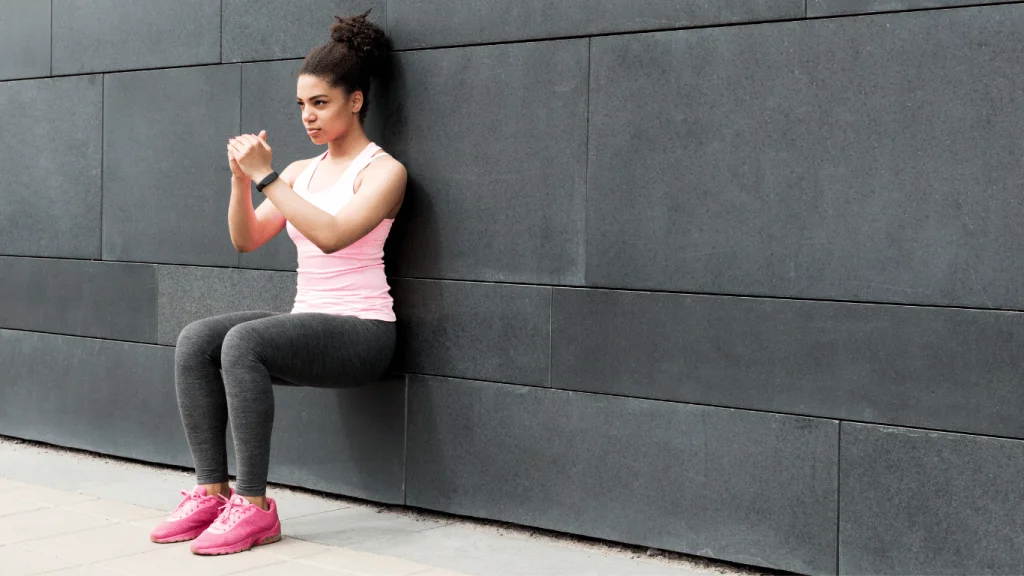
Goal: Build on earlier exercises with slightly greater challenge.
- Wall Squats (supported)
Stand with your back against a wall, slide down into a partial squat position, hold briefly, then slide back up- 3 sets of 10 - Standing Hamstring Curls
Stand upright and bend one knee to bring your heel toward your buttocks, then lower it slowly and repeat on the other side- 3 sets of 12 - Bridge with Squeeze (squeeze at top)
Lift into a bridge position and squeeze your glutes firmly at the top for 2–3 seconds before lowering- 3 sets of 15 - Heel & Toe Walk Combo
Walk forward on your heels for 30 seconds, then switch to walking on your toes for another 30 seconds.
2 rounds of 1 minute each
Why This Works: Slightly deeper muscle engagement enhances strength and endurance without compromising knee safety.
Day 6- Movement Flow + Balance
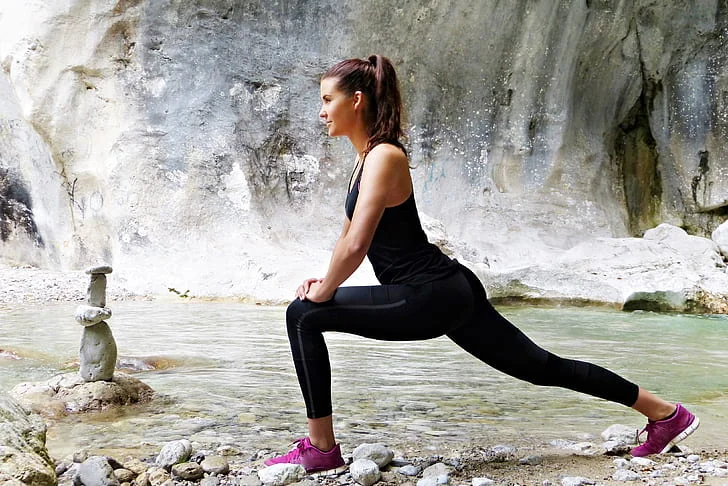
Goal: Combine strength with fluid movement and balance.
- Dynamic Lunges (low impact)
Step one foot forward into a gentle lunge, keeping your front knee aligned over your ankle, then push back to standing and alternate legs- 3 sets of 8 each leg - Lateral Side Steps
Stand with knees slightly bent and take controlled steps sideways, maintaining tension in your legs- 2 sets of 12 - Balance Reach (stand on one leg and gently reach forward)
Stand on one leg and slowly reach your opposite arm forward while maintaining balance, then return upright and repeat- 3 rounds each side - Deep Quadriceps Stretch
Hold your ankle behind you and gently pull your heel closer to your body, keeping knees aligned and hips forward- 30 seconds per leg
Why This Works: Adding movement flow improves coordination and balance, key for walking and daily activities.
Day 7- Active Rest & Reflection

Goal: Give your muscles rest and reflect on progress.
- Gentle Mobility Routine
Perform slow knee circles, ankle rotations, and hip openers to keep joints flexible and reduce stiffness. 10-15 minutes - Light Walk in Nature or Gentle Cycling
Engage in relaxed walking outdoors or easy cycling to promote circulation and joint movement without strain. 15-20 minutes
Why This Works: Rest is when muscles repair and get stronger. Active recovery prevents stiffness and enhances flexibility.
Progression Plan After A Week
Weeks 1–2: Foundation Phase : Build Control & Activation
Frequency: 3–4 days/week
Duration: ~15–20 minutes/session
| Day | Exercise | Sets × Reps |
|---|---|---|
| Mon | Straight Leg Raises | 3 × 10–12 |
| Seated Knee Extensions | 3 × 10 | |
| Calf Raises | 2 × 15 | |
| Gentle Knee Circles Warmup + Stretch Cooldown | – | |
| Wed | Bridges | 3 × 15 |
| Side-Leg Raises (Hip Abduction) | 2 × 12 | |
| Heel Walk (5 mins)– mindful walk | – | |
| Fri | Wall Supported Half Squats | 3 × 10 |
| Toe Walk (Tadasana Walk) – balance focus | 4 mins | |
| Seated Marches | 2 × 15 each leg |
These exercises awaken the quadriceps, hamstrings, calves, and hips, without stressing the knee. Gradually increases blood flow and muscle readiness. (Verywell Fit)
Weeks 3–4: Stability & Endurance Phase
Frequency: 4 days/week
Duration: ~20–30 minutes/session
| Day | Exercise | Sets × Reps |
|---|---|---|
| Mon | Step-Ups (Low step) | 3 × 10 |
| Bridge with Heel Drive– push through heels | 3 × 15 | |
| Tibialis Raises (Toe Raises) | 3 × 10 | |
| Tue | Clamshells (Hip Stabilization) | 3 × 12 |
| Calf Raises | 2 × 20 | |
| Side-Walking Hip Steps (with resistance band if available) | 2 × 30s | |
| Thu | Seated Straight Leg Extensions | 3 × 12 |
| Hamstring Curls (standing) | 3 × 10 | |
| Fri | Chair Sit-to-Stand | 3 × 10 |
| Reverse Heel Walk (mindful) | 4 mins |
During this phase, we introduce more functional movements and balance training to mimic daily activity patterns and everyday knee stresses. (Healthshots)
Weeks 5–6: Strength & Movement Integration
Frequency: 4-5 days/week
Duration: ~30 minutes/session
| Day | Exercise | Sets × Reps |
|---|---|---|
| Mon | Half Squats (Controlled) | 3 × 12 |
| Bridge Hold (Isometric) | 3 × 20s | |
| Lateral Walk Steps | 2 × 40 steps | |
| Tue | Step-Ups (Higher Step) | 3 × 12 |
| Hip Flexor Isometric Holds | 2 × 30s each leg | |
| Wed | Active Recovery (Gentle Walking + Stretches) | 20 mins |
| Thu | Calf Raises (Variations) | 3 × 20 |
| Step-Downs (Control) | 3 × 10 each leg | |
| Fri | Bridges + Glute Focus | 3 × 20 |
| Slow Toe Walk & Reverse Walk | 5 mins |
At this stage, strength and mobility become integrated so that knee stability improves in coordinated movements. (LongLifeNutri)
Weeks 7–8+: Advanced Knee Support Phase
Frequency: 5 days/week
Duration: 30–40 mins/session
| Day | Training | Sets × Reps |
|---|---|---|
| Mon | Bulgarian Split Squats (Bodyweight) | 3 × 10 each leg |
| Tue | Step-Ups (Dynamic) | 3 × 15 |
| Wed | Yoga Flow for Knees (Bridge, Low Lunge, Triangle) | 15 mins |
| Thu | Balance Challenges (single-leg balance with eyes closed) | 3 × 30s |
| Fri | Mix Day: Calf + Bridges + Stability Holds | 3 × 15 |
Advanced phases combine strength, balance, flexibility, and functional skill so your knees can handle everyday life and occasional athletic moves safely. (Health)
Evidence-Backed Knee Boosters- Not Just Exercises
Alongside the timed exercise plan above, these are highly effective, lesser-known strategies to accelerate knee strength, resilience, and comfort, many of which patients rarely hear but actually work:
1. Walking Variations for Knee Health

Instead of normal walking, try:
- Toe Walks (enhances ankle-knee stability)
- Heel Walks (improves calf & circulation)
- Hip Rotation Walks (reduces hip stiffness that transfers to knee tension)- Walk forward slowly while gently rotating your hips in a circular motion with each step, allowing natural pelvic movement to loosen stiffness and improve hip-knee coordination.
- Side-to-Side & Reverse Walks (challenge balance & muscle coordination)
These simple variations activate muscles in patterns not targeted by ordinary walking.
2. Aquatic Therapy
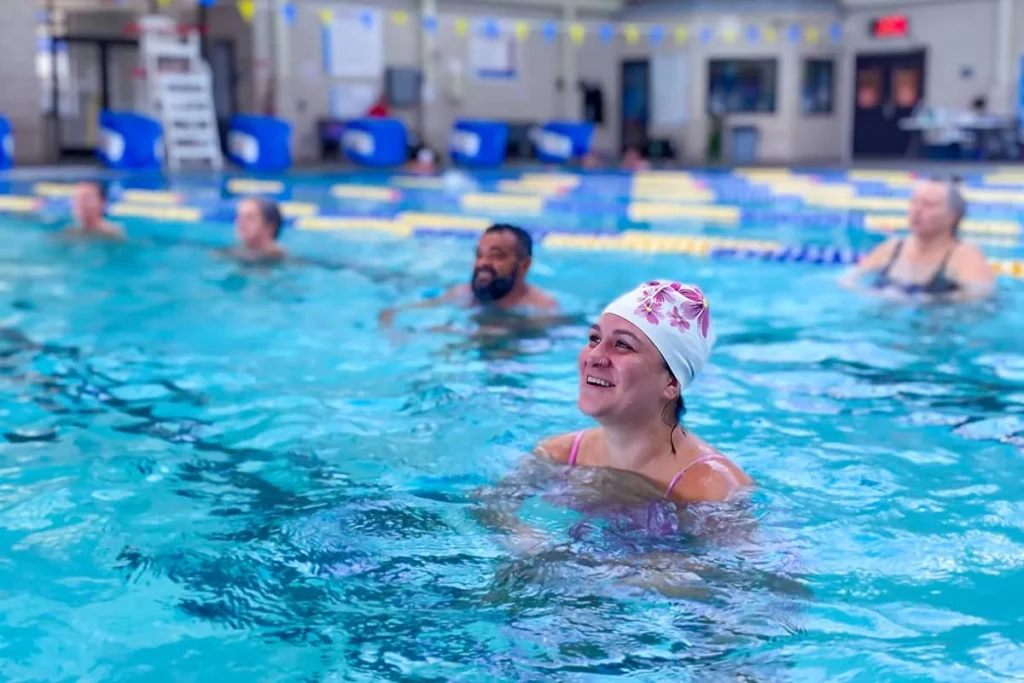
Warm water exercise unloads knee pressure and significantly improves strength, flexibility, and joint lubrication without pain.
Hydrotherapy supports gentle range of motion and often enhances muscle engagement because buoyancy eases weight-bearing stress.
3. Mindful Knee Warmup Ritual
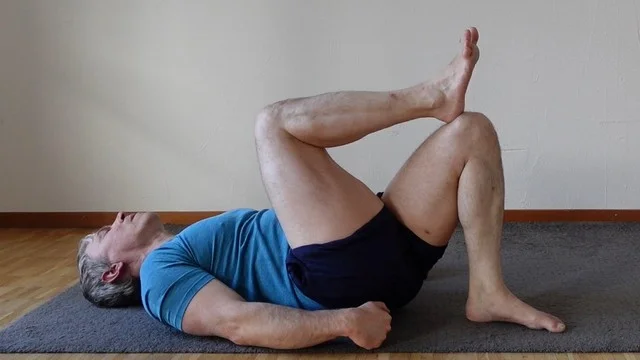
Before strengthening, spend 5 minutes doing knee micro-irritation mobilization:
- Knee circles
- Heel-to-butt kicks
- Gentle flex-extension range
This awakens neurological pathways that improve muscle recruitment, a critical factor often overlooked.
4. Sunlight & Vitamin D Strategy
Morning sunlight exposure (10–20 mins) helps optimize vitamin D, which supports bone and joint health, a detail seldom emphasized in typical rehab plans.
5. Myofascial Release & Warm Oil Knee Massage
Using gentle warm oil massage (coconut, olive, mustard) around the knee increases circulation, reduces tension, and enhances recovery when paired with your routine.
Massage has been shown to improve functional outcomes in many knee recovery plans.
6. Gentle Yoga Poses That Improve Knee Flexibility
Yoga isn’t just stretching, certain asanas like Bridge Pose, Low Lunge, Triangle, and Child’s Pose support strength, alignment, and joint durability.
7. Nutrition Matters Too
Anti-inflammatory foods, such as fish oil (omega-3s), leafy greens, turmeric, and berries, support joint comfort and recovery from within. Avoid excessive sugars and refined carbs that can increase inflammation.
Also Read: Spinal Twists for Lower Back Pain Relief- A Complete Guide
Pro Tips From Traditional & Modern Perspectives
“Move Without Pain First” Rule:
Focus on perfect, pain-free repetitions rather than doing more. Quality matters more than quantity.
Knee Micro-Rest Cycles:
Between exercises, take 60-90 seconds of light movement (e.g., gentle knee circles).
This improves blood flow and prevents stiffness.
Use Joint Sensory Feedback:
Wearing a light knee sleeve during sessions enhances proprioception (joint awareness), which often reduces pain and improves form subconsciously.
Backward Walking Practice:
This simple shift in gait activates stabilizing muscles often dormant in forward walking patterns and many runners and walkers report knee relief with consistent practice.
Weekly Diet Plan for Better Knee Health

Exercise strengthens muscles, but nutrition is an equally crucial partner.
Foods rich in anti-inflammatory compounds, antioxidants, omega-3 fatty acids, vitamins and minerals support cartilage, bone strength, and joint lubrication, helping reduce inflammation and pain while improving repair. (The Times of India)
Also Read: Bridge Exercise for Back Pain and Strengthening: A Complete Evidence-Based Guide
Daily Dietary Principles
- Include omega-3 fatty acids (e.g., fatty fish, flaxseeds) to reduce joint inflammation.
- Eat antioxidant-rich fruits and vegetables to protect cartilage and connective tissue.
- Consume sufficient protein every day for muscle repair.
- Emphasize whole, minimally processed foods and hydration.
Monday: Anti-Inflammatory Focus
Breakfast: Oatmeal with chia seeds, blueberries, and walnuts
Lunch: Grilled salmon salad with spinach, kale, olive oil
Snack: Orange or kiwi
Dinner: Lentil soup with turmeric and leafy greens
Why This Works: Omega-3s, vitamin C, and antioxidants help curb inflammation and support collagen formation.
Tuesday: Collagen & Bone Support
Breakfast: Greek yogurt with strawberries and flaxseeds
Lunch: Stir-fried tofu with broccoli and bell peppers
Snack: Handful of almonds
Dinner: Baked mackerel with quinoa and mixed greens
Why This Works: Protein and vitamin K support bone density and joint tissue repair.
Wednesday: Cartilage & Tissue Protection
Breakfast: Smoothie with spinach, banana, chia seeds
Lunch: Chickpea curry with brown rice
Snack: Tart cherry juice or cherries
Dinner: Vegetable soup with turmeric and garlic
Why This Works: Antioxidants from greens and cherries protect joint cartilage and reduce oxidative stress.
Thursday: Omega-3 Boost
Breakfast: Whole-grain toast with avocado and boiled egg
Lunch: Sardines on leafy green salad
Snack: Kiwi or citrus fruit
Dinner: Stir-fried mixed vegetables with tofu
Why This Works: Omega-3 fatty acids counter inflammation while leafy greens support bone metabolism.
Friday: Muscle Repair Fuel
Breakfast: Scrambled eggs with spinach
Lunch: Grilled chicken breast (or paneer) with quinoa
Snack: Berries
Dinner: Vegetable lentil stew with olive oil
Why This Works: High-quality protein helps muscles around the knees recover and strengthen.
Saturday: Anti-Oxidant & Healthy Fats
Breakfast: Smoothie bowl with kale, chia seeds, blueberries
Lunch: Salmon with brown rice and broccoli
Snack: Nuts & seeds mix
Dinner: Quinoa salad with nuts and leafy greens
Why This Works: Antioxidants and healthy fats nourish tissues and may reduce joint stiffness.
Sunday: Cleaning & Hydration Day
Breakfast: Fresh fruit platter (berries, oranges, kiwi)
Lunch: Vegetable soup with turmeric + side of avocado
Snack: Carrot sticks with hummus
Dinner: Whole grain rotis with mixed vegetable sabzi
Why This Works: A nutrient-rich, fiber-packed day supports digestion, hydration, and inflammation control, key to joint comfort.
Also Read: Low Back Pain Relief: Unveiling the Power of Physiotherapy
Tips for Long-Term Knee Health
- Stay Hydrated: Joint cartilage needs water to stay lubricated and resilient.
- Maintain Healthy Body Weight: Every extra kilogram increases knee joint load.
- Avoid Highly Processed Foods: Sugary, high-fat, and ultra-processed items may increase inflammation.
- Include Turmeric & Ginger: Their anti-inflammatory properties can help reduce stiffness.
- Get Vitamin D: Sunlight and vitamin D-rich foods help bone health and calcium absorption.
- Consult a Professional: Especially if you have underlying knee conditions or persistent pain.
Also Read: Is Physiotherapy Covered By Health Insurance In India?
Conclusion
Strengthening your knees doesn’t happen overnight, it’s a combination of consistent exercise and thoughtful nutrition.
This weekly timetable, paired with a nourishing diet plan, focuses on gradual strength building, inflammation reduction, and joint protection.
By following the structured routine and diet outlined above, beginners can expect improved knee stability, reduced discomfort, and enhanced overall joint health, with consistent weekly effort and healthy lifestyle choices.
Stay tuned with us. Further, follow us on social media for the latest updates.
Join us on, Instagram for the Latest Health related updates.


