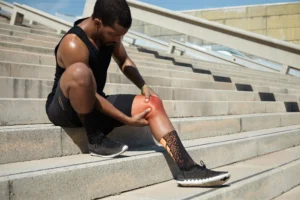
Weight loss for people with arthritis requires a joint-friendly approach that reduces strain on the body while improving strength and mobility.
Arthritis can make weight loss feel like an impossible goal.
You want to be more active, but your joints hurt.
Walking may leave your knees stiff, climbing stairs can be uncomfortable, and many popular workouts seem designed for people without joint pain.
It is easy to fall into a frustrating cycle.
Joint pain makes exercise harder, reduced activity can contribute to weight gain, and extra body weight may place additional stress on already painful joints.
Many people eventually begin to wonder:
“Can I actually lose weight if I have arthritis?”
Quick Answer
Yes, people with arthritis can lose weight.
You do not need to run or perform high-impact workouts. Joint-friendly activities like walking, swimming, water aerobics, cycling, chair exercises, and strength training can support weight loss while reducing stress on painful joints.
The secret is consistency, not intensity.
The answer is yes.
Living with arthritis does not mean you have to give up on improving your health or managing your weight.
The key is understanding that you may need a different approach than someone without joint pain.
Instead of focusing on high-impact workouts or extreme diets,
successful weight management with arthritis often comes down to choosing joint-friendly activities, building sustainable habits, and making gradual lifestyle changes.
This article explains :
what current research says about arthritis and weight loss, which exercises may be easier on painful joints, and what strategies actually work without making joint pain worse.
Key Takeaways
- Arthritis does not make weight loss impossible.
- Even modest weight loss may reduce stress on joints.
- Walking and swimming are excellent low-impact choices.
- Strength training helps support muscles around the joints.
- Complete rest is usually not the best long-term strategy.
- There is no miracle arthritis diet.
- Small, sustainable lifestyle changes often work best.
- Progress matters more than perfection.
Can People With Arthritis Lose Weight?
Yes.
Arthritis can create challenges, but it does not prevent the body from losing fat.
Weight loss still depends on the same basic principles that apply to everyone else.
Healthy eating habits, regular physical activity, and long-term consistency remain important.
The biggest difference is that many people with arthritis need to choose activities that reduce stress on painful joints.
Unfortunately, fear of pain often causes people to become less active.
You may avoid walking because your knees hurt.
You may skip exercise because you worry about making the condition worse.
You may think that running is necessary for weight loss and conclude that losing weight simply is not possible.
Fortunately, none of these assumptions are completely true.
Current arthritis management guidelines strongly recommend exercise as part of overall care for many people with osteoarthritis.(Kolasinski et al. 2020)
The goal is not to avoid movement.
The goal is to find movement that works for your body.
Can Extra Body Weight Make Arthritis Worse?
Although arthritis has many causes, carrying additional body weight may increase the mechanical load placed on weight-bearing joints.
Everyday activities such as walking, climbing stairs, standing up from a chair, and carrying groceries require the joints to support body weight.
For people with arthritis, this extra load may contribute to discomfort during daily activities.
This does not mean body weight is the only reason someone develops arthritis.
Genetics, age, previous injuries, and many other factors can also play important roles.
However, maintaining a healthy body weight may help reduce stress on the joints and support overall mobility.
Rather than viewing weight loss as a cosmetic goal, it can be helpful to think of it as one part of a broader strategy for improving quality of life.
Can Losing Weight Improve Arthritis Symptoms?
Many people ask whether losing weight can actually help their joints feel better.
Research suggests that intentional weight loss combined with exercise may improve physical function and reduce stress on affected joints in overweight people with osteoarthritis. (Messier et al. 2013)
One important message from the research is that you do not necessarily have to lose a massive amount of weight to notice benefits.
Even modest progress may support healthier movement patterns and make physical activity easier.
This creates a positive cycle.
Less body weight may make movement more comfortable.
More comfortable movement may encourage regular exercise.
Regular exercise may support further weight management and improved physical function.
Good News
Even a modest amount of weight loss may help reduce stress on weight-bearing joints and make everyday movement more comfortable.
Why Exercise Is Still Important
Many people with arthritis assume they should rest painful joints as much as possible.
Although severe pain or acute injuries may require medical attention, complete inactivity is not usually the best long-term strategy.
Long periods without movement may contribute to:
- Muscle weakness
- Joint stiffness
- Reduced flexibility
- Lower cardiovascular fitness
- Difficulty performing everyday tasks
Exercise is not simply about burning calories.
It also helps maintain muscle strength, mobility, balance, and independence.
Research has shown that exercise can improve pain and physical function in people with osteoarthritis. (Fransen et al. 2015)
The challenge is choosing exercises that your joints can tolerate.
The Best Weight Loss Exercises for People With Arthritis
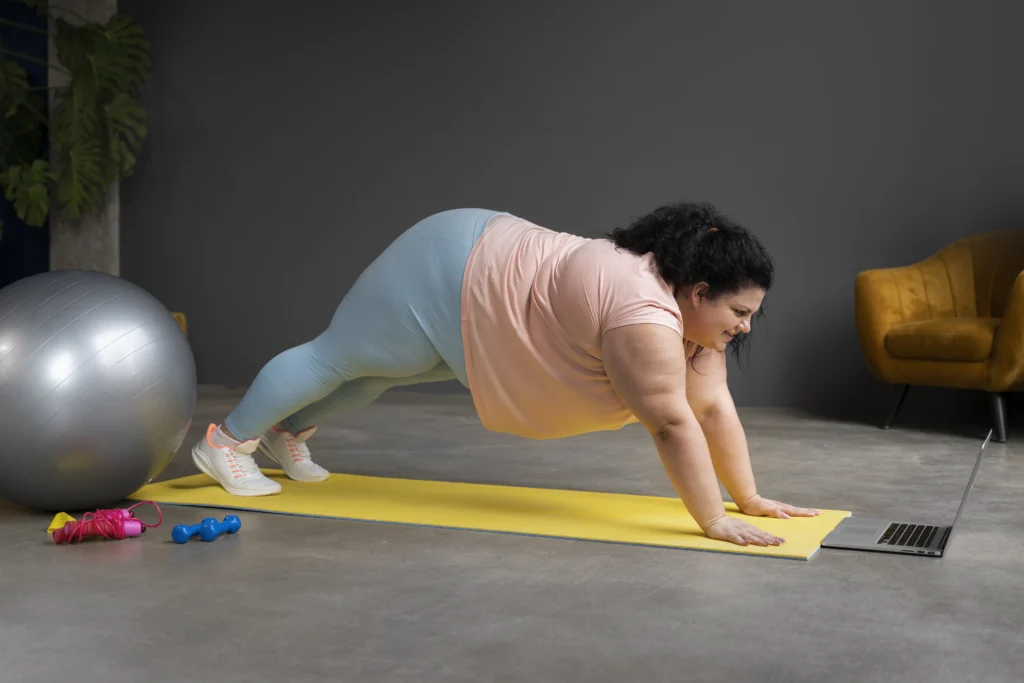
There is no single perfect exercise.
The best activity is often the one that you can perform safely and consistently.
Walking
Walking remains one of the most accessible forms of exercise.
You do not have to walk long distances or maintain a fast pace.
Many people benefit from:
- Short walking sessions
- Flat surfaces
- Supportive footwear
- Rest breaks when needed
- Gradual progression
Walking can often be adjusted to match your comfort level.
Swimming
Swimming is one of the most joint-friendly forms of exercise.
The water supports much of your body weight, reducing stress on painful joints while allowing you to move freely.
Swimming also provides a full-body workout that can improve cardiovascular fitness and help burn calories.
Water Aerobics
Water aerobics combines movement and resistance while minimizing impact.
Many people with arthritis find that they can perform exercises in water that would be difficult on land.
Research suggests that aquatic exercise may improve pain and physical function in people with joint conditions. (Bartels et al. 2016)
Cycling
Cycling provides low-impact cardiovascular exercise.
A stationary bike can be especially useful because resistance and speed can be adjusted according to comfort.
Many people find cycling easier on the joints than running.
Chair Exercises
People with significant joint pain sometimes believe they cannot exercise at all.
Chair-based workouts offer another option.
Examples include:
- Seated marching
- Arm raises
- Resistance band exercises
- Seated punches
- Chair yoga
These movements help increase activity while reducing stress on painful joints.
Strength Training
Many people worry that lifting weights will damage arthritic joints.
In reality, properly designed strength training programs may help improve muscle support around the joints.
Important muscle groups include:
- Quadriceps
- Hamstrings
- Glutes
- Core muscles
- Upper back muscles
Strong muscles help support movement and everyday function.
Arthritis-Friendly Exercise Checklist
- Walking
- Swimming
- Water Aerobics
- Cycling
- Chair Exercises
- Strength Training
Is Walking Good for Arthritis?
For many people, yes.
Walking is simple, inexpensive, and easy to adapt.
A few strategies may help make walking more comfortable:
- Start slowly.
- Wear supportive shoes.
- Choose softer or flatter surfaces.
- Walk with a friend for motivation.
- Break longer walks into shorter sessions.
Walking does not need to be painful to be effective.
Many people find that consistency matters more than intensity.
Can People With Arthritis Build Muscle?
Yes.
Many people mistakenly believe that arthritis means they should avoid strength training altogether.
In reality, maintaining and building muscle can be an important part of living well with arthritis.
Muscles help support and stabilize the joints.
When the muscles surrounding a joint become weaker, everyday activities such as standing up, climbing stairs, or carrying groceries may become more difficult.
Building muscle is not about becoming a bodybuilder.
It is about improving strength for daily life.
Beginner-friendly options may include:
- Resistance bands
- Light dumbbells
- Bodyweight exercises
- Chair-assisted movements
- Water resistance exercises
The goal should be gradual progress rather than lifting heavy weights.
Using proper technique and increasing resistance slowly can help reduce the risk of injury.
Muscle Matters
Strong muscles help support your joints. Building strength is about improving everyday function, not lifting the heaviest weights.
What Foods May Support Healthy Weight Management?
There is no single arthritis diet that works for everyone.
Many products claim to cure arthritis through special foods or supplements, but scientific evidence does not support miracle diets.
Instead, most people benefit from a balanced eating pattern that supports healthy body weight.
Practical habits include:
Eat Plenty of Fruits and Vegetables
These foods provide vitamins, minerals, and fiber while helping create satisfying meals.
Include Lean Protein
Protein supports muscle maintenance, which is especially important when trying to lose weight.
Examples include:
- Fish
- Eggs
- Poultry
- Beans
- Lentils
- Low-fat dairy products
Choose Whole Grains
Whole grains can provide fiber and may help people feel full for longer.
Limit Highly Processed Foods
Many highly processed foods are energy-dense and easy to overeat.
Stay Hydrated
Water supports overall health and can sometimes help reduce unnecessary snacking.
The goal should not be perfection.
Small, sustainable improvements are usually easier to maintain than strict diet rules.
How Much Exercise Is Enough?
Many people with arthritis think they need intense workouts to lose weight.
Fortunately, that is not necessary.
Building a regular exercise habit is often more important than doing extremely hard workouts.
A simple weekly plan might include:
- Walking on most days
- Swimming or water aerobics once or twice a week
- Strength training two or three times weekly
- Gentle stretching or mobility exercises
- Rest and recovery when needed
The World Health Organization encourages adults to participate in regular physical activity to support overall health. (WHO Guidelines on Physical Activity and Sedentary Behaviour)
Remember that some movement is usually better than none.
Common Mistakes People Make
Avoiding Exercise Completely
Fear of pain often leads people to become inactive.
Unfortunately, inactivity may contribute to muscle weakness and stiffness.
Doing Too Much Too Soon
Starting with long or intense workouts can increase discomfort.
Gradual progress is usually safer.
Depending Only on Diet
Healthy eating is important, but combining nutrition with physical activity often provides greater benefits.
Ignoring Strength Training
Many people focus only on cardio and forget that strong muscles help support painful joints.
Following Crash Diets
Extreme diets are difficult to maintain and may increase the risk of losing muscle mass.
How to Exercise Safely With Arthritis
Warm Up Before Exercise
Gentle movement prepares the muscles and joints for activity.
Progress Slowly
Increasing exercise gradually allows the body time to adapt.
Use Proper Footwear
Supportive shoes may improve comfort during walking and other activities.
Listen to Your Body
Mild muscle soreness may occur when starting a new routine.
Sharp or severe joint pain should not be ignored.
Allow Time for Recovery
Rest days are an important part of a healthy exercise program.
Is Swimming Better Than Walking for Arthritis?
Many people ask which exercise is best.
The answer depends on the individual.
Swimming may be more comfortable for people with significant joint pain because the water supports body weight.
Walking may be more convenient because it requires no special equipment or facilities.
Neither exercise is universally better.
The best choice is the activity that you enjoy and can perform consistently.
Can People With Arthritis Lose Belly Fat?
Yes.
Arthritis does not change the basic biology of fat loss.
The body cannot selectively burn fat from one area, so the goal should be overall fat loss rather than targeting the stomach.
Walking, swimming, cycling, water aerobics, chair workouts, and strength training can all contribute to calorie expenditure and support long-term weight management.
Running is not required.
Expert Tip
If a workout increases joint discomfort, try reducing the intensity or switching to a lower-impact activity instead of stopping exercise completely.
When Should You Talk to a Doctor?
Although regular movement is beneficial for many people with arthritis, certain symptoms require medical attention.
Speak with a healthcare professional if you experience:
- Severe joint swelling
- Sudden loss of joint function
- Severe or worsening pain
- Fever with joint pain
- Difficulty bearing weight
- New or unexplained symptoms
This article provides general educational information and should not replace personalized medical advice.
Myth Alert
Arthritis does not mean complete rest. For many people, safe movement is an important part of long-term joint health.
Common Myths About Arthritis and Weight Loss
Myth: People With Arthritis Should Avoid Exercise
Reality:
Exercise is commonly recommended as part of arthritis management.
Myth: Running Is Necessary for Weight Loss
Reality:
Many low-impact activities can support healthy weight management.
Myth: Strength Training Damages Arthritic Joints
Reality:
Appropriately designed strength programs may help improve joint support.
Myth: Swimming Is Too Gentle to Burn Calories
Reality:
Swimming provides a full-body workout and contributes to energy expenditure.
Myth: Weight Loss Is Impossible With Arthritis
Reality:
Many people with arthritis successfully lose weight by combining healthy eating with joint-friendly exercise.
The Centers for Disease Control and Prevention encourages regular physical activity for many people living with arthritis. (CDC Arthritis and Physical Activity)
Final Thoughts
Arthritis may change how you exercise, but it does not take away your ability to improve your health. Consistent, joint-friendly habits can make a meaningful difference over time.
The Bottom Line
Living with arthritis can make weight loss more challenging, but it does not make it impossible.
You do not have to run marathons, complete high-impact workouts, or follow extreme diets to improve your health.
Walking, swimming, water aerobics, cycling, chair exercises, and strength training can all help increase physical activity while being gentler on the joints.
Focus on Progress
You do not have to exercise perfectly. Small improvements repeated consistently often create the biggest long-term results.
The most successful approach is usually the simplest one:
- Move regularly.
- Build and preserve muscle.
- Eat balanced meals.
- Progress gradually.
- Focus on consistency instead of perfection.
Remember that weight loss is not only about appearance.
For many people with arthritis, healthier habits may support mobility, independence, and a better quality of life.
Small steps, repeated consistently, often produce the biggest long-term changes.
Frequently Asked Questions
Yes. Healthy eating and joint-friendly exercise can support long-term weight loss.
Many people with arthritis tolerate walking well when they start slowly and adjust the activity to their comfort level.
Swimming and water aerobics reduce joint impact while providing an effective workout.
Yes. Proper strength training may help improve joint support and everyday function.
For many people, reducing body weight may help decrease stress on weight-bearing joints.
No. Many low-impact activities can support healthy weight management.
There is no single miracle diet. A balanced eating pattern is generally the best approach.
Seek medical advice if you experience severe pain, major swelling, or sudden loss of joint function.
Stay tuned with us for more health related topics.
Follow us on LinkedIn and Instagram for more.
More Read






Medical Disclaimer!
This article has been reviewed and written under the guidance of our Head Physiotherapist, Dr. Kruti Raj (PT, MUHS,CPT,CMPT). The information shared is intended for educational purposes only and should not be considered a substitute for personalized medical advice, diagnosis, or treatment.
Please consult us or any other qualified healthcare professional before beginning any exercise program, especially if you are experiencing pain, recovering from injury, or managing a medical condition.