


Cervical spondylosis is a progressive degenerative condition of the cervical spine that affects discs, joints, ligaments and sometimes nerve roots. It is one of the most common causes of chronic neck pain in adults over 40, although early changes may begin much earlier due to lifestyle stress, prolonged sitting and poor posture.
Many people have radiological evidence of degeneration without symptoms. Pain and neurological issues develop when structural changes lead to inflammation, joint stiffness or nerve compression.
This comprehensive guide explains symptoms, stages, diagnosis, complications, physiotherapy treatment, exercises, prognosis, red flags and prevention strategies in detail.
Read our Complete Guide to Neck Pain: Causes, Symptoms, Exercises and Treatment
What Is Cervical Spondylosis?
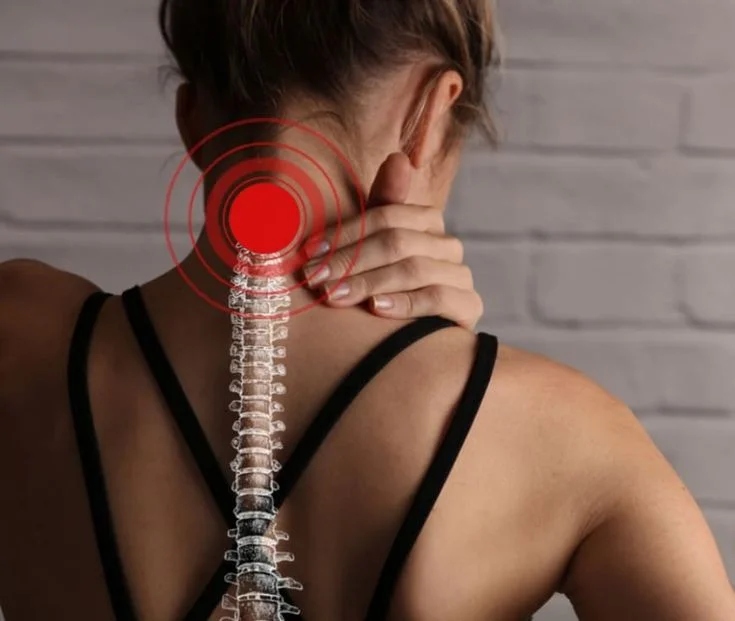
Cervical spondylosis refers to age related wear and tear of the cervical spine. It involves gradual structural changes such as:
- Disc dehydration
- Reduction in disc height
- Facet joint degeneration
- Bone spur formation
- Thickening of ligaments
These changes may narrow the spaces where nerves exit or where the spinal cord travels.
Lesser Known Fact
More than half of adults over 50 show degenerative changes on imaging, yet many remain completely symptom free. Symptoms arise only when inflammation or nerve irritation develops.
Read about: Read about : 15 Common Causes of Neck Pain You Should Know
Difference Between Cervical Spondylosis, Radiculopathy and Myelopathy
Understanding these differences is critical for proper management.
Cervical Spondylosis
Structural degeneration without necessarily affecting nerves.
Cervical Radiculopathy
Compression of a nerve root causing arm pain, tingling, numbness or weakness.
Cervical Myelopathy
Compression of the spinal cord causing balance issues, coordination problems, weakness in both arms or legs and difficulty with fine motor tasks.
Myelopathy requires urgent medical evaluation.
Why Cervical Spondylosis Develops
Degeneration occurs gradually due to cumulative stress on the cervical spine.
Contributing factors include:
- Aging
- Sedentary lifestyle
- Forward head posture
- Repetitive occupational strain
- Smoking
- Genetic predisposition
- Previous neck injury
Smoking reduces blood flow to discs, accelerating degeneration.
Is Cervical Spondylosis Common in Young Adults?
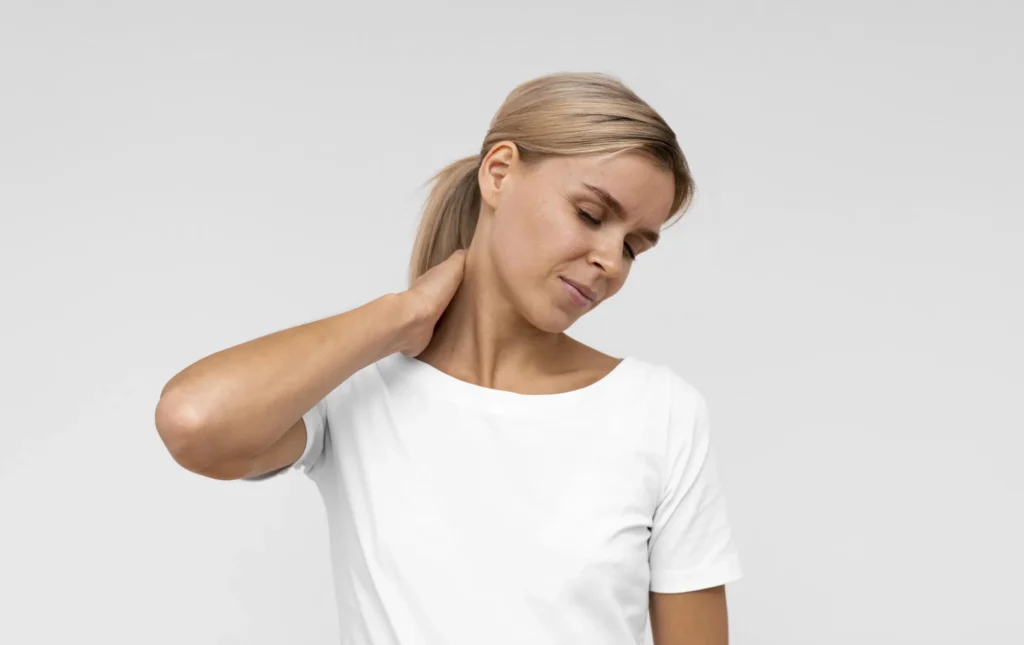
Although traditionally associated with aging, early degenerative changes are increasingly seen in individuals under 35 due to prolonged screen time and sedentary habits.
Lifestyle plays a major role in early onset symptoms.
Lesser Known Fact
Early disc dehydration may begin in the third decade of life, even before noticeable symptoms appear.
Can Weight Gain Worsen Cervical Spondylosis?
Excess body weight increases mechanical stress on the spine and contributes to inflammation. Although the neck does not bear as much load as the lower back, overall spinal alignment can be affected by weight changes.
Maintaining a healthy body weight supports long term spinal health.
Lesser Known Fact
Systemic inflammation associated with obesity may increase pain sensitivity in degenerative conditions.
Stages of Cervical Spondylosis
Stage 1: Disc Dehydration
Discs lose water content and elasticity. Symptoms may be limited to mild stiffness.
Stage 2: Disc Height Reduction
As discs thin, vertebrae move closer together. Joint stress increases.
Stage 3: Osteophyte Formation
Bone spurs develop to stabilize the spine. These may narrow nerve passageways.
Stage 4: Neural Compression
Nerve roots or the spinal cord may become compressed, leading to neurological symptoms.
Lesser Known Fact
Degeneration does not always progress steadily. Many individuals stabilize for years without worsening symptoms.
Symptoms of Cervical Spondylosis
Mechanical Symptoms
- Neck stiffness
- Dull aching pain
- Reduced range of motion
- Grinding sensation with movement
Radicular Symptoms
- Pain radiating into the shoulder or arm
- Tingling in fingers
- Numbness
- Weak grip strength
Myelopathic Symptoms
- Loss of balance
- Difficulty with coordination
- Hand clumsiness
- Gait disturbance
These symptoms indicate spinal cord involvement and require immediate evaluation.
Can Cervical Spondylosis Affect the Arms?
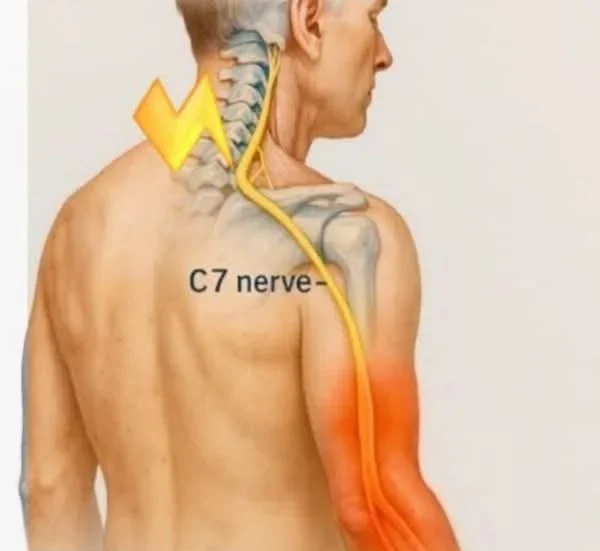
Yes, when degeneration narrows nerve pathways, symptoms may travel into the shoulder, arm or fingers.
This condition is known as cervical radiculopathy.
Symptoms may include:
- Tingling
- Numbness
- Burning pain
- Weakness
Lesser Known Fact
Arm symptoms often indicate nerve inflammation rather than just joint degeneration.
Can Cervical Spondylosis Cause Chest Pain?
In rare cases, nerve irritation in the lower cervical spine may cause pain that radiates toward the upper chest wall. This is sometimes called cervical angina.
However, chest pain should always be medically evaluated to rule out cardiac causes.
Lesser Known Fact
Cervical nerve roots share pathways with chest wall muscles, which explains why neck problems can sometimes mimic heart related discomfort.
Cervical Spondylosis and Headaches
Degeneration in upper cervical joints can irritate nerves connected to head pain pathways. Pain often begins at the base of the skull and radiates forward.
Lesser Known Fact
Upper cervical segments share neural pathways with structures involved in head pain, which explains cervicogenic headaches in degenerative conditions.
Can Cervical Spondylosis Cause Dizziness?
Some individuals with cervical spondylosis report lightheadedness or imbalance, especially when moving the neck. This is sometimes referred to as cervicogenic dizziness.
Degeneration in upper cervical joints may alter proprioceptive input, which affects balance perception.
Lesser Known Fact
The upper cervical spine contains a high density of proprioceptors. When joint movement is restricted, altered signals can contribute to dizziness sensations.
How Cervical Spondylosis Is Diagnosed
Clinical Examination
- Postural analysis
- Range of motion testing
- Neurological assessment
- Reflex testing
- Muscle strength evaluation
Special Clinical Tests
- Spurling test for nerve compression
- Cervical distraction test
- Upper limb tension tests
Imaging
X ray may reveal disc space narrowing and bone spurs. MRI provides detailed assessment of nerve root and spinal cord involvement.
Imaging is recommended when neurological symptoms or red flags are present.
Evidence Based Physiotherapy Treatment
Conservative care is the first line treatment for most individuals.
Goals of Rehabilitation
- Reduce inflammation
- Improve mobility
- Strengthen stabilizing muscles
- Correct posture
- Improve muscular endurance
- Prevent recurrence
Learn more: Effective Neck Pain Exercises At Home: A Complete Guide to Relief and Improved Mobility
Exercise Therapy
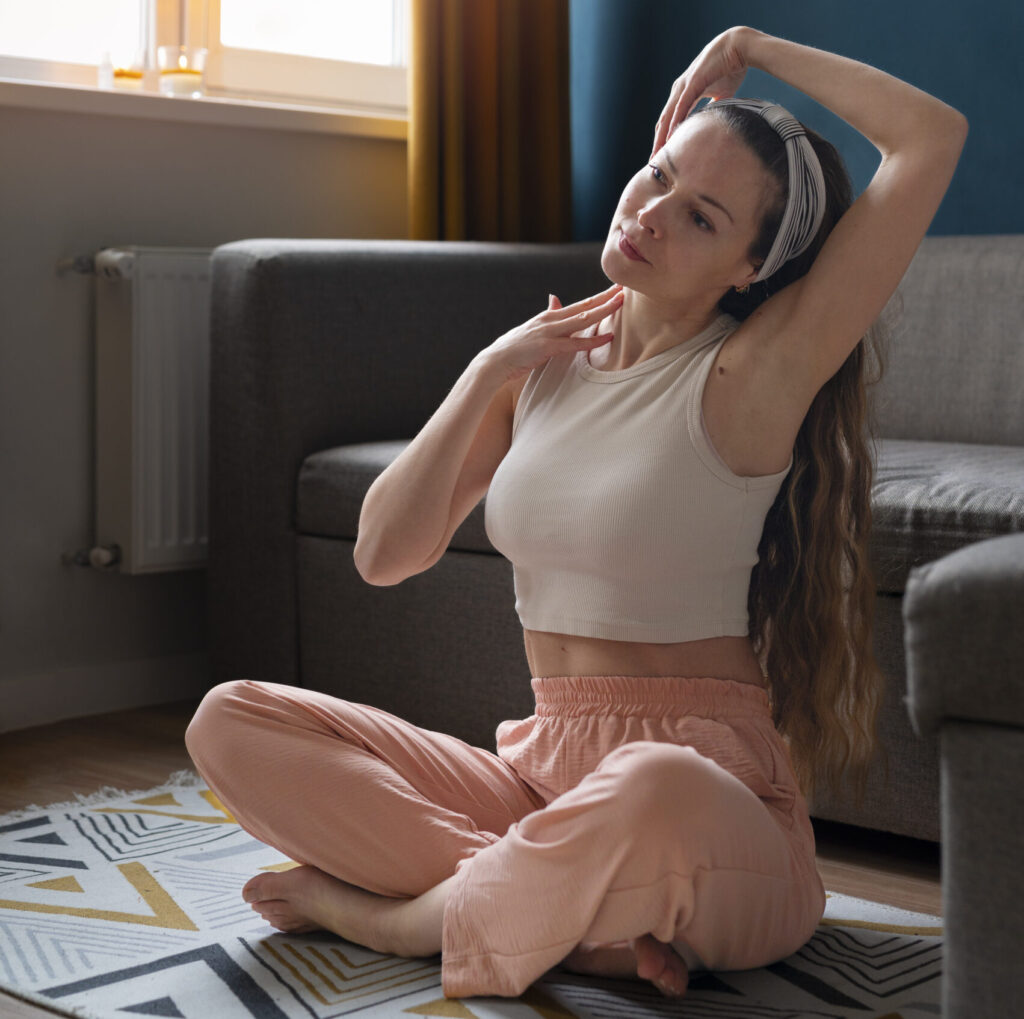
Deep Neck Flexor Activation
Restores stabilizing control and improves alignment.
Scapular Stabilization
Improves upper back support and reduces cervical strain.
Isometric Strengthening
Builds neck support without excessive joint movement.
Thoracic Mobility Exercises
Improving upper back mobility reduces stress on the cervical spine.
Endurance Training
Low load sustained exercises enhance muscular endurance essential for daily posture control.
Lesser Known Fact
Endurance of stabilizing muscles plays a greater role in symptom relief than maximum strength alone.
Learn : How to do Chin Tucks for Neck Pain Relief and Posture Correction
Exercises to Avoid in Cervical Spondylosis
Certain movements may aggravate symptoms during flare ups:
- Heavy overhead lifting
- Sudden jerky neck rotations
- High impact activities
- Excessive neck extension
Exercises should be progressive and supervised if nerve symptoms are present.
Lesser Known Fact
Controlled movement improves joint nutrition, but aggressive stretching during inflammation can worsen symptoms.
Manual Therapy
Manual techniques may include:
- Joint mobilization
- Soft tissue release
- Trigger point therapy
Research suggests that combining manual therapy with active exercises yields better long term outcomes than passive treatment alone.
Role of Posture Correction
- Maintain neutral head alignment
- Position monitor at eye level
- Keep shoulders relaxed
- Take micro breaks every 45 to 60 minutes
Postural retraining significantly reduces symptom recurrence.
Learn how posture affects neck pain and correction exercises in our article on Simple Posture Correction Exercises for Forward Head Posture
Best Sleeping Position for Cervical Spondylosis
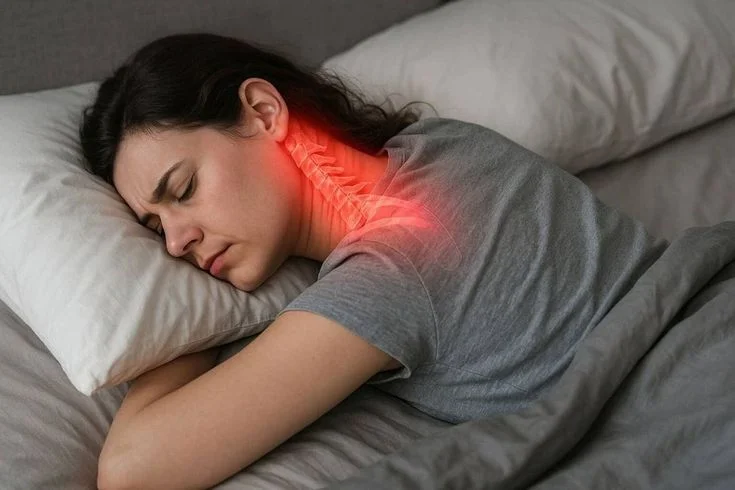
Sleeping on the back or side with proper cervical support helps maintain neutral alignment. Stomach sleeping increases rotational stress on cervical joints.
Using a pillow that supports the natural curve of the neck reduces overnight strain.
Lesser Known Fact
Sleeping posture affects the cervical spine for 6 to 8 continuous hours, which can have a larger impact than daytime posture mistakes.
Pain Science and Central Sensitization
Chronic cervical pain may involve increased nervous system sensitivity. In such cases, pain persists even after tissue healing.
Education, graded activity and gradual exposure to movement help reduce fear and improve outcomes.
When Is Surgery Needed?
Surgery may be considered if:
- Progressive neurological deficits occur
- Severe spinal cord compression is present
- Conservative treatment fails after several months
Most cases improve with non surgical management.
Recovery Timeline
- Mild cases improve within weeks
- Radiculopathy may take 6 to 12 weeks
- Chronic cases require consistent rehabilitation over several months
Adherence to exercises and posture correction strongly influences recovery.
How Long Does Cervical Spondylosis Pain Last?
Pain duration varies depending on severity and nerve involvement.
- Mild stiffness may improve within weeks
- Nerve irritation may take 6 to 12 weeks
- Chronic cases require long term management
Consistency in rehabilitation significantly improves outcomes.
Lesser Known Fact
Prolonged inactivity can delay recovery by reducing disc nutrition and muscle endurance.
Learn About: The Ultimate Neck Stretch Routine for Desk Workers in 2026
Does Weather Affect Cervical Spondylosis?
Some individuals report increased stiffness during cold or damp weather. While scientific evidence is mixed, colder temperatures may increase muscle tightness and reduce joint flexibility.
Staying warm and active often reduces weather related flare ups.
Lesser Known Fact
Barometric pressure changes may influence joint fluid dynamics, potentially increasing perceived stiffness in degenerative joints.
Red Flag Symptoms
Seek immediate medical attention if you experience:
- Loss of balance
- Progressive weakness
- Bladder or bowel dysfunction
- Severe coordination problems
- Persistent unexplained night pain
Can Cervical Spondylosis Be Prevented?
Structural aging cannot be completely reversed, but progression can be slowed through:
- Regular strengthening exercises
- Posture awareness
- Staying physically active
- Avoiding smoking
- Managing stress
- Maintaining healthy body weight
Cervical discs rely on movement for nutrient exchange, making regular activity essential.
Also read: How to Relieve Neck Tightness Without Equipment
Is Cervical Spondylosis Permanent?
Cervical spondylosis is a structural aging process and cannot be reversed. However, symptoms can be significantly reduced and progression slowed.
Many individuals live active, pain free lives despite degenerative findings on imaging.
Lesser Known Fact
Pain severity does not always correlate with imaging severity. Structural degeneration alone does not determine disability.
Read about: Standing Desk Exercises For Healthy Back And Reduced Pain
Frequently Asked Questions
Most cases are manageable, but spinal cord compression requires urgent medical attention.
Structural degeneration cannot be reversed, but symptoms can be effectively controlled.
No, nerve symptoms occur only if degeneration compresses a nerve root.
Yes, guided strengthening and mobility exercises are essential for recovery.
Yes, if nerve roots or the spinal cord are compressed.
Conclusion
Cervical spondylosis is a common degenerative condition that increases with age but does not always cause symptoms.
When symptoms develop, early physiotherapy, posture correction and structured strengthening exercises provide effective relief.
Understanding the difference between mechanical pain, radiculopathy and myelopathy is essential for appropriate management.
Most individuals improve without surgery when they follow a consistent rehabilitation program.
Long term cervical spine health depends on movement, strength and posture awareness.
Stay tuned with us for more health related topics.
Follow us on LinkedIn and Instagram for more.
More Read


Medical Disclaimer!
This article has been reviewed and written under the guidance of our Head Physiotherapist, Dr. Kruti Raj (PT, MUHS,CPT,CMPT). The information shared is intended for educational purposes only and should not be considered a substitute for personalized medical advice, diagnosis, or treatment.
Please consult us or any other qualified healthcare professional before beginning any exercise program, especially if you are experiencing pain, recovering from injury, or managing a medical condition.


