Can you stay lean without exercise?
While body weight is influenced by many factors, movement, muscle, and daily habits all play important roles.
Have you ever looked at someone who rarely visits the gym, never seems to follow a strict diet, and yet stays naturally lean?
Maybe you have a friend who says,
“I never work out,”
while eating dessert without appearing to gain weight.
Or perhaps you know a coworker who spends most of the day at a desk but somehow maintains a slim body year after year.
It can feel unfair, especially if you exercise regularly and still have to work hard to manage your weight.
This often leads to an important question:
Why do some people stay lean without exercise?
Quick Answer
Some people stay lean without formal exercise because body weight is influenced by more than workouts.
Genetics, daily movement (NEAT), appetite, eating habits, muscle mass, and long-term lifestyle patterns may all play a role.
Being naturally lean does not necessarily mean having a magical metabolism or being automatically healthy.
The answer is more complicated than many people think.
It is usually not because they have a magical metabolism or because the rules of biology do not apply to them.
Body weight is influenced by a combination of factors, including:
- Genetics
- Daily movement
- Appetite
- Eating habits
- Muscle mass
- Hormones
- Sleep
- Environment
- Long-term lifestyle patterns
Some of these factors are outside our control.
Others can be influenced through healthy habits.
Understanding the difference can help replace frustration with a more realistic view of how the human body works.
Key Takeaways
- Genetics may influence body weight but do not determine everything.
- Daily movement (NEAT) can significantly affect calorie expenditure.
- Naturally lean people may have different eating habits and appetite patterns.
- A fast metabolism is not the only explanation for staying thin.
- Lean does not automatically mean healthy.
- Exercise provides benefits beyond weight management.
- Sustainable habits matter more than quick fixes.
- Comparing yourself to others rarely tells the full story.
Are Some People Naturally Lean?
Yes, some people appear to have a natural tendency toward a leaner body type.
However, “naturally lean” does not mean that body weight is determined by one single factor.
Researchers believe body weight is regulated through a complex interaction between biology and environment.
Some people may inherit characteristics that make weight management easier,
while others may have to work harder to maintain a similar body weight. (University of Cambridge)
At the same time, genetics do not completely determine outcomes.
Lifestyle choices still matter.
A person with a genetic tendency toward leanness can gain weight,
and someone with a higher genetic risk for obesity can improve health through sustainable habits.
Does Genetics Matter?
Genetics may influence several aspects of body weight, including:
- Appetite
- Fat storage
- Energy expenditure
- Hunger signals
- Body fat distribution
Scientists have identified numerous genes associated with body weight regulation.
However, no single “lean gene” explains why someone stays thin.
Instead, many small genetic differences may contribute to an individual’s overall tendency.
Think of genetics as setting the stage rather than writing the entire story.
Your daily habits still play an important role.
This balanced perspective helps avoid two common mistakes:
Mistake One
Believing that genetics control everything.
Mistake Two
Believing that genetics do not matter at all.
The truth is usually somewhere in between.
Is Metabolism Really Faster?
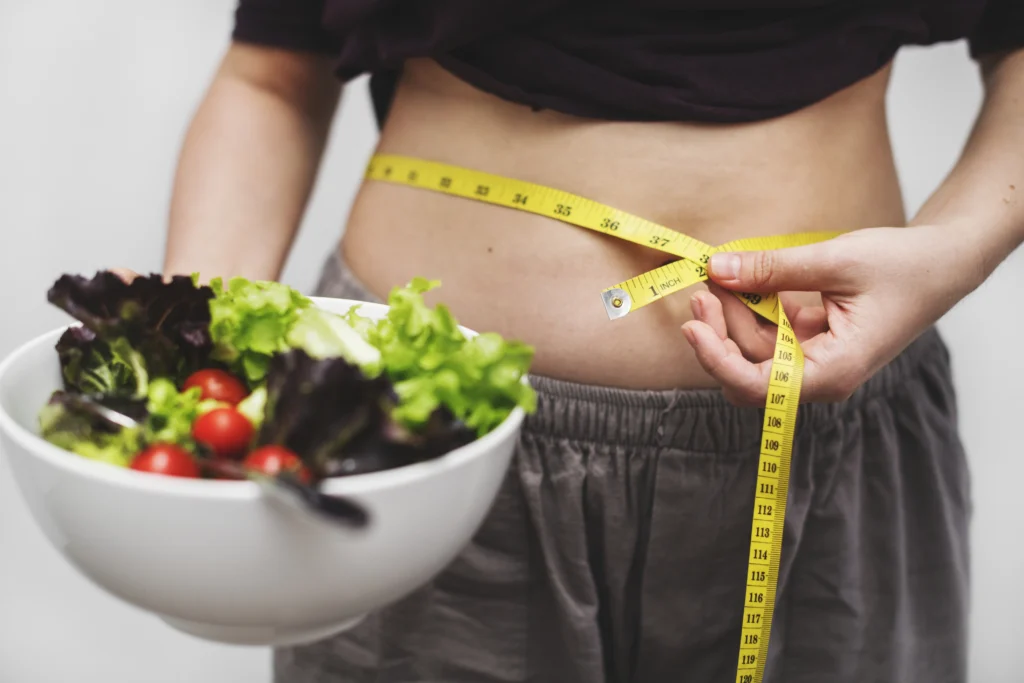
One of the biggest myths about naturally lean people is that they have incredibly fast metabolisms.
In reality, differences in resting metabolism between people of similar size are often smaller than many expect.
The body uses energy to support essential functions such as:
- Breathing
- Circulation
- Brain activity
- Digestion
- Temperature regulation
- Cell repair
These processes continue whether a person exercises or not.
Body size and muscle mass can influence resting energy expenditure.
Larger individuals generally require more energy to maintain basic bodily functions.
This means that the explanation for why someone stays lean often extends beyond simply having a “fast metabolism.”
What Is NEAT?
One of the most interesting explanations involves something called Non-Exercise Activity Thermogenesis, commonly known as NEAT.
NEAT refers to the energy used during activities that are not planned exercise.
Examples include:
- Slow Walking around the house
- Standing while talking
- Fidgeting
- Gardening
- Cooking
- Cleaning
- Taking the stairs
- Playing with children
- Walking while on the phone
- Using standing desks while working
Some people naturally perform more of these activities throughout the day without thinking about them. (Levine et al. 2002)
Imagine two people who both skip the gym.
One spends the evening sitting on the couch.
The other walks the dog, cooks dinner, tidies the house, and frequently moves around.
Neither person performs a formal workout, but their daily energy expenditure may be very different.
This is one reason experts encourage people to think beyond scheduled exercise sessions.
Eating Habits That Often Go Unnoticed
Many naturally lean people do not necessarily follow strict diets.
However, they may have eating behaviors that support a healthy body weight.
Examples might include:
- Eating slowly
- Stopping when comfortably full
- Snacking less often
- Drinking fewer sugary beverages
- Preferring smaller portions
- Being less likely to eat out of boredom
These habits are not always conscious.
Sometimes people simply develop them over many years.
Observers may notice the occasional large meal but miss the eating patterns that occur during the rest of the week.
This can create the impression that someone “eats anything they want” when their overall calorie intake may actually be balanced.
Appetite and Hunger Hormones
Not everyone experiences hunger in exactly the same way.
The human body uses complex hormonal systems to help regulate appetite.
Some individuals may naturally feel satisfied after smaller meals.
Others may experience stronger hunger signals.
Researchers continue to study hormones involved in appetite and satiety, including those produced by the digestive system and fat tissue. (Yeung et al. 2023)
These biological differences may partly explain why weight management feels easier for some people than for others.
However, appetite is influenced by more than biology alone.
Sleep, stress, emotions, food choices, and daily routines can also affect hunger.
Muscle Mass and Daily Energy Use
Muscle tissue requires energy to maintain.
People with greater muscle mass may use slightly more energy throughout the day than individuals with less lean tissue.
This does not mean everyone needs to become a bodybuilder.
It simply highlights that body composition can influence energy expenditure.
Strength training may support healthy body composition and physical function, even for people whose primary goal is not weight loss.
Most importantly, exercise provides many benefits that go far beyond body weight, including:
improved strength, mobility, cardiovascular health, and quality of life.
Why Lean Does Not Always Mean Healthy
One of the biggest misconceptions about body weight is that being lean automatically means being healthy.
A person can appear slim while still having health risks related to:
- Poor nutrition
- Low muscle mass
- Physical inactivity
- High stress levels
- Inadequate sleep
- Smoking or excessive alcohol use
Likewise, someone with a larger body size may have excellent cardiovascular fitness and healthy lifestyle habits.
Health is influenced by much more than appearance alone.
This is one reason many experts encourage people to focus on overall well-being rather than chasing a specific body type.
Can You Become More Like Naturally Lean People?
Many people ask whether they can develop the habits that seem to come naturally to lean individuals.
The answer is often yes, not by changing your genetics, but by learning behaviors that support long-term weight management.
Move More Without Thinking About Exercise
You do not have to spend hours in the gym to increase daily activity.
Simple habits may help:
- Walk during phone calls.
- Take the stairs.
- Park farther away.
- Stand up regularly.
- Do household chores.
- Walk after meals.
These small activities may increase overall movement throughout the day.
Pay Attention to Hunger
Many naturally lean people appear to eat when they are hungry and stop when they are comfortably satisfied.
Learning mindful eating habits may help some individuals better understand their own hunger and fullness signals.
Build Muscle Through Strength Training
Exercise offers many benefits beyond calorie burning.
Maintaining muscle mass may support healthy aging, mobility, and physical function.
Focus on Long-Term Habits
Many people search for quick solutions.
However, sustainable routines often produce better long-term results than extreme approaches.
The Environment Matters Too
Body weight is not influenced by biology alone.
Modern environments encourage inactivity and easy access to highly palatable foods.
Some people naturally adapt well to these environments.
Others may need to create structures that support healthy habits.
Examples include:
- Planning meals
- Keeping nutritious snacks available
- Limiting mindless eating
- Scheduling activity breaks
- Prioritizing sleep
The goal is not perfection.
The goal is to make healthy choices easier and more consistent.
Common Mistakes People Make
Believing Thin People Never Gain Weight
Many naturally lean individuals experience weight fluctuations just like everyone else.
Assuming Exercise Is Unnecessary
Formal exercise provides many physical and mental health benefits regardless of body weight.
Comparing Yourself to Others
Different people have different genetics, environments, and lifestyles.
Ignoring Daily Movement
Small activities outside the gym may contribute significantly to total energy expenditure.
Thinking One Factor Explains Everything
Body weight is influenced by many interacting factors.
Common Myths About Naturally Lean People
Myth: They Have Superhuman Metabolisms
Reality:
Differences in resting metabolism are often smaller than many people imagine.
Myth: They Eat Anything They Want
Reality:
Overall eating patterns may differ from what others observe.
Myth: They Never Feel Hungry
Reality:
Appetite varies among individuals, but everyone experiences hunger.
Myth: They Never Need Exercise
Reality:
Exercise supports many aspects of health beyond body weight.
Myth: Genetics Decide Everything
Reality:
Genes may influence body weight, but lifestyle habits still matter.
Myth: Lean Means Healthy
Reality:
Health cannot be judged by appearance alone.
What Health Organizations Recommend
The World Health Organization recommends that adults participate in regular physical activity for overall health. (World Health Organization 2020)
Physical activity supports:
- Heart health
- Muscle strength
- Bone health
- Mental well-being
- Physical function
These benefits exist regardless of whether someone is naturally lean.
What We Can Learn From Naturally Lean People
The most useful lesson may not be that some people have favorable genetics.
It may be that many naturally lean individuals unknowingly practice behaviors that support healthy body weight.
They may:
- Move more.
- Sit less.
- Eat more mindfully.
- Stop eating when satisfied.
- Maintain consistent routines.
- Avoid frequent overeating.
These habits are often subtle.
They may not look like a structured fitness program, but over many years they can influence body weight.
Looking Beyond Jealousy
It is easy to compare ourselves with people who seem effortlessly thin.
However, we rarely see the complete picture.
We do not know:
- Their genetics
- Their appetite
- Their stress levels
- Their eating habits
- Their activity patterns
- Their health history
Comparing ourselves with a small part of someone else’s life can create unrealistic expectations.
A more helpful approach is to focus on behaviors that improve our own health.
The Bottom Line
Why do some people stay lean without exercising?
The answer is usually not one magical factor.
A combination of genetics, daily movement, appetite, eating habits, body composition, and environment may all contribute.
Many naturally lean people may burn more energy through everyday movement rather than formal workouts.
Some may have different hunger patterns.
Others may simply have habits that support a balanced energy intake over time.
Most importantly, staying lean does not automatically mean someone is healthier,
and needing to work harder to manage body weight does not mean you are failing.
Body weight is influenced by many factors, some controllable and some not.
Instead of comparing yourself with people who appear effortlessly thin, it may be more useful to adopt healthy habits that you can maintain for years.
Exercise regularly.
Move more during the day.
Pay attention to hunger and fullness.
Build strength.
Get enough sleep.
Remember that long-term health is not determined by one workout, one meal, or one genetic trait.
It is often built through many small choices repeated consistently over time.
Frequently Asked Questions
Yes. Genetics may influence body weight, but lifestyle habits also play an important role.
Not always. Daily movement and eating habits may also contribute to their body weight.
NEAT refers to the calories burned through everyday activities outside of structured exercise.
Some may naturally have eating habits that support a balanced calorie intake.
Exercise is not the only factor affecting body weight, but it offers many important health benefits.
No. Body weight alone does not determine overall health.
Yes. Biological and environmental factors may influence hunger and fullness signals.
Many maintain small, sustainable habits that support healthy body weight over time.
Stay tuned with us for more health related topics.
Follow us on LinkedIn and Instagram for more.
More Read






Medical Disclaimer!
This article has been reviewed and written under the guidance of our Head Physiotherapist, Dr. Kruti Raj (PT, MUHS,CPT,CMPT). The information shared is intended for educational purposes only and should not be considered a substitute for personalized medical advice, diagnosis, or treatment.
Please consult us or any other qualified healthcare professional before beginning any exercise program, especially if you are experiencing pain, recovering from injury, or managing a medical condition.